





Hand Carved Oak Frame
Hand carved oak frame pieces bring tactile depth to any room, offering robust construction and distinct regional character.
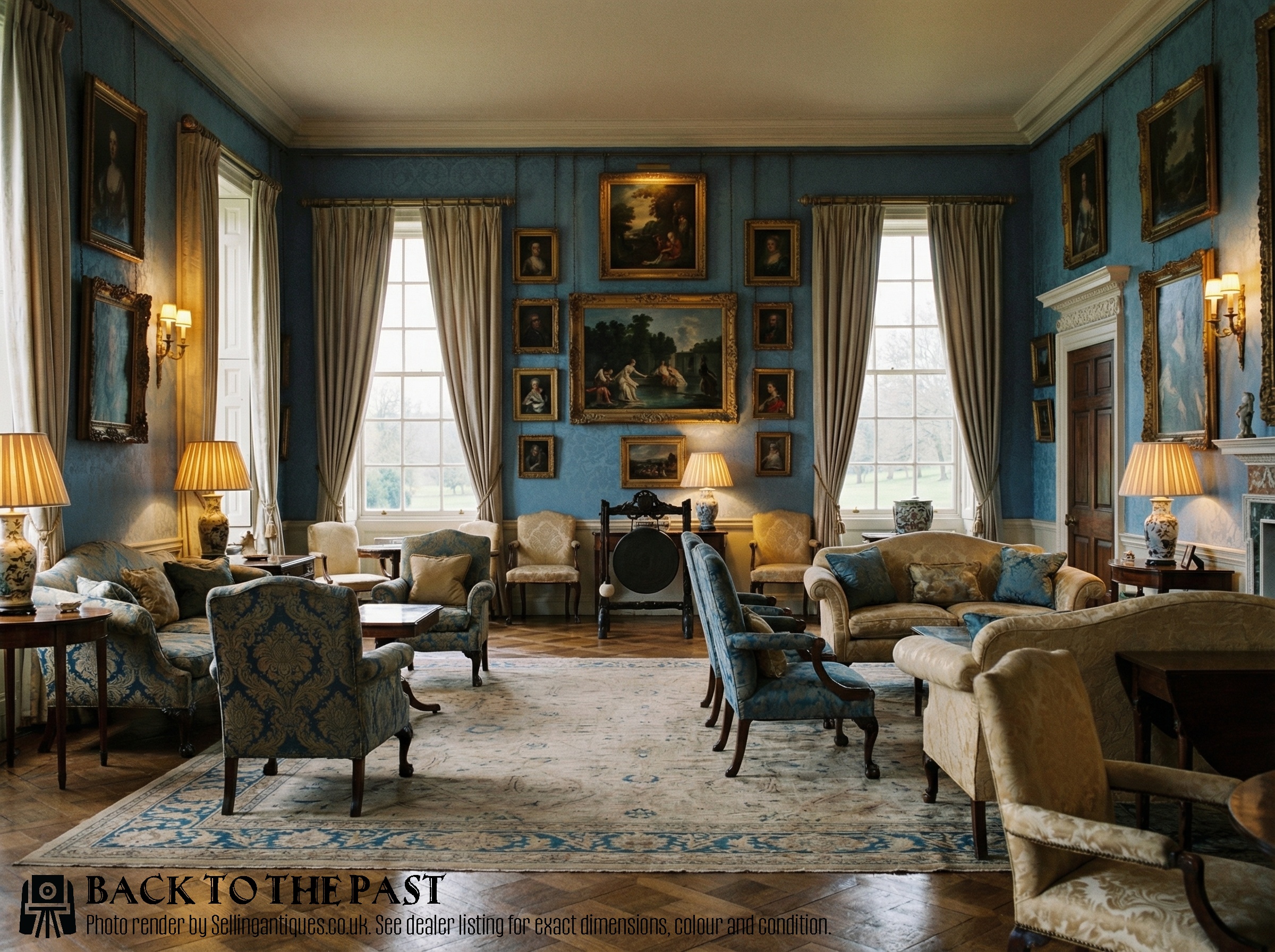
Hand Carved Oak Frame
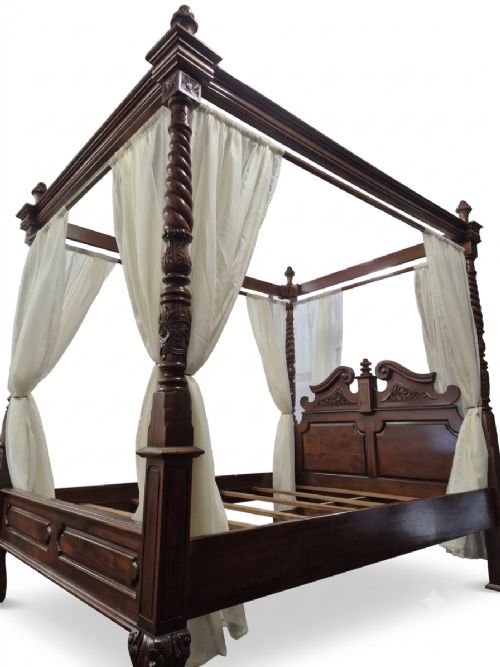
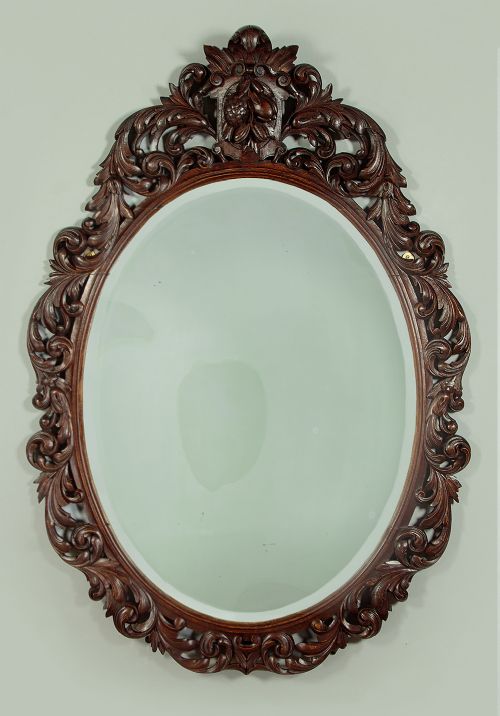
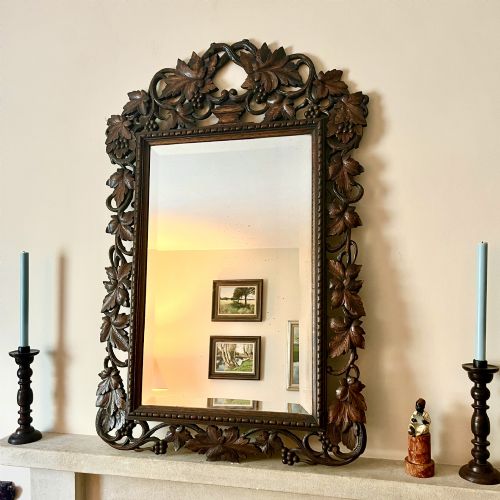
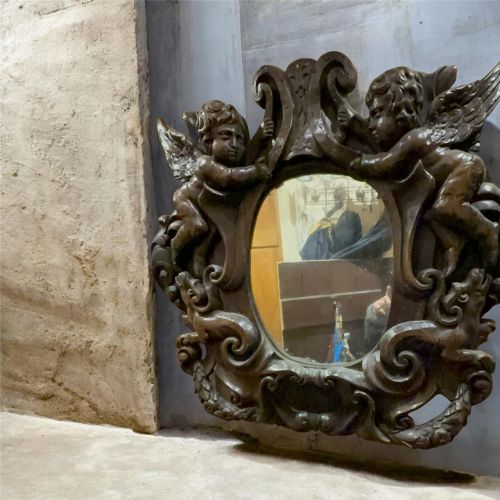
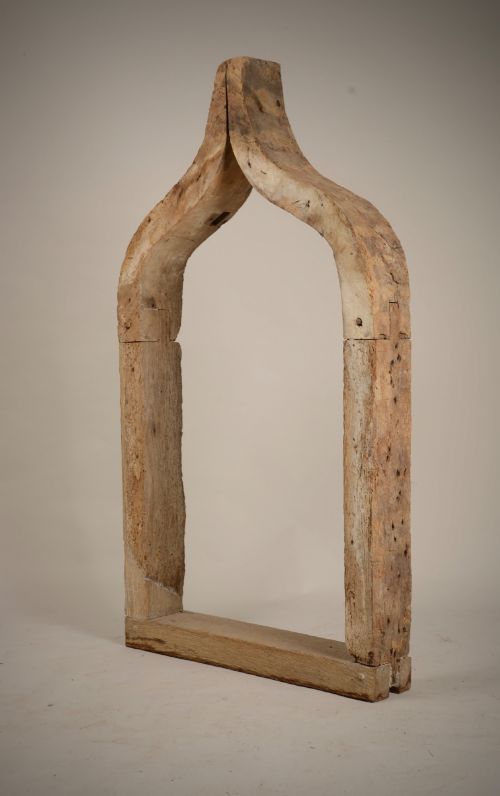
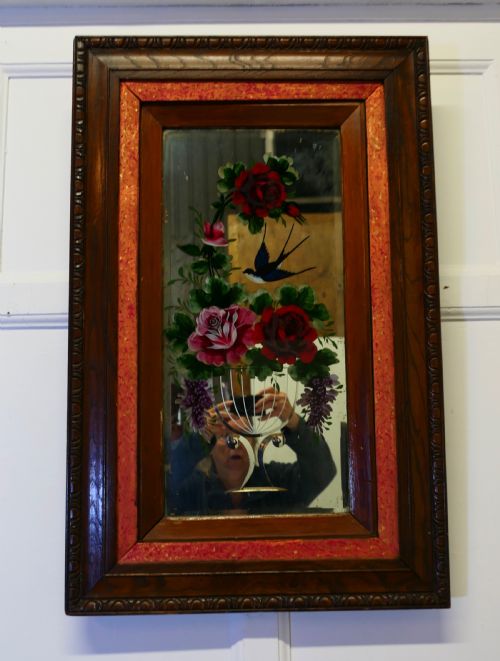
When you search for hand carved oak frame, you encounter objects built from sturdy hardwood that span multiple eras from pre-16th century examples to Victorian and early 20th century pieces. The selection includes wall mirrors, overmantel mirrors, picture slip frames, beds, barometers, and architectural salvage.
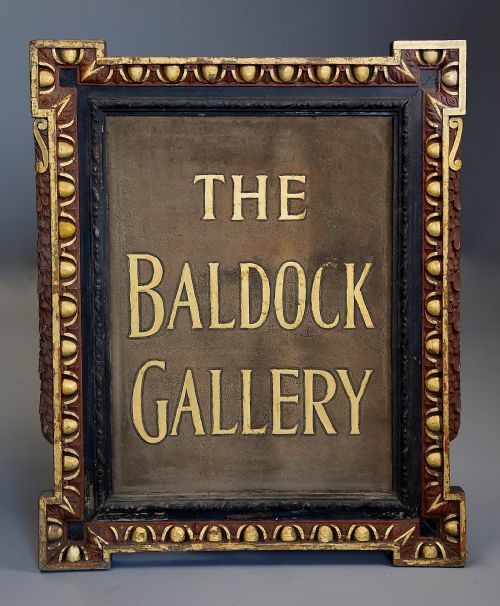
Mirrors and picture slip frames dominate the selection on this page, appearing alongside more specialised items such as dinner gongs and shop signs. These objects display styles ranging from Black Forest and Gothic Revival to Victorian and Colonial Revival.
Origins stretch across English country houses and continental workshops, giving buyers a diverse array of forms. Each object utilises solid timber shaped by hand, reflecting the aesthetic preferences of its specific period.
Materials and construction
The primary material across these listings is solid oak, supplemented by general hardwood, glass, paint, fabric, and metal elements. Craftsmen utilised sharp chisels and gouges to carve intricate relief patterns directly into the timber.
Surface treatments vary according to the period and style, incorporating exposed wood grain, paint, and occasional gilding. Construction methods rely on traditional joinery to support heavy mirror glass or large structural panels.
One dining gong waits patiently inside its carved oak frame to summon guests to the table.
Judging quality in carved oak
Quality reveals itself in the crispness and depth of the carving, where confident chisel work distinguishes superior pieces from softer, more mechanical execution. The selection of the timber grain also plays a role, with quartersawn oak providing stability and distinct figuring.
Integration of original components, such as antique mirror glass or authentic hardware, separates well-preserved examples from heavily altered items. The proportion of the carved frame relative to its aperture or mirror plate demonstrates the maker's design sensibility.
The Hand Carved Oak Frame Glossary
- Oak
- A durable, heavy hardwood with prominent growth rings and medullary rays that takes fine detail well when carved. It serves as the primary structural material for these frames.
- Picture Slip Frame
- A narrow inner frame, often double-sided and hand carved, designed to hold a portrait or painting within a larger setting. These items provide a finished border for works on paper or canvas.
- Overmantel Mirror
- A large mirror designed to hang specifically above a fireplace mantel, frequently featuring elaborate carved decoration. They often incorporate Victorian or country house styling.
- Black Forest
- A style of wood carving originating from the mountainous region of central Europe, known for naturalistic motifs of animals and foliage. Pieces in this tradition often form barometers or mirror surrounds.
- Gothic Revival
- An architectural and decorative style drawing inspiration from medieval forms, featuring pointed arches and tracery. This aesthetic appears in early window frames and mirrors.
Hand Carved Oak Frame: Frequently Asked Questions
What periods do these frames cover?
The listings include items originating from the pre-16th century era, through the 18th and 19th centuries, up to the early 20th century. Victorian and 19th-century pieces form a significant portion of the available selection.
Buyers also encounter older medieval artefacts and later 1920s shop signs, showing a broad chronological range for hand-carved oak items.
How were these frames used historically?
Historically, these items served practical and decorative functions in domestic and commercial spaces, holding mirrors, paintings, or barometers. Larger examples acted as architectural salvage or structural bed components.
Specialised pieces like dinner gongs and shop signs demonstrate that carved oak was also utilised for signalling and trade identification in country houses.
How do I care for antique oak?
Maintain antique oak frames by keeping them away from direct sunlight and sudden temperature shifts, which can cause the timber to split. Dust the carved recesses gently with a dry, soft brush.
Avoid applying modern silicone polishes, as they build up on the wood surface and obscure the original patina of the carved details.
Can I hang a heavy oak mirror safely?
Hanging a heavy oak mirror requires assessing the weight of the solid timber and glass plate against your wall structure. Use appropriate fixings rated for substantial loads rather than standard picture hooks.
Inspect the original hanging loops or backing on older frames to ensure the structural integrity supports wall mounting.