


Hand Carved Coffer
A hand carved coffer is a solid storage chest bearing sculpted wooden ornament, offering both utility and historic craftsmanship to any room.
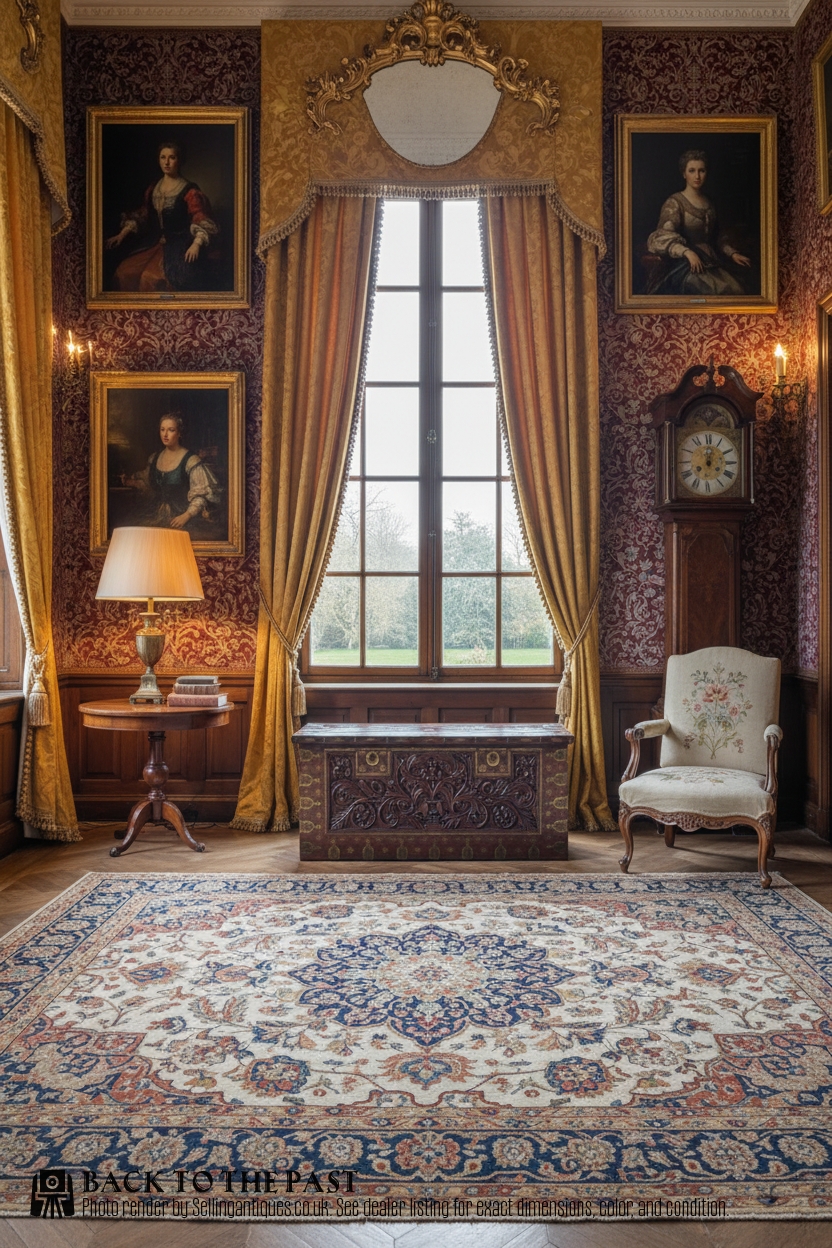
Hand Carved Coffer
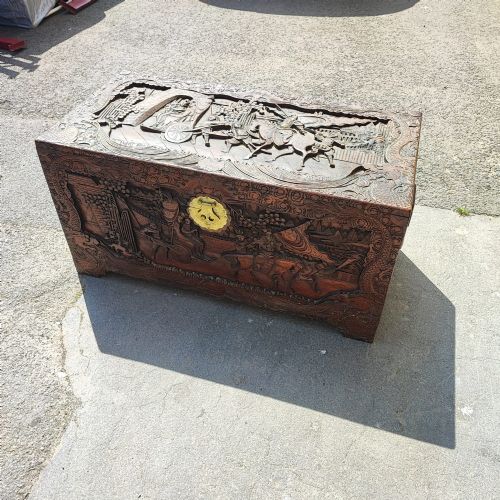
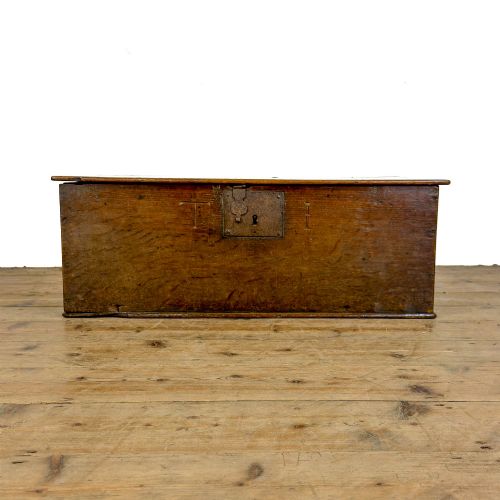
A hand carved coffer serves as a sturdy storage chest constructed for domestic utility and lined with rich regional detail. When exploring this selection, buyers encounter everything from compact oak bible boxes to substantial camphor wood trunks and regional dowry chests.
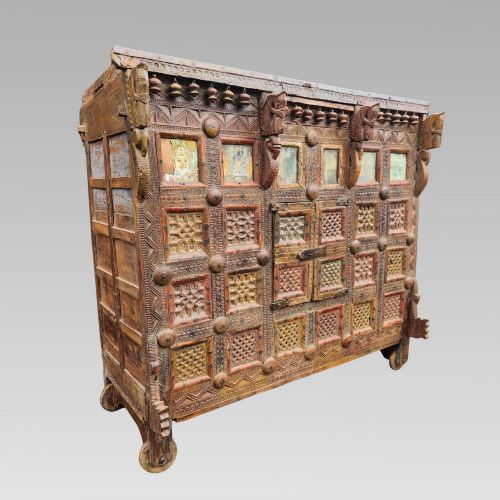
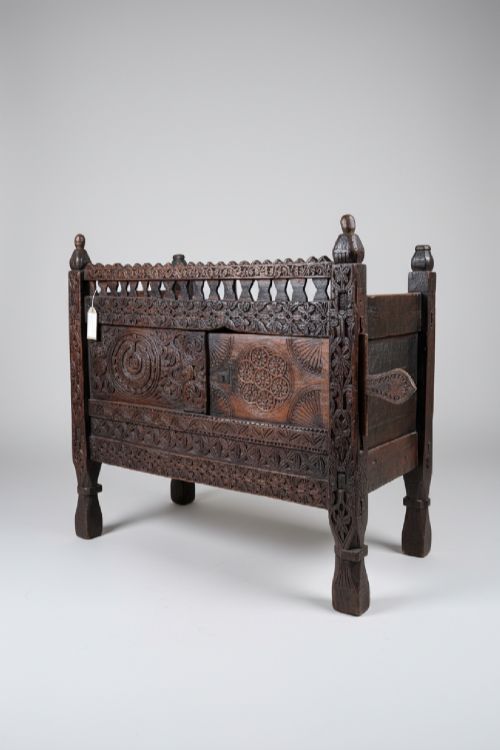
The pieces originate across diverse traditions, spanning British oak works, Chinese export camphor chests, and folk art examples from the Swat Valley or South India. Nineteenth-century examples appear frequently alongside eighteenth-century oak pieces and later regional works.
Forms vary from simple plank construction to sophisticated panelled marriage chests and cabinets on stands. Each object reflects the domestic storage needs of its period, utilising local timbers for everyday household security.
How they were made
Construction relies heavily on native and regional hardwoods including oak, camphor wood, teak, and sandalwood, often assembled with traditional joinery. Artisans shaped these dense timbers using hand chisels and gouges to produce deep relief panels and surface decoration.
Surface treatments range from waxed natural grain and dark lacquer to painted Moorish motifs and polychrome folk art finishes. Iron or brass hardware such as hinges, straps, and locks reinforce the structural integrity of the heavy wooden carcase.
Several chests carry the aromatic scent of camphor wood after more than a century of guarding woollens.
What varies in quality
Quality rests in the depth, precision, and harmony of the hand carving relative to the timber used. Crisp, deep relief work executed on dense hardwoods like oak or camphor denotes superior artisan output compared to shallow or mechanical tooling.
The integrity of the original construction, including period hinges, locks, and undisturbed timber patination, elevates an example significantly. Pieces retaining their original stands, interior tills, or authentic painted decoration command greater appreciation.
Jack Grimble
The Hand Carved Coffer Glossary
- Cofer
- A large wooden chest used traditionally for storing valuables, linen, or documents. These pieces often feature hinged lids and heavy timber construction.
- Bible Box
- A small tabletop or desk-form box designed to hold sacred texts and writing materials. They frequently display carved friezes and sloping lids.
- Dowry Chest
- A traditional storage container prepared for a bride, often richly carved or painted to mark a marriage. They are common across diverse cultural traditions.
- Camphor Wood
- An aromatic hardwood favoured for trunks due to its natural insect-repellent properties. The timber yields a distinct fragrance and accepts fine relief carving.
- Frieze
- The wide horizontal band of carved ornamentation running along the upper section of a coffer or panel. This decorative zone often displays geometric or floral motifs.
Hand Carved Coffer: Frequently Asked Questions
What were hand carved coffers used for?
These chests served primarily for secure domestic storage of valuable textiles, garments, silver, and important documents. In many households, they also functioned as seating benches or tables when space was limited.
Over centuries, regional variants evolved specific domestic roles, such as holding marriage dowries or safeguarding church bibles from damp and theft.
How do I care for a antique wooden coffer?
Keep the timber away from direct heat sources and sudden humidity fluctuations to prevent the wood from splitting or warping. Feed dry hardwoods occasionally with a traditional beeswax polish rather than modern liquid sprays.
Allow air to circulate around camphor or cedar trunks periodically, avoiding heavy synthetic liners that trap moisture against the interior surfaces.
How can I tell an 18th-century coffer from a 19th-century one?
Examine the construction marks, timber choice, and fastening methods visible on the interior and underside of the piece. Eighteenth-century British examples typically display hand-riven oak panels, pegged joints, and forged iron strap hinges.
Nineteenth-century pieces often utilise imported softwoods or exotic hardwoods like camphor, frequently featuring machine-sawn elements and later brass or cast iron hardware.
Where should I place a large chest in a modern room?
A substantial trunk or coffer works effectively at the foot of a bed, serving as blanket storage and a dressing bench. Alternatively, position one as a low coffee table in a living room to provide hidden storage for bulky items.
Ensure the lid has adequate clearance to open fully without striking walls, artwork, or hanging light fixtures.