

Hand Carved Animals
Hand carved animals bring centuries of animalier artistry into the home, capturing bears, elephants and deer through skilled regional sculpture.
Hand Carved Animals
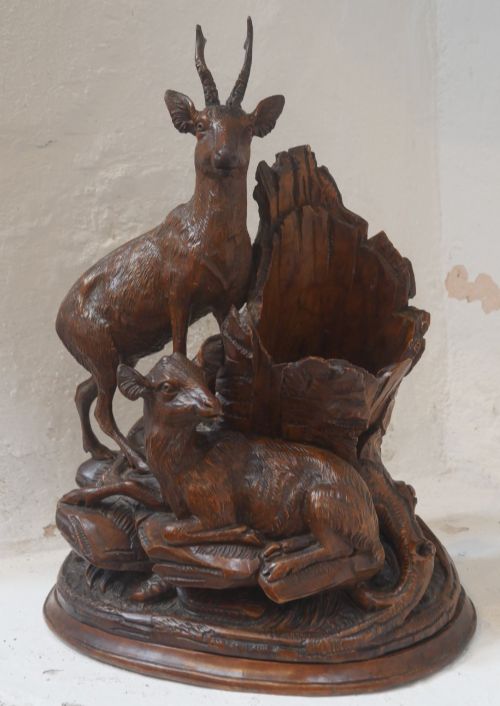
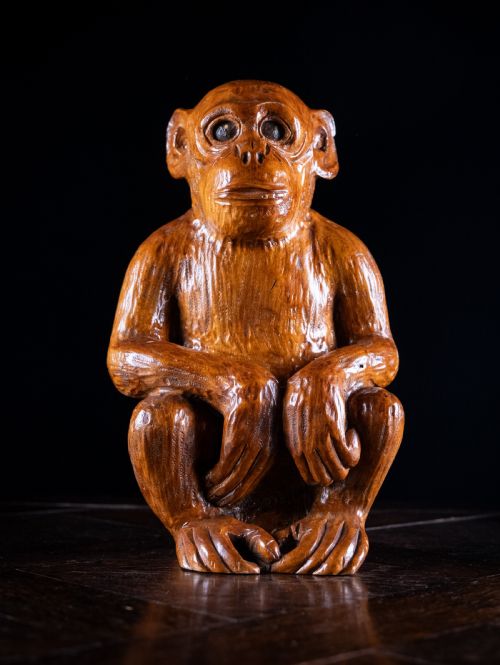
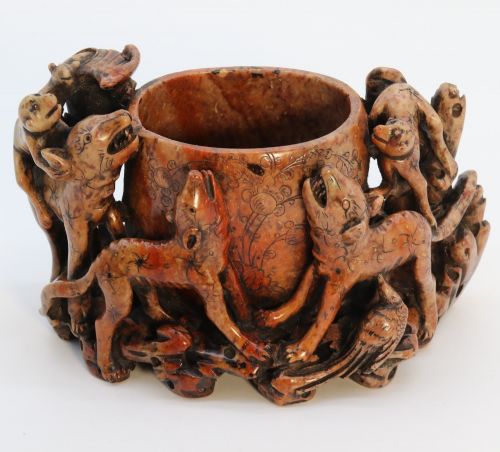
Buyers encounter subjects ranging from domestic dogs and alpine wildlife to exotic tigers, monkeys and water birds. These pieces function primarily as decorative sculptures and functional items such as bookends, snuff boxes and brush pots.
How they were made
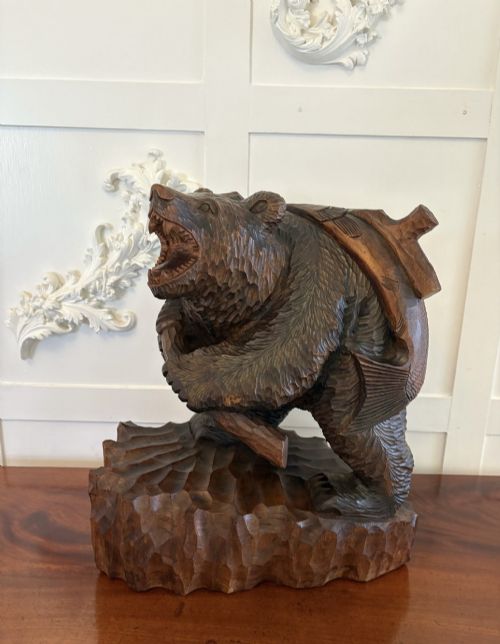
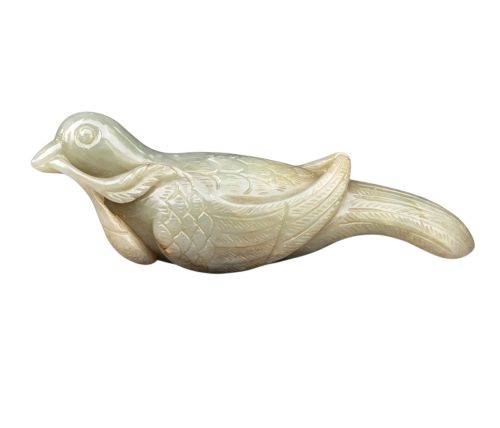
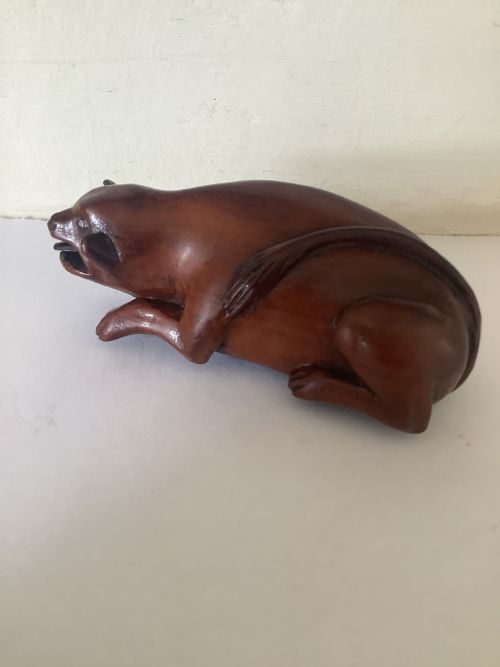
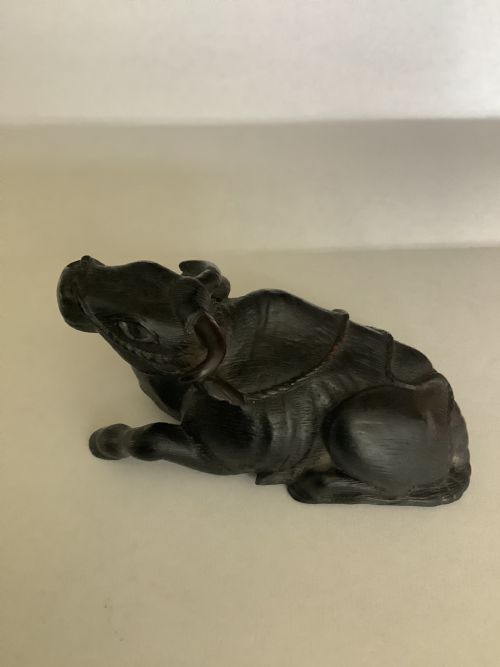
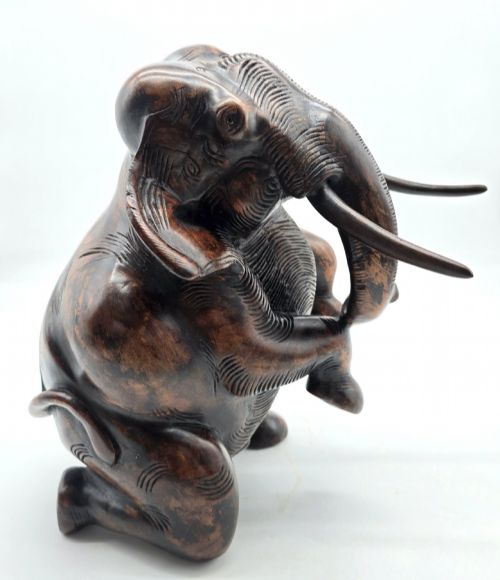
Wood serves as the primary medium, utilising linden wood, walnut, teak, ebony and general hardwood shaped through traditional hand chiselling and gouging techniques. Artisans also employed soapstone, bone, jade, porcelain and Derbyshire alabaster depending on the regional tradition.
Surface treatments vary from natural polished wood grains to painted highlights, glass eye inserts, and stud embellishments. Sculptors often combined deep relief carving with fine detailing to render realistic fur textures, feathers and anatomical proportions.
Listings feature wood, soapstone, jade, bone and Derbyshire alabaster across nineteenth and early twentieth-century periods.
What varies in quality
Quality rests upon the naturalism of the anatomy, the depth of the carving, and the expressiveness of the animal subject. Pieces executed with dynamic poses and refined surface detailing stand apart from simpler naive works.
The choice of material and the complexity of the composition influence the distinction between standard decorative items and high-end studies. Signed works and well-documented regional movements like Black Forest linden wood output demonstrate superior workshop execution.
Bright And Sons·J. Huggler
The Hand Carved Animals Glossary
- Black Forest
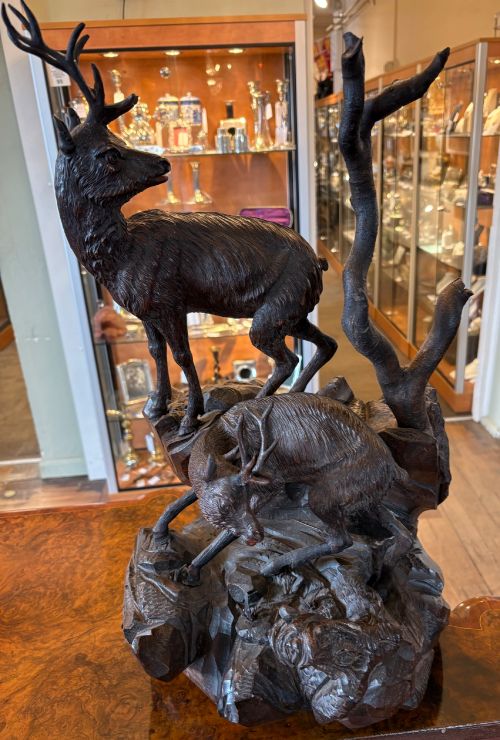
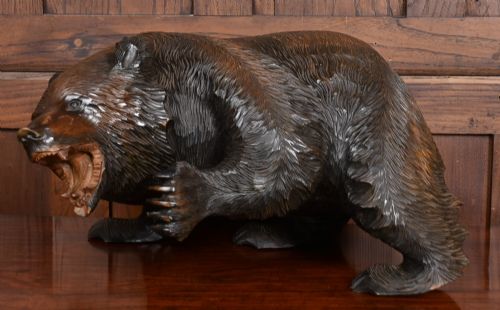
- A style of wood carving originating from the Brienz region of Switzerland, known for realistic depictions of bears, deer and owls. These pieces frequently date from the nineteenth and early twentieth centuries.
- Kibori Kuma
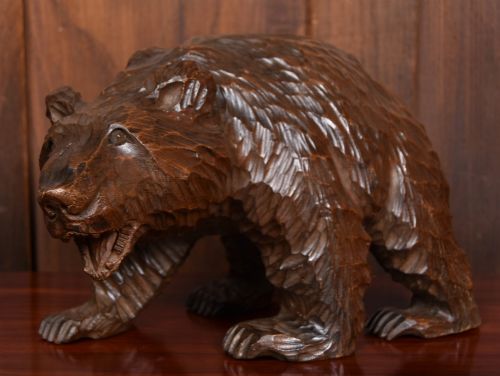
- A traditional style of Japanese hand-carved wooden bear originating from Hokkaido. These carvings often utilise linden wood and display distinctive textured chisel marks.
- Netsuke
- A small Japanese carved toggle used to secure a pouch or container to a kimono sash. They are intricately sculpted from materials such as wood and bone.
- Raj Period
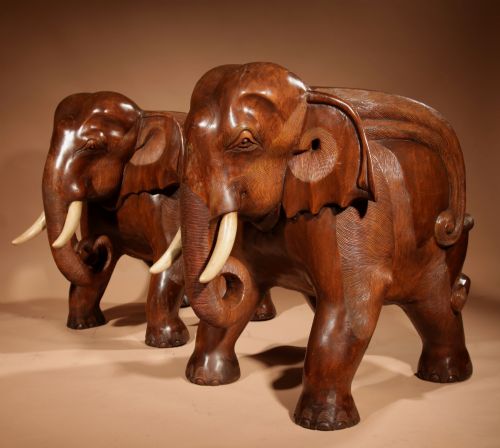
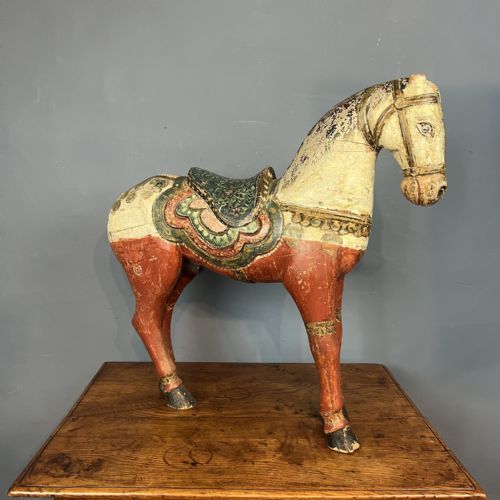
- The era of British rule in the Indian subcontinent, spanning from eighteen fifty-eight to nineteen forty-seven. Carvings from this period often depict elephants and horses in hardwood or soapstone.
- Sancai Glaze
- A three-colour glaze tradition used on Chinese pottery, prominent in green, amber and cream. It appears on ceramic animal studies such as ducks.
Hand Carved Animals: Frequently Asked Questions
How do I identify Black Forest carvings?
Black Forest carvings are typically identified by their use of European linden wood and subjects inspired by alpine wildlife, such as bears, deer and mountain goats. Many pieces incorporate realistic glass eyes and detailed fur texturing characteristic of Swiss workshops.
Items range from freestanding animal studies to functional objects like bookends, barometers and inkwells produced during the nineteenth and early twentieth centuries.
What woods were used for animal carvings?
Carvers utilised a variety of timbers depending on geographic origin, with linden wood being especially common in European Black Forest and Japanese regional production. Harder woods such as walnut, teak and ebony appear frequently in Indian Raj period elephant sculptures.
Regional preferences dictated the medium, allowing artisans to achieve either smooth polished surfaces or deeply textured anatomical details.
Are these animal sculptures signed?
Some pieces bear signature marks, carver signatures or workshop stamps, though many antique animal carvings remain unsigned. Japanese pieces like netsuke and specific European animalier studies occasionally feature artist signatures.
Unsigned works are attributed through distinct regional carving techniques, choice of materials, and stylistic markers characteristic of specific periods.
How were antique animal bookends used?
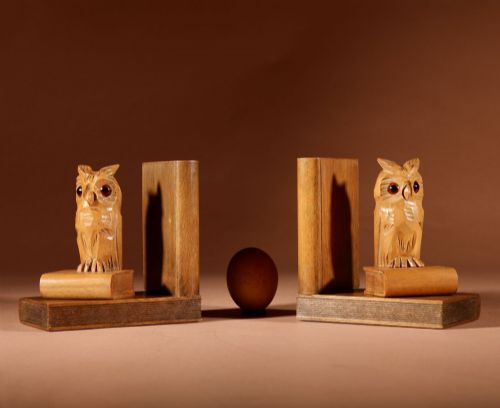
Animal bookends served a dual purpose as decorative sculptures and functional desktop accessories to support heavy volumes. Pairs featuring symmetrical or opposing animal subjects, such as owls, bears or elephants, became popular in studies and libraries.
They were predominantly carved from wood or soapstone during the late nineteenth and early twentieth centuries.