
19th Century Carving
When you explore 19th century carving, you encounter skilled handwork in wood, stone, and bone that defines the decorative arts of the period.
19th Century Carving
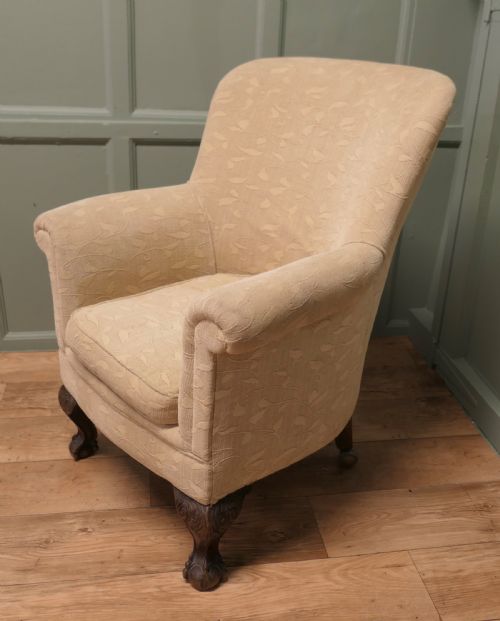
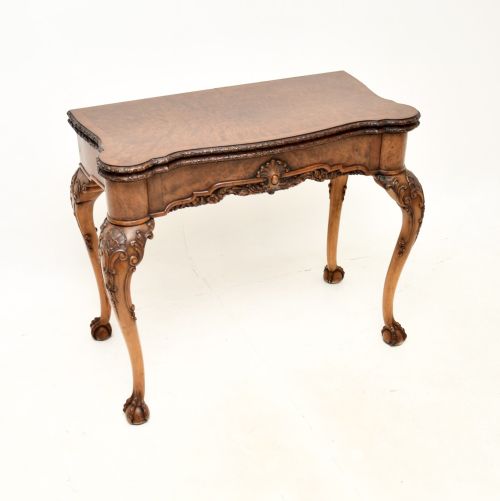
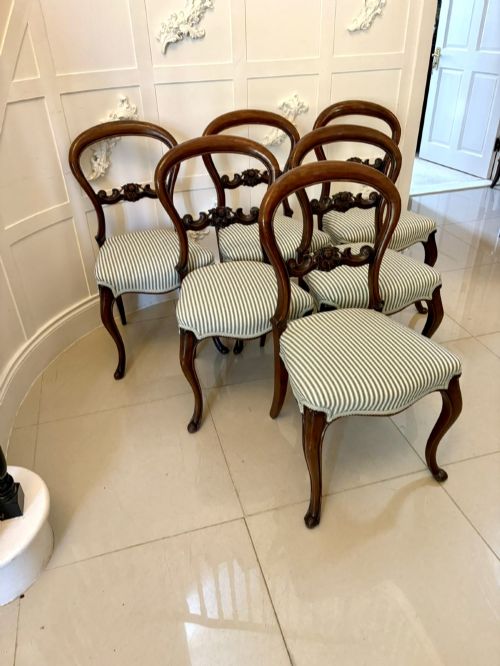
Pieces bearing the designation of 19th century carving span functional furniture, decorative wall elements, and standalone sculptural figures produced across Europe and Asia. You will regularly encounter architectural details like oak corbels and pew ends alongside domestic items such as occasional tables, mirror frames, and dining chairs.
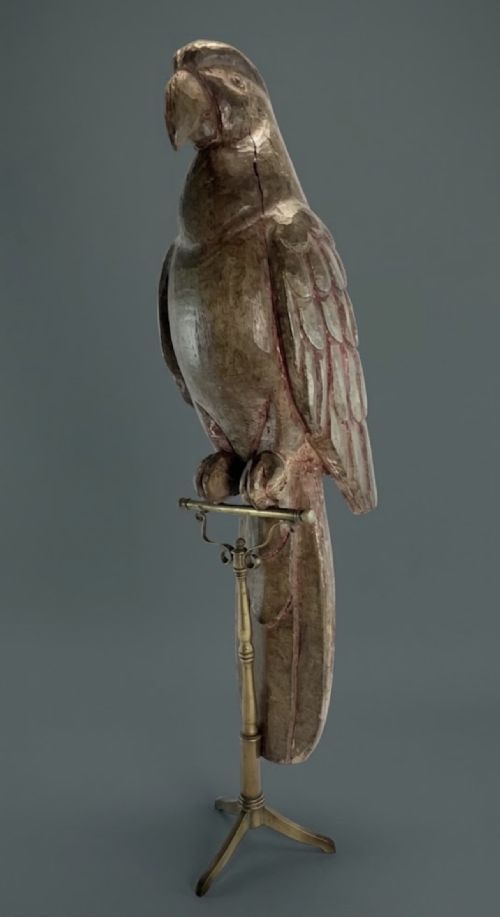
The selection ranges from European Black Forest animal studies and ecclesiastical panels to intricate Chinese jade and soapstone figures. Walnut, oak, and mahogany form the structural base for the larger furniture and architectural fragments seen in these listings.
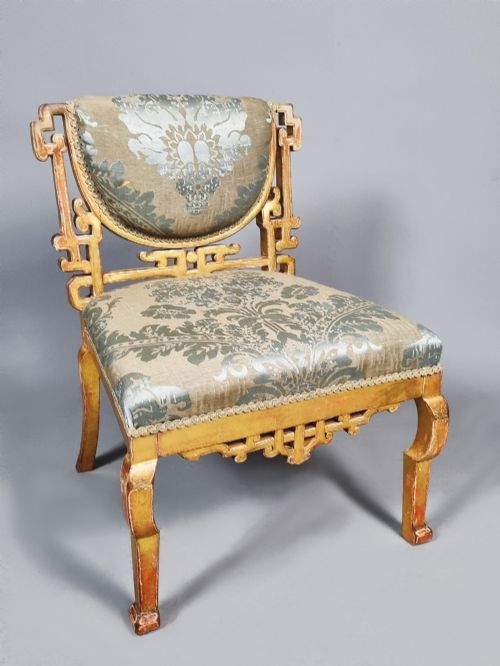
Makers and workshops across different regions applied distinct regional motifs, from French Rococo Revival scrollwork to British Gothic Revival tracery and oriental hard stone carving. This broad category serves collectors seeking both utilitarian objects with detailed ornamentation and discrete decorative sculptures.
Materials and construction methods
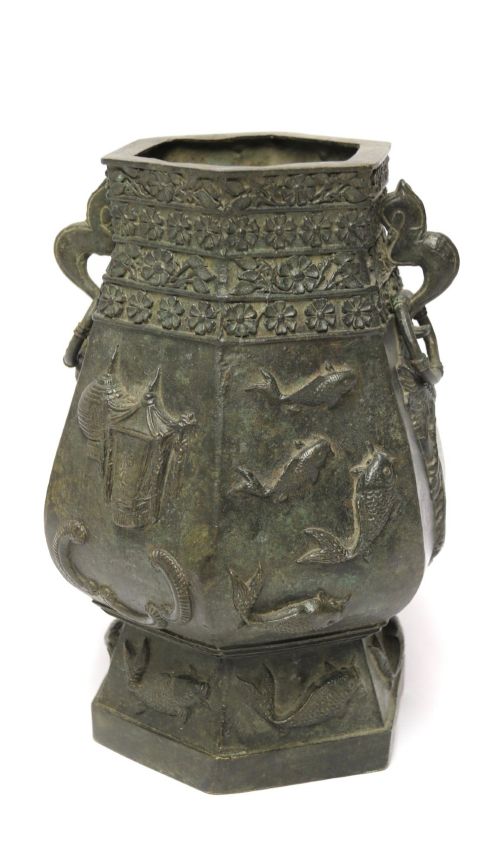
Cabinetmakers and sculptors utilised traditional hand tools to shape dense timbers like mahogany, walnut, oak, and burr birch into complex relief panels and sculptural forms. Artisans also worked with alternative media including serpentine marble, bronze, soapstone, jade, and boxwood to achieve varied textures and finishes.
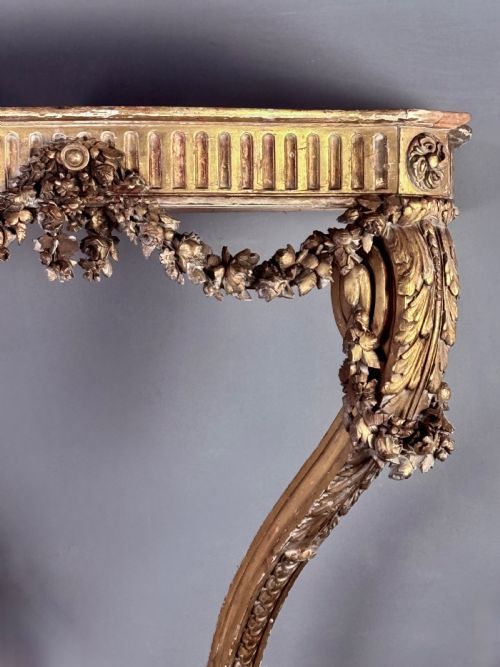
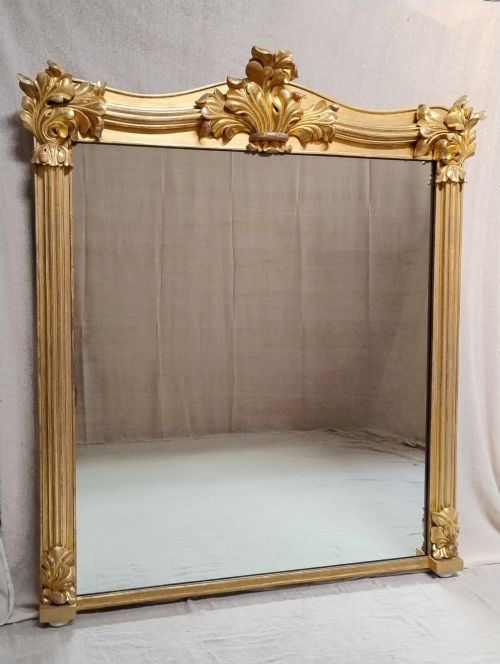
Gilding techniques, involving the application of gold leaf over gesso and wood grounds, frequently highlighted architectural mirror frames and console tables. Joinery methods relied on mortise and tenon construction for stability, while smaller decorative items were carved from solid blocks of wood or stone.
Listings feature woods spanning mahogany, rosewood, burr walnut, and padouk, alongside bronze, marble, and jade.
Factors influencing quality
Depth of relief and sharpness of undercut details distinguish superior workmanship from more commercial production. Carvings exhibiting crisp anatomical accuracy in figures or fluid symmetry in scrollwork reflect the hand of a master artisan rather than routine workshop output.
The choice of material heavily influences the calibre of the piece, with choice burr woods, unblemished jade, and well-seasoned oak commanding attention. Integration between the carved ornamentation and the underlying structure also dictates the overall success of the object.
Felix-Alfred Ternisien·Waugh & Son
The 19th Century Carving Glossary
- Corbel
- A projecting bracket carved from stone or timber to support a weight above. These architectural elements often feature grotesque masks or lion heads.
- Gesso
- A plaster-like mixture applied to wood surfaces as a preparation for gilding. It allows for crisp, intricate surface moulding beneath gold leaf.
- Netsuke
- A small carved toggle traditionally used in Japan to secure a pouch or purse to a kimono sash. Boxwood and ivory served as common materials.
- Scrimshaw
- Bone or whale ivory engraved with detailed maritime scenes using sharp tools and dark pigment. Whalers produced these decorative items during long sea voyages.
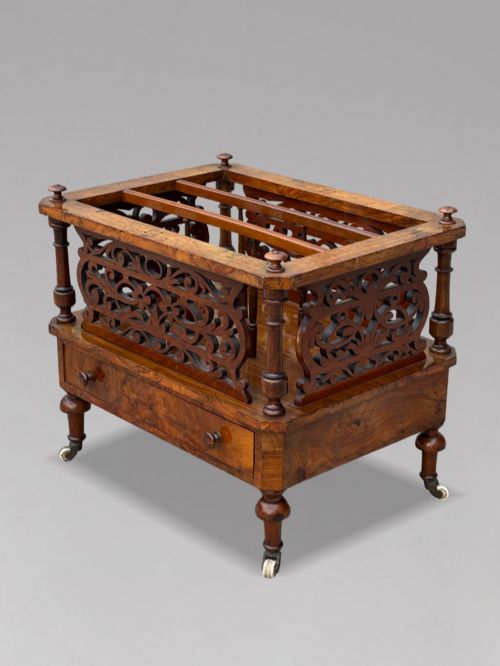
- Canterbury
- A low wooden stand fitted with partitions for holding sheet music or books. These pieces frequently incorporate turned legs and delicate pierced woodwork.
19th Century Carving: Frequently Asked Questions
How do I identify Black Forest carvings?
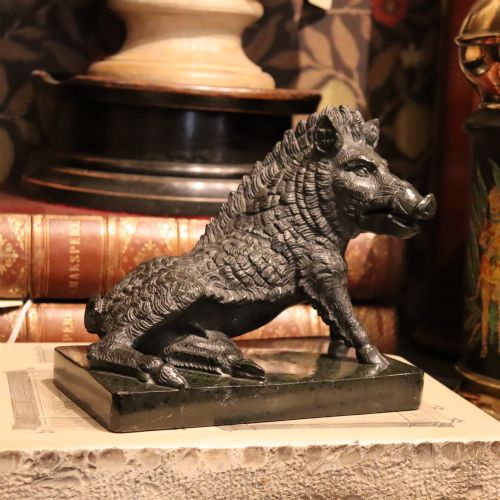
Black Forest pieces are typically rendered in linden wood or walnut and depict regional wildlife such as bears, boars, and ibexes in naturalistic poses. The work often displays a high degree of fur and muscle texturing produced by Swiss and German carvers.
These items range from small desk accessories to large hall benches and architectural pediments. Look for deep undercutting and expressive glass eyes in the animal subjects.
What distinguishes Gothic Revival carved furniture?
Gothic Revival furniture incorporates architectural motifs derived from medieval churches, including pointed arches, quatrefoils, and poppy head finials. Oak is the primary medium for these substantial, robustly built pieces.
Makers utilised deep relief carving to depict mythological creatures, Green Man masks, and heraldic symbols. This style gained significant popularity during the Victorian era.
How should I care for antique carved wood?
Maintain stable humidity levels in your home to prevent the timber from drying out, cracking, or warping over time. Keep carved items away from direct sunlight and heat sources.
Dust the intricate recesses regularly with a soft, dry brush to prevent dirt accumulation. Avoid applying modern silicone-based polishes to antique wood surfaces.
Are Chinese carvings from this period signed?
Certain pieces, such as boxwood netsuke or specific jade and soapstone sculptures, bear artist signatures or imperial reign marks. These inscriptions are usually incised discreetly into the base or side of the object.
Unsigned works remain common, particularly among utilitarian vessels and village scenes. Evaluation relies primarily on the quality of the stone and the refinement of the knife work.