

Hand Carved Animal Sculpture
These hand carved animal sculpture pieces capture bears, elephants and big cats in wood, bone and stone across the nineteenth and early twentieth centuries.
Hand Carved Animal Sculpture
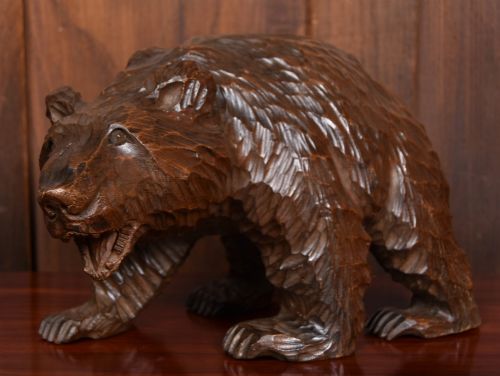
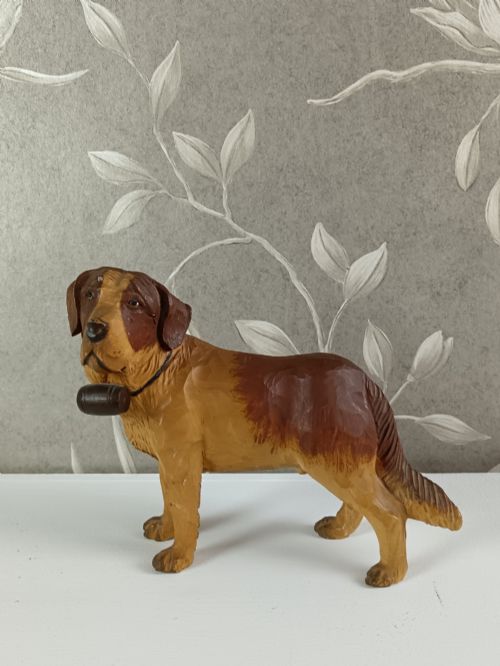
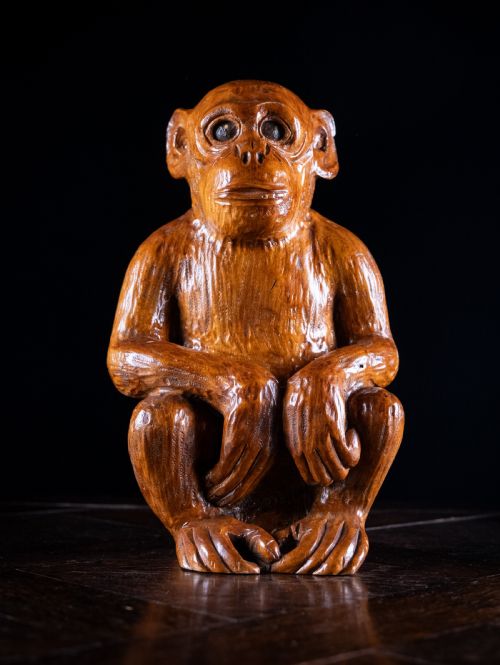
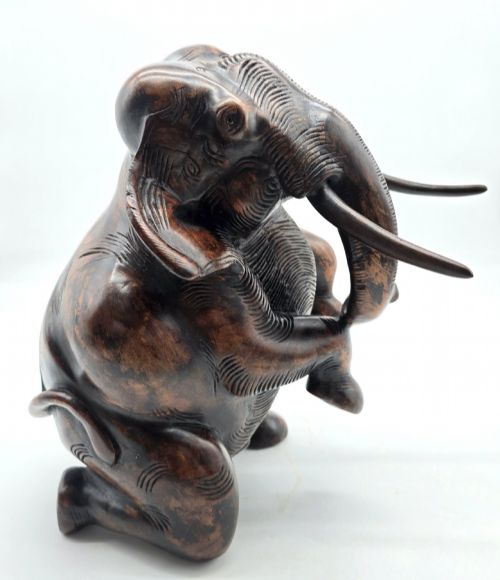
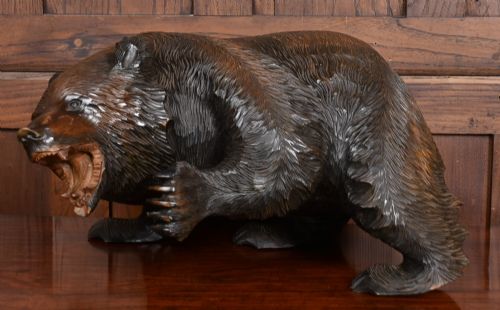
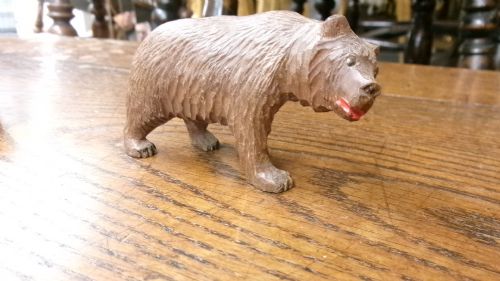
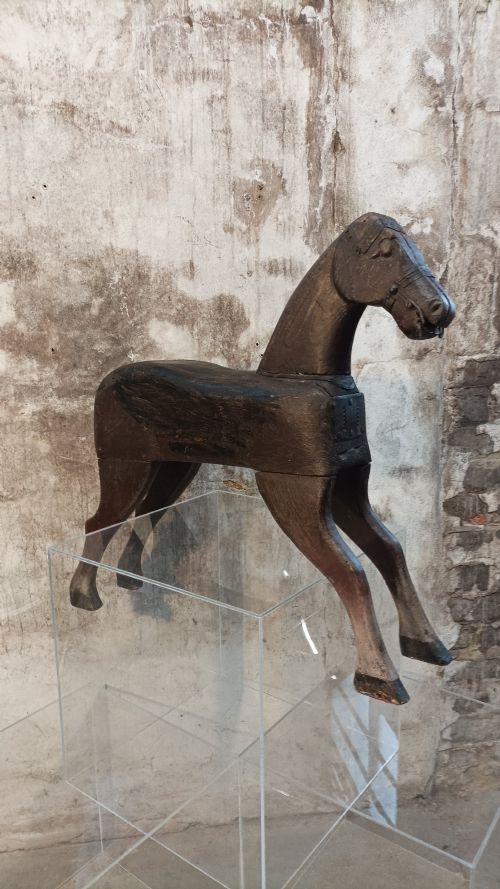
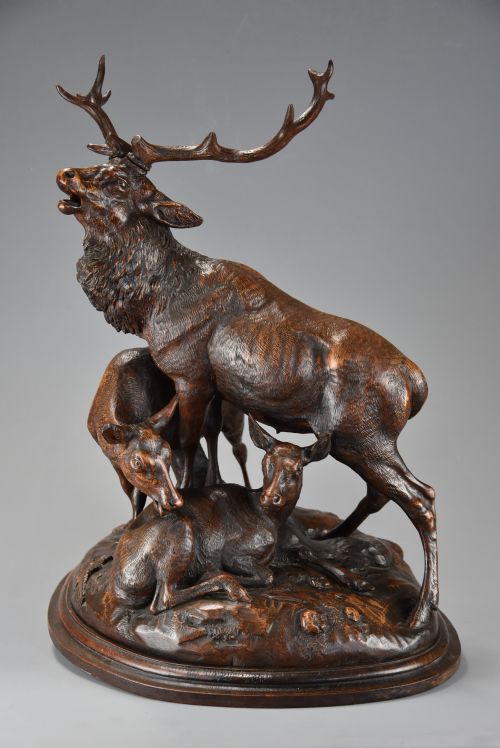
A hand carved animal sculpture brings physical weight and carved texture into a room, taking the form of bears, elephants, dogs, horses and big cats. These figures arrive from diverse origins, including European mountain workshops, Japanese carvers, and British colonial India.
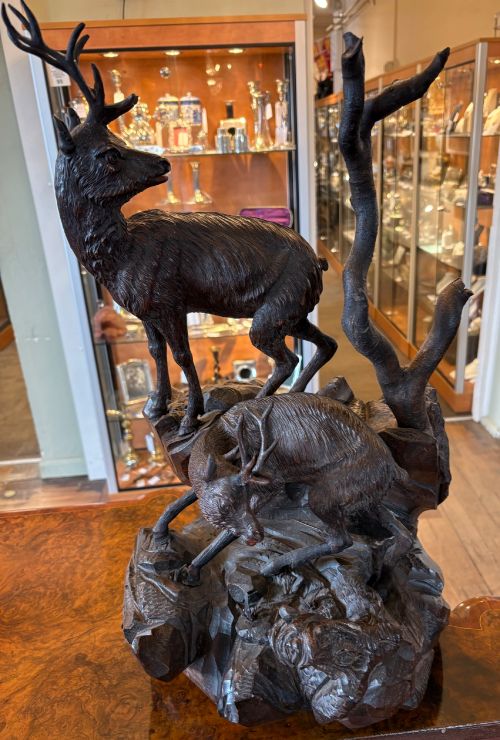
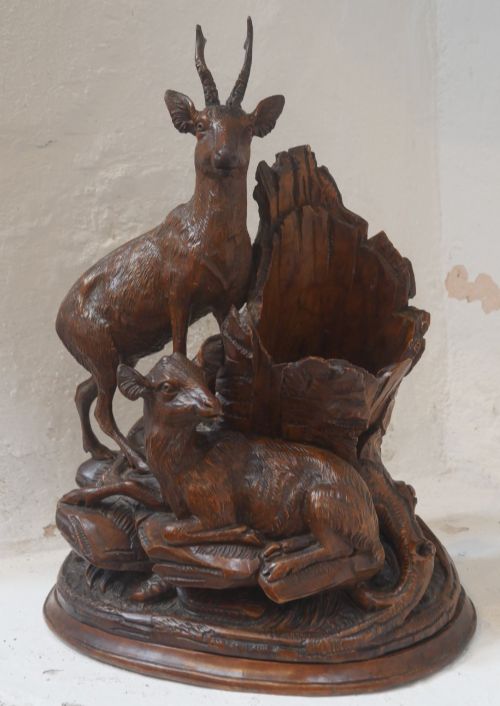
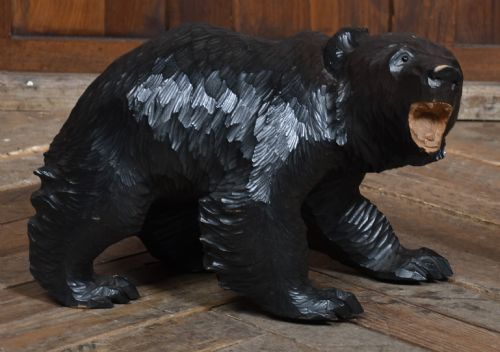
The most common examples on this page are nineteenth-century Black Forest linden wood bears, Anglo-Indian hardwood elephants, and Japanese folk art carvings. Each regional tradition brings specific fauna, from Alpine stags and chamois to Asian water buffaloes and tigers.
Forms range from freestanding studies and bookends to wall masks and carousel figures. Collectors encounter everything from naive painted wooden toys to finely detailed studies signed by period carvers.
Materials and methods
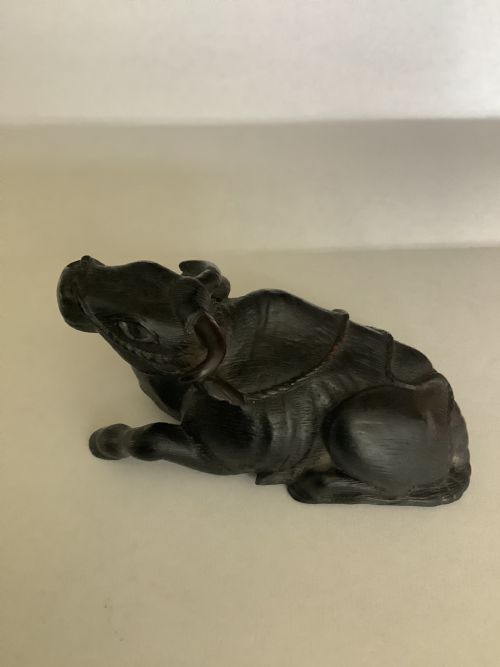
Carvers shaped these animals primarily from regional timbers such as linden wood, walnut, limewood, teak, ebony and hardwood. European pieces often rely on pale linden wood for crisp detail, while Indian and African works utilise dense, dark hardwoods or soapstone.
Makers finished their sculptures using hand tools like gouges and chisels to render fur, hides and feathers. Many surfaces retain traces of paint, polychrome glaze, or natural wax polish, while smaller details sometimes incorporate glass studs or inset bone.
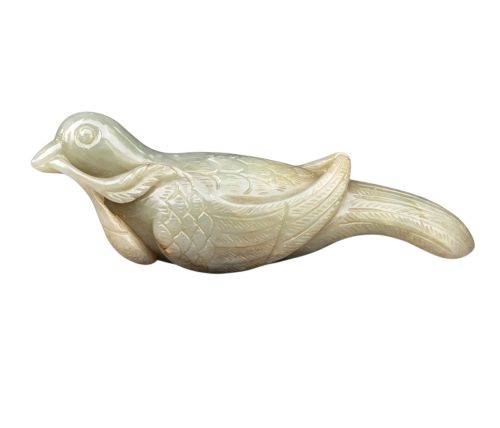
Listings feature eighteenth to twentieth-century animal carvings in carved wood, hardwood, soapstone, bone, jade and alabaster.
Separating the ordinary from the exceptional
Quality rests upon anatomical observation and the confidence of the carver's hand. Superior pieces capture tension in muscle and posture, whereas lesser works remain stiff and symmetrical.
The handling of surface texture distinguishes fine workshops from tourist souvenirs. Deep undercut fur, expressive glass or carved eyes, and fluid movement elevate a study above mechanical replication.
Bright And Sons·J. Huggler
The Hand Carved Animal Sculpture Glossary
- Black Forest
- A style of wood carving originating from the mountainous region of Central Europe, famous for bears, deer and woodland fauna. These pieces often utilise linden wood.
- Raj Period
- The period of British rule in the Indian subcontinent, producing hardwood elephant and tiger carvings for export and colonial homes. Woods such as teak and ebony predominate.
- Netsuke
- A small Japanese carved toggle used to secure a pouch or container to a kimono sash. They display intricate miniature carving across various animal subjects.
- Limewood
- A pale, fine-grained timber favored by European carvers for its lack of prominent grain and ease of intricate shaping. It patinates richly with age and handling.
Hand Carved Animal Sculpture: Frequently Asked Questions
How do I identify Black Forest carvings?
Black Forest carvings typically depict bears, dogs or stags rendered in linden wood with a dark wax finish. They often originate from Swiss or German mountain workshops during the nineteenth century.
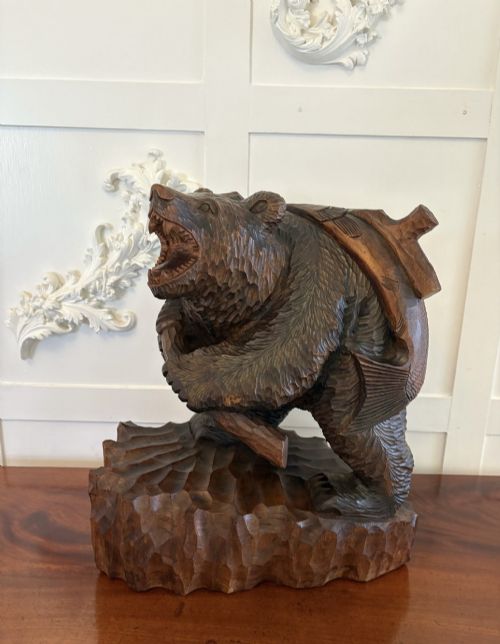
Look for naturalistic poses, inset glass eyes, and characteristic regional subjects like bears carrying fish or climbing tree trunks.
What is Raj period carving?
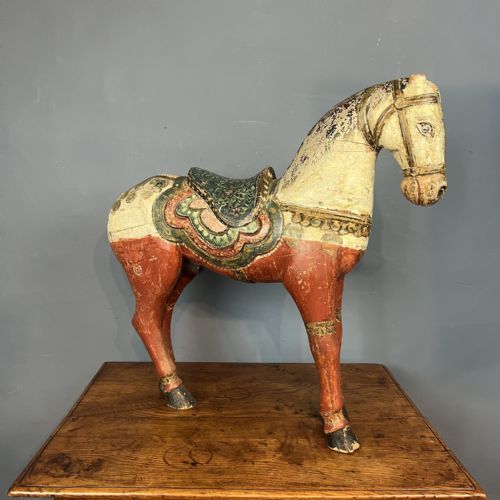
Raj period carvings are wooden animal sculptures produced in India during British administration. They frequently represent elephants, horses and big cats carved from dense tropical hardwoods.
These pieces often feature caparisons, ceremonial saddles, or mahouts, reflecting South Asian traditions and colonial interest.
How should I clean wooden animal sculptures?
Dust these carvings gently with a soft, dry brush to prevent dirt accumulation in carved fur and crevices. Avoid water, damp cloths, and modern chemical sprays which can damage aged wood and historic finishes.
Occasional application of microcrystalline wax helps protect dry timber surfaces without darkening the patina.
Are these sculptures signed by makers?
Most antique animal carvings remain unsigned, as they were produced as decorative items in regional workshops or folk art traditions. A small proportion feature signatures, monograms or workshop stamps.
Signatures are most frequently found on Japanese netsuke or specific European studio pieces, though unmarked examples can display equal sculptural merit.