



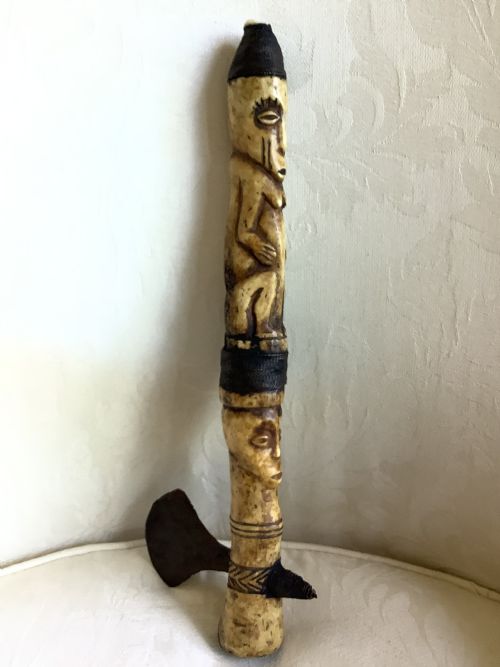


Hand Carved African Sculpture
Hand carved african sculpture encompasses traditional figures, masks and functional objects shaped from dense woods and bone across several regional styles.
Hand Carved African Sculpture
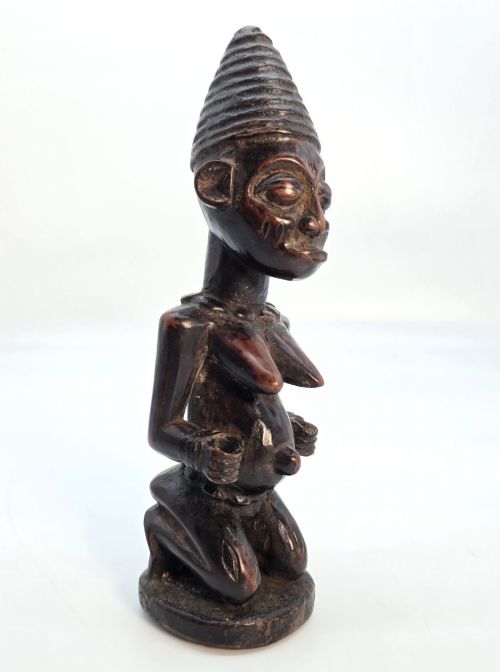
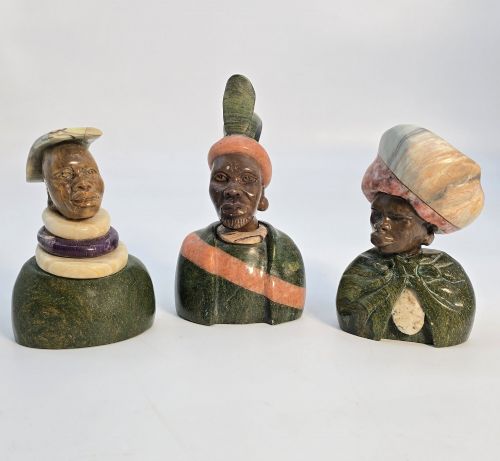
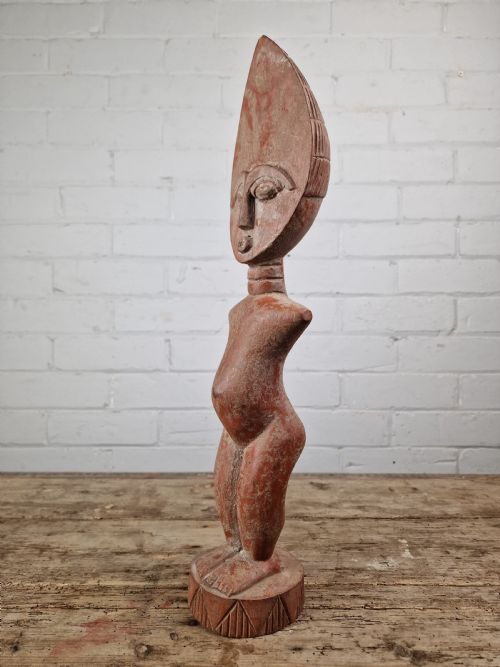
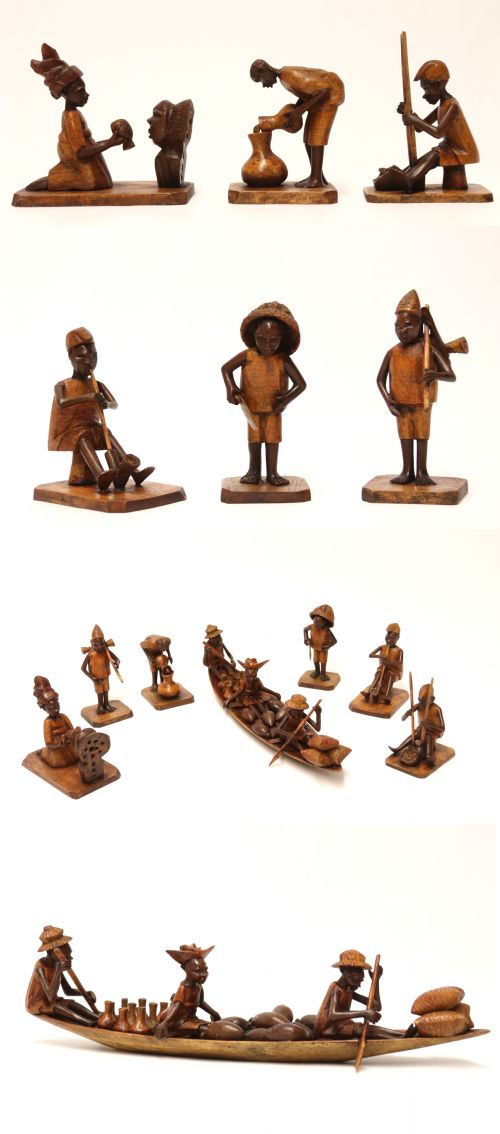
When you search for hand carved african sculpture, you encounter a diverse range of objects originating from various regions and tribes, spanning the nineteenth and twentieth centuries. The selection includes ceremonial figures, masks, marriage panels and utilitarian items shaped by specific cultural traditions.
Fertility figures, tribal masks and portrait busts appear frequently alongside larger ceremonial beds and tables. These works reflect the distinct artistic practices of groups such as the Fante, Baule, Dogon, Bamileke and Yoruba.
How they were made
The application of natural patinas through handling and age distinguishes the older examples from mid-century works. Construction methods range from single-block carvings to multi-part ceremonial objects.
Object forms range from figurative sculptures and ceremonial masks to functional furniture and slingshots.
What varies in quality
Proportion and balance dictate the strength of a sculpture, particularly within figurative studies and tribal masks. The condition of the wood surface and the integrity of the natural patina further influence the standing of an individual piece.
The Hand Carved African Sculpture Glossary
- Hardwood
- Dense timber derived from broad-leaved trees, providing a durable medium for detailed sculptural work. This material resists wear and holds fine chisel marks effectively.
- Patina
- The surface sheen and coloration developed through handling, ageing and environmental exposure over decades. A genuine patina indicates considerable age and regular use.
- Ceremonial object
- An item utilised in ritual practices, community gatherings or rites of passage rather than everyday domestic life. Such pieces often carry symbolic motifs specific to the makers.
Hand Carved African Sculpture: Frequently Asked Questions
How old are these sculptures typically?
The available pieces span from the late nineteenth century through to the mid-twentieth century, with several examples dating from the Edwardian era and the nineteen-twenties.
Dating relies on stylistic markers, wood shrinkage, surface wear and the nature of the applied patina rather than definitive documentation.
What materials were used by the carvers?
Carvers predominantly selected dense hardwoods and native woods suited to intricate detail work. Some items incorporate bone inlays or surface pigments.
The choice of material often reflects the local environment and the specific functional requirements of the object.
How do I identify different tribal styles?
Tribal styles display distinct regional characteristics in facial structure, body proportions and decorative motifs. Pieces associated with the Yoruba, Dogon or Baule maintain recognizable aesthetic traditions.
Studying the specific form of eyes, hair-styles and scarification marks helps attribute pieces to particular regions.
Were these objects used daily or for ritual?
Many items served specific ritual, ceremonial or status-marking functions within their communities, ranging from fertility figures to tribal masks. Other objects, such as spoons, headrests and furniture, fulfilled practical domestic roles.
The presence of ritual wear or ceremonial patination often distinguishes sacred objects from utilitarian items.