



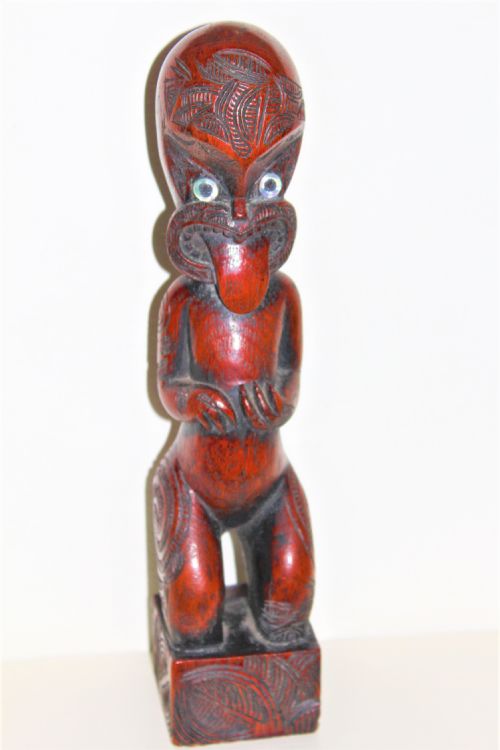

Indigenous Carved Wood Art
These pieces of indigenous carved wood art bring traditional global craftsmanship and ritual form directly into your collection.
Indigenous Carved Wood Art
When you search for indigenous carved wood art, you find ethnographic objects, sculptures, and utilitarian items originating from communities across Africa, Oceania, the Americas, and Australia. These pieces span the nineteenth century and the early twentieth century, reflecting distinct cultural traditions and functional uses.
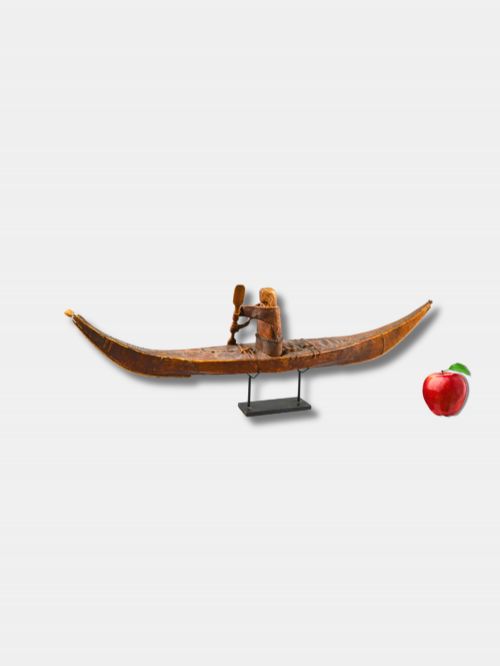
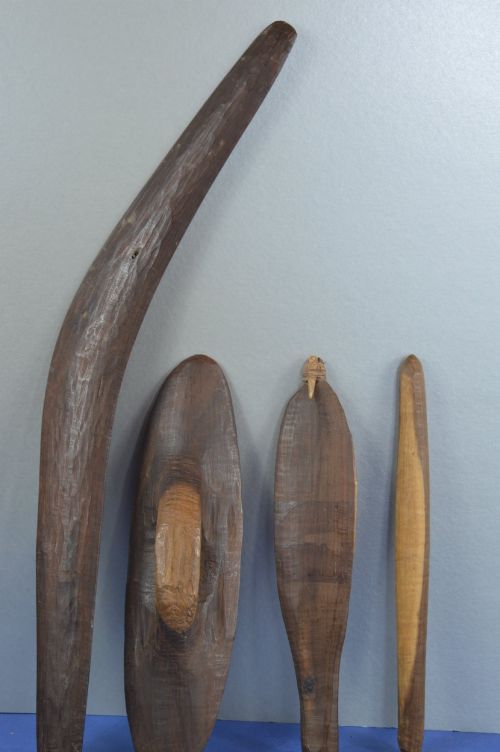
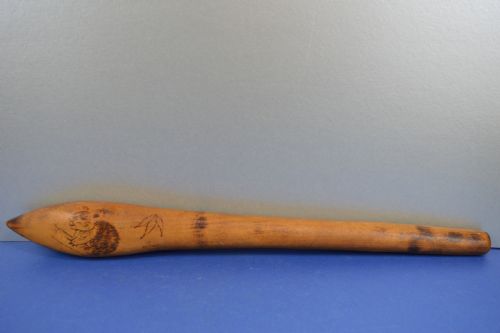
The most common forms on this page include throwing clubs, war clubs, woomeras, and figural sculptures fashioned from dense timbers. You also encounter specialised items like hanging bowls, bookends, and model kayaks incorporating bone, plant fibre, and tanned seal skin.
Geographic origins dictate the aesthetic and purpose of each object, ranging from Australian Aboriginal and Oceanic tribal works to Southern African and West African artefacts. Every piece carries the specific regional style and carving methods of its makers.
Materials and construction techniques
Artisans relied on native hardwoods, shaping dense timber using traditional hand tools to create durable weapons, vessels, and figures. These woods were often polished through handling and friction, developing a deep, organic patina over decades of use.
Makers integrated auxiliary materials such as bone, plant fibre, natural resin, and tanned seal skin to complete functional components or decorative bindings. Such mixed-media construction appears particularly in intricate items like model kayaks and hunting sets.
Listings feature hardwood, bone, and plant fibre across nineteenth-century and early twentieth-century periods.
Factors that distinguish individual examples
The degree of sculptural finesse and ceremonial authenticity separates standard functional gear from masterworks of tribal art. Finely proportioned figures and deeply incised club heads demonstrate superior command of the medium.
Condition and the preservation of original integrated elements, such as fibre bindings or bone inlays, influence the integrity of the object. Pieces retaining clear regional attribution and documented provenance command greater attention from serious collectors.
Abegunde of Ede·V . Ramirez
The Indigenous Carved Wood Art Glossary
- Nulla-nulla
- A traditional Australian Aboriginal heavy wooden club used for hunting or close combat. These clubs typically feature a rounded or bulbous head.
- Knobkerrie
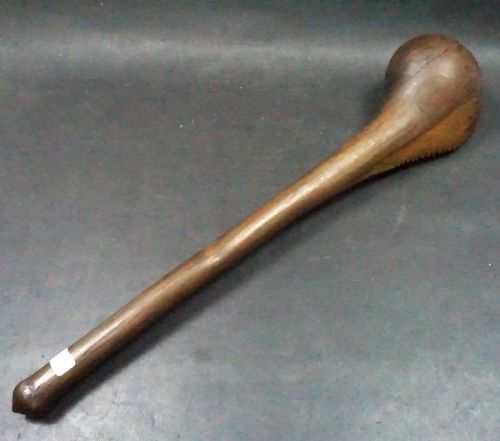
- A traditional Southern African wooden club characterised by a heavy knob at the end of the shaft. They served as both functional weaponry and symbols of status.
- Ibeji
- A wooden figure carved by the Yoruba people of Nigeria to represent a deceased twin. These figures frequently display distinct scarification marks and stylized coiffures.
- Patina
- The surface sheen and colour developed on wood through age, handling, and environmental exposure. A natural patina indicates historical use rather than modern intervention.
Indigenous Carved Wood Art: Frequently Asked Questions
How are tribal clubs dated?
Dating relies on stylistic analysis, tool marks left by traditional implements, and the natural ageing of the hardwood. Collectors also examine the depth and character of the surface patina.
Documentation and recorded provenance help narrow down the period of creation to specific decades within the nineteenth and early twentieth centuries.
What woods were used in these carvings?
Carvers selected dense, durable native timbers suited to the intended function of the object, whether for ceremonial figures or combat clubs. These heavy hardwoods resisted splitting and took a smooth finish.
Makers often utilised whatever local timber species provided the necessary strength and grain structure for ritual or utilitarian tasks.
How should I display these wooden artefacts?
Display these pieces in stable environments away from direct sunlight and sudden humidity fluctuations to protect the ancient wood and integrated organic materials. Custom mounts provide secure support without altering the objects.
Allowing sufficient space around each sculpture or club highlights its sculptural form and tribal context within a room.
What is the difference between an Australian woomera and a club?
A woomera functions primarily as a spear-throwing lever, featuring a narrow wooden board with a peg at one end and a grip at the other. Some designs also double as carrying trays.
A club is a solid striking weapon designed for combat or hunting, lacking the specific propulsion hook found on spear throwers.