
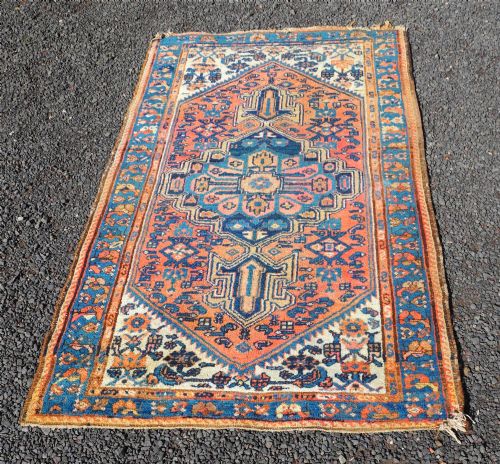
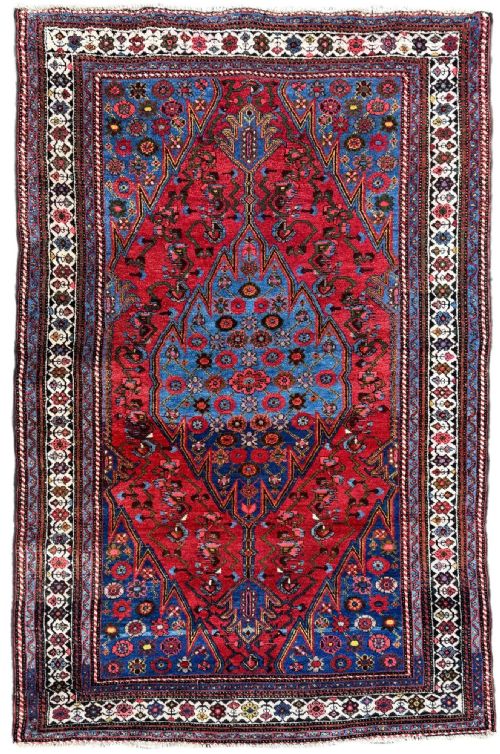
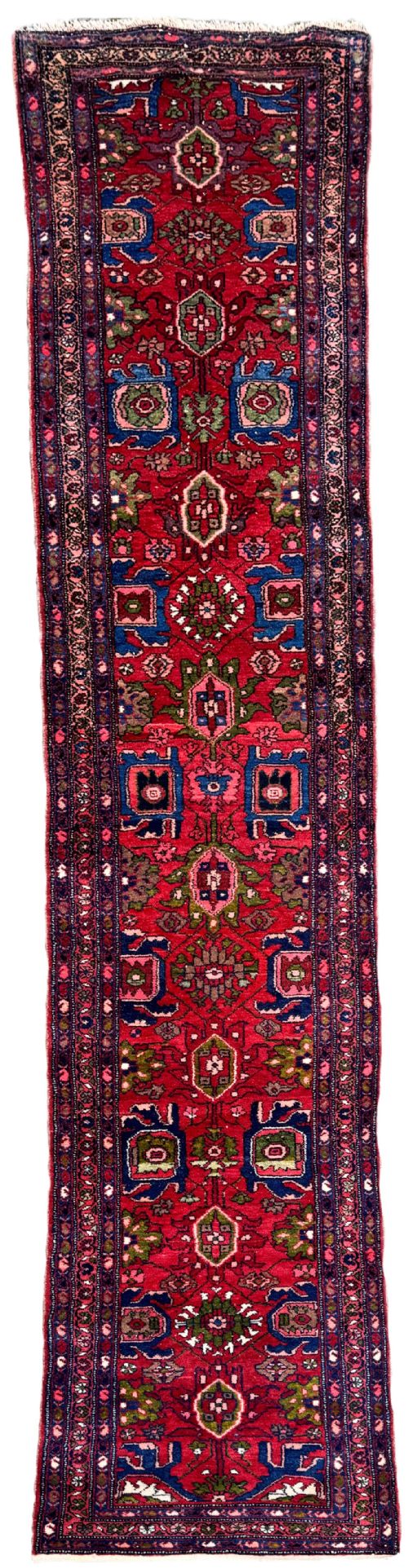
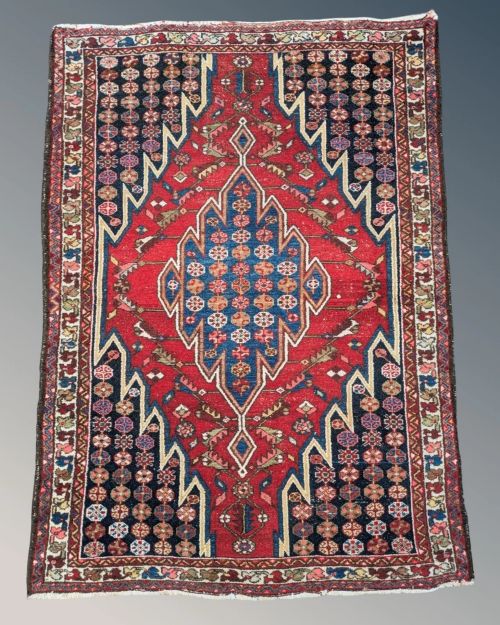
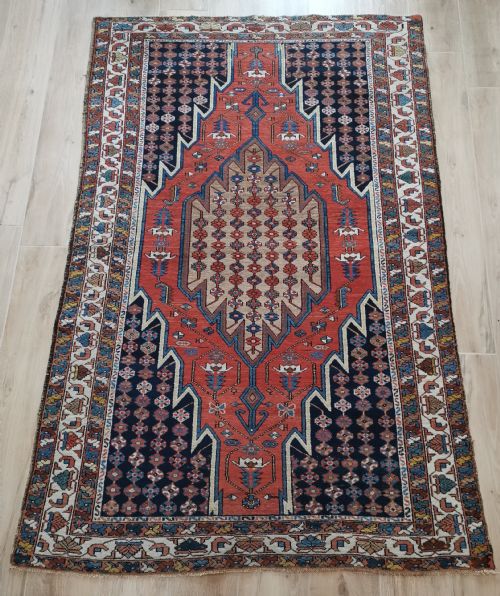
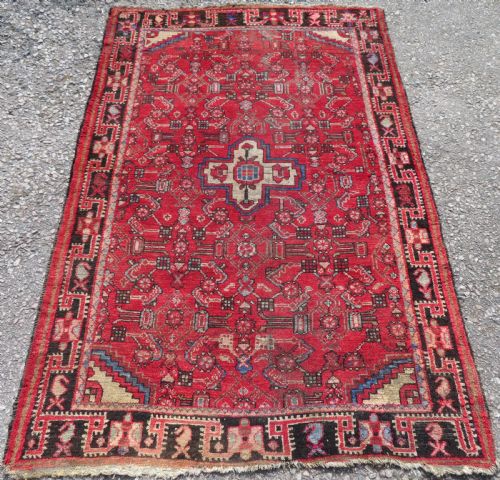
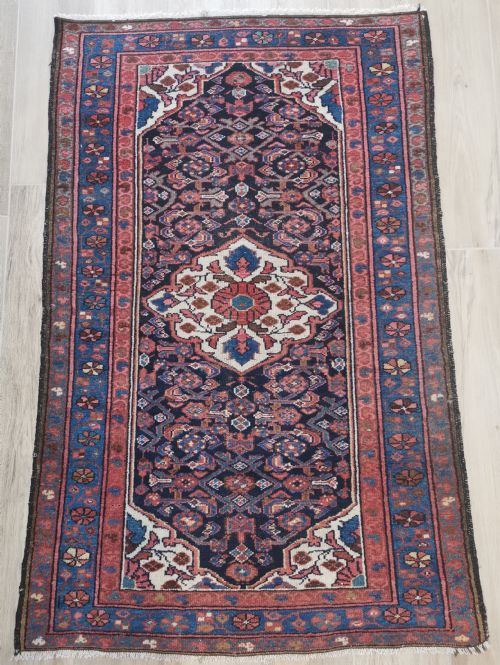
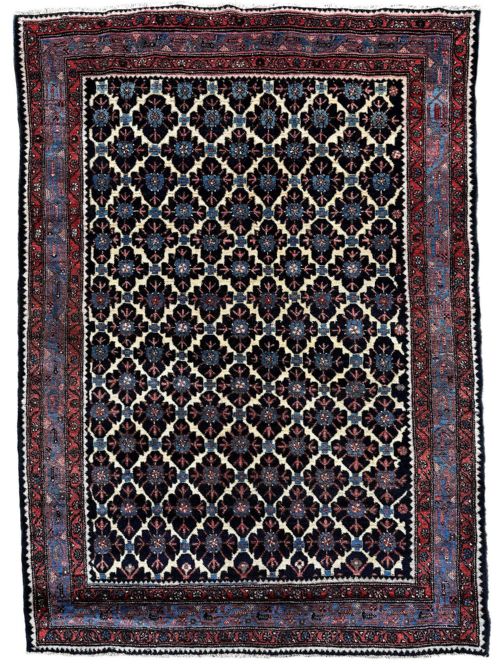
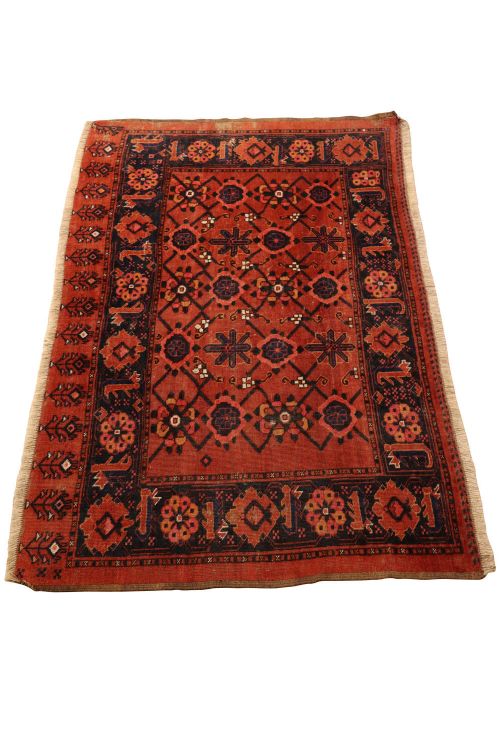


Hamadan Tribal Carpet
These hamadan tribal carpet pieces bring enduring Persian village craft into modern interiors through authentic hand-knotted wool.
Hamadan Tribal Carpet
A hamadan tribal carpet represents the rich weaving heritage of the Hamadan region and surrounding West Persian villages, produced across the late nineteenth and early twentieth centuries. These floor coverings range from compact area rugs to long hallway runners and large kelleh formats.
Makers include Kurdish and village weavers working in regional centres such as Mazlaghan, Malayer, and Borodjert, resulting in diverse traditional designs. Buyers encounter formats suited to specific architectural spaces, from narrow corridors to principal reception rooms.
How they were made
These textiles rely on hand-knotted construction using durable wool pile supported by cotton foundations, ensuring longevity under regular foot traffic. Weavers utilised traditional looms within village and tribal settings, applying natural dyes that aged with distinct character.
The structure varies from dense village weaves to finer regional variations, reflecting the specific techniques of Kurdish and Persian artisans in the Hamadan region.
Listings span production dates from the 1870s through the 1940s, utilising wool pile on cotton foundations.
What varies in quality
Quality in a hamadan tribal carpet lies in the consistency of the hand-knotting, the integrity of the wool pile, and the precision of the traditional geometric or floral lattice design. Pieces with thicker piles and well-preserved borders demonstrate superior structural preservation.
The distinction between standard village production and finer regional examples rests on the tightness of the weave and the clarity of the West Persian motifs.
The Hamadan Tribal Carpet Glossary
- Runner
- A long, narrow carpet format designed specifically for hallways, corridors, and stairs. These pieces balance length with restricted width to fit transitional architectural spaces.
- Kelleh
- A large-sized rectangular carpet format traditional to Persian weaving. These substantial rugs were traditionally positioned alongside larger central carpets in domestic interiors.
- Hand-knotted
- A construction method where individual tufts of wool are tied by hand onto a cotton warp and weft foundation. This technique provides exceptional durability and structural flexibility.
- Pile
- The vertical or diagonal nap formed by the cut ends of the knotted wool yarn. A thick pile provides cushioning and insulative properties.
Hamadan Tribal Carpet: Frequently Asked Questions
Where were these carpets made?
These textiles originate from the Hamadan region and surrounding West Persian villages, including output from Kurdish weavers and workshops in Malayer and Mazlaghan.
Production took place across rural communities where traditional knotting techniques passed down through generations.
How do I choose the right runner size?
Measure your hallway or corridor carefully, leaving a border of exposed flooring around the edges of the carpet. Consider doorways and clearance space to ensure doors open freely over the pile.
Longer runners work well in extended corridors, while narrower formats suit compact entrance halls.
How should I care for an antique wool rug?
Vacuum gently using a suction-only attachment without the rotating brush bar to protect the wool pile. Professional cleaning is recommended for deep maintenance.
Positioning the rug away from direct, prolonged sunlight helps preserve the natural dyes.
What is a village rug?
A village rug is produced independently by domestic weavers rather than in centralized urban manufactories. These pieces feature spontaneous local designs and traditional motifs.
The regional character reflects the specific cultural traditions of the makers.