

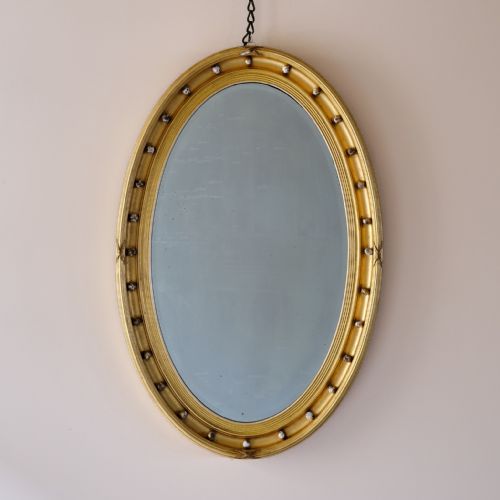

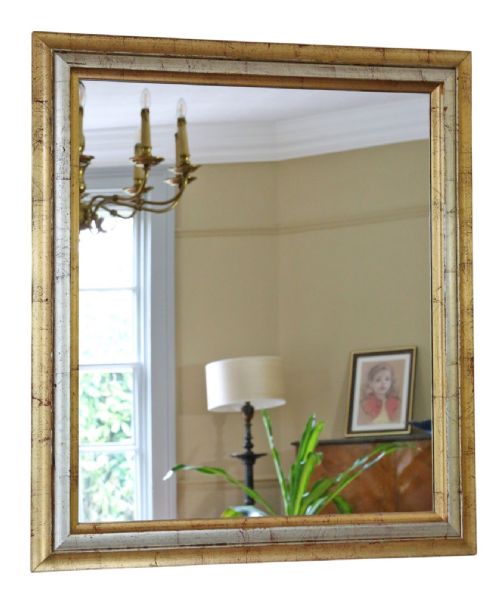


Hallway Gilt Hanging Mirror
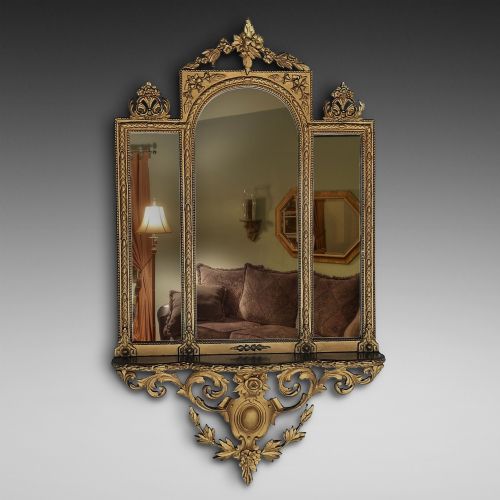
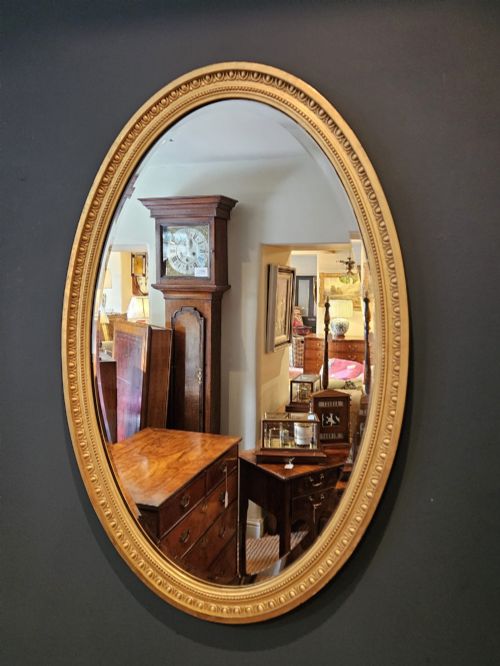
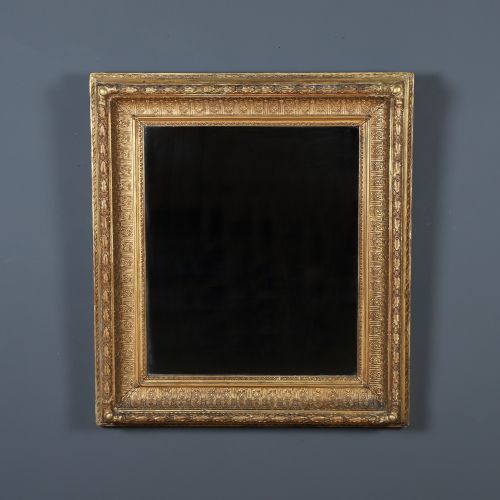
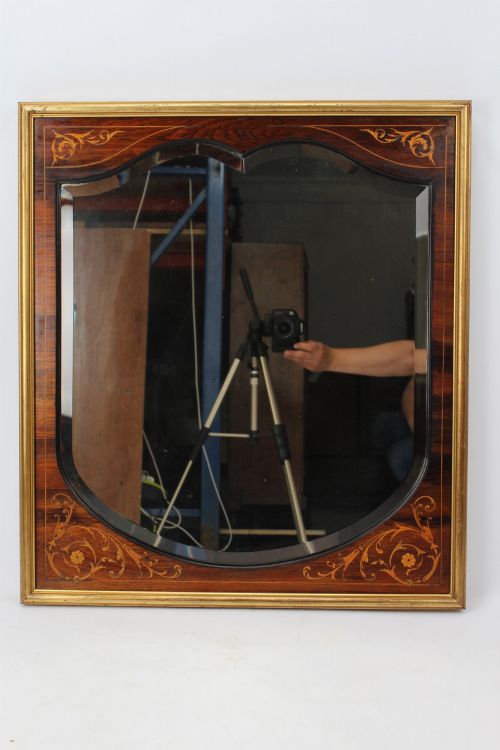
A hallway gilt hanging mirror brings warmth and reflected light to an entrance, and the pieces seen here range from Georgian walnut to Victorian oval gesso designs.
Hallway Gilt Hanging Mirror
A hallway gilt hanging mirror is a wall-mounted glass panel framed in gilded wood, plaster, or composition, designed to hang in narrow spaces. When searching for a hallway gilt hanging mirror, buyers encounter numerous Victorian and Regency examples alongside earlier Georgian walnut and mahogany forms.
The selection includes oval, shield-shaped, and arched top designs intended for vertical wall mounting in entrance halls and landings. Victorian Rococo Revival and Regency revival styles appear frequently across the current stock.
Most items date from the nineteenth century, though earlier eighteenth-century wall mirrors and early twentieth-century Edwardian pieces also emerge. These mirrors function primarily to brighten compact circulation spaces while adding period character.
How they were made
Frames are constructed from woods such as pine, walnut, rosewood, and mahogany, serving as the substrate for decorative enrichment. Artisans applied layers of gesso and composition over carved or turned wooden foundations to create ornate mouldings and relief details.
Gilding was achieved using gold leaf or metallic powders applied to the prepared gesso surfaces, often burnished to create contrasting matte and bright areas. Mirror glass was silvered and fitted into the rebated frames, sometimes retaining original blemishes and foxing.
Many of these mirrors spent generations reflecting hallway umbrella stands and hurried departures before finding new homes.
What varies in quality
Quality rests in the crispness of the gesso moulding and the depth of the hand-carved detail in the wooden elements. Superior examples display refined proportions and delicate gilding work rather than heavy, indistinct cast composition ornament.
The integrity of the frame construction and the preservation of the original gold leaf finish distinguish finer specimens from later repainted surfaces. Original mirror glass with age-appropriate silver degradation also elevates the character of a piece.
The Hallway Gilt Hanging Mirror Glossary
- Gesso
- A plaster-like mixture applied to wood frames to provide a smooth surface for gilding. It is often modelled or carved into intricate decorative motifs.
- Giltwood
- Timber that has been covered with gold leaf or powder. This material defines the bright reflective surfaces of traditional mirror frames.
- Composition
- A moulded paste of whiting, resin, glue, and linseed oil pressed into shape and applied to wooden frames. It offers a quicker alternative to hand carving.
- Pier mirror
- A tall, narrow mirror traditionally hung on the pier or wall space between windows. These pieces often adapt well to narrow hallway placement.
- Overmantle mirror
- A large mirror designed to hang above a fireplace mantelpiece. Many examples are subsequently adapted or repurposed for hallway use.
Hallway Gilt Hanging Mirror: Frequently Asked Questions
How do I hang a heavy gilt mirror safely?
These heavy frames require fixing directly into wall studs or using heavy-duty masonry anchors suited to the weight of wood and plaster.
Ensure the hanging wire or integrated brackets on the back of the frame are secure before mounting at eye level.
Can I clean the original mirror glass?
Use a soft, dry microfibre cloth to remove dust from the glass and frame without disturbing delicate gilt surfaces.
Avoid harsh chemical sprays that might seep behind the glass plate or damage historic silvering and composition mouldings.
Are these mirrors suitable for small hallways?
Compact oval and shield-shaped mirrors fit narrow walls while bouncing natural light into dim entrance spaces.
Proportion the mirror size to the available wall width to maintain a balanced look in a tight corridor.
How do I tell a Regency mirror from a Victorian one?
Regency frames often display neoclassical motifs, ball-bearing friezes, and convex circular plates influenced by earlier classical designs.
Victorian pieces tend towards heavier revival styles, including Rococo curves, ornate gesso cartouches, and oval formats.