

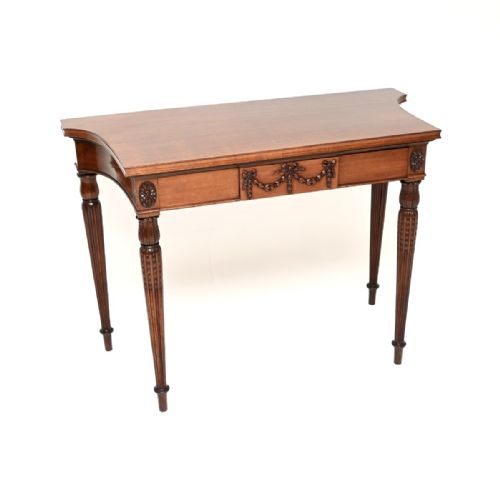
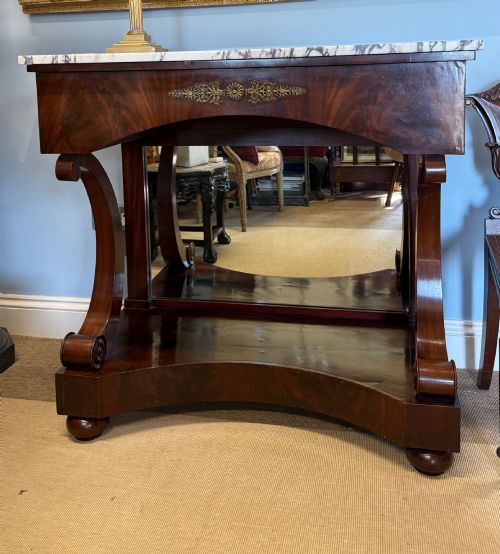
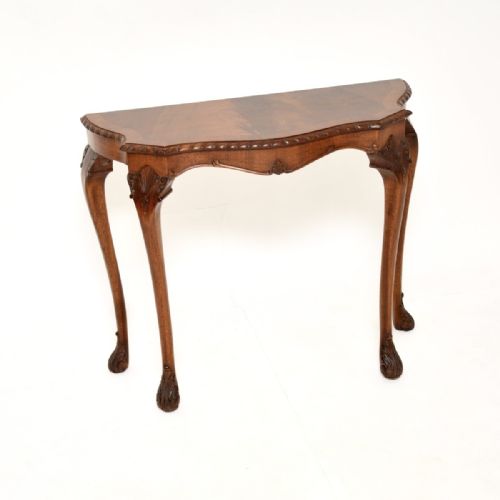
Hallway Entry Table
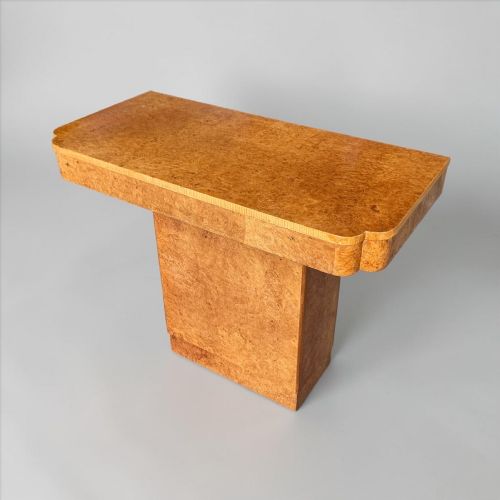
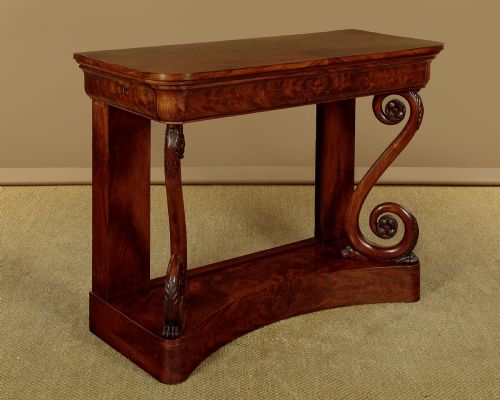
A hallway entry table sets the tone for a home, offering a functional surface that ranges from sleek Art Deco designs to substantial nineteenth-century mahogany consoles.
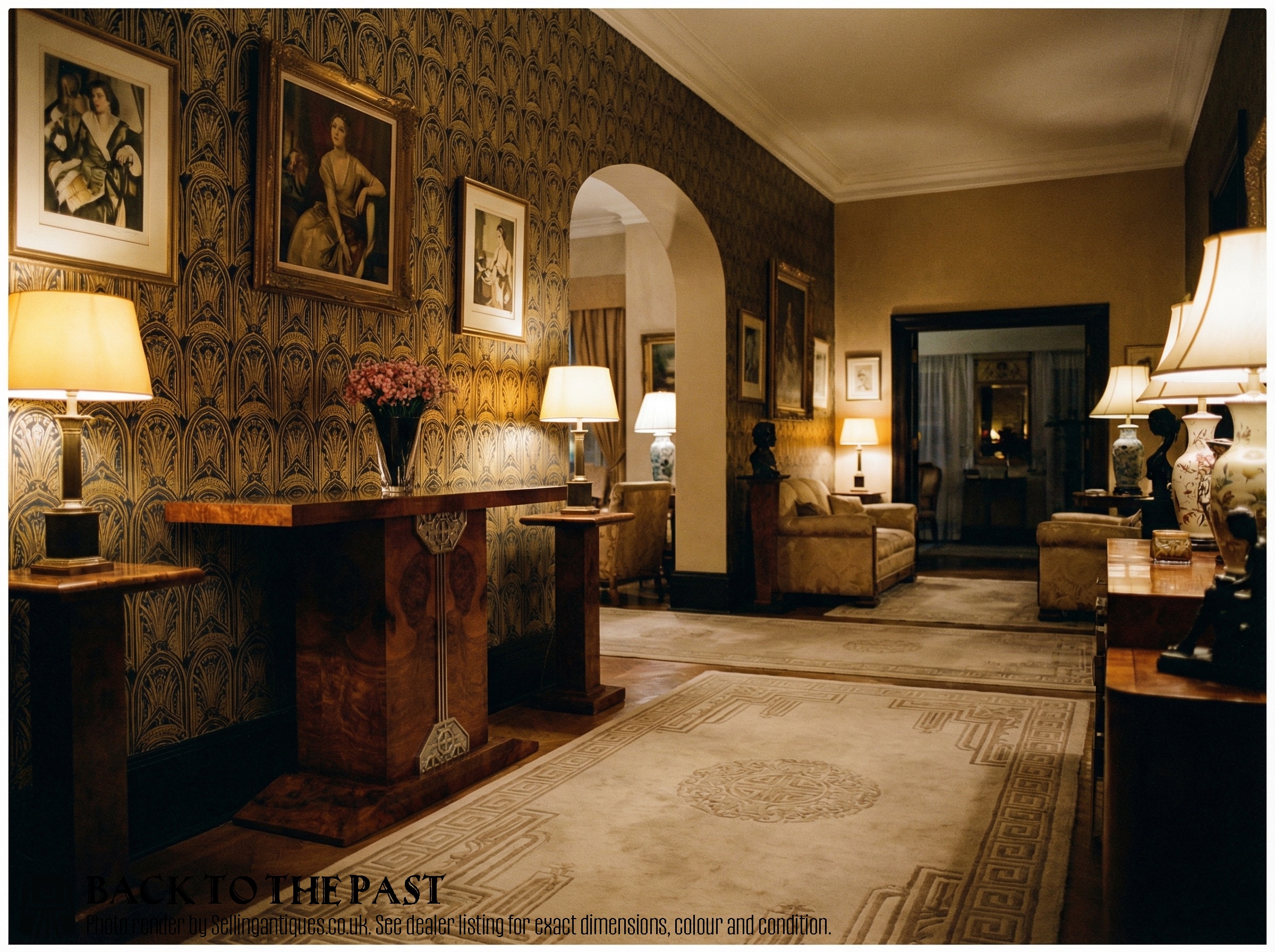
Hallway Entry Table
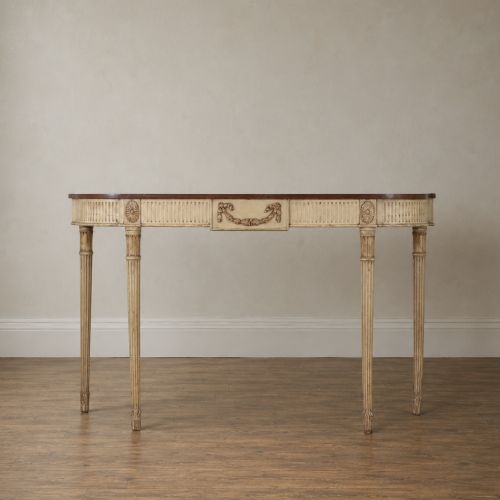
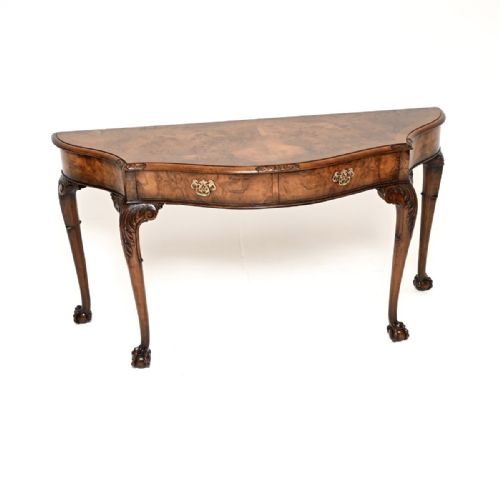
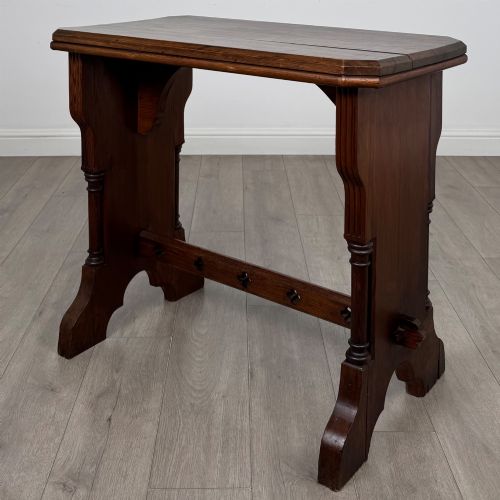
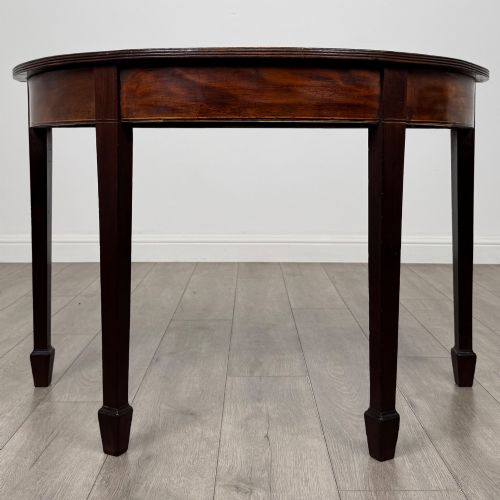
A hallway entry table serves as the primary focal point when entering a home, combining practical surface space with distinct period character. When searching for a hallway entry table, buyers encounter a diverse selection of console tables, side tables, and hall stands spanning multiple centuries and design movements.
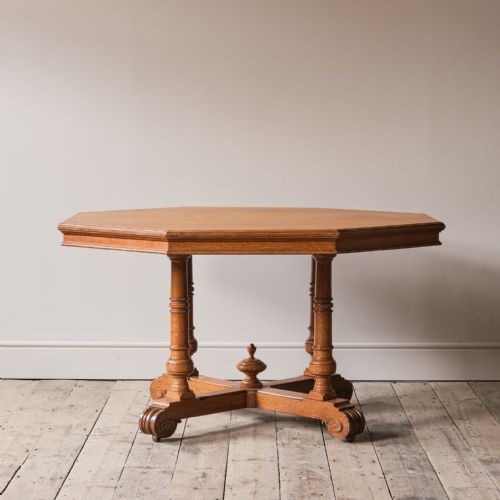
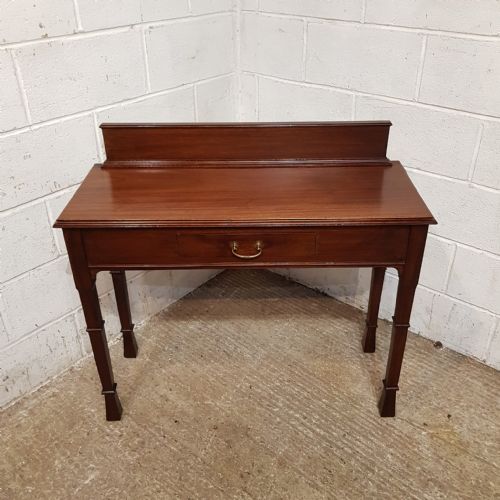
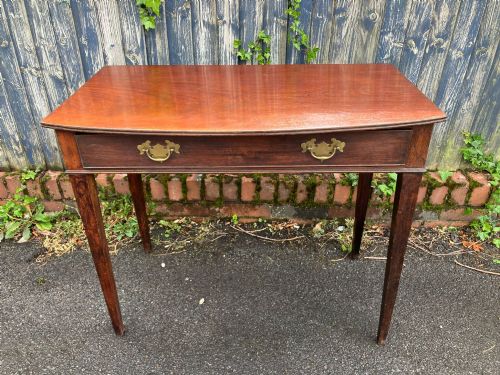
The pieces available on this page draw heavily from nineteenth-century craftsmanship, alongside Edwardian, Georgian, and Art Deco periods. Mahogany, oak, and walnut predominate, often paired with marble tops, glass, or brass details to create welcoming proportions for narrow spaces.
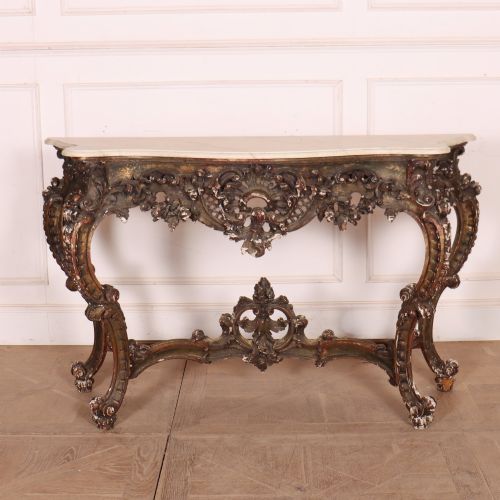
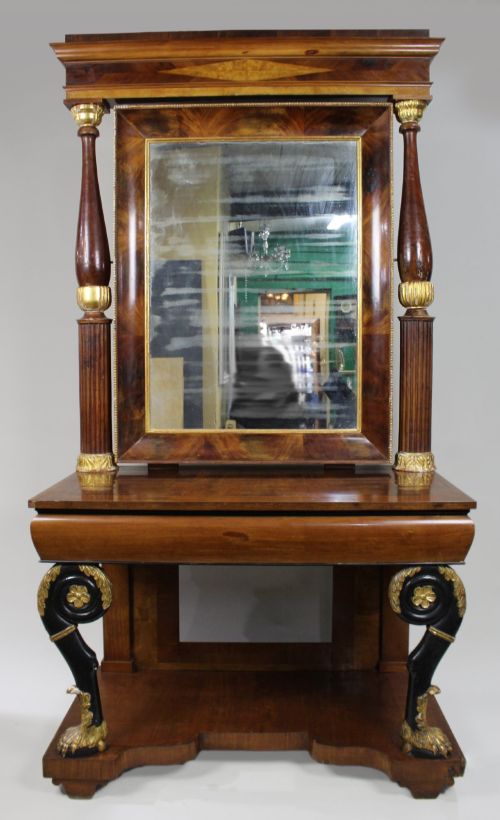
Makers and designers working in revivalist traditions also feature strongly, producing Queen Anne, Sheraton, and French Rococo styles that suit traditional and contemporary interiors alike. Whether opting for a simple demi-lune pine table or an elaborate console with an integrated pier mirror, each form provides a dedicated spot for daily essentials.
Materials and construction methods
Cabinet makers relied on dense hardwoods such as mahogany, rosewood, and oak to construct stable frames capable of supporting heavy marble or timber tops. Figured veneers, particularly burr walnut, added rich surface patterns to drawer fronts and tabletops during the Victorian and Art Deco eras.
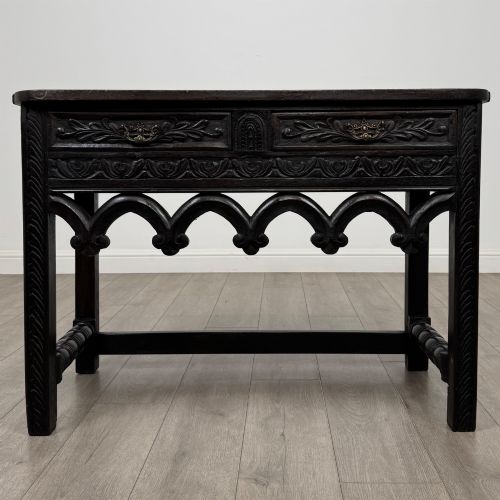
Joinery techniques ranged from traditional hand-cut dovetails in drawer construction to turned barley twist supports and intricate hand-carved ornamentation in Gothic and French styles. Secondary materials like brass handles, cast iron bases, and parcel gilt accents provided functional durability and decorative contrast.
Listings feature mahogany as the most common timber, alongside oak, walnut, and occasional rosewood.
Distinguishing quality across periods
Quality in a hallway entry table often rests on the selection of timber and the precision of the cabinet work, particularly where veneers meet solid frames. Pieces featuring highly figured burr walnut or carefully matched mahogany grains stand apart from simpler utility tables.
The refinement of carved details, the integrity of original marble slabs, and the smoothness of drawer operation distinguish high-end commissions from standard workshop production. Furthermore, surviving original finishes and intact mirror backs on console combinations preserve the authentic character that collectors prize.
Hille·Fortnum and Mason·Druce and Co
The Hallway Entry Table Glossary
- Console table
- A table designed to stand against a wall, frequently fixed or supported by front legs and secured with wall brackets. These tables are particularly suited for narrow entryways.
- Demi-lune
- A half-moon shape used for tabletops and commodes. This curved profile allows the furniture to sit flush against a wall while saving floor space.
- Pier mirror
- A tall looking-glass designed to hang in the wall space between windows or directly above a console table. They often match the timber and decorative style of the table below.
- Parcel gilt
- A surface decoration technique where specific carved details or mouldings are partially gilded with gold leaf. This highlights architectural elements against a dark wood background.
- Dresser base
- A low wooden storage unit featuring drawers and cupboards beneath a wide surface. In hallway settings, these robust pieces function effectively as deep console tables.
Hallway Entry Table: Frequently Asked Questions
Where should I place a hallway entry table?
These tables belong in entrance halls, corridors, and reception spaces where surface space is needed for keys, post, or decorative items. Their shallow depth allows them to sit against walls without obstructing pathways.
Matching the scale of the table to the width of the hallway ensures proper clearance and maintains a balanced visual arrangement upon entering the home.
How do I identify a Victorian hallway table?
Victorian examples frequently utilise dark dense timbers like mahogany and rosewood, often featuring turned legs, heavy mouldings, or rich carvings. The period embraced various revivals, meaning Gothic and French Rococo influences appear alongside standard functional designs.
Examining the construction methods underneath and inside the drawers helps confirm the nineteenth-century origins of the piece.
Can I use a console table in a small space?
Many console tables and demi-lune side tables are specifically built with narrow profiles to fit compact corridors and tight entryways. Half-moon designs reduce sharp corners while offering a practical surface.
Pairing a slim console with a wall-mounted mirror further enhances the sense of light and space in a smaller hallway.
What is the difference between a console and a side table?
A console table is traditionally designed to stand directly against a wall, sometimes relying on the wall for structural stability or featuring decorative legs only at the front. A side table is a freestanding item finished on all sides.
In modern usage, the terms often overlap, but console tables remain the preferred choice for narrow hallway displays.