
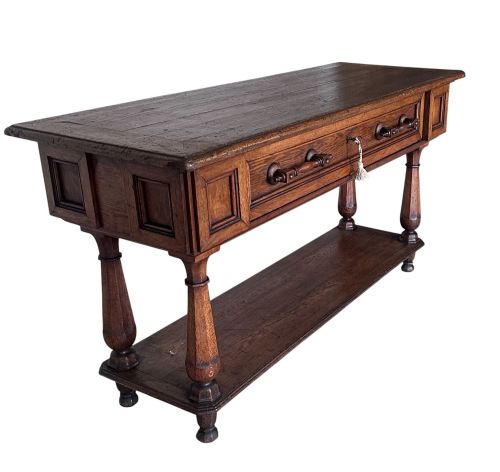
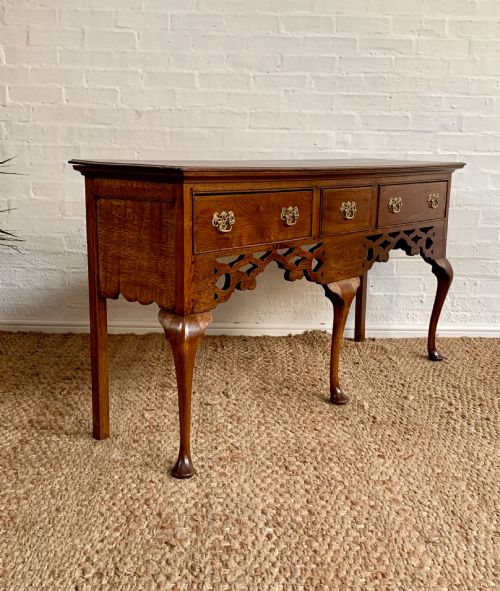
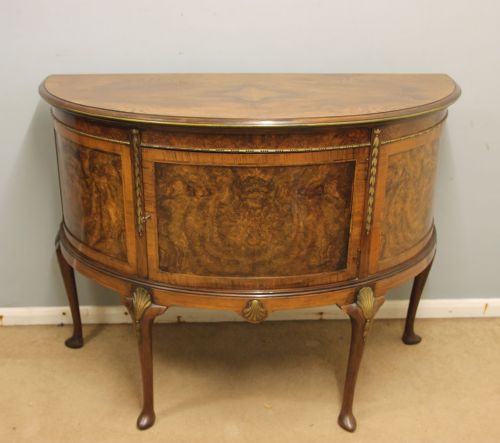
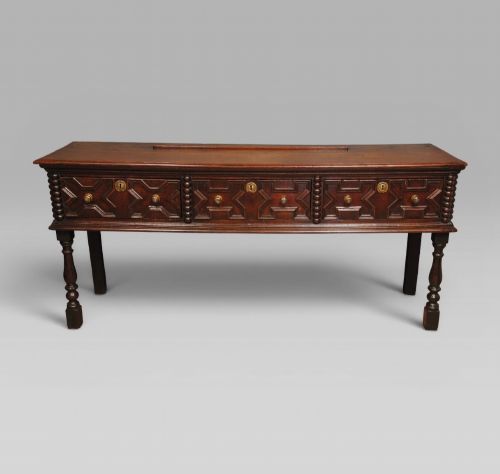


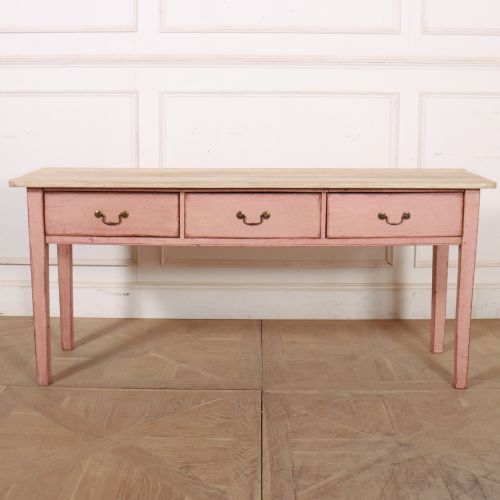

Hallway Console Sideboard
A hallway console sideboard brings architectural presence to a narrow passage, offering surface space and storage without crowding the thoroughfare.
Hallway Console Sideboard
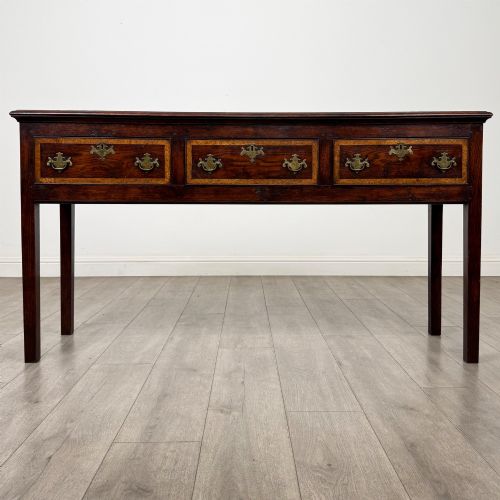
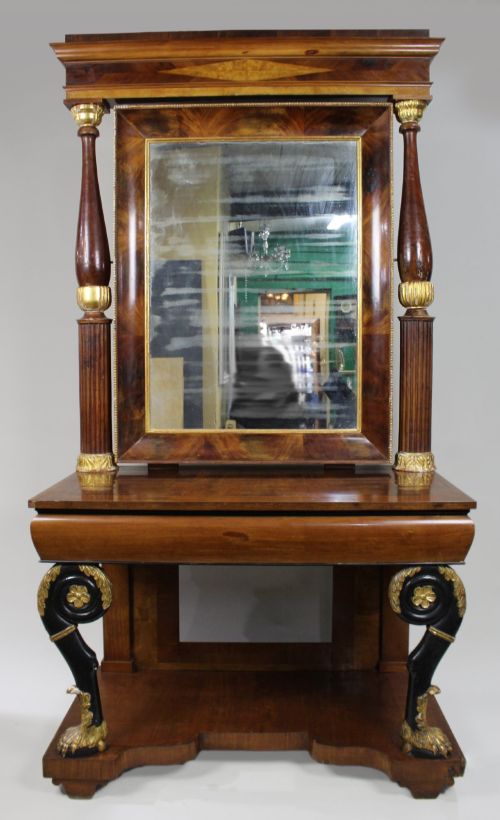
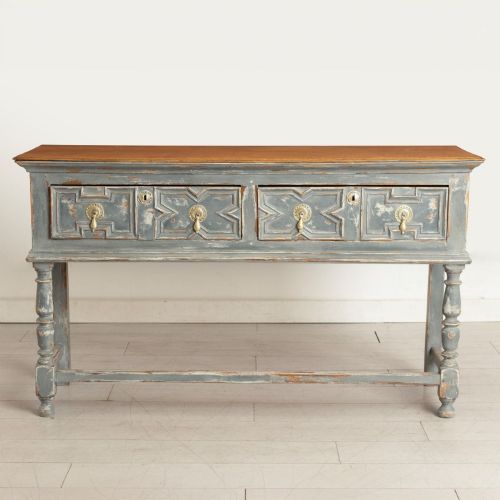
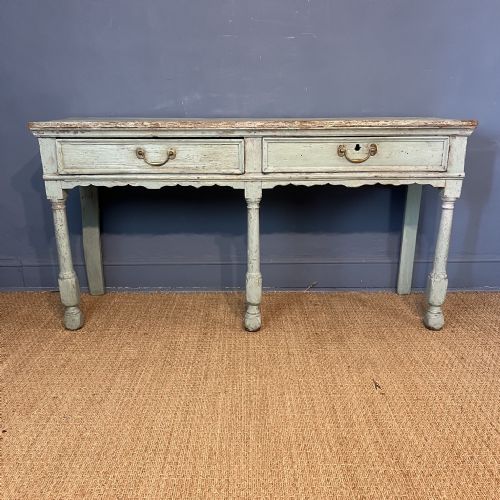
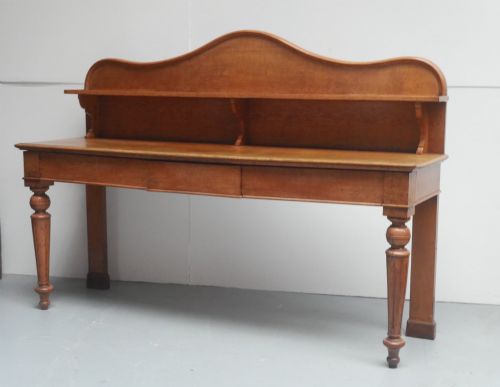
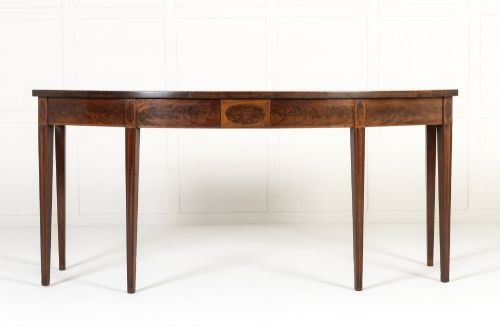
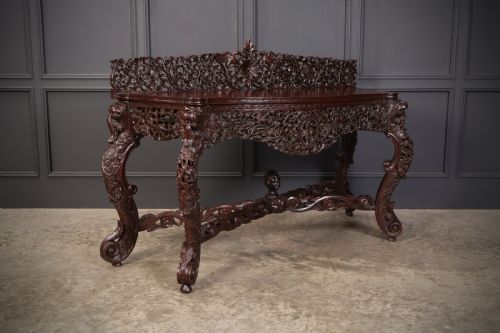
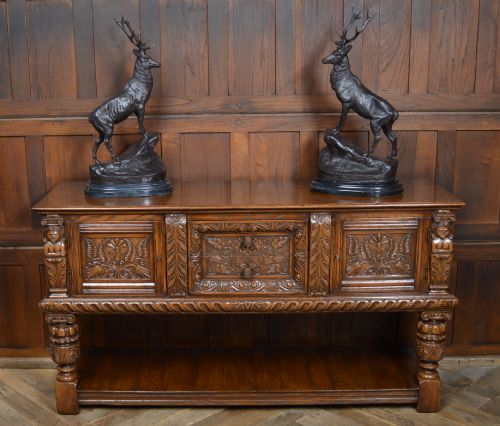
A hallway console sideboard encompasses diverse forms designed for narrow spaces, including console tables, serving tables, dresser bases, and compact sideboards. You meet pieces spanning several centuries, from early oak examples to refined mahogany designs.
The selection ranges from robust 17th and 18th century oak dresser bases to elegant Regency and Georgian mahogany servers. Edwardian and later 19th century interpretations appear frequently, alongside French and Chinese regional pieces.
These tables serve narrow circulation spaces by combining shallow depths with useful surface areas and drawer storage. Their varied proportions reflect the shifting domestic demands of past centuries.
Materials and Construction
Cabinet makers relied heavily on timber selection, utilising native and exotic hardwoods such as mahogany, oak, walnut, and pine. Timber choice dictated the structural stability and visual weight of each piece.
Surface treatments included clear polishing to highlight grain patterns, parcel gilding, and painted finishes applied to pine or oak. Hardware such as brass handles and drawer pulls provided functional accents.
Construction techniques involved traditional joinery suited to the period, accommodating the natural movement of solid timber over decades of domestic use.
Materials documented across the inventory include oak, mahogany, pine, walnut, burr walnut, marble, brass, glass, and paint.
Design and Material Integrity
Quality separates pieces through the selection of timber and the precision of the joinery. Superior examples display carefully chosen wood grains, such as burr walnut or figured mahogany, matched across drawer fronts and tops.
Proportion and execution distinguish finer furniture from utilitarian workshop output. Refined details like hand-cut mouldings, original brass hardware, and well-balanced dimensions elevate a piece within its period.
The degree of original surface preservation also governs standing. Untouched patination on older timbers indicates historical care, whereas heavy alterations alter the character of the item.
The Hallway Console Sideboard Glossary
- Dresser base
- A low wooden storage unit featuring drawers and sometimes an open pot board beneath, traditionally used for food preparation and serving.
- Console table
- A table designed to stand against a wall, historically supported by brackets or legs at the front.
- Serving table
- A large dining room or hallway table used for presenting dishes before service.
- Bow front
- A convex curved cabinet or table front that projects outward in a smooth arc.
- Pot board
- An open lower shelf fitted between the legs of a dresser base, traditionally used for storing pots and pans.
- Parcel gilt
- A decorative technique where specific carved details or mouldings are partially gilded with gold leaf.
Hallway Console Sideboard: Frequently Asked Questions
Where should I place a hallway console sideboard?
Position the piece along a primary circulation wall where its shallow depth maintains adequate walking space.
Ensure clearance allows doors and drawers to open fully without obstructing movement through the entry.
How do I maintain antique wood surfaces?
Dust the timber regularly with a dry, soft cloth to prevent particulate buildup on the historic polish.
Apply high-quality beeswax periodically to nourish the wood and maintain a soft sheen without creating heavy wax accumulation.
Can these tables hold heavy lamps?
Solid hardwood frames possess sufficient structural integrity to support everyday decorative items like table lamps.
Verify that the leg joints and stretcher connections remain stable before placing heavy objects on the top surface.
How do I distinguish oak pieces from mahogany?
Oak displays prominent medullary rays and an open grain structure typical of 17th and 18th century vernacular furniture.
Mahogany exhibits a denser, reddish-brown grain that became prevalent during the Georgian and Regency periods.