


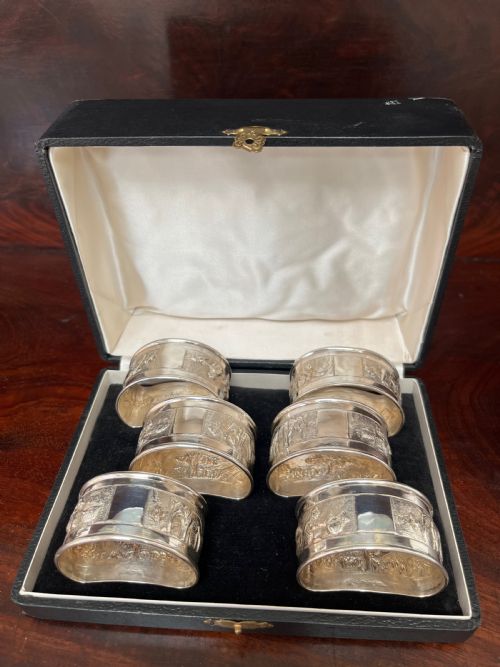
Hallmarked Sterling Silver Box
A hallmarked sterling silver box delivers small treasures with tactile weight, carrying the marks of past assay offices into daily use.
Hallmarked Sterling Silver Box
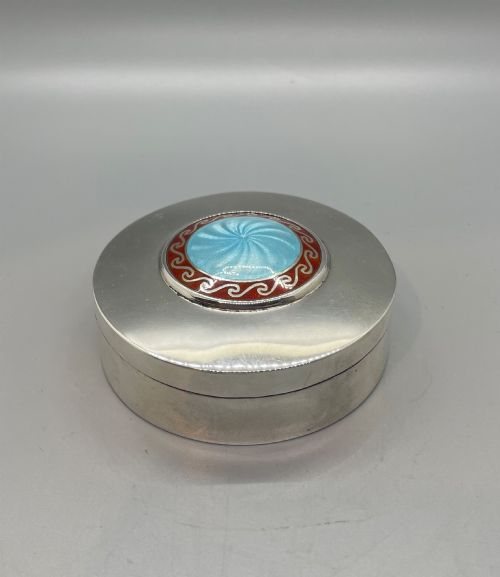
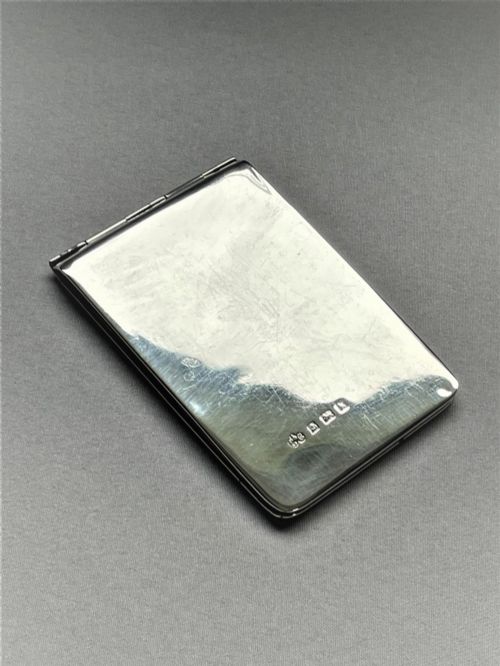
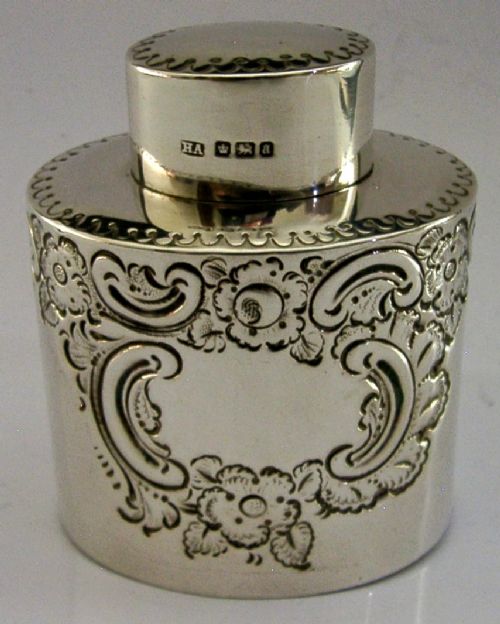
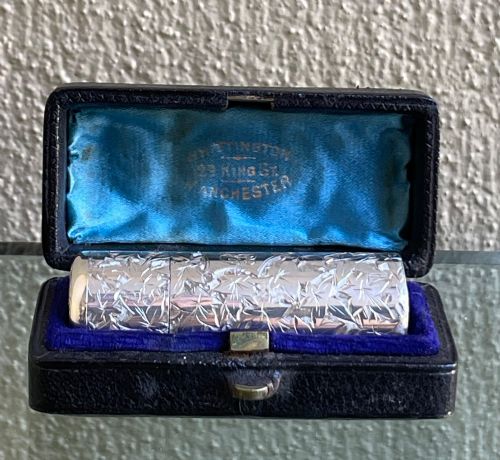
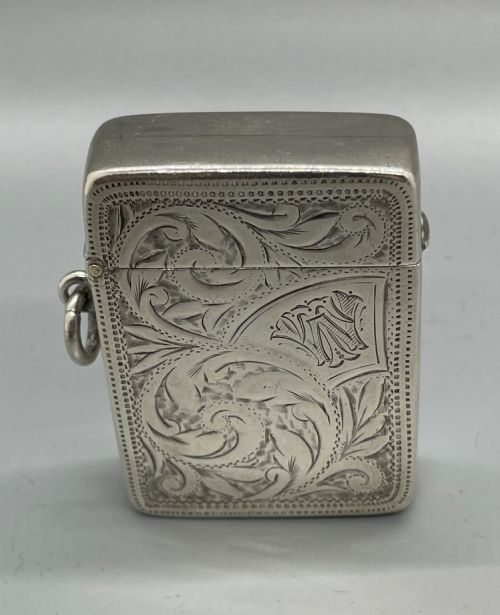
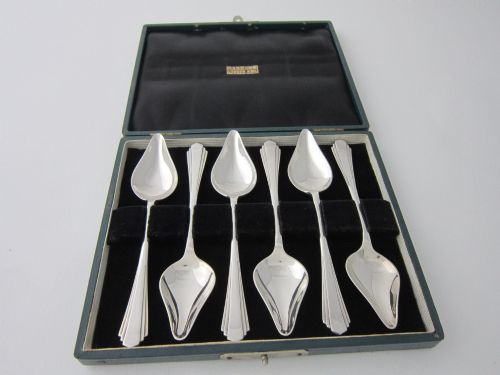
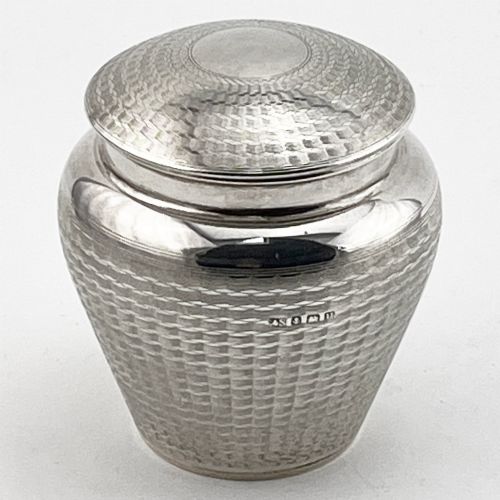
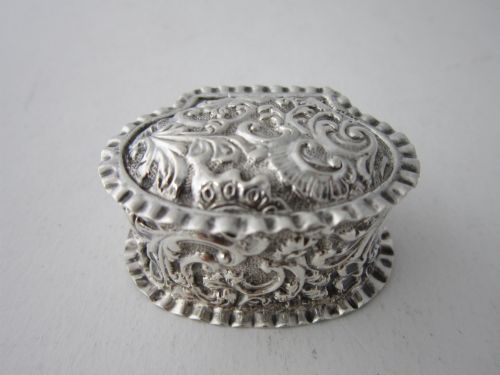
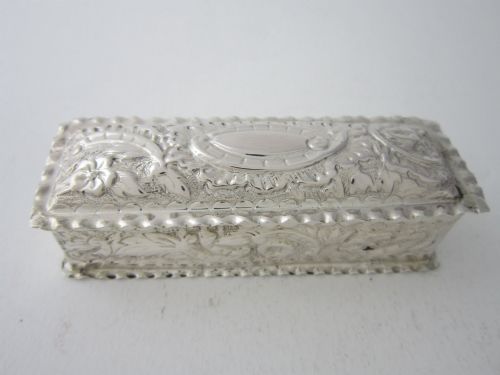
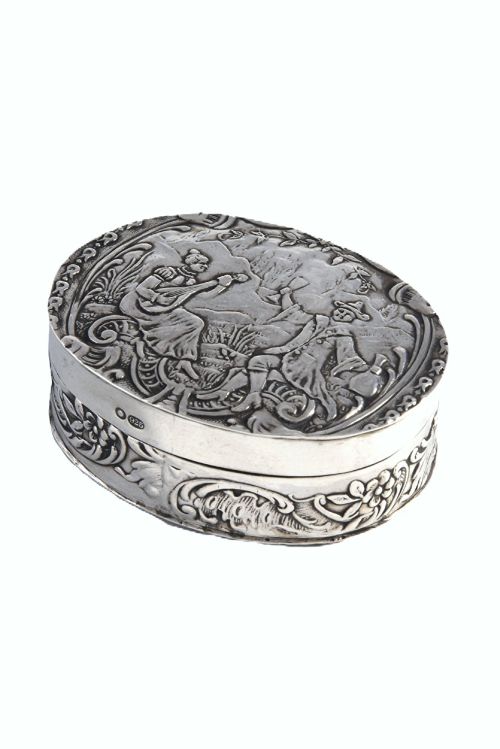
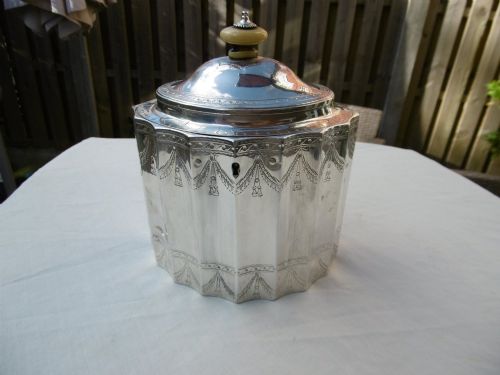
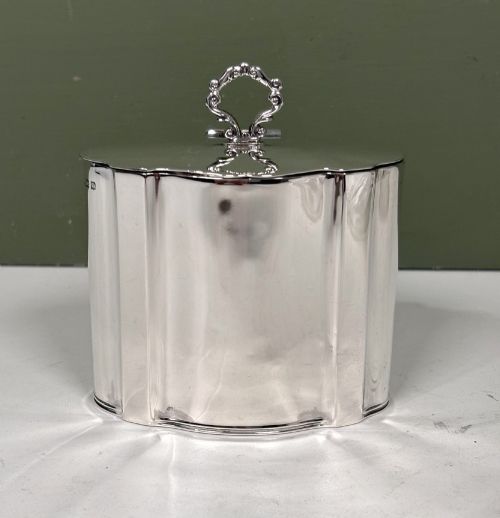
Makers shaped these items for specific functions, such as holding tobacco, preserving tea leaves, or safeguarding personal ornaments upon a dressing table. Alongside dedicated boxes, the listings present related forms including vesta cases, card cases, and mounted cigar boxes utilising sterling silver alongside secondary materials.
The objects span from late Georgian examples through to interwar productions, reflecting changing domestic habits and social rituals. Buyers encounter both plain utility pieces and heavily ornamented vessels bearing chased foliage, geometric motifs, or specialised compartments.
How they were made
Silversmiths constructed these vessels primarily from sterling silver, shaping sheet metal through hammering, spinning, or pressing to form the body and hinged lid. Structural components frequently incorporate internal linings of velvet, silk, or leather to cushion contents such as jewellery or cigars.
Many items integrate contrasting elements, combining the silver structure with organic additions like mother of pearl, hardstone, or fitted wooden carcases as seen in Edwardian cigar boxes. Surface decoration relied on techniques including piercing, engine turning, chasing, and the application of silver gilt finishes to interior surfaces.
What varies in quality
The calibre of a piece rests upon the crispness of the maker's stamp and town marks alongside the structural integrity of the hinge and closing mechanism. Substantial metal weight and balanced proportions distinguish robust desk and tea caddies from lighter pressed containers.
Refinement in hand-chased decoration and the careful integration of internal linings such as original silk or velvet elevate standard utility items into superior examples of period craftsmanship.
Aaron Lufkin Dennison·Horton and Allday·Robert Hennell·Zimmermann·Thomas Hayes·Cornelius Bland·Robert Thornton·George Nathan and Ridley Hayes·Daniel Hockley
The Hallmarked Sterling Silver Box Glossary
- Hallmark
- Official stamps struck into precious metals to guarantee the fineness, origin year, and assay office of the item. These marks provide the primary evidence for dating British silver.
- Sterling silver
- An alloy consisting of ninety-two point five percent silver and seven point five percent other metals, usually copper, chosen for durability in tableware and small containers.
- Tea caddy
- A small container originally locked to preserve precious tea leaves from damp and theft in eighteenth and nineteenth-century households. Surviving examples often display refined cabinet forms.
- Vesta case
- A pocket-sized container manufactured to hold wax matches, featuring a striated base for striking them. They were widely produced during the Victorian and Edwardian eras.
- Silver gilt
- Sterling silver that has been coated with a thin layer of gold through an electrolytic or fire-gilding process. This treatment protected the interior of snuff and pill boxes from corrosive residues.
Hallmarked Sterling Silver Box: Frequently Asked Questions
What were small silver boxes used for?
These vessels held specialised commodities such as dry tea leaves, snuff, matches, or pills depending on their internal layout and size.
Owners kept them in parlours, on dressing tables, or carried them in pockets for daily personal convenience.
How do I read the hallmarks?
Assay office marks, standard marks, and date letters stamped into the metal reveal where and when the piece was tested.
Reference tables match these individual symbols to specific decades and towns across Britain.
How should I clean silver boxes?
Gentle wiping with a soft cloth removes tarnishing without wearing away delicate chased details or thin plating.
Harsh abrasive dips damage organic linings like velvet and silk stored inside these containers.
Can I store food inside silver pill boxes?
Historic containers often feature silver gilt interiors designed to resist corrosion from active compounds contained within medicines or dry goods.
Modern users generally treat them as decorative display items rather than practical daily pill storage.