
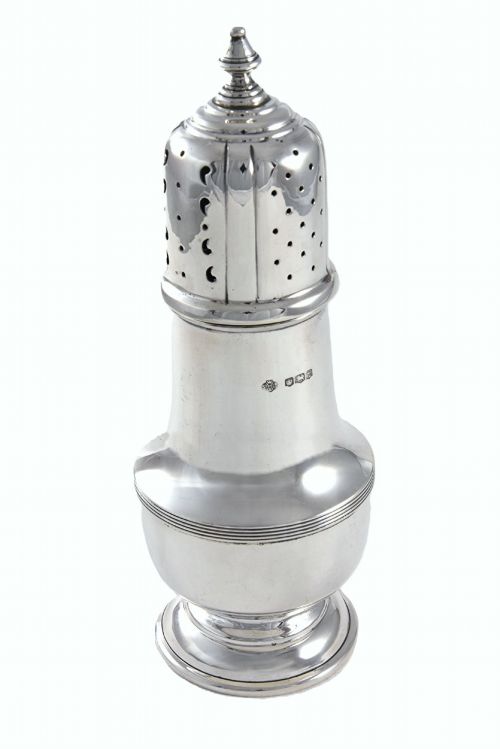
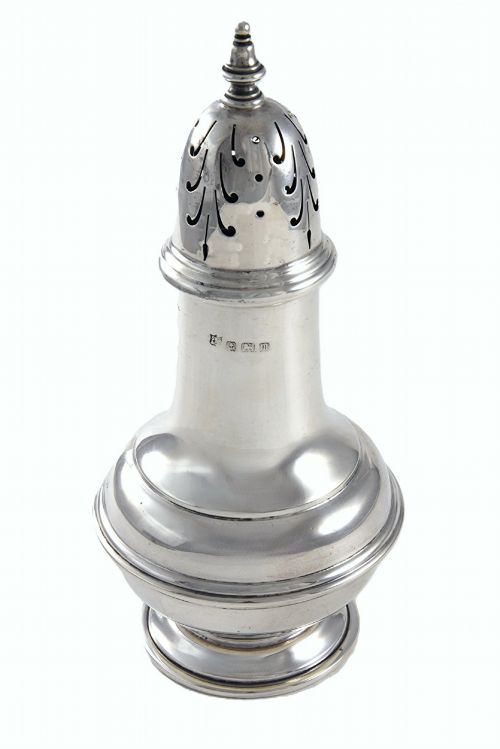


Hallmarked Silver Pepper Shaker
A hallmarked silver pepper shaker brings weight and polish to the dining table, crafted in precious metal and stamped to guarantee its standard.

Hallmarked Silver Pepper Shaker
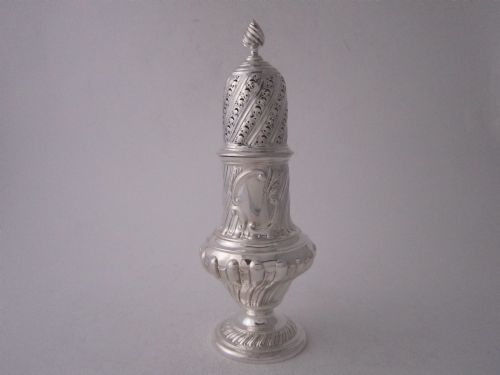
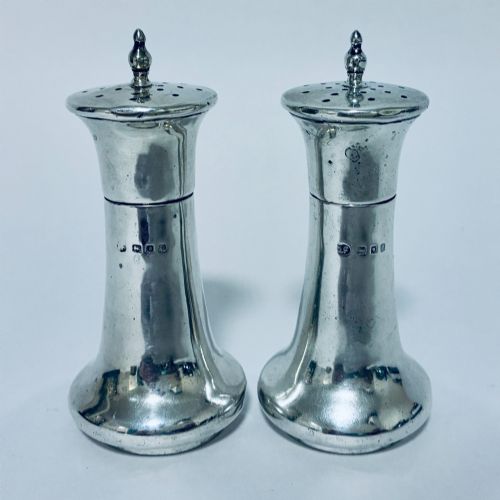
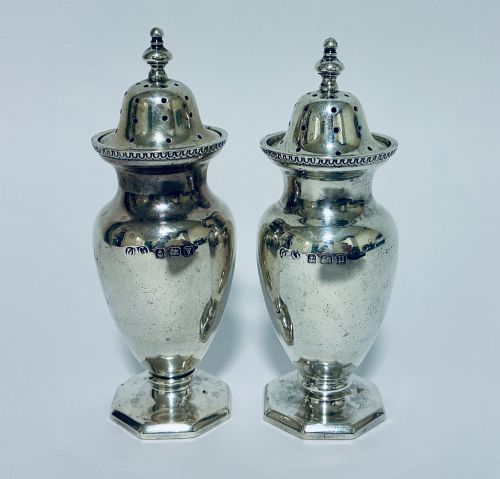
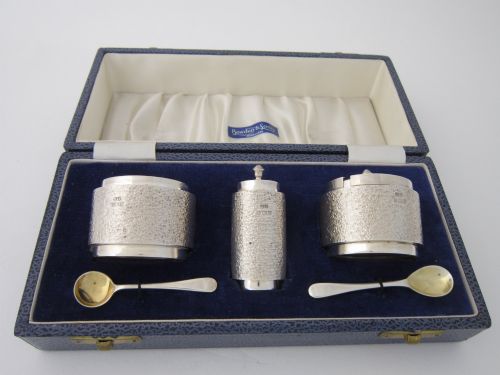
When you search for a hallmarked silver pepper shaker, you encounter tableware designed for seasoning dining tables across multiple eras. These domestic pieces appear as solitary casters, matched pairs, or components of larger condiment sets.
The selection on this page spans the Victorian, Edwardian, and Art Deco periods, alongside mid-century examples. You will frequently find sugar shakers and casters grouped under this heading alongside smaller pepper pots.
Origins stretch from the late nineteenth century through to the mid-twentieth century, capturing shifts in domestic dining habits. Makers utilise sterling silver and solid silver, sometimes pairing the metal with cut glass.
Materials and construction
Silversmiths constructed these vessels primarily from sterling silver and solid silver, shaping the metal through spinning, stamping, or casting. Pierced lids allow the seasoning to be shaken over food, secured by threaded collars or push-fit rims.
Makers occasionally combined silver with cut glass bodies to create transparency and weight contrasts, as seen in lighthouse forms. Interior gilt finishes were sometimes applied to protect the metal from the corrosive nature of salt and pepper.
Victorian silversmiths occasionally shaped pepper pots as tiny owls and babies, ensuring your dinner guests are watched over by miniature metallic wildlife.
Assessing quality and craftsmanship
Quality rests in the crispness of the piercing on the pepper shaker top and the gauge of the silver used in the body. Substantial metal thickness prevents denting and gives the piece a pleasing heft in the hand.
Engraved ornamentation and chased detailing distinguish superior items from plain utilitarian versions. Clear hallmarks stamped into the silver provide reliable evidence of the maker, town, and year of assay.
Barker Brothers·James Dixon & Sons Ltd·Thomas Johnson·Wilmot Manufacturing Co·Viners
The Hallmarked Silver Pepper Shaker Glossary
- Hallmark
- An official stamp applied by an assay office to guarantee the fineness of precious metal. These marks typically include a maker's mark, standard mark, assay office mark, and a date letter.
- Caster
- A container with a perforated top used for sprinkling sugar or spices onto food. These tall vessels often share forms with smaller pepper pots.
- Condiment set
- A matched collection of small vessels holding table seasonings such as salt, pepper, and mustard. They frequently arrive in fitted presentation boxes.
- Novelty pepper
- A shaker shaped to resemble an animal, human figure, or object rather than a traditional vessel. Victorian examples often depict owls or babies.
- Sterling silver
- An alloy of silver containing ninety-two point five percent pure silver and seven point five percent other metals, usually copper. This standard is universally recognised by British assay offices.
Hallmarked Silver Pepper Shaker: Frequently Asked Questions
How do I clean a silver pepper shaker?
Use a soft microfibre cloth and a specialist silver polish to remove tarnish without scratching the metal surface. Avoid harsh chemical dips that can strip away dark oxidisation from engraved details.
After polishing, wash the shaker gently in warm soapy water to remove residual cleaner, especially around the pierced holes of the lid. Dry thoroughly before refilling with seasoning.
Are these shakers safe to use daily?
Solid silver and sterling silver pieces withstand regular daily use provided they receive proper care and prompt cleaning after meals. Modern table salt can accelerate corrosion if left in contact with the metal for long periods.
Many collectors prefer to empty the contents after dining to prevent moisture buildup inside the chamber. Gilded interiors offer extra protection against corrosive spices.
What do the different hallmark stamps mean?
British hallmarks comprise several distinct marks that identify the maker, the purity of the silver, the assay office where testing occurred, and the year of production. A lion passant indicates sterling standard silver.
Date letters change annually and follow specific alphabetic cycles tied to particular assay offices such as London, Birmingham, or Sheffield. These stamps allow accurate dating of each antique.
Why are some pepper pots sold as pairs?
Dinner table etiquette traditionally required balanced place settings, leading silversmiths to produce pepper pots and salt cellars in matching pairs. Paired items maintain symmetry at either end of the table.
Many surviving pairs were originally housed within larger cruet frames alongside mustard pots. Finding them intact as a pair is common for Edwardian and Victorian dining sets.