
Hallmarked Gold Jewellery
Hallmarked gold jewellery spans Victorian bands to mid-century cocktail pieces, offering precious metals and gems stamped with official assays.
Hallmarked Gold Jewellery
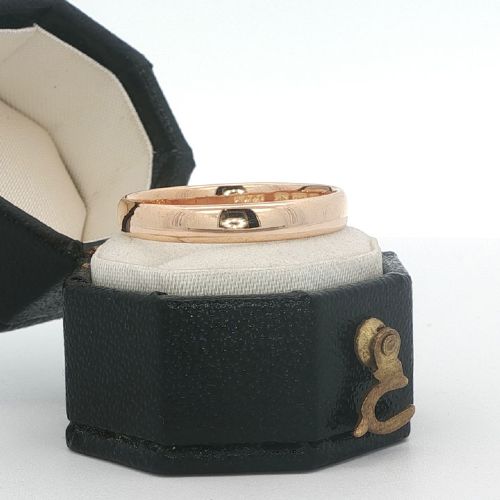
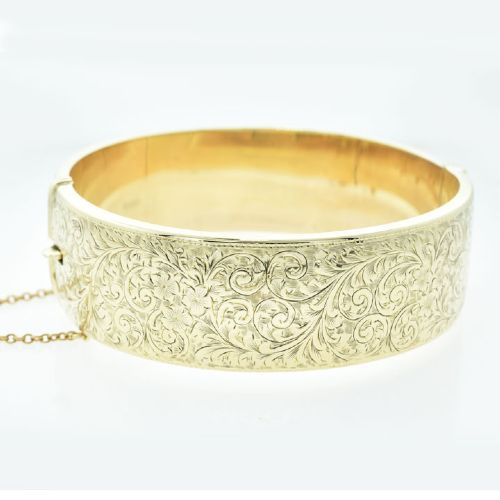
When you search for hallmarked gold jewellery, you encounter a diverse selection of wearable items ranging from the late nineteenth century into the late twentieth century. These include rings, pendants, necklaces, brooches, watch chains, and bangles.
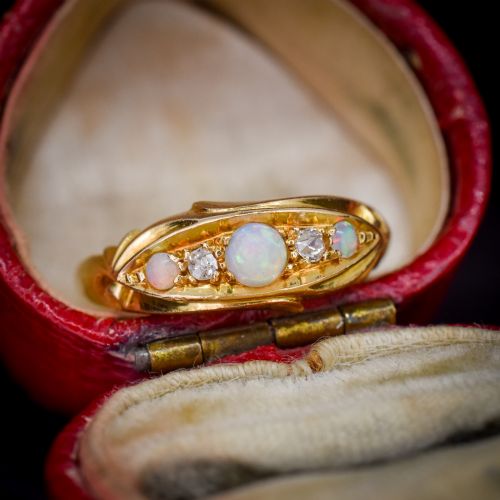
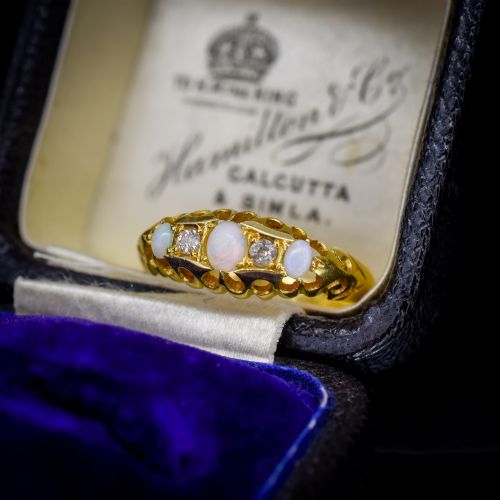
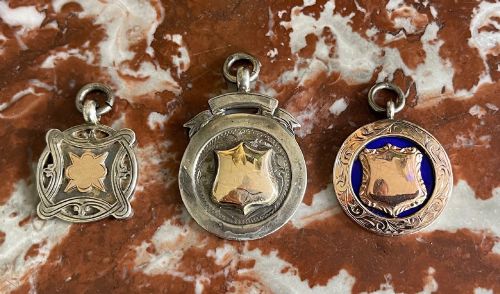
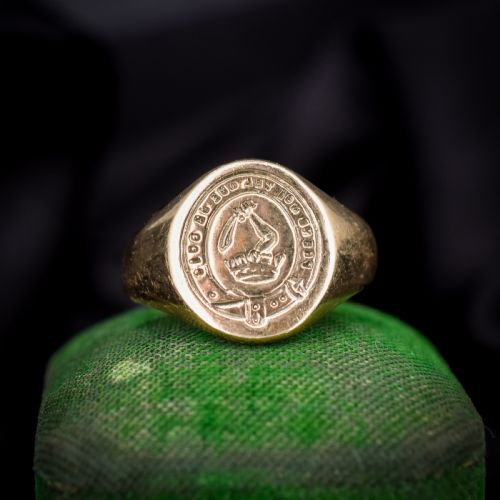
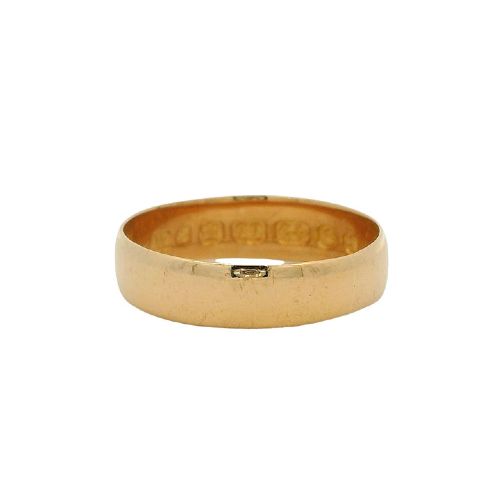
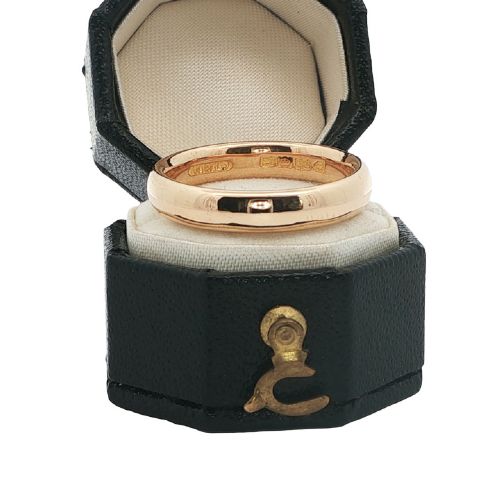
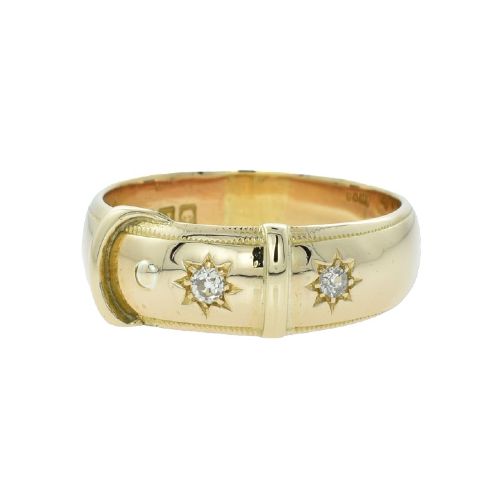
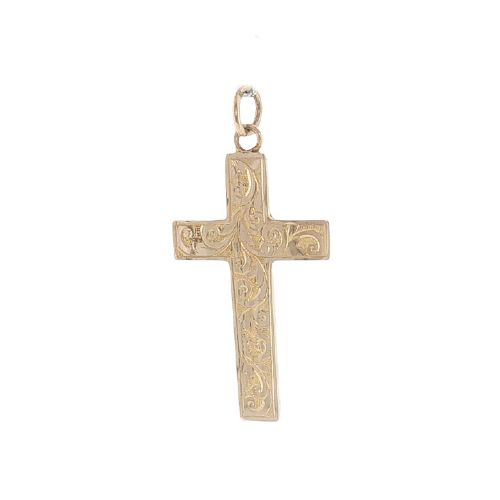
The pieces on this page heavily feature traditional forms such as boat rings, wedding bands, cluster rings, and engraved pendants. Originating across periods like the Victorian, Edwardian, and mid-century eras, they carry official assay office marks.
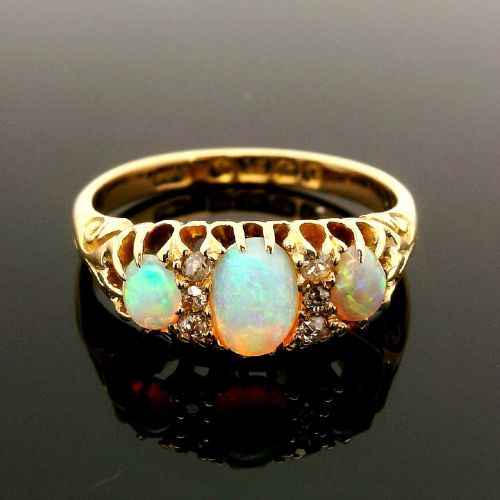
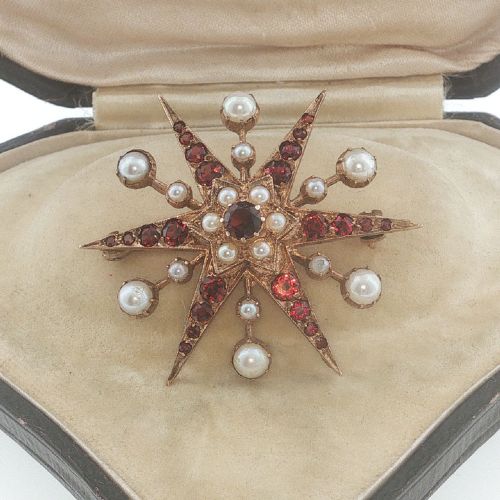
Most items you will meet here combine 9ct or 18ct gold with gemstones like diamonds, rubies, sapphires, garnets, and opals. Certain items also incorporate pearls or specific regional styles from assay towns like Birmingham, Chester, and London.
How they were made
Maker and assay marks stamped directly into the metal define these items, utilising 9ct, 15ct, 18ct, and 22ct gold alloys. Goldsmiths constructed these pieces by casting, engraving, and hand-linking components such as curb chains and cluster settings.
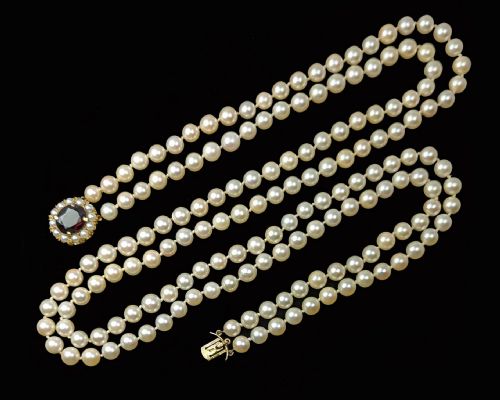
Gemstones including diamonds, sapphires, rubies, and amethysts are secured via claw settings, bezel mounts, or flush settings tailored to the specific ring or pendant design. Pearl elements often feature strung arrangements anchored by gold clasps.
What varies in quality
The standard of execution in engraving and stone setting dictates the visual merit of each piece. Crispness in chased patterns and secure, even gemstone alignment separate finer examples from simpler production.
Alloy purity and the clarity of the official hallmarks also establish distinction among items. Clear town marks, date letters, and maker stamps preserved on heavier gold weights distinguish superior survivals.
Smith and Pepper·Solomon Blanckensee Son·Kutchinsky
The Hallmarked Gold Jewellery Glossary
- Hallmark
- An official stamp applied by an assay office to guarantee the fineness of precious metal content. These marks typically include maker initials, standard purity symbols, and date letters.
- Boat ring
- A ring featuring a lengthwise, navette-shaped setting that traditionally houses a row of graduated gemstones. This style frequently appears in Edwardian and late Victorian pieces.
- Albert chain
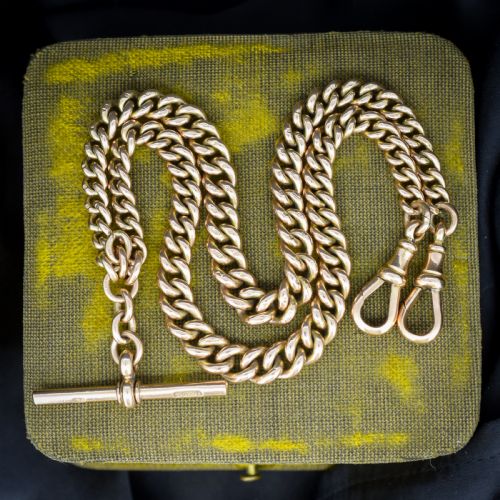
- A type of pocket watch chain designed to be worn across a waistcoat or attached to a garment. These chains comprise graduated curb links fitted with T-bars and swivels.
- Cluster ring
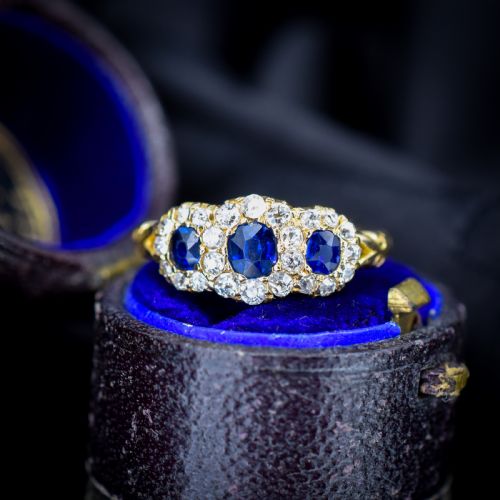
- A ring design centred on a prominent gemstone surrounded by a tight arrangement of smaller stones. Diamonds and sapphires are commonly arranged in this manner.
- Assay office
- An official body responsible for testing the purity of precious metals and stamping items with statutory marks. Towns like Birmingham, Chester, and London operated prominent offices.
Hallmarked Gold Jewellery: Frequently Asked Questions
How do I read gold hallmarks?
Hallmarks consist of a series of tiny stamped symbols indicating the maker, the purity of the gold, and the year of testing. Assay office marks such as an anchor for Birmingham or a leopard head for London help pinpoint origin.
Additional marks include numerical fineness indicators like 375 for 9ct or 750 for 18ct gold, alongside chronological date letters that denote the exact year of manufacture.
What is an Albert chain?
An Albert chain is a robust linked chain historically used to secure pocket watches to waistcoats or garments. They feature sturdy curb links and retain specialised clasps.
Today, these substantial chains are frequently worn as necklaces or modified bracelets due to their length and durable construction.
How should I care for antique rings?
Antique rings require gentle handling, particularly pieces set with softer gemstones like opals, pearls, or amethysts. Avoid harsh chemical cleaners and ultrasonic baths that can damage delicate settings.
Regularly check claw settings with a jeweler to ensure stones remain secure during everyday wear.
What defines a boat ring?
A boat ring takes its name from its distinctive curved, boat-like silhouette that follows the contour of the finger. This layout typically hosts a central cluster of diamonds and coloured stones.
Popular during the Edwardian and Victorian periods, this form maximises visual gemstone impact within a low-profile mounting.