

Hall Lantern Hanging Light
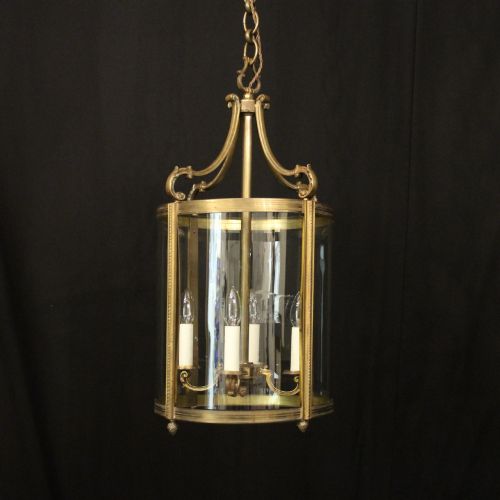
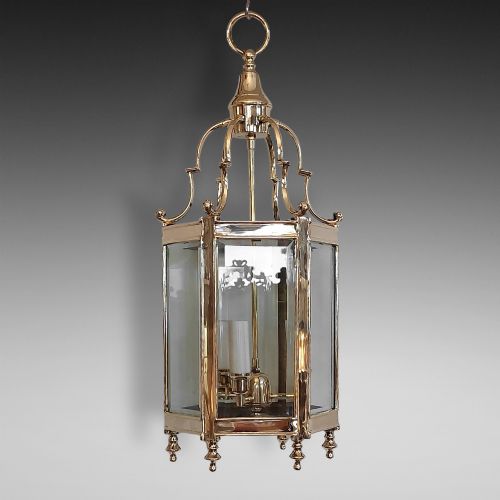
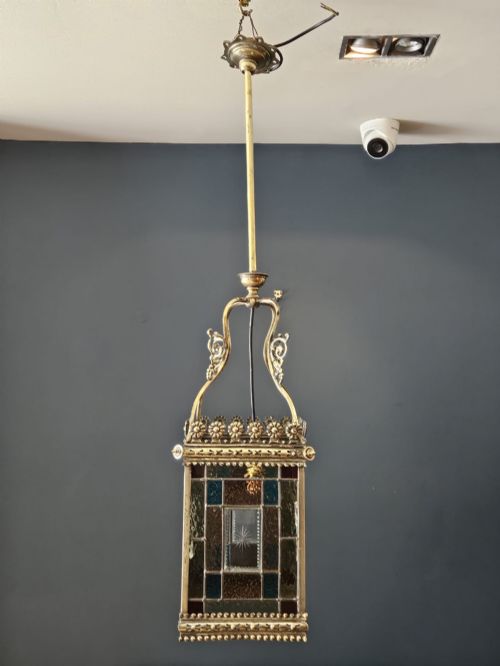
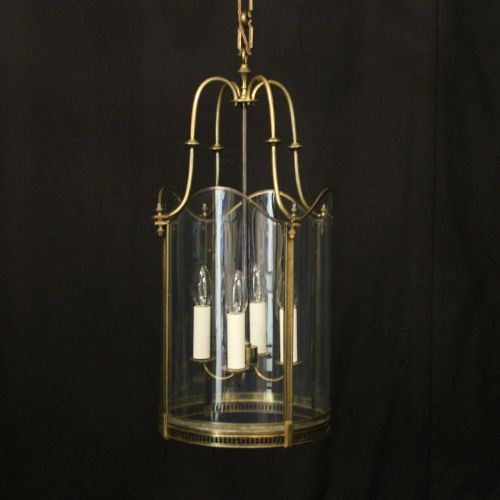
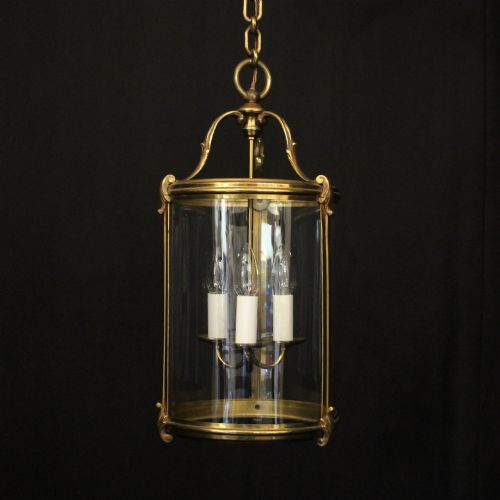
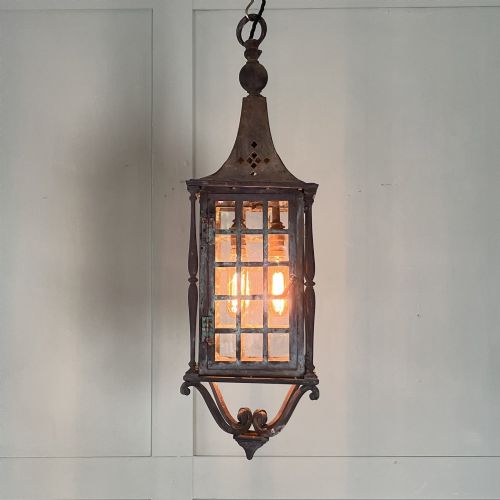
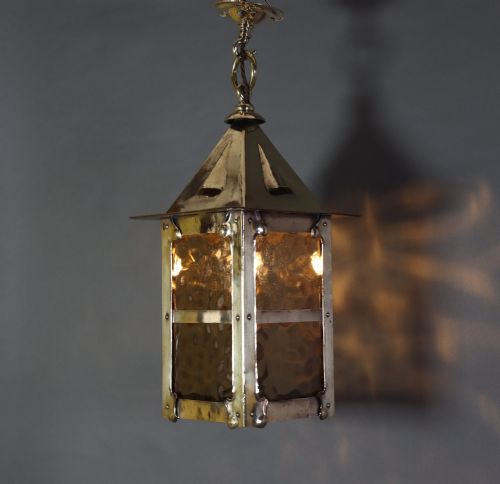
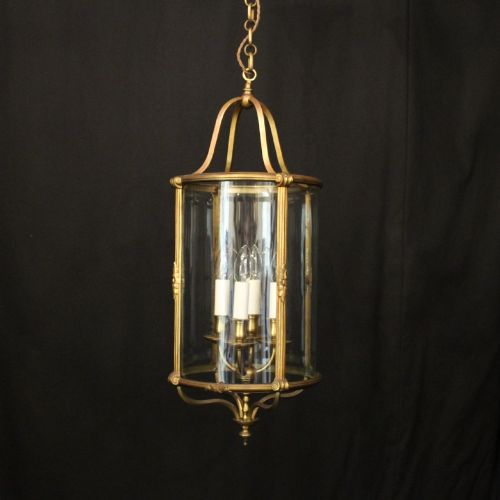
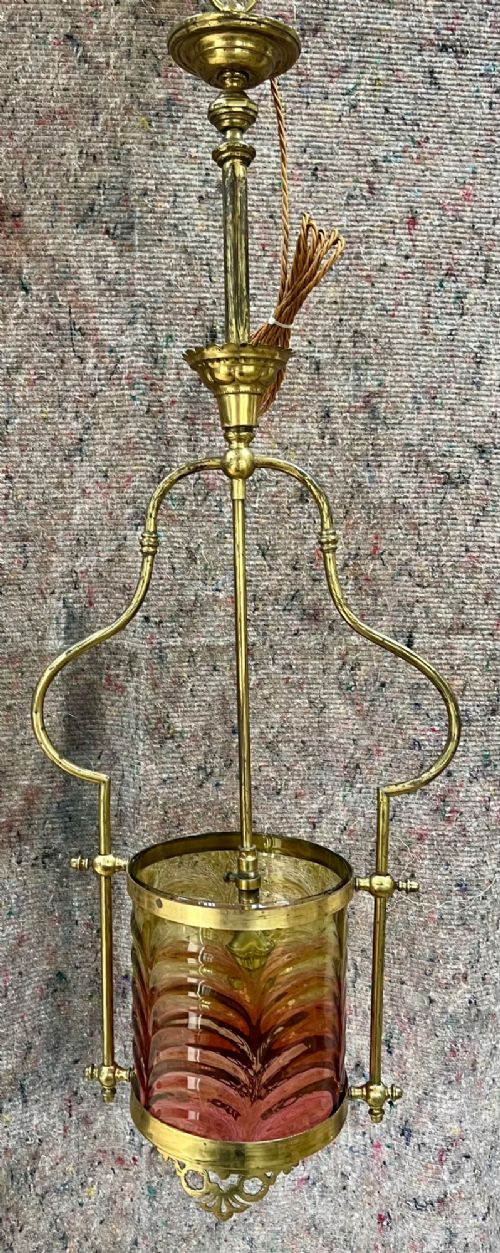
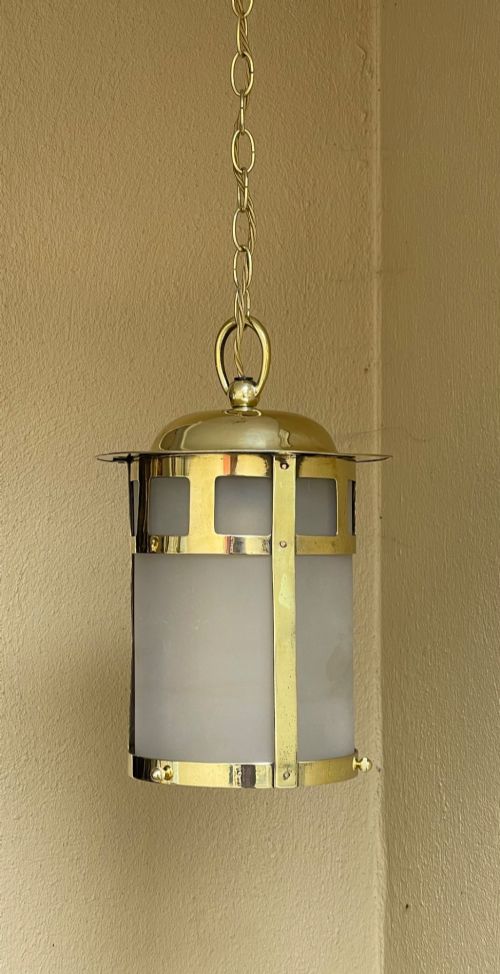
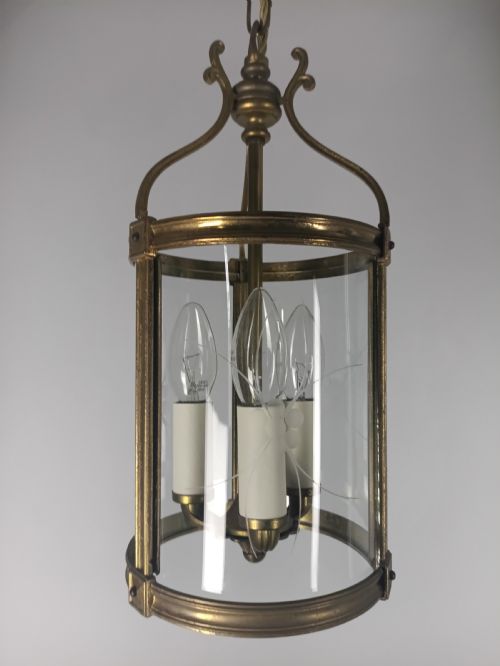
A hall lantern hanging light brings focused illumination and architectural presence to an entrance passage, drawn from periods spanning the Victorian era to the 1930s.
Hall Lantern Hanging Light
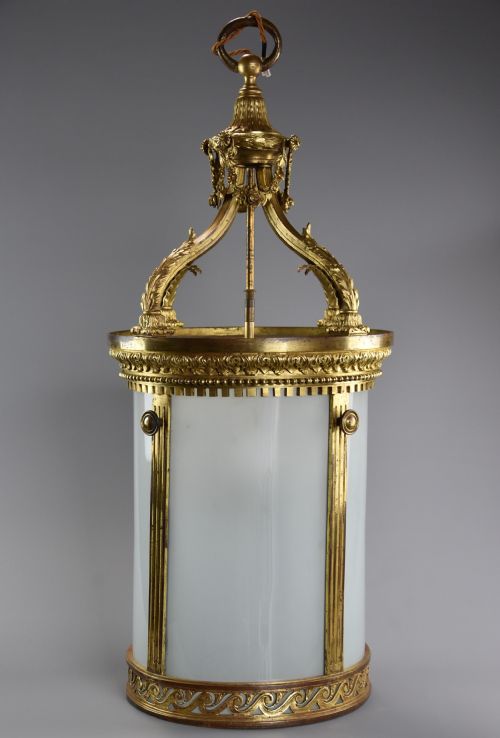
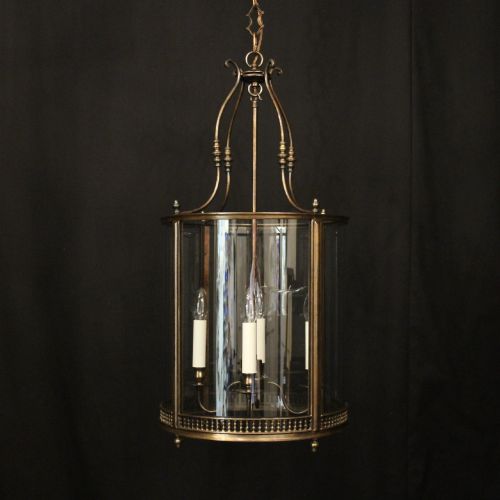
A hall lantern hanging light serves as an overhead fixture designed specifically for entranceways and corridors, appearing in forms such as pendant lights, ceiling lanterns, and hanging lanterns. These pieces originate from the nineteenth century, the Victorian and Edwardian eras, and the early decades of the twentieth century, including specific years like 1880, 1900, 1910, 1920, and 1930.
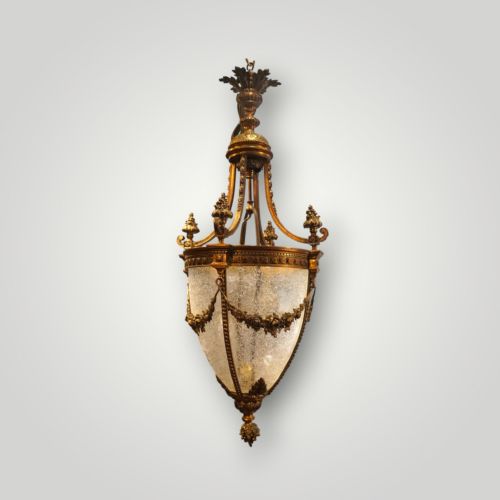
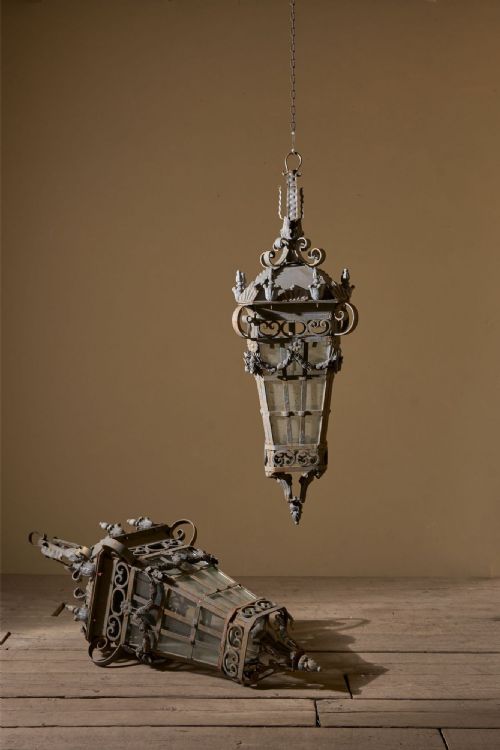
The most common versions met on this page combine brass frames with glass panels, frequently taking hexagonal, circular, or multi-light configurations. Buyers encounter English and French examples representing styles such as Gothic Revival, Art Nouveau, Arts & Crafts, French Neoclassical, and French Chateau.
Larger formats often incorporate multiple internal lights or heavy cast bronze and gilt metals, while smaller iterations rely on simple brass framing and leaded glass panes. These variations reflect the changing architectural scale of hallways across different decades.
Materials and Construction Techniques
Metalwork forms the structural skeleton of each hall lantern hanging light, utilising brass, gilt bronze, gilded bronze, wrought iron, lead, and zinc. Frames are cast, forged, or soldered to create rigid housings capable of supporting glazed panels.
Glazing techniques define the optical character of the pieces, employing plain glass, lead glass, stained glass, etched glass, hand blown bulls-eye glass, and crystal. These glass elements are fitted into the metal frameworks using traditional lead cording or direct mechanical retention.
Some early twentieth-century hall lanterns include tiny hinged access doors specifically designed for reaching inside to light candles before electricity took over.
Defining Quality in Period Lanterns
The sophistication of the metal casting and the finishing work separate standard production from superior examples, particularly visible in the crispness of ornamentation on gilt bronze and brass frames. Heavier gauges of metal and intricate hand-chased details indicate higher workshop standards.
Glass selection significantly influences the caliber of a piece, distinguishing mass-produced flat panes from specialised hand-blown bulls-eye panels, deeply etched designs, or complex leaded stained glass assemblies. The integration of functional doors and secure hanging loops further demonstrates manufacturing competence.
Voysey
The Hall Lantern Hanging Light Glossary
- Convex
- Curved outward in a rounded shape. This term describes glass panels that project past the flat planes of the lantern frame to diffuse light more broadly.
- Bulls-eye glass
- Thick glass featuring a central circular distortion or eye formed during the hand-blowing process. It creates organic refraction and distorts direct views through the lantern.
- Leaded glass
- Individual pieces of glass joined together by strips of lead came. This technique allows for geometric or figurative patterns within lantern panels.
- Gilt bronze
- Bronze coated with a thin layer of gold or gold-coloured alloy. It provides a rich metallic surface that resists tarnishing over decades of use.
Hall Lantern Hanging Light: Frequently Asked Questions
Where should a hall lantern hanging light be placed?
These fixtures suit entrance halls, corridors, and high-ceilinged vestibules where overhead clearance allows for suspended lighting. They provide direct downward illumination while serving as a decorative architectural anchor.
Position the lowest point of the lantern high enough to clear door swings and tall occupants, typically maintaining at least seven feet of clearance from the floor.
How do I identify a Victorian hall lantern hanging light?
Victorian examples frequently display heavy brass or cast metal frames, often featuring hexagonal geometries or Gothic Revival and aesthetic movement details. Leaded glass and robust hanging loops are common indicators of mid to late nineteenth-century manufacture.
Later Edwardian and 1920s pieces tend to feature lighter brasswork, French convex glass panels, or distinct Art Nouveau and Arts & Crafts stylistic motifs.
Are these lanterns electrified for modern use?
Many period lanterns have been adapted for electricity during their lifespan, housing internal lamp holders concealed within the metal frame. Some retain side-mounted electrical fittings or historical wiring configurations.
Buyers should inspect the internal wiring of any vintage hanging light and consult a qualified electrician to ensure compliance with current safety standards prior to installation.
What maintenance do antique glass and brass lanterns require?
Routine care involves gentle dusting of the glass panels and metal framework using a soft cloth. Avoid abrasive chemical cleaners that can strip gilding or damage historical patina on brass and bronze surfaces.
Period glass should be cleaned with mild soapy water and dried thoroughly to preserve the clarity of etched or hand-blown panes.