
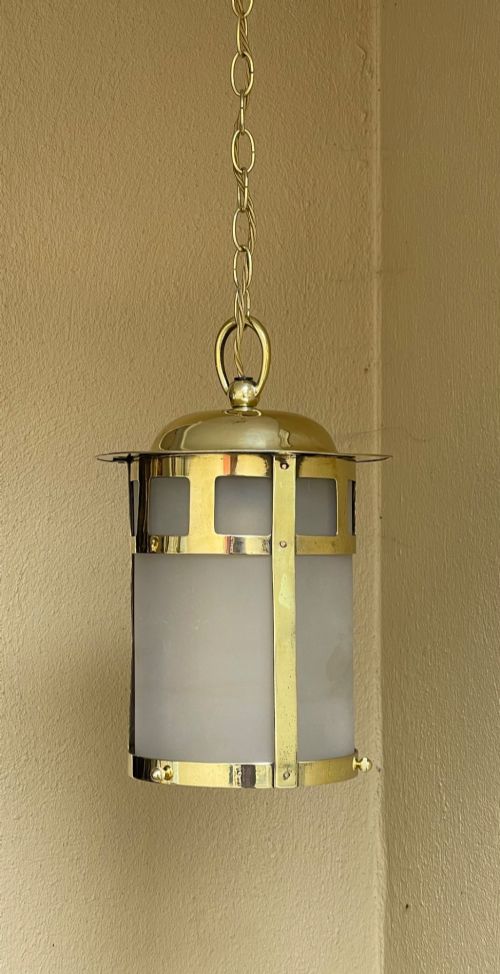
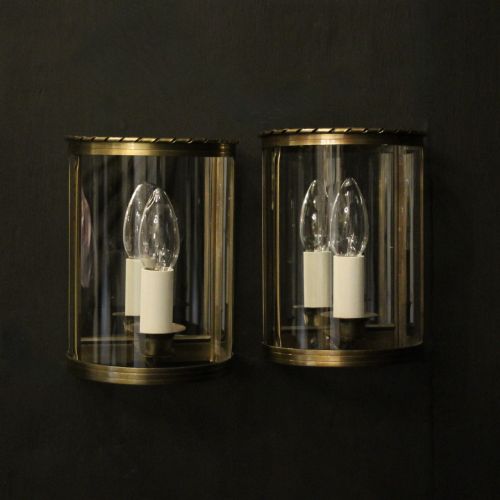
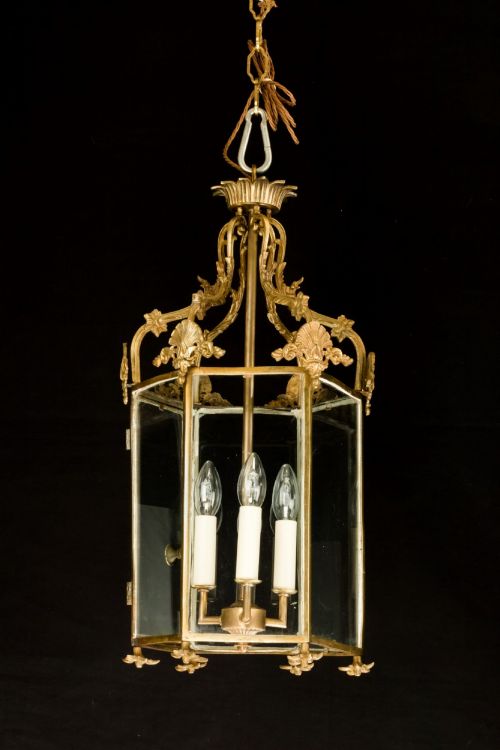
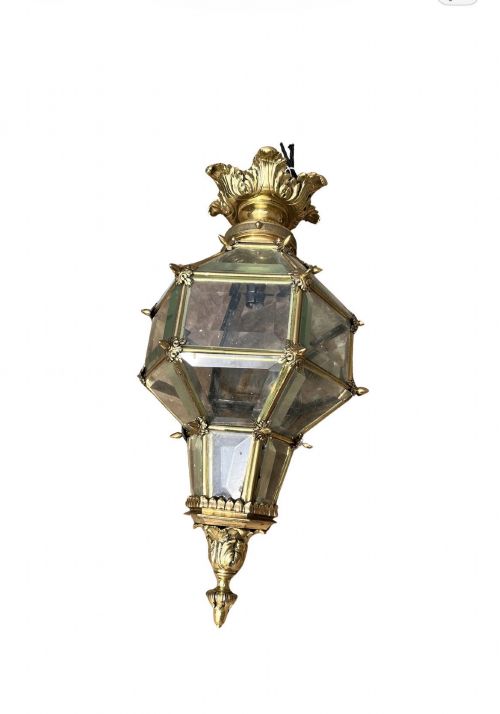
Antique Hallway Light Fixture
An antique hallway light fixture sets the tone for an entire interior, bringing warmth and character to an entrance before a visitor even steps further inside.
Antique Hallway Light Fixture
An antique hallway light fixture encompasses a variety of hanging, ceiling-mounted, and wall-fixed options designed to illuminate passages and entryways. The search phrase covers forms ranging from compact drop chandeliers and basket lights to architectural lanterns and dome top fixtures. These pieces originate from periods spanning the Victorian era through the 1930s, reflecting diverse design movements.
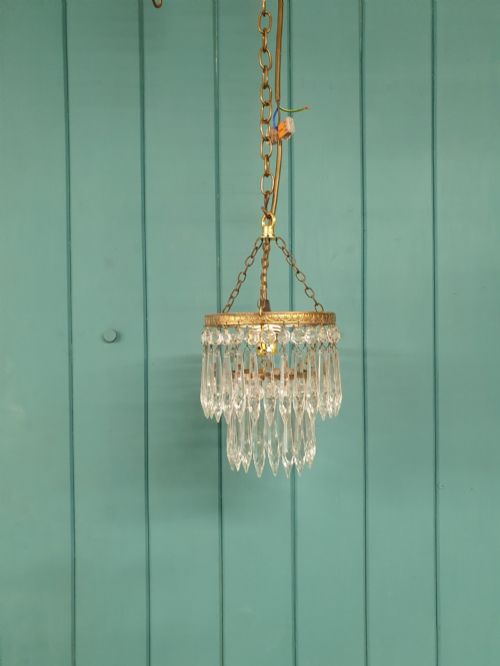
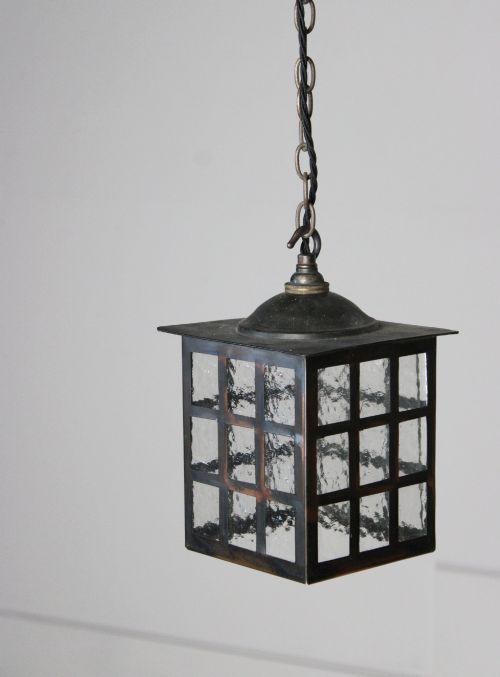
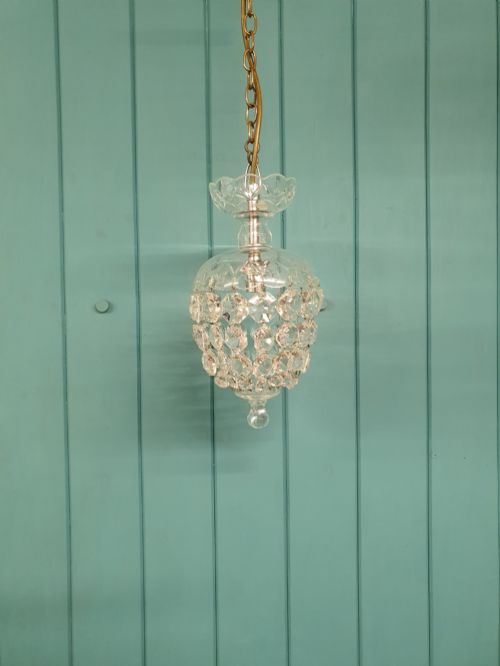
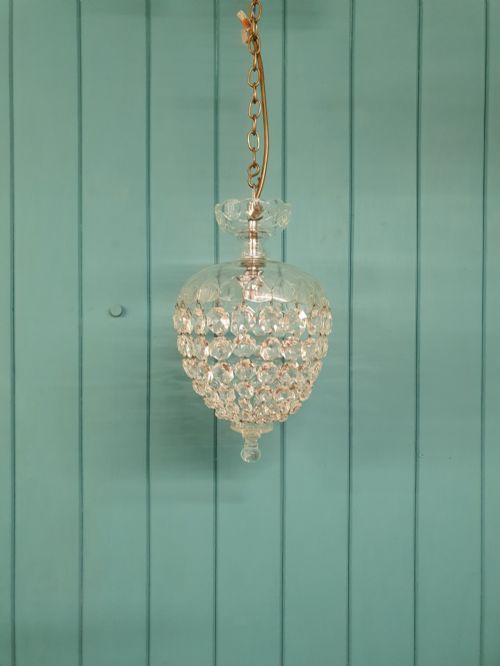
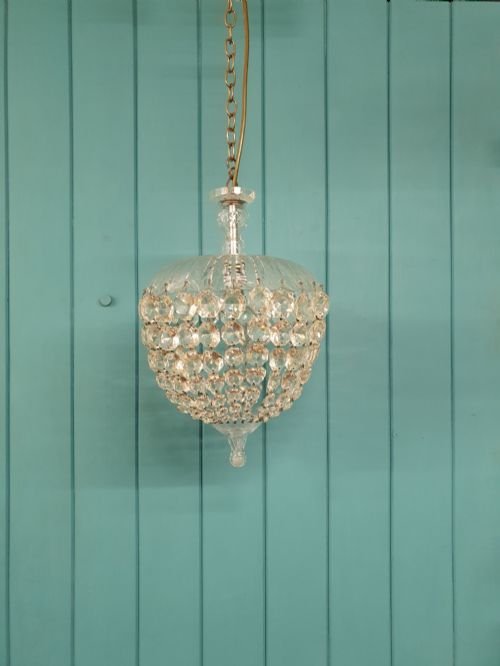
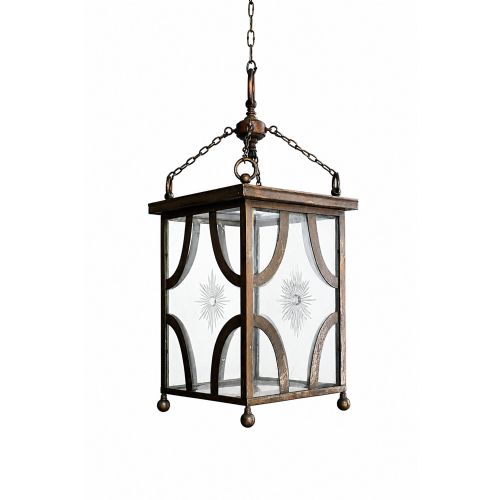
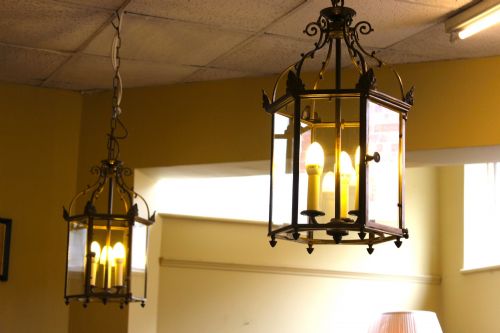
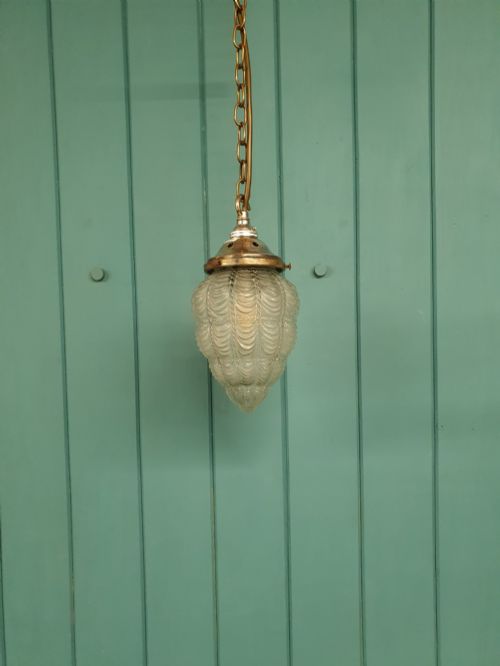
Visitors navigating this selection will most frequently encounter Edwardian and 1930s lanterns alongside early twentieth-century glass pendants and brass hall lights. Forms like the hexagonal brass lantern, the cut glass bag chandelier, and the opaline pendant appear regularly across the inventory. These enduring shapes were originally conceived to cast clear illumination in narrow spaces while offering a distinct decorative presence.
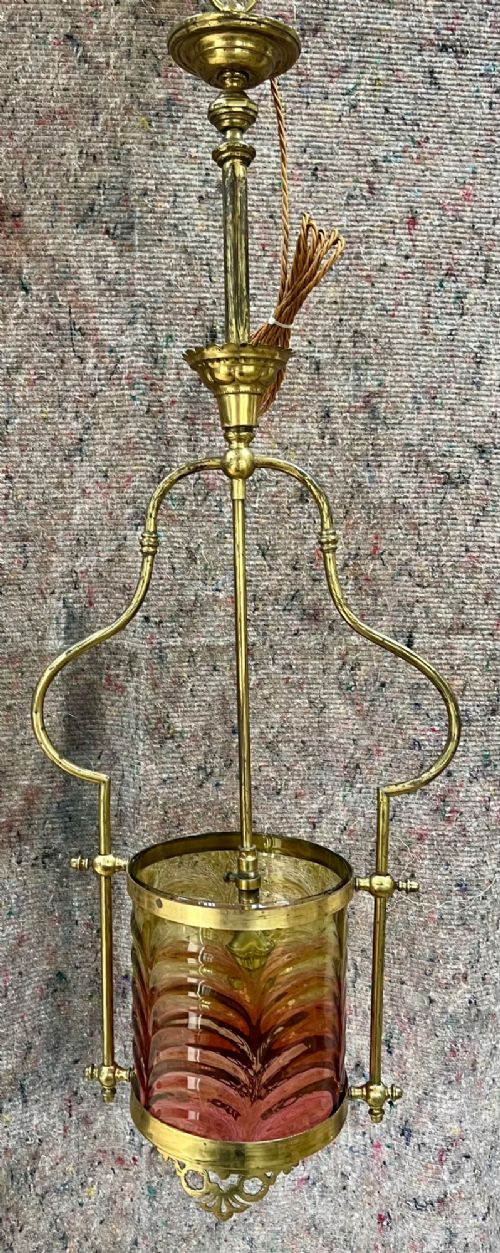
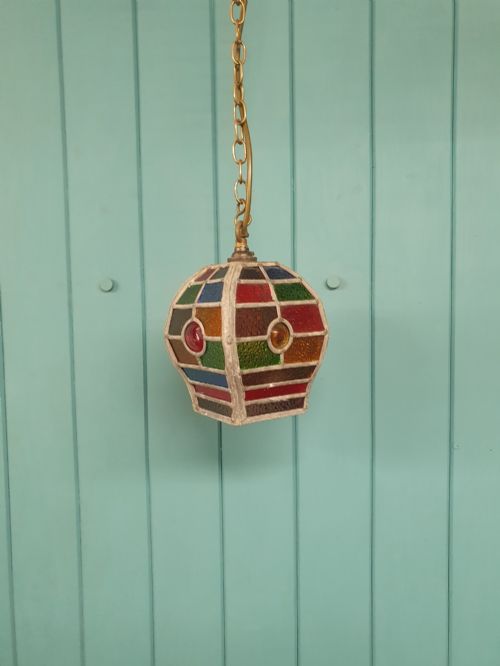
The materials utilised in these fixtures lean heavily on structural metals paired with decorative glass elements. Brass and copper frames frequently house cut crystal, opaline, frosted, or leaded stained glass. Occasionally, bronze and steel appear in French styles, Arts and Crafts designs, and Art Deco pieces.
Materials and construction methods
Makers constructed these fixtures using robust metal frameworks of brass, copper, bronze, and steel to support glass panels, crystals, or blown shades. Brass and copper predominate, often shaped into lanterns or cast into decorative ceiling mounts and brackets. Structural integrity was essential to support heavy glass bells, crystal drops, and metal frames safely from ceilings and walls.
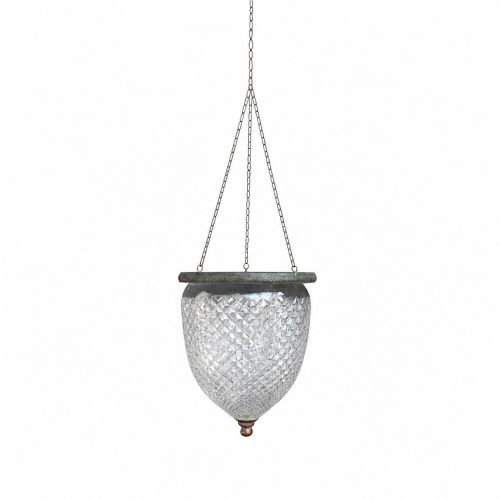
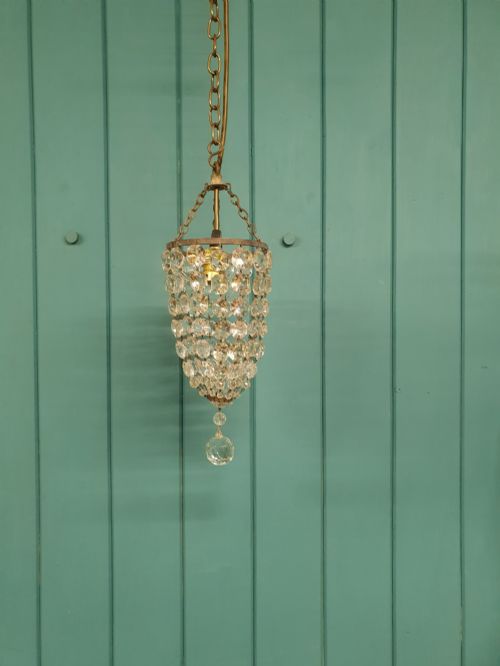
Glass components involved several distinct techniques, including hand-blown diamond-cut crystal, moulded opaline, leaded stained glass, and faceted cut glass beads. Artisans formed intricate bag and basket chandeliers by stringing cut glass beads and drops around central metal armatures. Lanterns featured fitted glass panes, sometimes convex or bevelled, secured within metal channels.
Some Victorian hallway lanterns retain the soot marks of long-extinguished candles inside their brass frames.
Distinctions in quality and execution
Quality in an antique hallway light fixture rests upon the weight of the metalwork, the precision of the casting, and the clarity of the glass. Finer examples display crisp detail in brass and bronze mounts, hand-cut facets on crystals that refract light cleanly, and substantial metal gauge thickness. Lesser examples rely on thinner stamped metals and simpler pressed glass without hand finishing.
F and C Osler
The Antique Hallway Light Fixture Glossary
- Plafonnier
- A ceiling-mounted lighting fixture that sits flush or very close to the ceiling surface rather than hanging on a long suspension chain. These often feature dome-shaped glass or metal shades.
- Bag Chandelier
- A style of light fixture featuring a basket or bag-like shape formed from strings of cut glass beads enclosing internal lamp holders. They project sparkling light patterns outward through the crystal drops.
- Opaline
- A type of semi-translucent white or tinted glass popular in nineteenth and early twentieth-century lighting. It diffuses light softly to reduce glare in confined spaces.
- Toleware
- Painted or enamelled sheet metal, frequently utilised in decorative lanterns and shades. It mimics older japanning techniques and offers rich colour tones.
- Bell Jar Lantern
- A hanging light fixture enclosed by a heavy, bell-shaped glass jar suspended from a metal mount. This form protects the light source while diffusing illumination evenly.
Antique Hallway Light Fixture: Frequently Asked Questions
How were early hallway lights powered?
Many of the earliest surviving hallway fixtures were originally designed for candles or oil before undergoing later conversion to electricity. Gas lighting also served Victorian and Edwardian entryways prior to the widespread adoption of domestic electrical wiring.
Today, surviving examples typically feature modern electrical fittings housed within their historic frames to allow safe contemporary use.
What is a bag chandelier?
A bag chandelier is a compact hanging light fixture where numerous cut glass beads are strung from a top metal ring down to a lower perimeter. This creates a basket or bag silhouette that encloses the internal lamp holders.
These pieces were particularly favoured for smaller spaces like hallways because they delivered high sparkle without requiring a massive drop.
How do I distinguish Edwardian from Victorian fixtures?
Victorian hallway lights often feature heavier brass constructions, darker patination, and ornate Neo-Classical or Gothic revival details. They frequently incorporate coloured glass or candle-simulation sleeves.
Edwardian designs tend to embrace lighter brass work, simpler geometric or neoclassical lines, and brighter cut glass crystal arrangements suited to smaller entrance halls.
Where should a hall lantern be hung?
Hall lanterns are traditionally suspended centrally in an entrance hall, vestibule, or stair landing to provide welcoming overhead illumination. Their enclosed glass designs protect the light source from drafts in frequently opened entryways.
When hanging a fixture, ensure adequate clearance beneath the lowest point for foot traffic and door swings.