
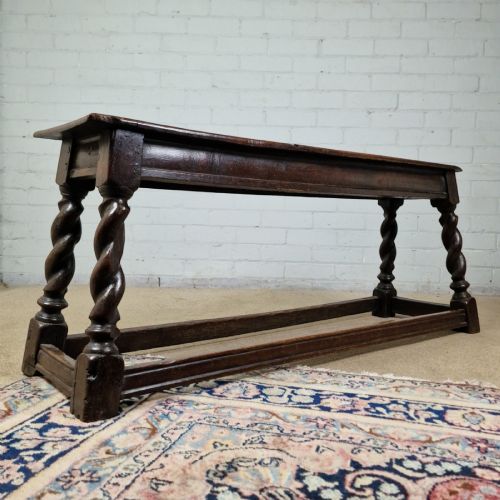
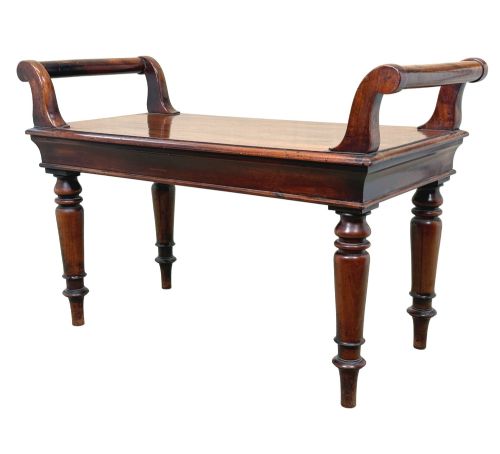
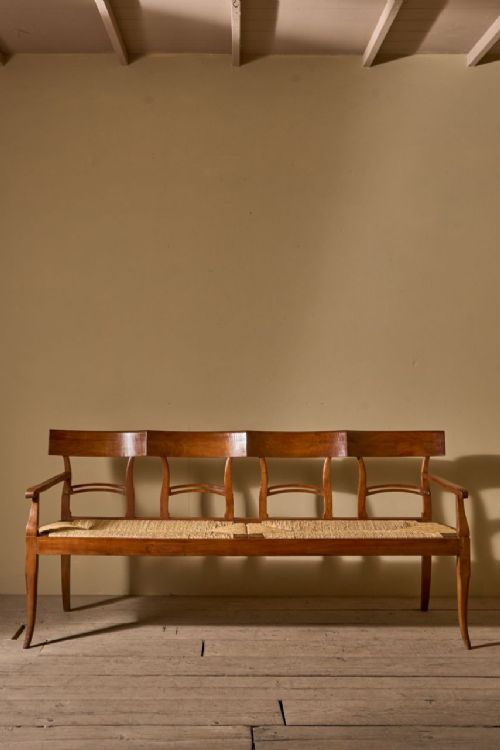
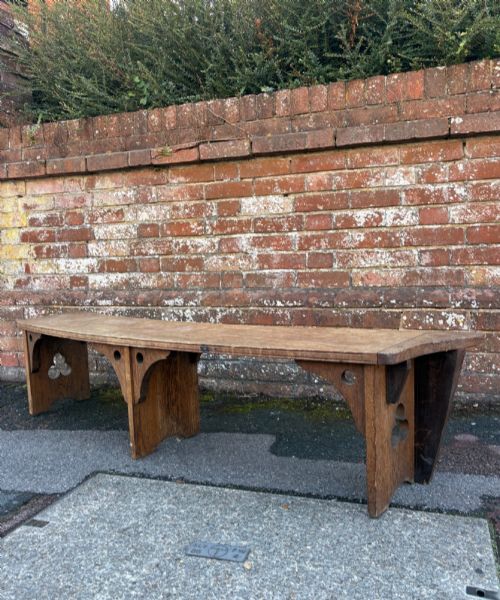
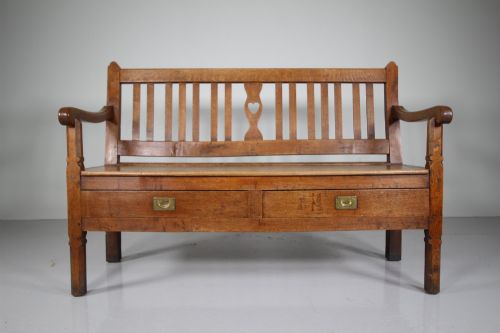
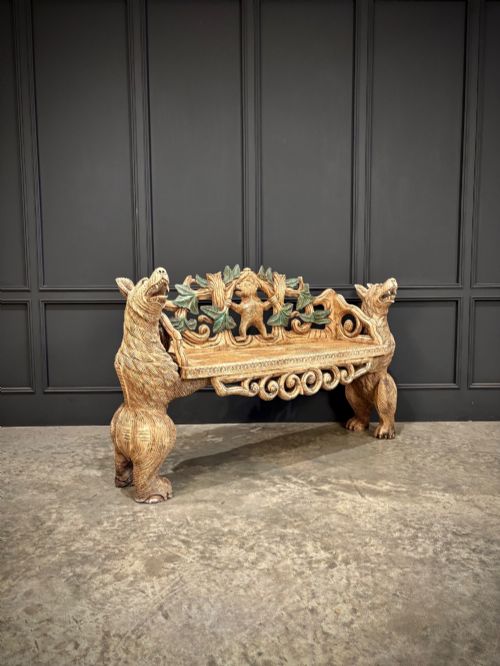
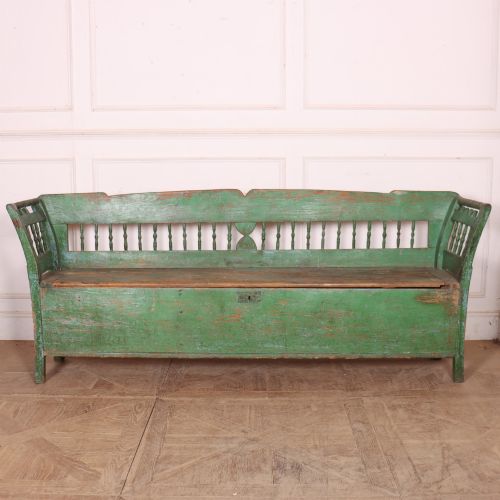
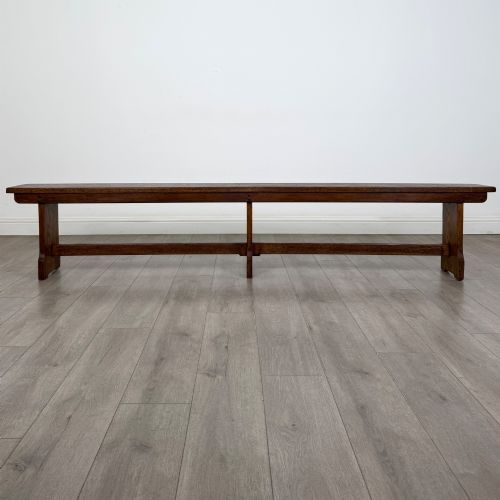
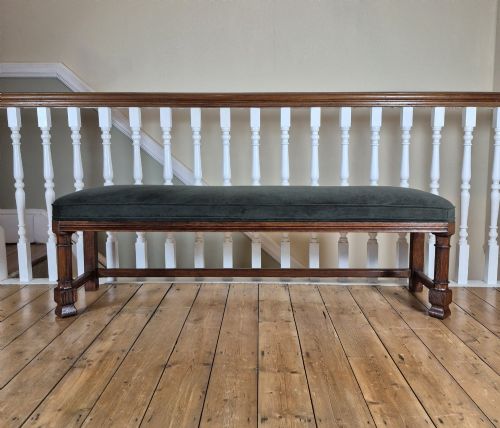

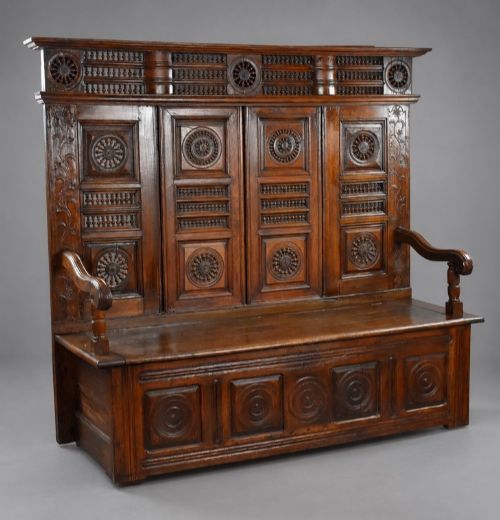
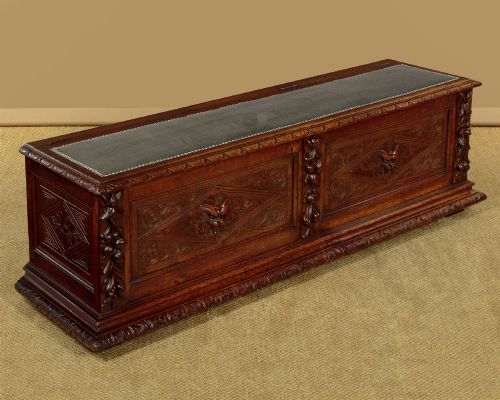
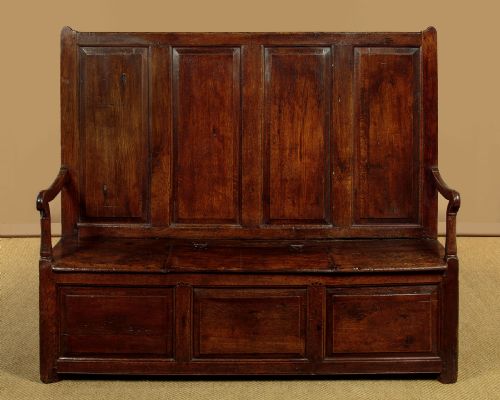
Hall Bench Seat
When you search for a hall bench seat, you are looking at substantial wooden furniture designed for corridors, entryways, and window recesses.
Hall Bench Seat
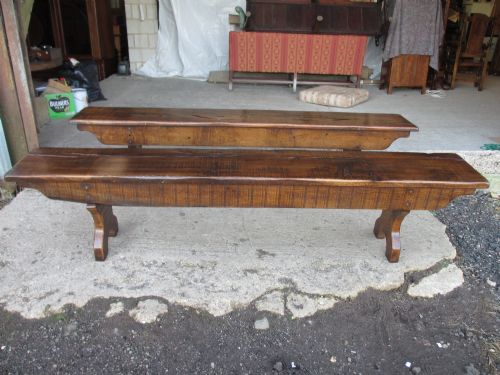
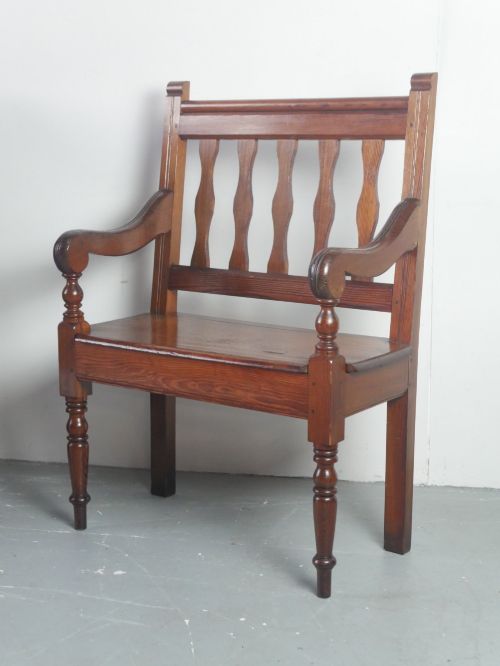
A hall bench seat serves as a practical resting place and a striking focal point in an entryway, hallway, or beneath a large window. The selections span compact one-seater designs, long tavern benches, and multi-functional items incorporating storage.
The most common examples encountered in this category are constructed from solid timber, particularly oak and pine, reflecting vernacular and formal British, French, and Austrian traditions. Pieces range from simple farmhouse forms to elaborate Gothic Revival and Arts and Crafts creations.
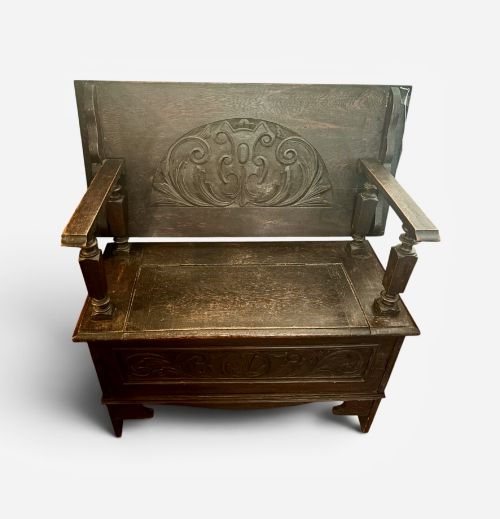
Many of these items double as box settles with hinged lids, monks benches with fold-over table tops, or integrated stick stands and shoe cupboards. Their forms evolved from utilitarian seventeenth-century kitchen seating to decorative nineteenth-century architectural statements.
How they were made
Makers relied heavily on solid timber construction, employing native hardwoods like oak, walnut, and mahogany alongside softer pine for vernacular items. Joinery typically involved traditional mortise and tenon joints, panelled backs, and shaped trestle or turned supports.
Decoration was achieved through deep hand-carving, linenfold panelling, applied brass or iron hardware, and occasional painted finishes. Upholstery, where present, utilised materials such as leather, rush, needlepoint, and tartan fabric secured over webbing or stuffing.
Listings feature oak, pine, mahogany, and walnut timbers across Georgian, Victorian, and Edwardian periods.
What varies in quality
The distinction between standard utility items and finer examples lies in the selection of timber, the depth and crispness of hand-carving, and the integrity of the original joinery. Master cabinetmakers working for notable firms incorporated architectural proportions and sophisticated turning that elevated simple seating into high-status furniture.
Proportions and adaptability also dictate desirability, with narrower profiles, clever dual-purpose mechanisms like fold-over table tops, and untouched surface patinas commanding greater appreciation. Alterations, replaced panels, or stripped surfaces introduce variability across older vernacular pieces.
Gillows·James Shoolbred And Co·Kubbyland
The Hall Bench Seat Glossary
- Box settle
- A high-backed wooden bench featuring a compartment beneath the seat for storing household goods. This form kept drafts away from the sitter while maximising interior storage space.
- Monk's bench
- A versatile piece featuring a hinged back that folds down flat over the armrests to transform the seat into a small table. These items became particularly popular during the Edwardian period.
- Window seat
- A long, narrow bench designed specifically to fit into a bay or recess beneath a window. They frequently display Regency scroll ends or upholstered tops.
- Settle
- An early wooden bench with solid arms, a high panelled back, and enclosed base designed to block cold drafts. They typically accommodated multiple sitters in large halls or kitchens.
- Trefoil
- A three-lobed decorative carving resembling clover leaves, frequently found in Gothic Revival and Arts and Crafts woodwork. This motif echoes ecclesiastical window tracery.
Hall Bench Seat: Frequently Asked Questions
Where should I place a hall bench seat?
These pieces suit narrow entryways, corridors, and wide landings where transitional seating is practical. They also work effectively positioned beneath large windows or against plain hallway walls.
Consider the clearance needed for hinged lids or fold-over tops if you choose a box settle or monk's bench. Proper placement ensures the item functions as both a seat and a structural feature of the room.
How do I use a box settle?
The integrated compartment beneath the seat provides concealed storage for boots, umbrellas, scarves, and household linens. Lift the hinged seat panel to access the space.
The high wooden back originally served to block cold draughts in historical hallways and kitchens. Today, that same high back creates a strong visual boundary in open-plan spaces.
What is a monk's bench used for?
The hinged back panel rotates or folds forward to rest upon the armrests, converting the upright seat into a small tabletop. This dual-purpose design originated in smaller dwellings where space was restricted.
In daily use, it functions primarily as an entryway seat for putting on shoes, with the table conversion remaining an optional feature for compact rooms.
How do I tell different periods apart?
Eighteenth-century examples typically feature heavy oak construction, high panelled backs, and simpler vernacular joinery reflecting country house origins. Nineteenth-century pieces often incorporate stylistic revivals such as Gothic tracery, bobbin turning, or elaborate carved motifs.
Edwardian items tend to feature lighter golden oak, cleaner lines, and Arts and Crafts influence. Examining the timber grain, hardware, and construction methods helps clarify the date.