



Gustavian Painted Pine Cabinet
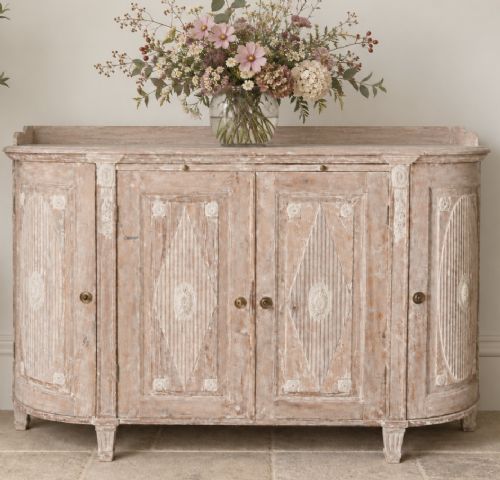
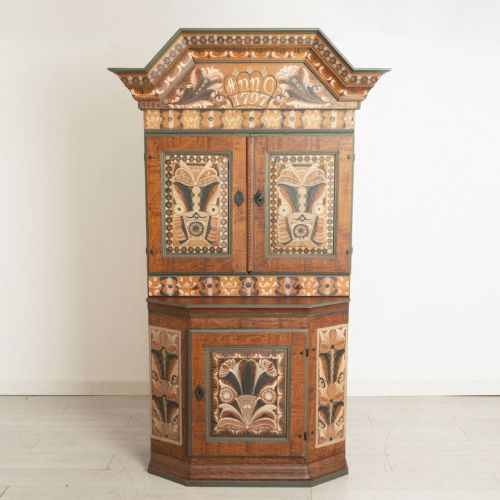
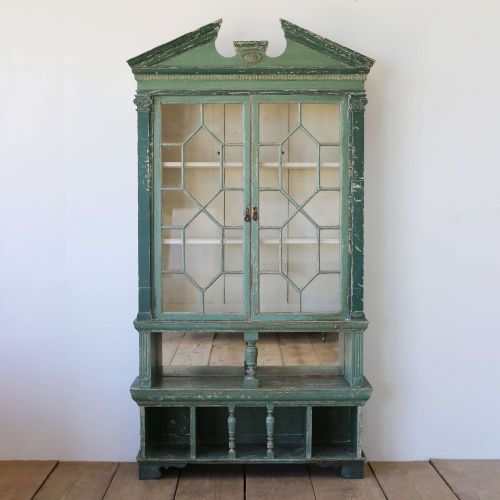
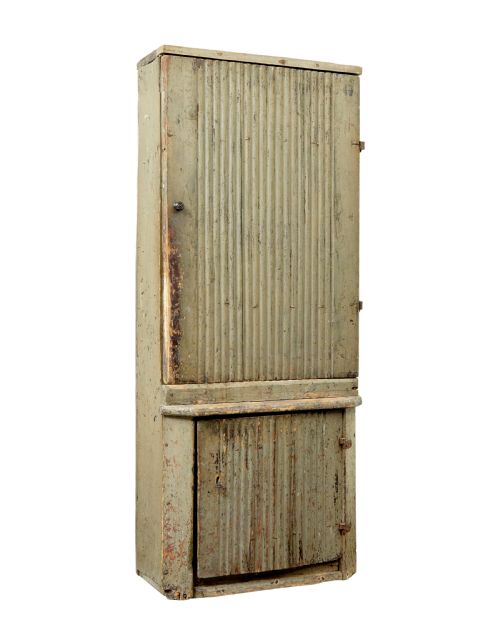
These gustavian painted pine cabinet pieces are functional storage items built from softwood and finished in colour, offering practical room organisation.
Gustavian Painted Pine Cabinet
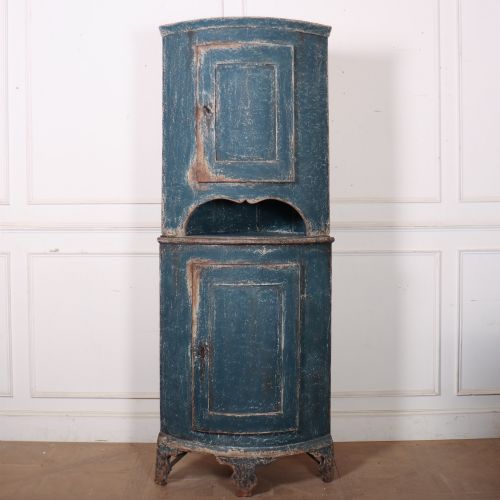
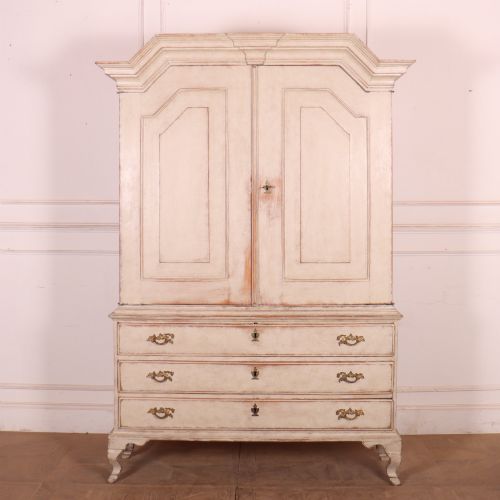
A gustavian painted pine cabinet functions as a storage piece originating primarily from Sweden and wider Scandinavia. These items range from corner cupboards and linen cupboards to bureau bookcase combinations and commodes.
Buyers will encounter nineteenth-century and eighteenth-century examples most frequently on this page. The forms span narrow single-door cabinets, two-door linen cupboards, and larger kitchen cabinets built for domestic storage.
Regional styles embrace Scandinavian country aesthetics alongside formal Gustavian designs. Pieces often feature painted finishes applied over softwood, reflecting northern European interior traditions.
Materials and Technique
Makers constructed these storage pieces using pine and softwood as the primary structural timbers. Iron and brass hardware such as hinges and locks complete the physical assembly.
Surfaces received decorative coats of paint, with some examples displaying scraped paint effects or hand-painted details. Carved pine ornamentation frequently adorns the architectural mouldings and door panels.
Gustavian Painted Pine Cabinet Retail Price Guide 2026
Typical asking prices for gustavian painted pine cabinet among the pieces listed under this phrase on Sellingantiques today, from the lower quarter to the upper quarter. They describe what is for sale here now, not the wider market.
Current listings span the eighteenth and nineteenth centuries, featuring pine and softwood constructions finished in paint alongside glass, iron, and brass.
Judging Quality in Painted Pine Cabinets
The sophistication of the painted finish distinguishes simpler utilitarian furniture from finer decorative work. Original scraped paint surfaces and layered historic colour schemes demonstrate greater integrity than modern repainting.
Structural proportions and joinery precision separate standard country workshop output from more ambitious pieces. Items featuring balanced architectural cornices, well-fitted doors, and harmonious hardware show higher craftsmanship.
The Gustavian Painted Pine Cabinet Glossary
- Gustavian
- The Swedish neoclassical style spanning the late eighteenth and early nineteenth centuries. It draws inspiration from French Louis XVI design while adopting a restrained northern character.
- Softwood
- Timber derived from conifers such as pine, utilised extensively in Scandinavian cabinetmaking. It provided an accessible material that took painted finishes readily.
- Commode
- A low piece of furniture featuring drawers or doors for storage. These examples often appear in matched pairs within the listings.
- Bureau Cabinet
- A combination form integrating a sloping desk flap with enclosed shelving or cupboard space above. These dual-purpose items served domestic writing and storage needs.
Gustavian Painted Pine Cabinet: Frequently Asked Questions
How are linen cupboards different from regular cabinets?
Linen cupboards provide tall interior spaces specifically proportioned for storing textiles and bedding. They frequently utilise two full-length doors to access deep internal shelving.
Standard cabinets may incorporate smaller compartments, drawers, or mixed configurations designed for general household storage rather than folded linens.
Where did these painted cupboards originate?
The pieces originate predominantly from Sweden, with additional examples coming from wider Scandinavian regions including Denmark. Local workshops built them to furnish domestic interiors.
Cabinetmakers utilised native pine and applied regional decorative painting traditions that evolved through the eighteenth and nineteenth centuries.
How should I care for painted pine furniture?
Painted pine surfaces require gentle maintenance using dry or slightly damp cloths to remove dust. Avoid harsh chemical cleaners that could damage historic paint layers.
Maintain stable room humidity levels to prevent timber movement, which can affect door alignment and historical painted finishes.