



Painted Wood Kitchen Cabinet
These painted wood kitchen cabinet pieces bring genuine rustic utility into the home, offering sturdy storage with centuries of character.
Painted Wood Kitchen Cabinet
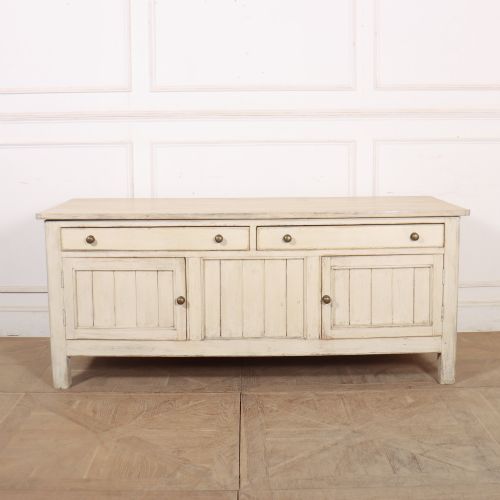
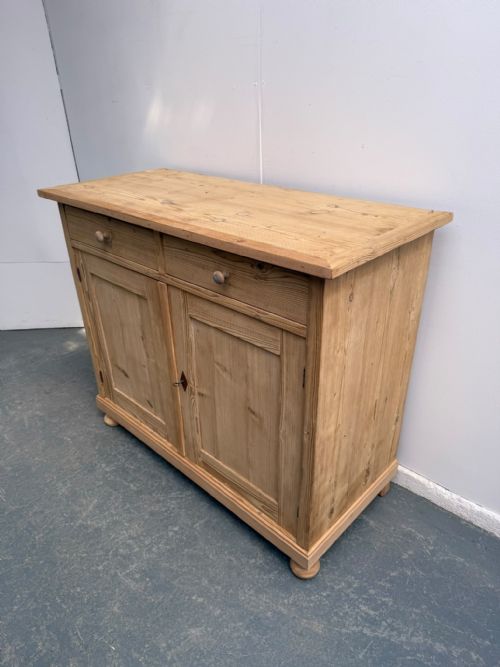
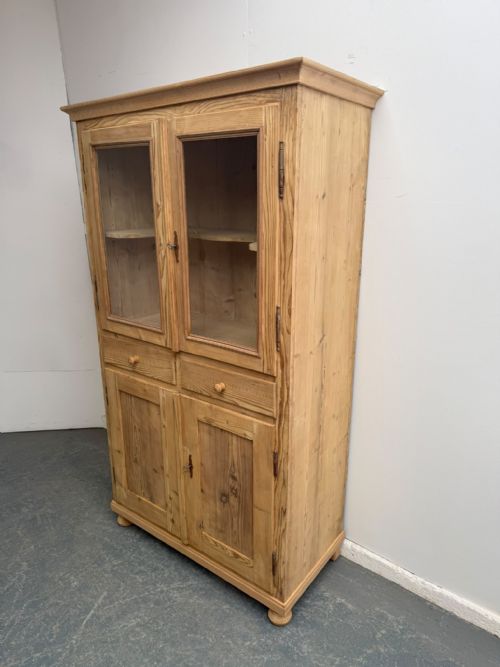
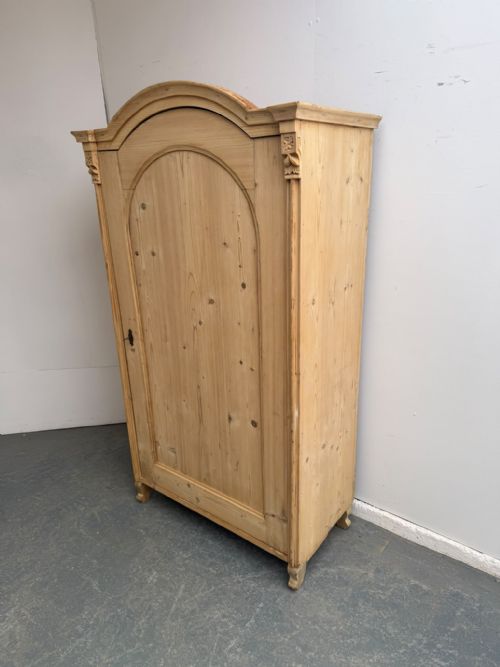
A painted wood kitchen cabinet brings together practical storage and regional character, spanning periods from the eighteenth century through to the Victorian era. Buyers searching this phrase will find a variety of robust utility pieces, including tall display cabinets, shallow dresser bases, and food cupboards.
The versions most frequently encountered here originate from English, French, and Scandinavian traditions such as Gustavian and Swedish country styles. These utilitarian items served everyday domestic purposes in farmhouse kitchens and pantries before finding a place in modern homes.
Forms range from two-door and four-door glazed display units to wide arched cupboards and buffet de corps structures. Each piece reflects the functional requirements of its original setting, constructed to hold provisions, crockery, or household stores.
Materials and construction methods
Pine forms the structural core of these pieces, selected for its availability and workability by regional makers. Surfaces are finished with paint, including traditional ragwork techniques, or left bare for waxing.
Iron and brass provide the functional hardware such as hinges, latches, and pulls, whilst metal mesh and glass feature in door panels for ventilation or display. These materials combine to create durable furniture designed for heavy daily use.
Painted Wood Kitchen Cabinet Retail Price Guide 2026
Typical asking prices for painted wood kitchen cabinet among the pieces listed under this phrase on Sellingantiques today, from the lower quarter to the upper quarter. They describe what is for sale here now, not the wider market.
Ragwork paint finishes on nineteenth-century Swedish cupboards show where a decorator's rag once left a personal swirl in the dry pigment.
Distinguishing quality in traditional storage
Quality reveals itself in the integrity of the timber framing and the authenticity of the painted surface layers. Superior examples retain their original proportions and structural soundness without excessive replacement of core components.
The refinement of regional decorative details, from Gustavian arched profiles to French provincial mouldings, separates standard utilitarian items from more accomplished country pieces. Original hardware and undisturbed patination further elevate the standing of a piece within its style.
The Painted Wood Kitchen Cabinet Glossary
- Dresser base
- A low storage unit featuring cupboards or drawers, traditionally used for food preparation and storing kitchen utensils in country houses. They form the lower section of a traditional Welsh dresser.
- Food cupboard
- A specialised storage piece constructed with ventilated panels or mesh to keep provisions cool and protected from pests. These utilitarian items were essential in nineteenth-century kitchens.
- Gustavian
- The Swedish neoclassical style spanning the late eighteenth and early nineteenth centuries, characterised by restrained symmetry and pale painted finishes. It adapts classical motifs for northern European country homes.
- Buffet de corps
- A large, substantial French storage cabinet, usually featuring lower cupboard doors and sometimes an upper section. This traditional regional form provides extensive capacity for household linens and tableware.
- Ragwork
- A decorative paint technique where rags or cloths are used to apply or manipulate colour on a surface, creating a textured, mottled finish. It appears frequently on nineteenth-century Scandinavian country furniture.
Painted Wood Kitchen Cabinet: Frequently Asked Questions
What is a dresser base?
A dresser base is a heavy, low-profile storage unit fitted with drawers and cupboards below a flat top surface. These pieces provided essential workspace and storage in traditional kitchens before fitted units became common.
They appear in various regional styles, from English pine to French provincial designs, offering robust utility for modern living spaces.
How do I care for antique pine?
Antique pine benefits from gentle cleaning with a soft cloth and minimal moisture to protect the timber and historic paint surfaces. Avoid placing these pieces in areas with direct sunlight or fluctuating humidity to prevent wood movement.
Regular applications of appropriate wax help nourish unpainted wooden elements and maintain the subtle sheen built up over generations.
What defines Gustavian furniture?
Gustavian pieces draw on French neoclassical design translated through a distinctly Swedish country aesthetic during the eighteenth and nineteenth centuries. They are recognised by lighter proportions, straighter lines, and pale painted finishes.
Carved fluting and understated geometric mouldings replace heavier baroque ornamentation, making these items versatile in contemporary interiors.
Where were food cupboards used?
Food cupboards stood in farmhouses and pantries to store perishables, dry goods, and dairy products securely away from household pests. Their construction often incorporated metal mesh or pierced wooden panels to allow air circulation.
Today, these ventilated cabinets translate well into kitchens or dining rooms as linen presses or general storage cupboards.
How do I identify a buffet de corps?
A buffet de corps is a substantial French regional cupboard, typically standing tall with heavy panelled doors enclosing ample shelving space. Originating from provincial dining rooms and kitchens, these imposing units served to store heavy tableware and provisions.
Their robust construction and distinct regional mouldings set them apart from standard English or Scandinavian dressers.