



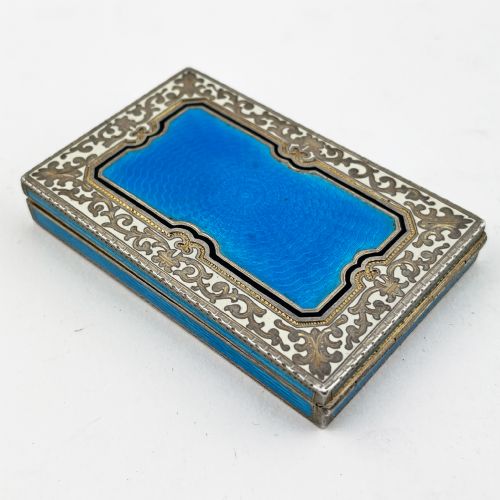
Guilloche Silver Box
A guilloche silver box brings together precision metalwork and luminous enamel, offering a tactile piece of dressing table history.
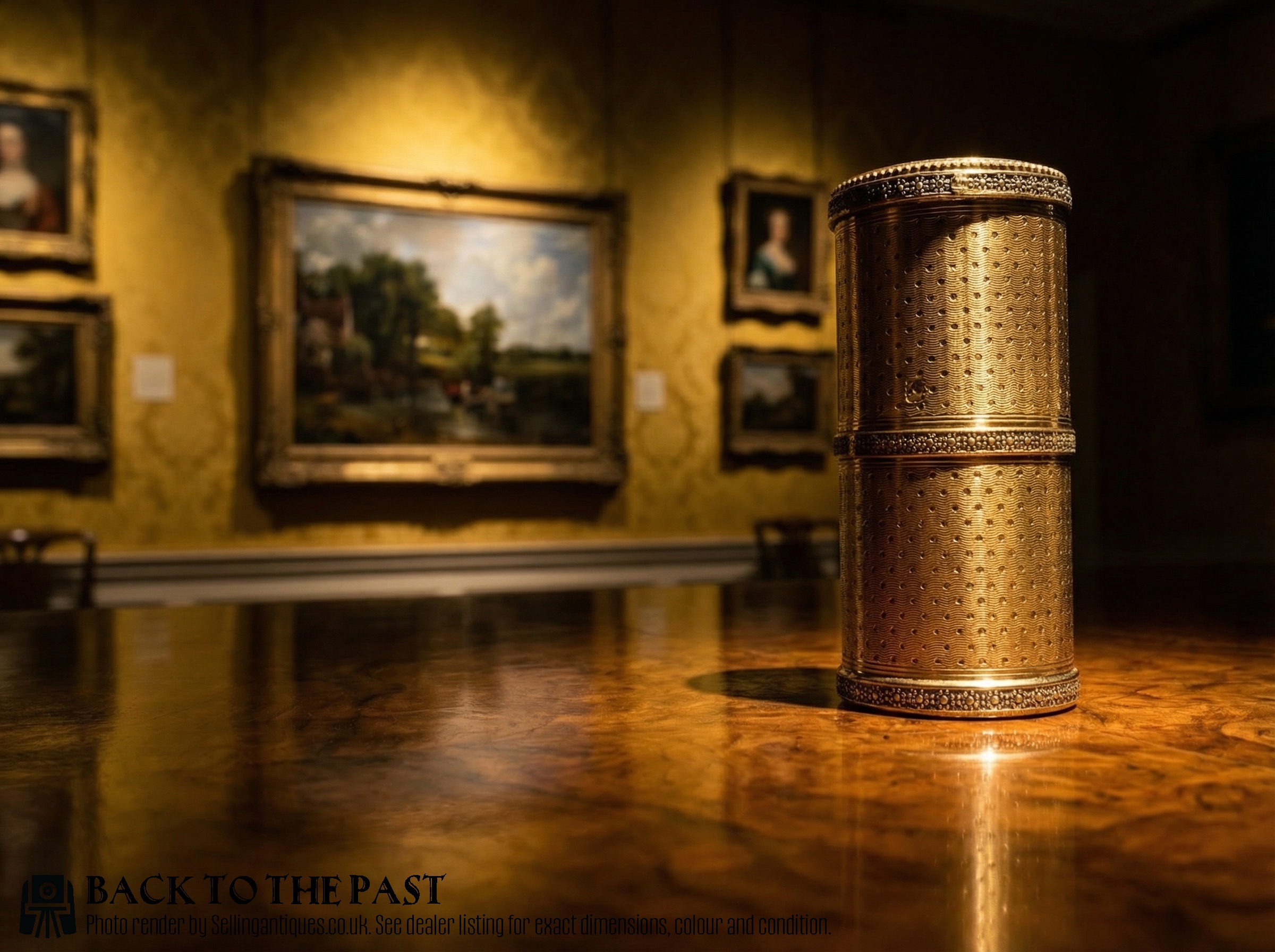
Guilloche Silver Box
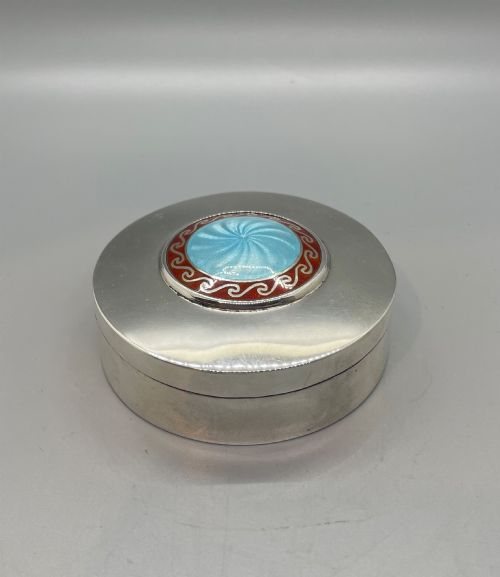
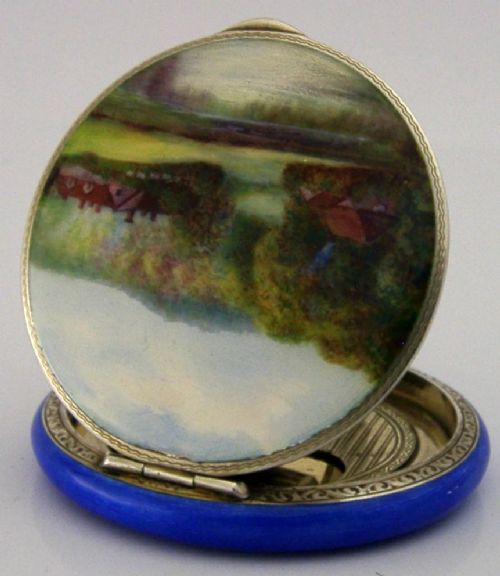
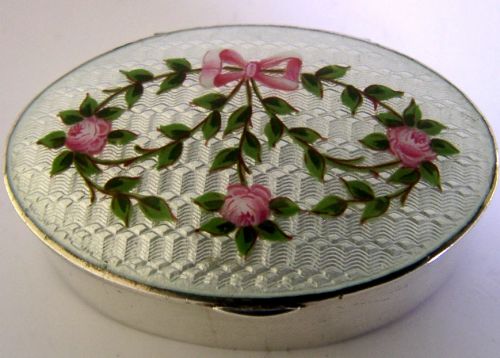
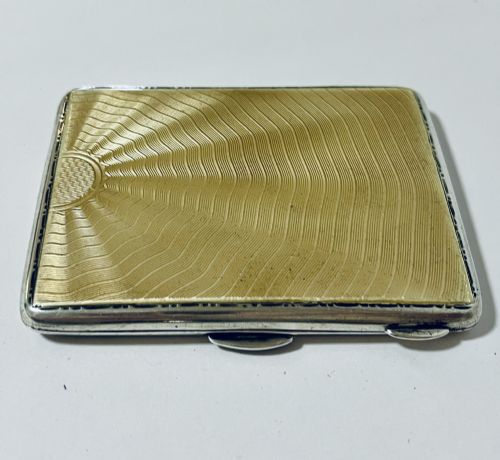
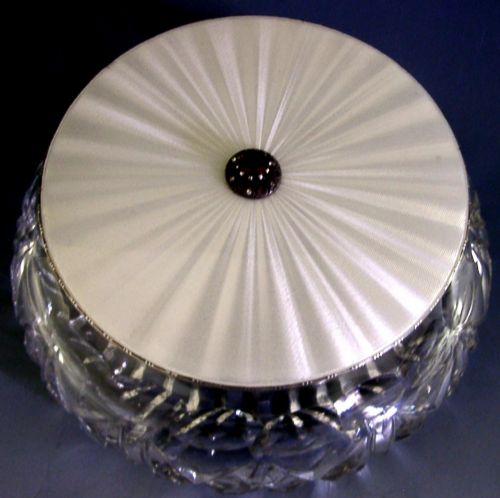
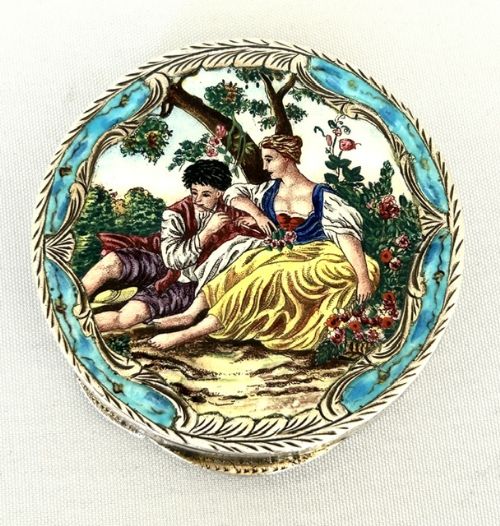
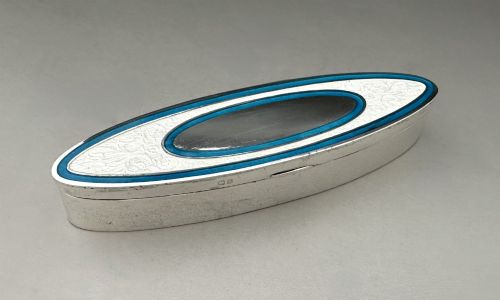
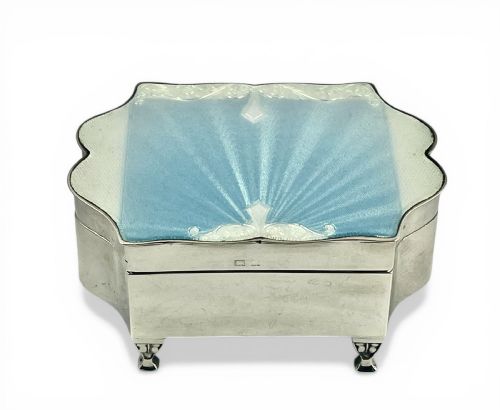
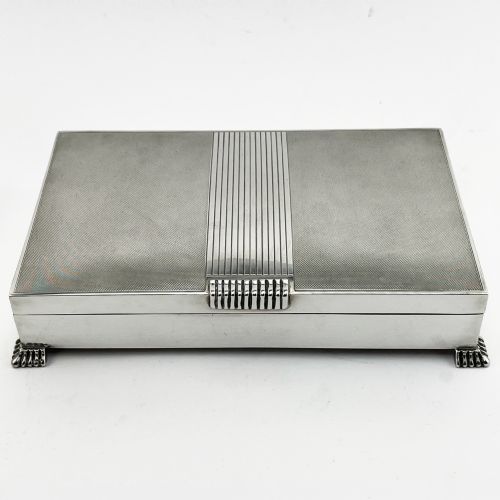
A guilloche silver box encompasses a range of small containers designed for personal adornment and grooming, including pill boxes, powder compacts, dressing table jars, and larger jewellery boxes. These pieces emerge predominantly from the Edwardian era through the Art Deco period, showcasing geometric patterns or floral motifs beneath translucent coatings.
The selection on this page centres on items fashioned from sterling silver or continental silver, paired frequently with glass bodies or velvet linings. Buyers encounter compacts, trinket boxes, and jars that reflect the stylistic shifts from ornate Edwardian designs to streamlined Mid-Century Modern forms.
How They Were Made
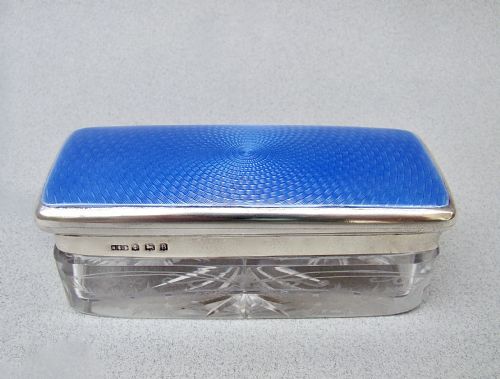
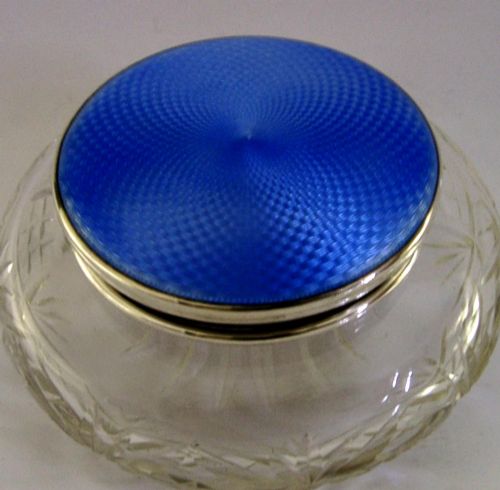
Silversmiths utilised mechanical lathe turning, known as engine-turning, to carve precise, repeating geometric patterns directly into the metal surface. This technique creates a textured base that catches and reflects light through subsequent layers of application.
Vitreous enamel, composed of powdered glass melted onto the silver at high temperatures, was applied over the patterned metal to produce a translucent coloured finish. Artisans often combined this process with hand-painted botanical details or gilt metal mounts to complete the containers.
Listings feature items spanning from the Edwardian period through the 1960s, utilising sterling silver, glass, velvet, and vitreous enamel.
What Varies in Quality
The refinement of the underlying engine-turned pattern dictates the visual depth of the piece, with tighter, more consistent geometric incisions producing a superior play of light beneath the translucent coating. Simpler stampings lack the intricate optical movement found in finer examples.
The integrity and clarity of the vitreous enamel layer separate standard production from exceptional works, as smooth surfaces free from chipping or excessive pitting demonstrate greater technical control by the maker.
Henry Clifford Davis·Henry Matthews·Saunders & Shepherd·Levi & Salaman·Cohen & Charles·Steinhart & Co·Deakin & Francis·Turner & Simpson·F B Reynolds·Elkington & Co·Goldsmith's and Silversmith's Co.·David Andersen·Houbigant·Cartier·Hermes·Evans
The Guilloche Silver Box Glossary
- Guilloche
- A decorative technique involving a mechanical lathe to engrave precise geometric patterns into metal. This process forms the textured foundation beneath translucent enamel layers.
- Vitreous Enamel
- A material made by fusing powdered glass to a metallic substrate through high-temperature firing. It creates a smooth, glossy, and coloured surface across silver boxes.
- Sterling Silver
- An alloy consisting of silver and other metals, typically copper, standardising at a purity proportion of ninety-two point five percent. It provides the structural body for many antique boxes and jars.
- Engine-Turned
- A method of mechanical decoration where a machine guides a cutting tool to produce intricate, repeating linear designs. This process ensures absolute symmetry on metal lids and cases.
- Silver-Gilt
- Silver that has been coated with a thin layer of gold over its exterior surface. This finish provides a warm tone to the interior or exterior of dressing table containers.
Guilloche Silver Box: Frequently Asked Questions
What were these small silver boxes used for?
These containers served practical roles in daily grooming and personal organisation, holding items such as loose powder, rouge, pills, or stamps. Ladies kept them on dressing tables or carried them in evening bags for quick touch-ups.
Larger versions accommodated trinkets, jewellery, or cigarettes. Their combination of precious metals and coloured surfaces made them both functional accessories and decorative objects.
How can I date a guilloche silver box?
Dating relies heavily on hallmarks stamped into the silver, which indicate the assay office, standard of purity, and year of manufacture. Stylistic markers also provide a clear timeline, moving from ornate Edwardian floral designs to geometric Art Deco patterns.
Examining the manufacturing techniques and any accompanying maker marks helps narrow down the period. Pieces from the early twentieth century often display distinct regional assay stamps.
How do I clean an enamel and silver box?
Maintenance requires gentle care to protect both the delicate glass coating and the aged metal surface. Using a soft, dry cloth removes dust without risking abrasion to the enamel or scratching the silver.
Harsh chemical dips and abrasive polishes must be avoided entirely, as they damage the vitreous layer and strip away patination. Professional silver cleaner should only touch the unvarnished metal portions with careful precision.