

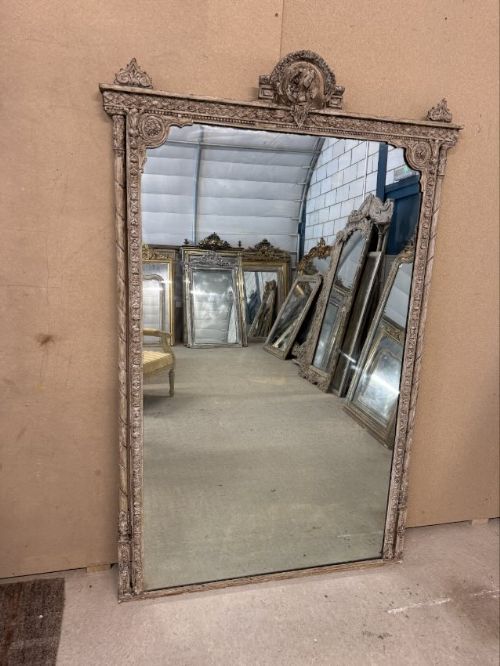
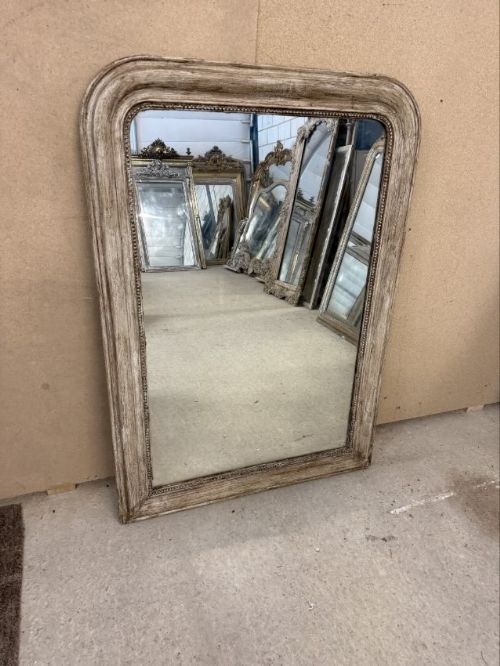
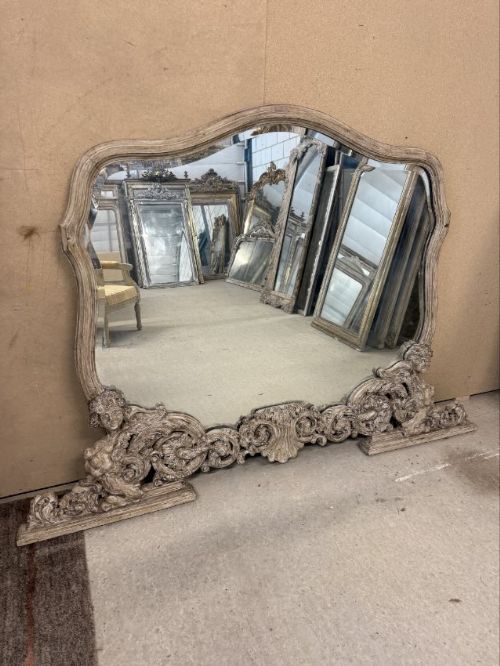
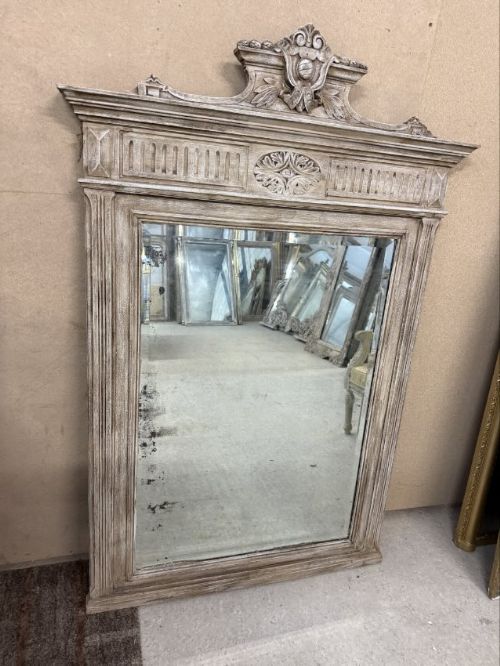
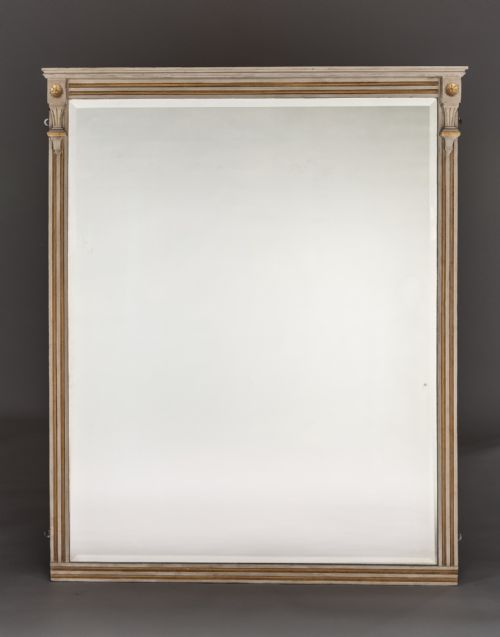


Grey Wall Mirror
A grey wall mirror brings depth and quiet light to a room, drawing the eye with muted painted tones and carved wooden frames.
Grey Wall Mirror
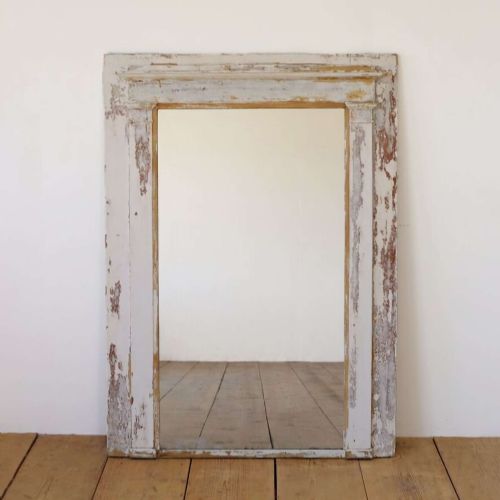
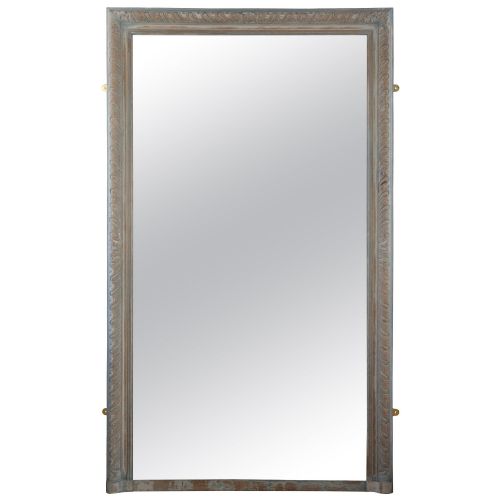
When you search for a grey wall mirror, you encounter large overmantel frames, pier mirrors and architectural trumeaux dating across the nineteenth century. French and English workshops dominate these pieces, utilising painted finishes that soften heavy timber and plaster ornamentation.
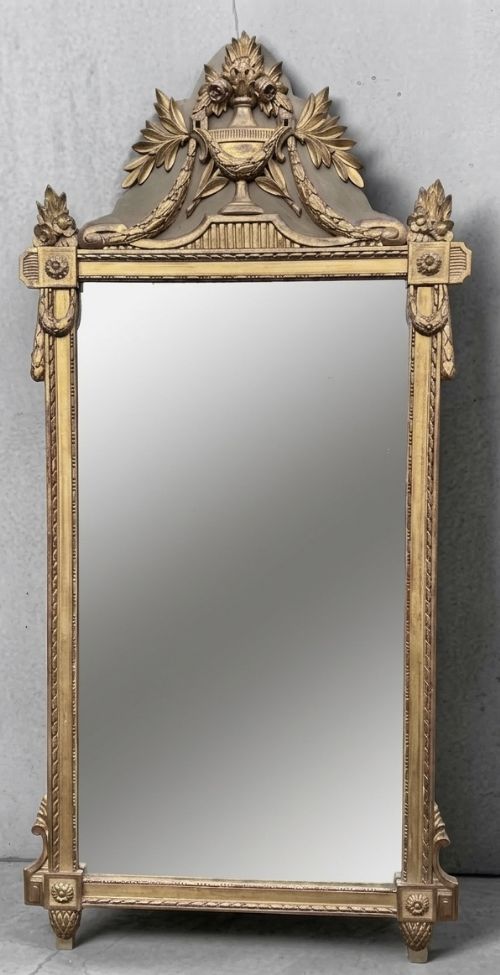
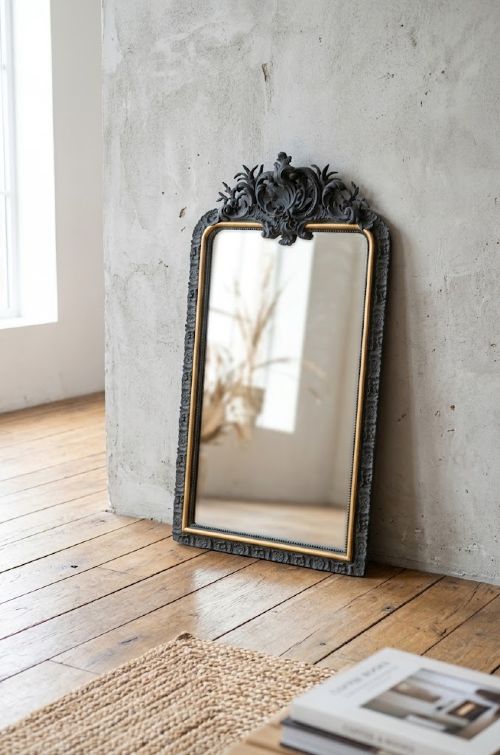
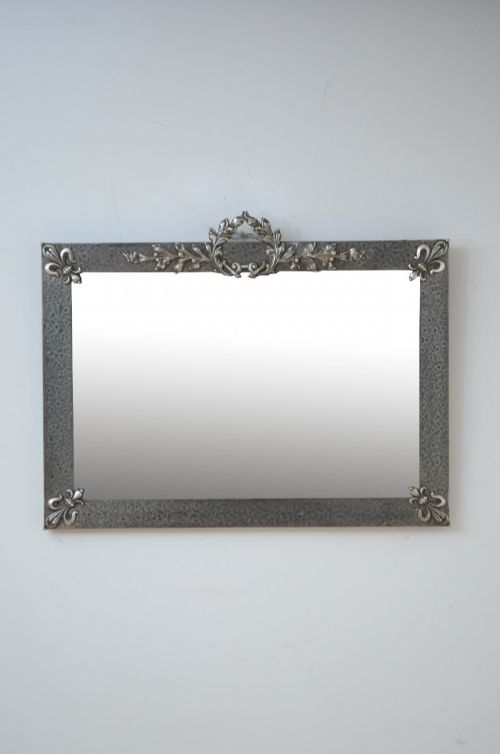
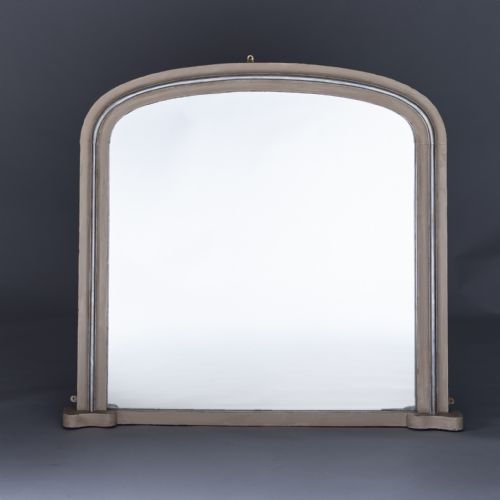
The most common examples on this page are substantial nineteenth-century overmantel and wall mirrors finished in grey paint, often paired with parcel-gilt or parcel-silvered detailing. These pieces frequently incorporate carved wood and gesso frames shaped with arched tops or classical architectural columns.
Beyond standard wall hanging formats, the selection includes French bistro mirrors, pier glasses and occasional console tables. These forms reflect nineteenth-century interior styles ranging from Victorian and Arts and Crafts to French Empire and Rococo.
How they were made
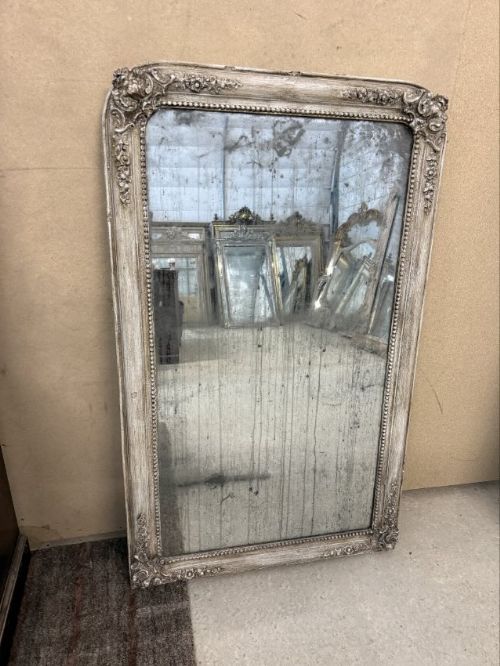
Maker workshops constructed these frames primarily from carved wood and layered gesso, building up elaborate relief decoration before applying paint and gold or silver leaf. Artisans often utilised mercury glass for the plates, creating the characteristic mottled reflection found in older examples.
Surfaces received multiple coats of paint to achieve the muted grey tones seen across English and French pieces. Parcel-gilding and parcel-silvering were then applied by hand to highlight carved mouldings, floral reliefs and scrollwork.
Grey Wall Mirror Retail Price Guide 2026
Typical asking prices for grey wall mirror among the pieces listed under this phrase on Sellingantiques today, from the lower quarter to the upper quarter. They describe what is for sale here now, not the wider market.
The listings feature mirrors spanning the nineteenth century, utilising wood, gesso, glass, and paint.
What varies in quality
Quality rests in the crispness of the hand-carved wood and gesso relief work, where deeply undercut ornaments and well-defined motifs signal superior craftsmanship. Masser frames or heavily worn plaster casts lack the sharp articulation found in better nineteenth-century examples.
The integrity of the mirror glass and the depth of the painted finish also separate standard pieces from exceptional ones. Original mercury glass plates with natural foxing hold greater visual character than plain modern replacements.
The Grey Wall Mirror Glossary
- Overmantel mirror
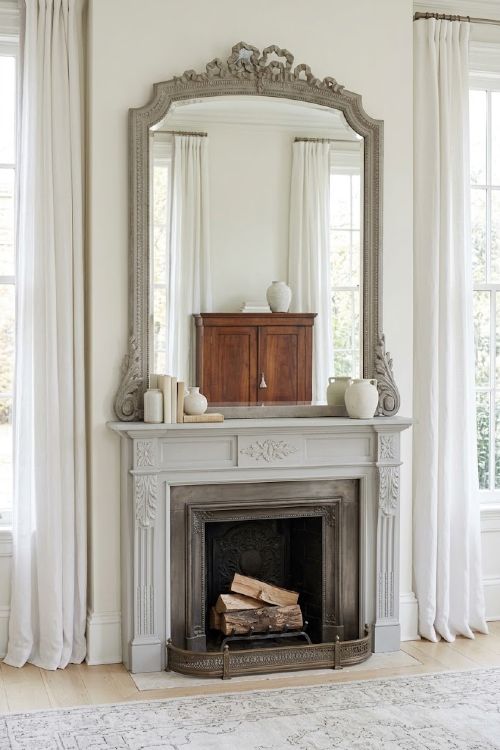
- A large mirror designed specifically to hang above a fireplace mantelpiece. These pieces often feature wide horizontal proportions and arched or shaped tops.
- Trumeau mirror
- A decorative wall mirror incorporating a painted or carved panel above the glass plate. Originating in French interior design, they were often built into wall panelling.
- Gesso
- A plaster-like mixture applied to wood frames to create a smooth surface for carving and gilding. Artisans mould intricate relief decorations directly into this material.
- Parcel-gilt
- A decorative technique where only specific parts of an object are covered in thin gold leaf. This method highlights carved details against a painted background.
- Mercury glass
- A double-walled glass blown type silvered with a mercury amalgam between the layers. It produces a distinctive misty reflection with dark spots known as foxing.
Grey Wall Mirror: Frequently Asked Questions
How do I hang a heavy overmantel mirror safely?
Large overmantel mirrors require robust wall fixings secured directly into masonry or wall studs to support their substantial timber and glass weight. Professional mirror hangers usually employ heavy-duty brackets and wire rated well above the actual mass of the frame.
Position the mirror at a height that reflects natural light from windows or balances the proportions of the surrounding furniture. Ensuring the weight distributes evenly across multiple fixing points protects both the wall and the antique frame.
What is the difference between a pier mirror and an overmantel mirror?
Pier mirrors were traditionally manufactured to hang on the narrow wall space between two windows, often standing above matching console tables. Their proportions tend to be taller and narrower than those of mantel mirrors.
Overmantel mirrors are wider horizontal pieces built to anchor the space above a fireplace opening. Both types utilise similar painted wood and gesso construction methods from the nineteenth century.
How should I clean antique mirror glass?
Clean antique glass gently using a soft microfibre cloth and a mild, ammonia-free cleaning solution sprayed onto the cloth rather than the mirror. Avoid soaking the edges of the glass where moisture can seep behind the silvering and cause further degradation.
Older mercury glass plates feature delicate historical patination that scrubbing can damage permanently. Regular dusting with a dry cloth keeps the surface clear without risking the historic silver backing.
How do I date a painted nineteenth-century mirror?
Dating relies on examining the construction joints, the backing boards, and the composition of the frame materials. Nineteenth-century pieces frequently show hand-cut timber joinery and layered gesso that reacts differently to age than modern synthetic alternatives.
The style of the carved ornamentation, such as French Empire motifs or Victorian parcel-gilt detailing, provides further clues to the decade of manufacture. Original mirror glass with natural foxing also helps confirm the period of the piece.