






Grey Top Accent Table
A grey top accent table brings a refined stone or painted surface to a compact footprint, offering both practicality and understated decorative presence.
Grey Top Accent Table
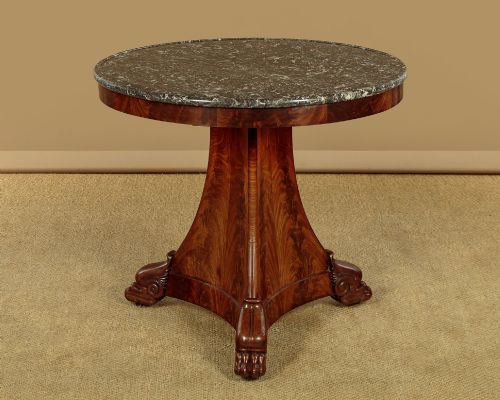
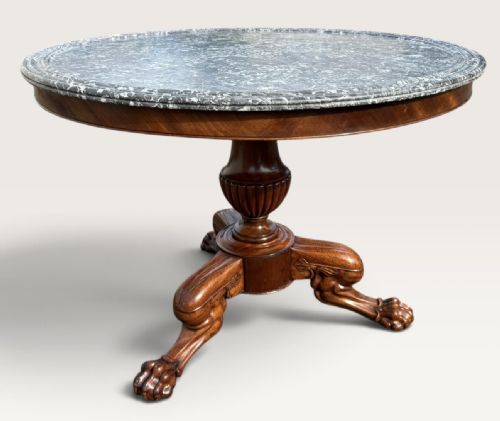
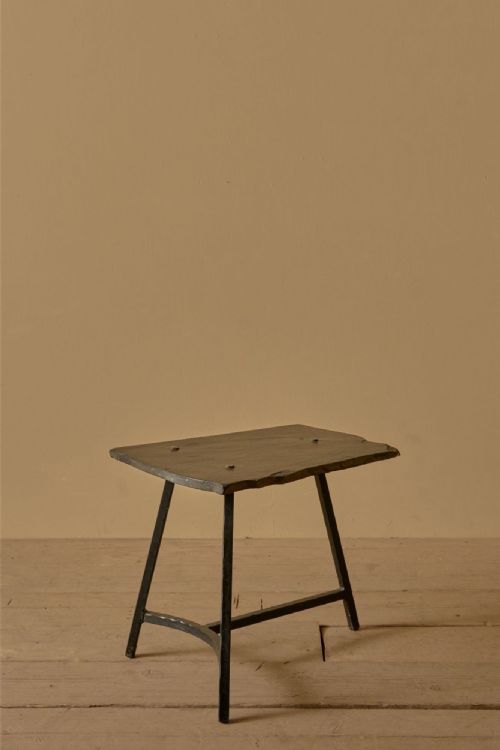
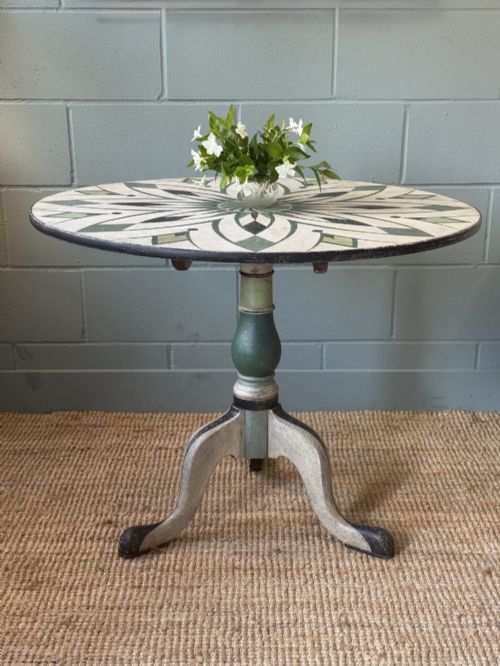
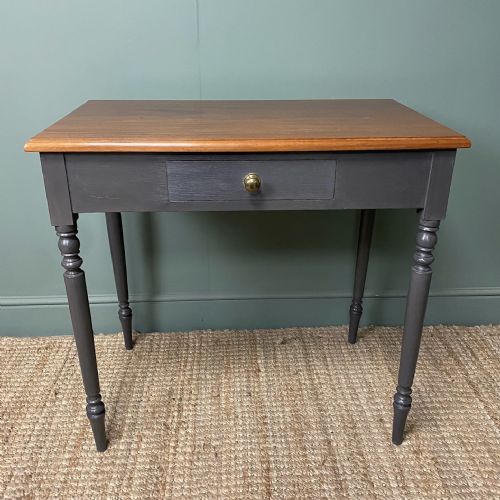
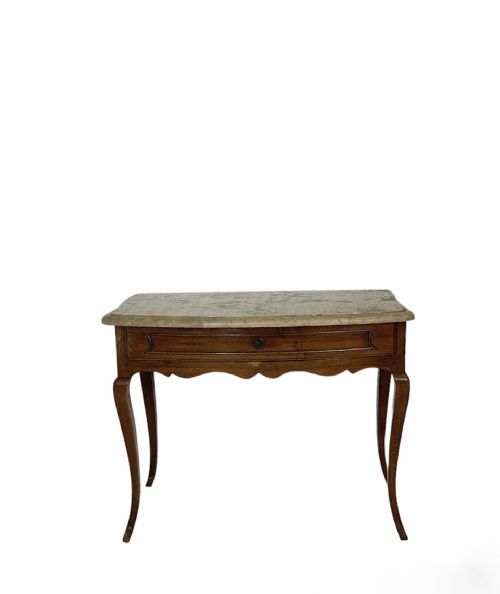
When searching for a grey top accent table, you encounter a variety of forms including side tables, occasional tables, centre tables, bedside tables, and console tables. These pieces span periods from the eighteenth century through the Victorian era and into the early twentieth century.
How they were made
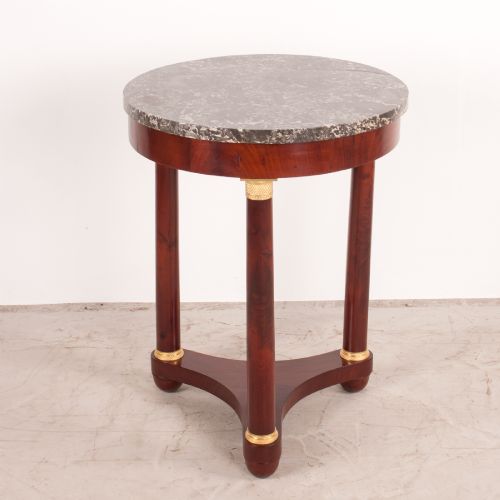
Construction relies heavily on traditional cabinet timbers like mahogany, rosewood, and general painted wood, paired frequently with cool stone or marble inserts. Artisans employed detailed techniques such as mother of pearl inlay and parcel-gilding to enhance the visual depth of the woodwork.
Metal mounts in brass and gilt-bronze appear on specific French and nineteenth-century examples, securing structural joints while adding ornamental contrast to the dark woods and pale stone tops.
Grey Top Accent Table Retail Price Guide 2026
Typical asking prices for grey top accent table among the pieces listed under this phrase on Sellingantiques today, from the lower quarter to the upper quarter. They describe what is for sale here now, not the wider market.
The inventory records marble and painted wood as the most prevalent surface materials for these tables.
What varies in quality
Quality in these pieces rests upon the crispness of carved details, such as rams heads or floral motifs, and the precise integration of marble tops into the wooden frame. Finer examples display superior timber selection and more accomplished hand-applied paint or inlay work.
Proportion and structural balance also distinguish finer workshops from more utilitarian production, ensuring the table holds visual harmony within a room.
Zwiener Jansen Sucesseur·Gillows
The Grey Top Accent Table Glossary
- Guéridon
- A small French table, typically round and supported by a central pillar or tripod base. This form frequently incorporates a marble top.
- Marble top
- A stone slab fitted to the surface of a table, prized for its cool touch and durable nature. It offers a smooth, water-resistant plane.
- Gilt-bronze
- Copper alloy finished with a layer of gold, used for decorative mounts and accents on nineteenth-century furniture. It provides a bright metallic contrast to dark timber.
- Mother of pearl inlay
- The embedding of iridescent shell fragments into wooden surfaces to create decorative patterns. This technique reflects light gently against darker backgrounds.
- Tilt top
- A tabletop hinged to its base so it can be tilted vertically when not in use. This mechanism allowed tables to be stored flat against walls in smaller spaces.
Grey Top Accent Table: Frequently Asked Questions
What is a gueridon table?
A gueridon is a traditional French small circular table, usually supported by a central column or three legs. These tables often feature marble tops and originated in the seventeenth century.
Over time, the form evolved through various stylistic periods like Empire and Napoleon III, becoming a popular accent piece for living spaces.
How do I use an accent table?
Accent tables provide convenient surface space next to armchairs, sofas, or beds for lamps and drinks. Their compact sizes allow them to fit easily into unused corners or narrow hallways.
Heavier marble-topped versions also serve well as display surfaces for sculptures, vases, or framed photographs.
Are marble tops original?
Many period tables were built specifically to house heavy stone inserts, particularly French and nineteenth-century designs. Examining the fit and the supporting framework helps determine if the top belongs to the original construction.
Replacement marble slabs do occur on older pieces due to accidental breakage over centuries of domestic use.
How do I care for wood and marble?
Wooden surfaces benefit from occasional polishing with suitable natural waxes to nourish the grain and maintain a soft sheen. Marble requires gentle cleaning with damp cloths, avoiding acidic substances that can etch the polished stone finish.
Using coasters and placemats protects both materials from moisture and heat damage during daily use.