

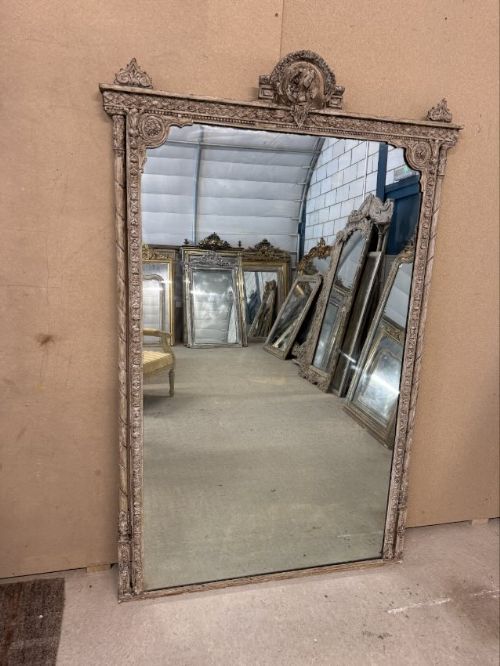
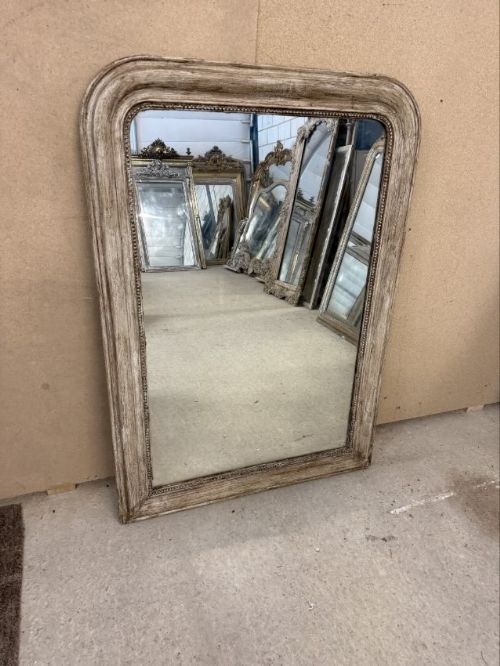
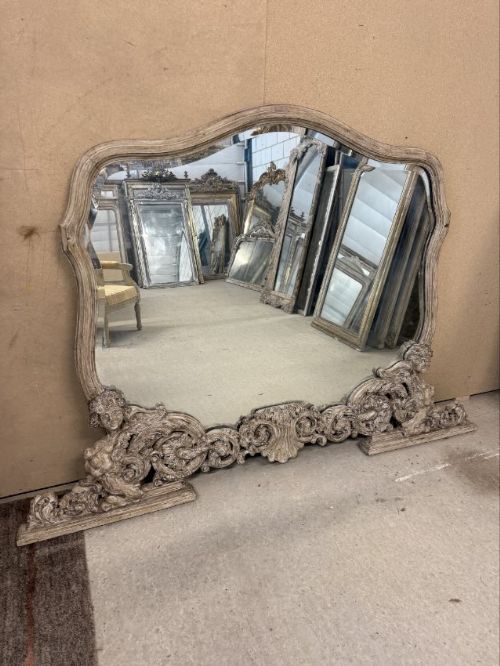
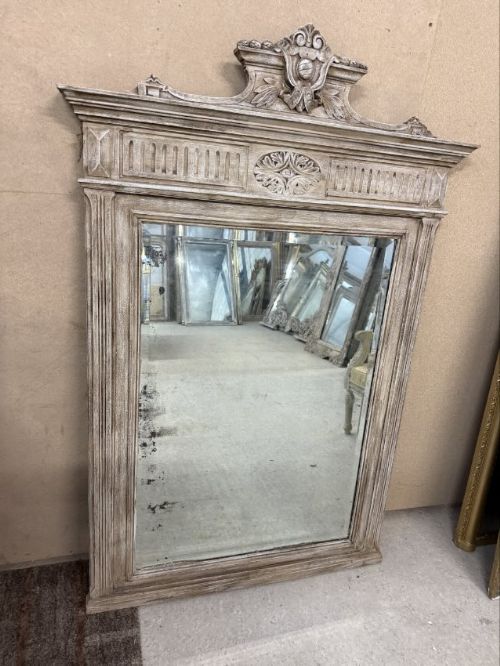

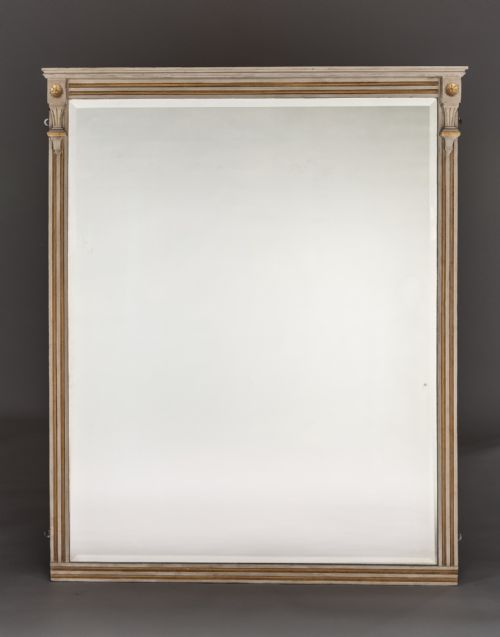
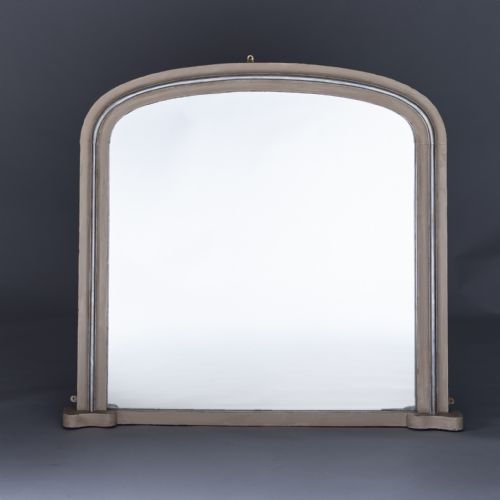


Grey Painted Wall Mirror
Grey painted wall mirror designs bring nineteenth-century French and English character to a room through carved wood, gesso, and aged glass.

Grey Painted Wall Mirror
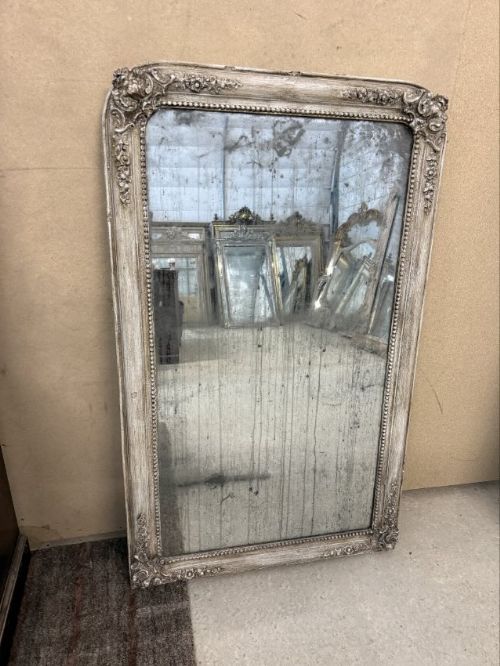
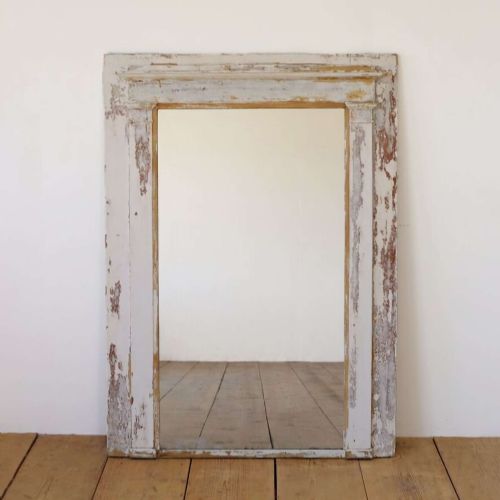
When you search for a grey painted wall mirror, you encounter substantial overmantle mirrors, tall trumeau panels, and architectural pier mirrors dating primarily from the nineteenth century. These pieces originate from both English workshops and French provincial or chateau settings, reflecting domestic and formal interiors of the period.
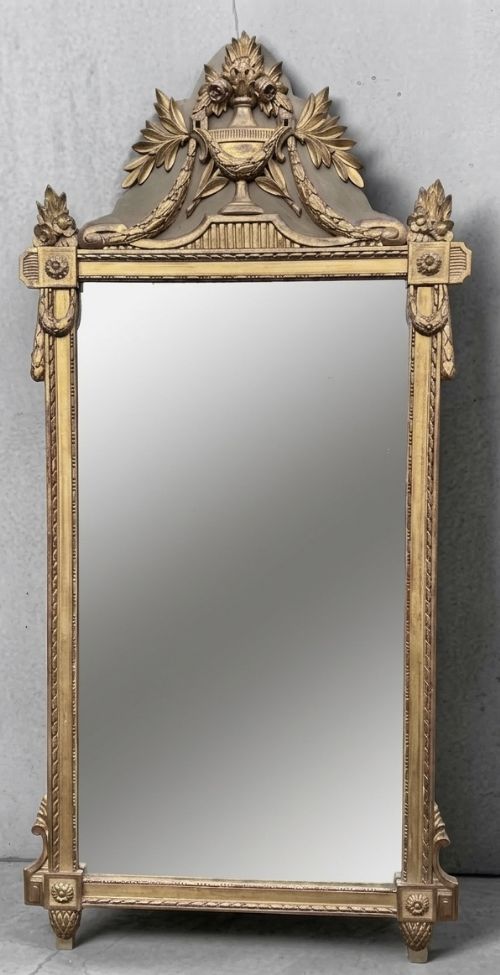
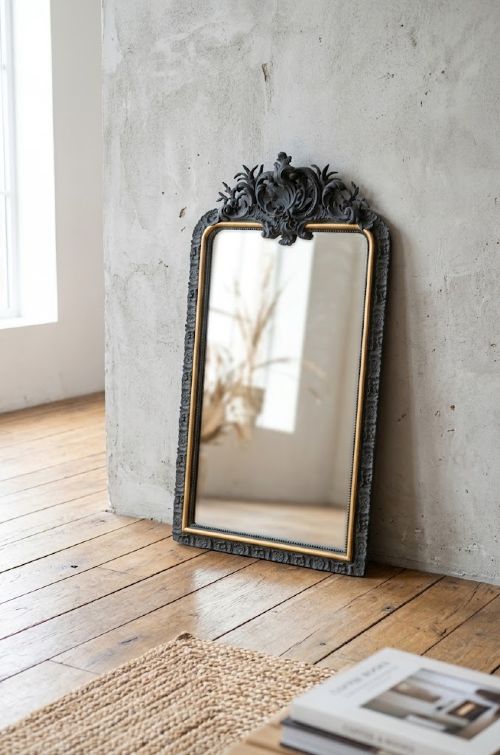
The dominant forms on this page include arched top frames, shaped crests, and rectangular formats designed to hang above mantelpieces or along drawing-room walls. Many examples incorporate carved wooden decoration, gesso mouldings, and distinct decorative panels framing the glass plates.
How they were made
Craftsmen shaped these frames from carved wood, applying layers of gesso to build up intricate relief details such as scrolls, columns, and floral motifs before painting the surfaces. Parcel-gilt or parcel-silvered highlights were frequently added to accent the carved elements against the grey painted ground.
The glazing relies on traditional mirror glass, occasionally featuring mercury silvering or period imperfections that catch the light unevenly. Frames span considerable dimensions, requiring robust timber construction to support the heavy glass plates securely.
Grey Painted Wall Mirror Retail Price Guide 2026
Typical asking prices for grey painted wall mirror among the pieces listed under this phrase on Sellingantiques today, from the lower quarter to the upper quarter. They describe what is for sale here now, not the wider market.
Listings span the period from eighteen-fifty to nineteen-twenty, featuring wood, gesso, paint, and gold leaf.
What varies in quality
The distinction between standard and superior pieces rests on the depth and crispness of the hand-carved wood and gesso ornamentation. Finer examples display meticulous relief work on shaped crests and architectural mouldings rather than simple cast plaster replacements.
Integration of the painted finish also dictates overall merit, with layered patination and original parcel-gilt details holding greater visual cohesion. The presence of authentic period mirror glass further separates standard utility pieces from high-status decorative furnishings.
The Grey Painted Wall Mirror Glossary
- Trumeau mirror
- A tall wall mirror incorporating a painted or carved panel above the glass, designed to fit between windows or over a mantelpiece.
- Gesso
- A plaster-like mixture applied to wood frames and carved or moulded into decorative relief before painting.
- Parcel-gilt
- A finish where specific carved details are selectively gilded with gold leaf while the main body remains painted.
- Overmantle mirror
- A wide horizontal mirror proportioned specifically to hang directly above a fireplace mantel.
- Mercury glass
- An early type of mirror glass created by pouring a mercury amalgam behind the glass plate, producing a mottled reflective surface.
Grey Painted Wall Mirror: Frequently Asked Questions
Where should I hang a large overmantle mirror?
These mirrors traditionally anchor the space above a living room fireplace, reflecting light and creating a sense of increased room depth.
They also function effectively on principal dining room walls when hung at eye level opposite a window.
How do I identify a nineteenth-century French frame?
French nineteenth-century examples often feature carved gesso motifs derived from Rococo, Empire, or Louis styles, coupled with shaped crests and trumeau panels.
English equivalents tend to favour architectural overmantle formats with distinct parcel-gilt or parcel-silvered detailing.
Are the mirror plates original?
Many pieces retain their period glass, which frequently exhibits subtle foxing, dark spots, and uneven reflection characteristic of older manufacturing methods.
Such characteristics confirm the age and authenticity of the mirror within its antique frame.
How do I clean a painted antique frame?
Dust the carved wood and gesso surfaces gently with a dry, soft-bristled brush to protect the delicate painted and gilded finish.
Avoid liquid cleaners and harsh chemicals that can strip the historic paint layers or damage the aged gesso.