




Grey Painted Panel
A grey painted panel brings quiet architectural depth and muted rustic character to an interior.
Grey Painted Panel
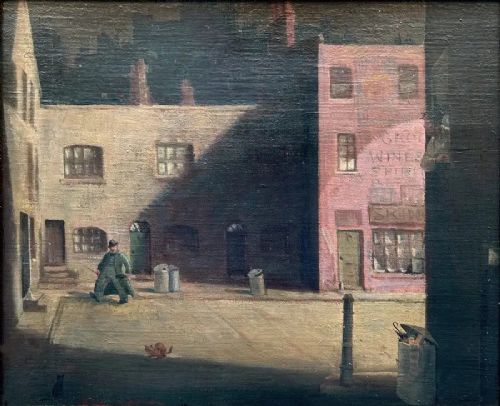
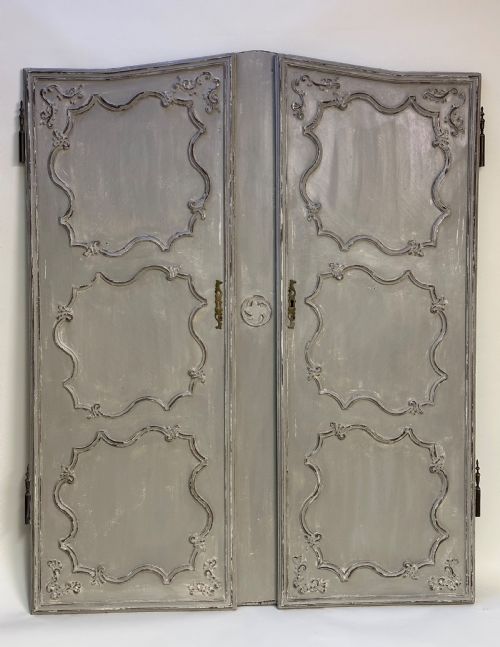
A grey painted panel search uncovers architectural salvage, wall panels, and painted artworks on wood, spanning the nineteenth century through to the early twentieth century. You will frequently encounter French provincial doors, rustic architectural elements, and oil paintings on panel rather than standard interior wall cladding.
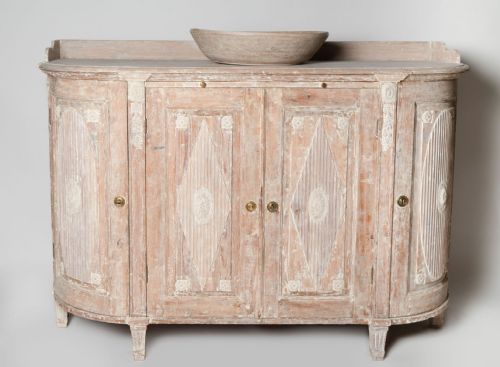
The material palette recorded in the evidence centres on pine and painted wood, alongside iron and brass hardware. Pieces lean towards French provincial, French chateau, Gustavian, and Scandinavian country styles.
Origins stretch across France, Sweden, Hungary, and Britain, taking the form of storage cupboards, carved doors, overmantle mirrors, and framed oil paintings. The selection moves between structural joinery and decorative art.
Materials and construction methods
Makers utilised solid pine and walnut, shaped through hand carving and joinery to build doors, panels, and furniture. Surfaces received layers of oil paint or decorative pigments to achieve the characteristic grey painted finish.
Artistic works applied oil paint directly onto wooden panels, canvas, silk, or plaster reliefs. Metal elements in brass and iron appear as hinges, latches, or structural fixings on the larger architectural salvage pieces.
A Hungarian box settle waits quietly to store boots while doubling as a bench by the door.
Factors defining superior examples
Quality rests in the integrity of the timber joinery and the authenticity of the surface paint layers. Hand-carved relief work demonstrates a higher degree of artisan skill than mass-produced architectural elements.
The depth of the grey paint patina and how gracefully the surface has aged over the decades determines visual appeal. Original structural hardware and well-preserved carved motifs elevate the standing of each piece.
Francisco Sancha·Florence Adelina Hess·Edouard Julien·Kershaw Schofield·Henri Joseph Harpignies
The Grey Painted Panel Glossary
- Trumeau mirror
- A decorative wall mirror featuring an upper painted or carved panel within an architectural frame. These pieces originated in eighteenth-century France and were designed to hang over a mantelpiece.
- Gustavian
- A Swedish neoclassical design style characterised by pale painted finishes, restrained carving, and functional elegance. It emerged during the late eighteenth century and remained influential through the nineteenth century.
- Oil on panel
- A painting executed on a flat wooden board rather than stretched canvas. This medium provides a rigid support that preserves fine brushwork over centuries.
- Architectural salvage
- Building components rescued from older structures for reuse in interior design. This category includes doors, panels, and decorative reliefs.
- Armorial panel
- A carved or moulded panel displaying a coat of arms or heraldic symbols. These pieces often denote lineage and civic or domestic status.
Grey Painted Panel: Frequently Asked Questions
Are these panels suitable for exterior use?
Most items listed are intended for interior display and lack weather-resistant sealants for outdoor climates.
Placing antique painted wood outside exposes the pine and oil paint to moisture damage and temperature fluctuations.
How do I clean an antique painted surface?
Dust the surface gently with a dry, soft cloth to remove everyday particles without disturbing the aged paint.
Avoid chemical cleaning products or excess water, as moisture can lift historic oil paint and soften the underlying wood.
What is the difference between Gustavian and French provincial panels?
Gustavian panels display restrained neoclassical symmetry with pale grey or white paint and minimal, refined carving.
French provincial panels often feature warmer timber tones under softer grey paints, alongside more rustic, organic carved motifs.