



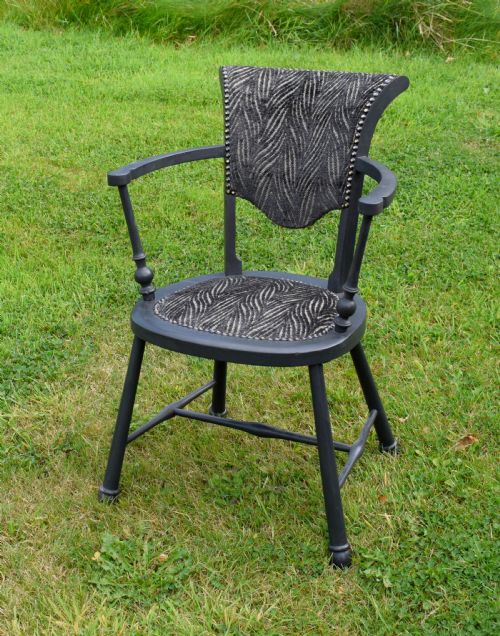


Grey Painted Desk
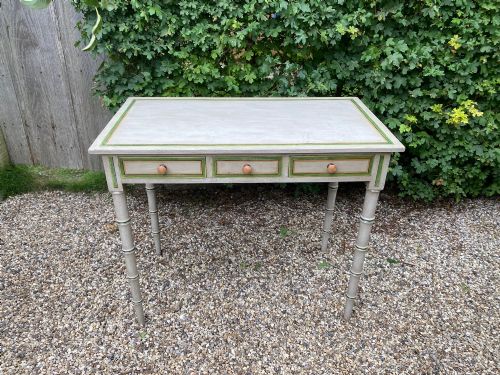
A grey painted desk brings muted tone and practical workspace, uniting centuries of cabinet-making with versatile painted surfaces.
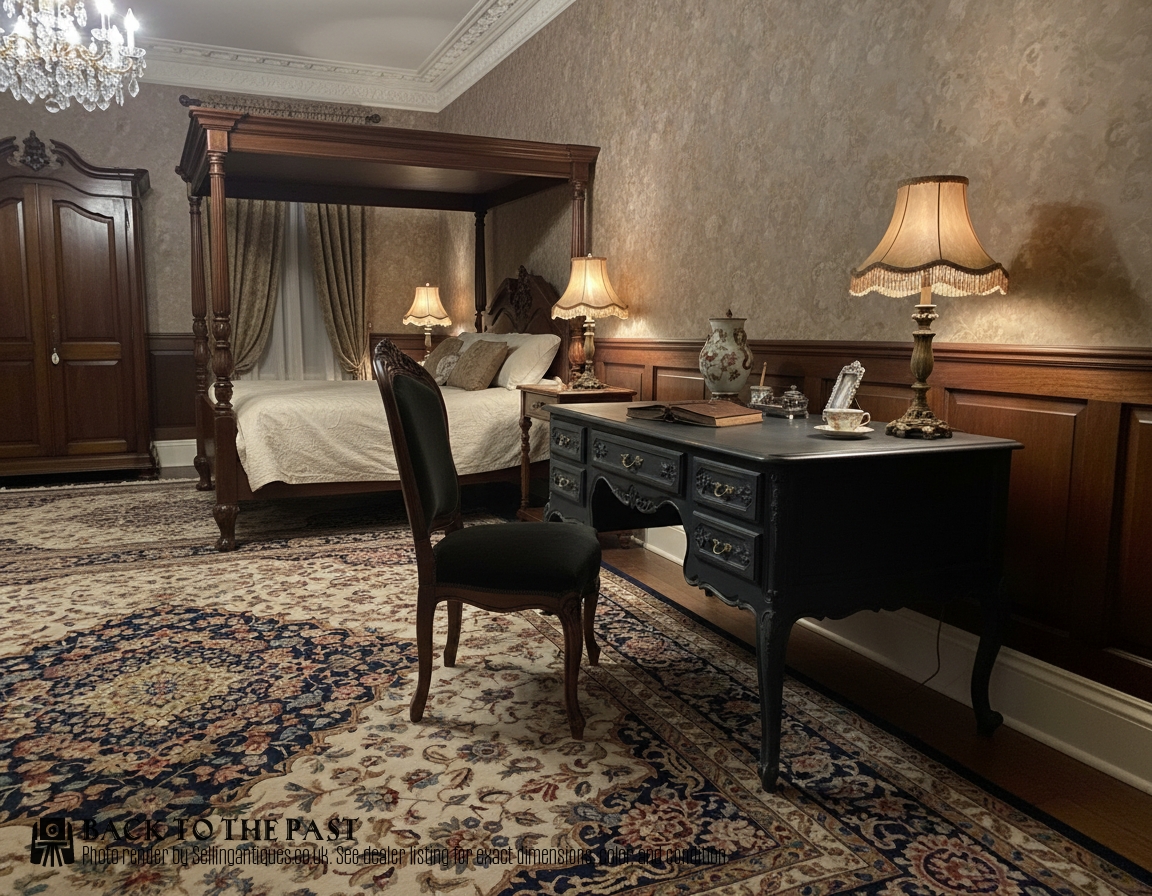
Grey Painted Desk
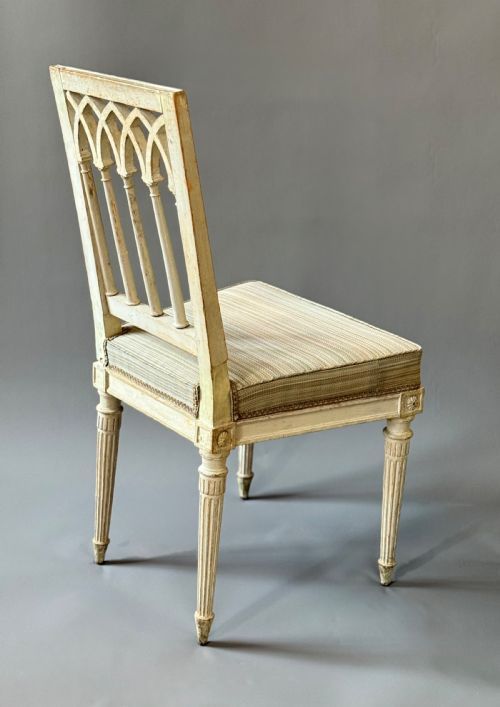
A grey painted desk encompasses writing tables, bureau cabinets and dressing tables finished in neutral or coloured paint schemes. Examples span periods from the eighteenth century through to the early twentieth century, reflecting varied regional tastes.
The selection includes English, French, Swedish and Danish pieces, often categorized under styles such as French Provincial, Georgian, Regency or Scandinavian Country. Forms range from compact lamp tables to large bureau bookcases.
Buyers encounter surfaces finished in specific tones such as plummet grey, alongside faux bamboo woodwork and brass embellishments. These pieces function as working writing surfaces or decorative focal points in domestic interiors.
Materials and construction methods
Construction relies primarily on timber substrates including pine, oak, walnut and mixed painted wood. Artisans shaped these materials into functional furniture forms, frequently applying layered paint finishes to protect and decorate the wood.
Detailing often incorporates brass hardware, glass elements, fabric upholstery and hand-carved ornamentation. Regional workshops combined structural joinery with surface decoration, producing sturdy writing tables and cabinets.
Some desks arrive dressed in plummet grey, proving that nineteenth-century desks enjoy a modern interior palette just as much as we do.
Distinctions in craftsmanship
Quality rests upon the integrity of the underlying timber frame and the skill of the original joinery. Pieces featuring refined hand-carving, well-fitted drawers and balanced proportions stand apart from simpler utilitarian furniture.
The condition and application of the painted surface significantly influence the character of each piece. Original layered paintwork and patinated metal embellishments demonstrate superior craftsmanship compared to later or heavier restorations.
Gillows Design·Rowley Gallery
The Grey Painted Desk Glossary
- Bureau cabinet
- A writing desk combined with an upper bookcase or storage section enclosed by doors. These pieces provide both workspace and enclosed shelving.
- Faux bamboo
- Wood turned and carved to imitate the segmented stalks of natural bamboo. This decorative technique appears on nineteenth-century tables and chairs.
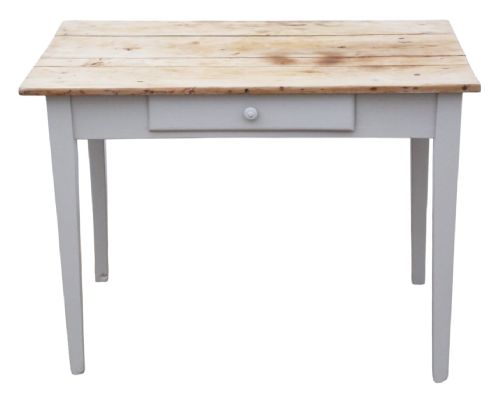
- Scrub-top
- A plain wooden table top designed to be scrubbed clean with water and a brush. This feature is common on utility and kitchen tables.
- Parcel-gilt
- Wood or metal partially decorated with gold leaf applied over a prepared surface. It highlights specific carved details or mouldings.
- Regency
- An English design period spanning the early nineteenth century. It draws inspiration from classical Greek, Roman and Egyptian forms.
Grey Painted Desk: Frequently Asked Questions
How do I date a grey painted desk?
Dating relies on examining construction methods, timber types and stylistic indicators such as leg turns or hardware. Regional characteristics also provide clues to the era of manufacture.
Paint analysis helps determine whether the finish is original or applied during a later restoration period.
Where were these desks made?
Origins span several European countries including England, France, Sweden and Denmark. Each region developed distinct proportions and decorative vocabulary.
Local timber availability dictated whether makers used pine, oak or imported hardwoods for the carcase.
How do I care for a painted surface?
Painted furniture requires gentle dusting with a soft, dry cloth to prevent accumulation of grit. Avoid harsh chemical cleaners that can degrade historic paint layers.
Keep pieces away from direct sunlight and excessive humidity to protect both the wood and the decorative finish.
What is the difference between a writing table and a bureau?
A writing table provides an open flat surface supported by legs, sometimes featuring drawers beneath the top. It prioritizes unhindered legroom and immediate workspace.
A bureau incorporates an angled flap that drops down to reveal an inner writing surface, often with pigeonholes and small drawers enclosed within the body.