




Vintage French Vanity Desk
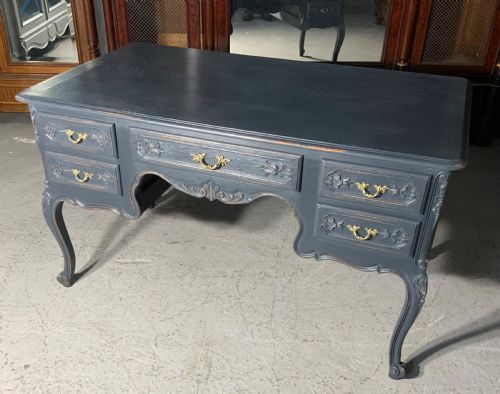
These vintage french vanity desk pieces combine historic European craftsmanship with practical bedroom elegance, offering a sophisticated surface for daily grooming routines.
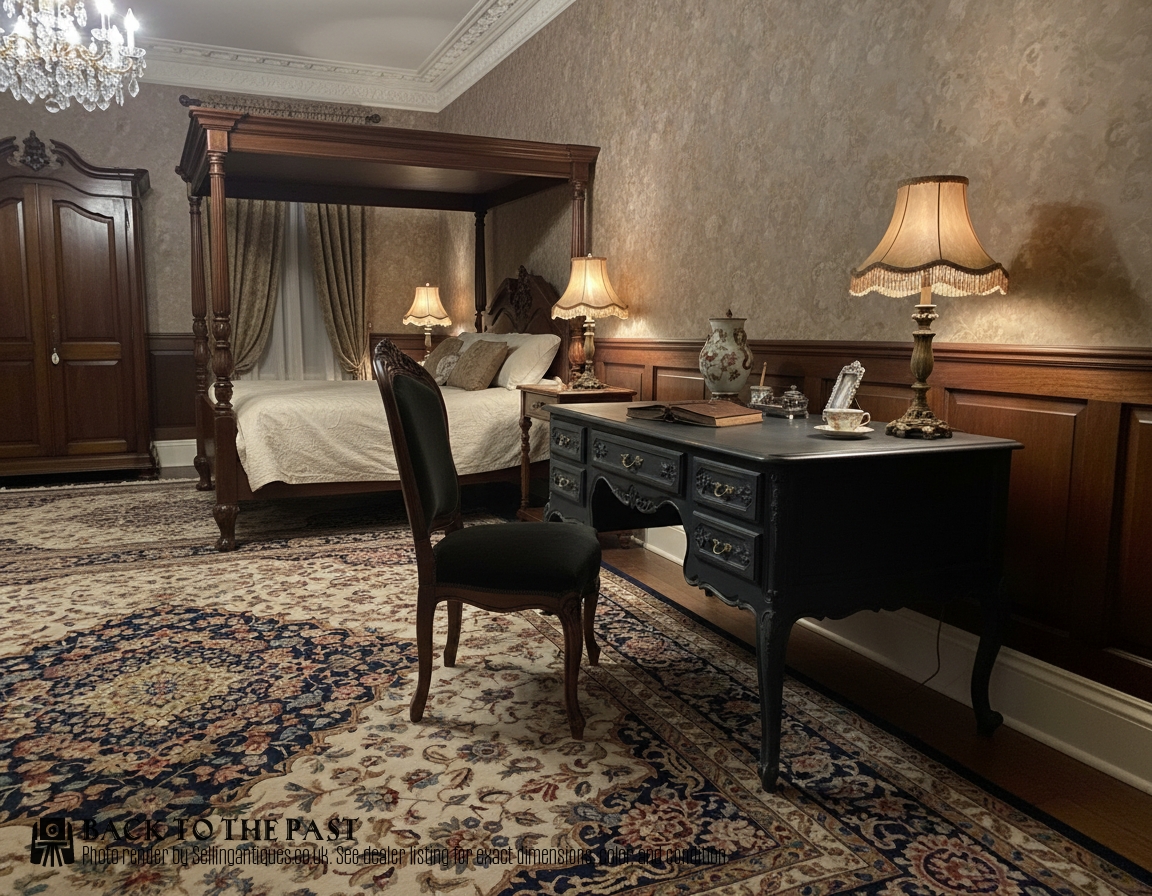
Vintage French Vanity Desk
A vintage french vanity desk brings traditional continental style into the modern bedroom, functioning primarily as a dedicated dressing table or compact writing desk. These items emerge from various periods including the nineteenth century and early decades of the twentieth century, reflecting enduring design traditions.
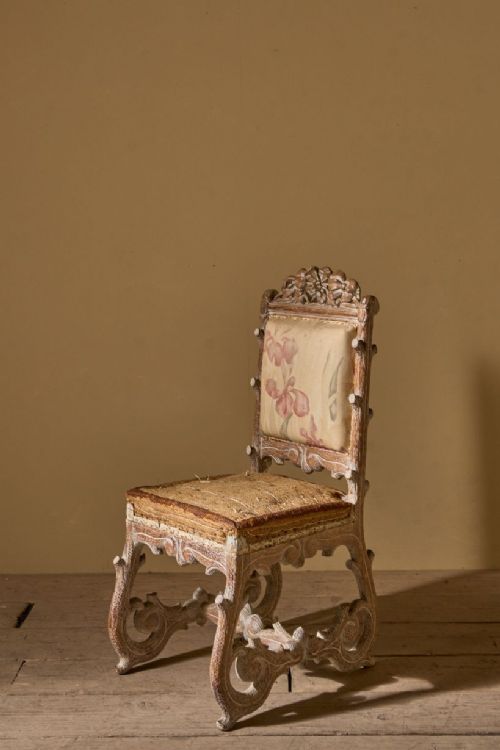
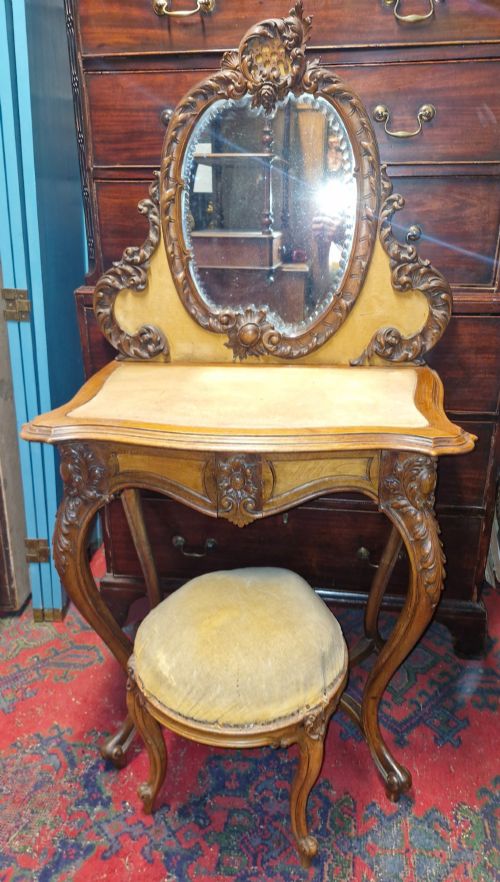
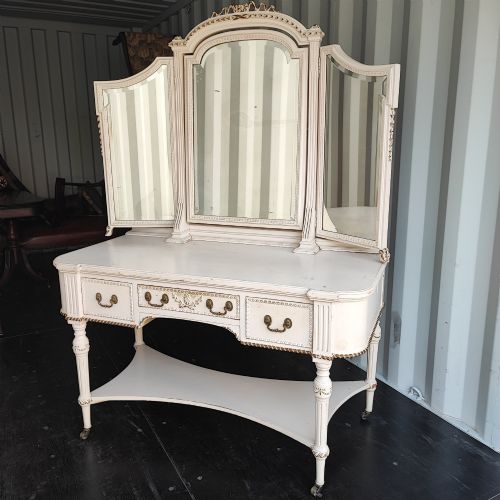
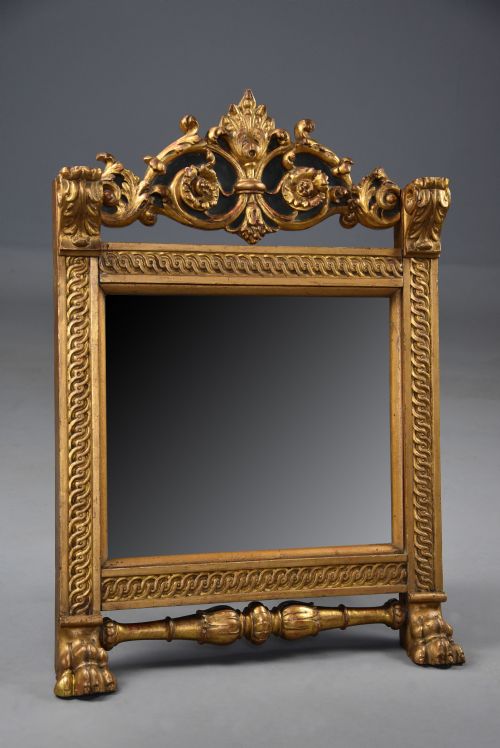
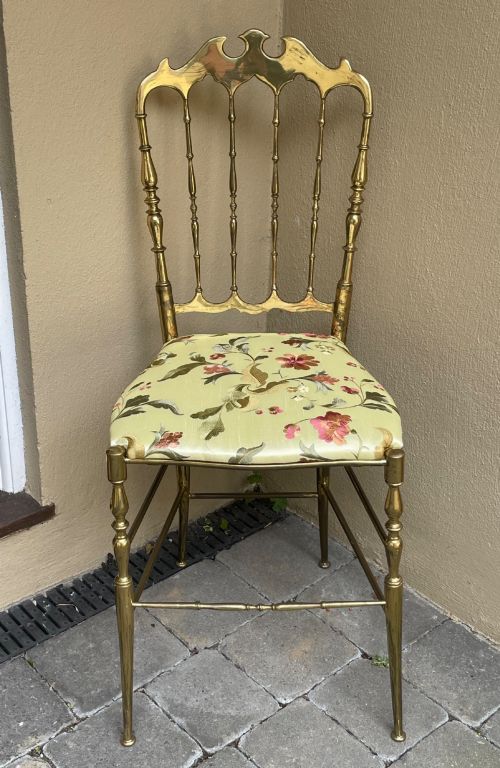
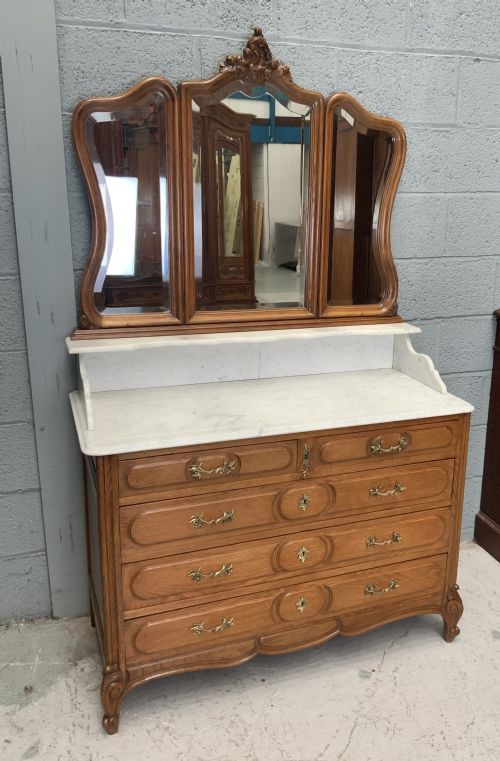
The selection frequently includes dressing tables accompanied by matching seating such as side chairs, boudoir chairs, or washstands with integrated mirrors. Pieces often display specific stylistic traits associated with French Chateau, Rococo Revival, Louis XVI Revival, and Hollywood Regency aesthetics.
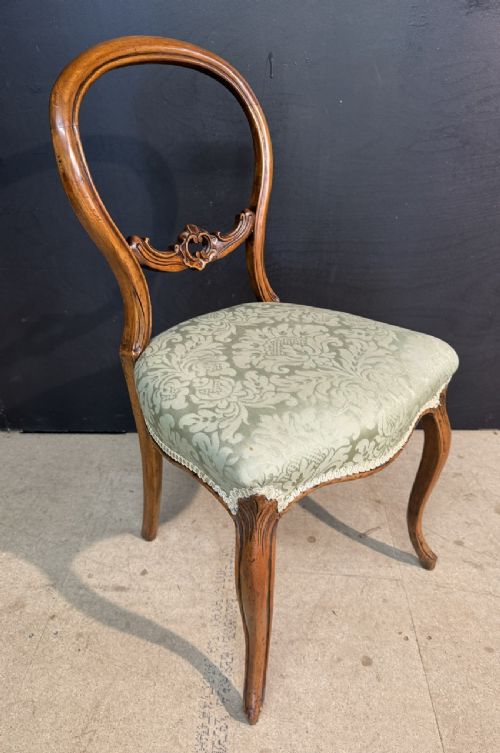
Makers utilised woods such as walnut, oak, mahogany, and satinwood, frequently finishing surfaces with paint, giltwood, or brass embellishments. Buyers encounter forms ranging from carved oak designs to refined painted wood constructions featuring cabriole legs.
Materials and Construction
Cabinetmakers constructed these frames from solid hardwoods like oak, walnut, and mahogany, sometimes employing satinwood veneers for decorative contrast. Surfaces received hand-applied paint finishes, giltwood detailing, or polished brass mounts to enhance the visual impact.
Joinery methods reflect traditional workshop practices of the nineteenth and early twentieth centuries, utilising hand-carved elements particularly evident in Rococo and Renaissance revival pieces.
Listings feature items spanning the 19th Century through to the 1930s, utilising materials including marble, brass, walnut, and painted wood.
Distinctions in Quality
Quality rests upon the crispness of hand-carved wood details and the structural integrity of the underlying hardwood frame. Finer examples display harmonious proportions, integrated brass embellishments, and superior timber selection such as figured walnut or mahogany.
The condition and execution of original painted surfaces or giltwood finishes heavily influence the overall standard of a piece. Secondary elements, including original glass mirrors and fitted brass hardware, contribute significantly to the authenticity and desirability of the item.
Maples of London and Paris
The Vintage French Vanity Desk Glossary
- Cabriole leg
- A furniture leg that curves outward and then tapers inward, typically ending in an ornamental foot. This form is characteristic of Rococo and eighteenth-century revival designs.
- Giltwood
- Wood that has been coated with a thin layer of gold leaf or gold paint. This technique creates a luminous decorative surface often found on mirrors and ornate furniture frames.
- Washstand
- A piece of furniture designed to hold a basin and pitcher for personal washing before modern plumbing. Many surviving examples feature marble tops and storage cabinetry.
- Satinwood
- A durable, lustrous wood native to Ceylon and India, prized for its golden sheen and smooth texture. It is frequently employed as a veneer on high-end writing desks and dressing tables.
Vintage French Vanity Desk: Frequently Asked Questions
What is a french vanity desk?
A french vanity desk is a decorative dressing table designed for personal grooming, typically featuring integrated mirrors, small drawers for cosmetics, and companion seating such as a side chair or stool.
These pieces draw on historic continental styles like Rococo Revival and Louis XVI Revival, utilising woods such as walnut, oak, and painted finishes.
How do I date a vintage vanity?
Dating relies on examining construction methods, wood types, hardware, and stylistic indicators such as carved motifs. Pieces from the nineteenth century often exhibit heavier hand-carved oak or walnut construction, while later twentieth-century examples may display Hollywood Regency influences.
Associated items like table mirrors and washstands provide additional clues through the bevelling of glass and the composition of brass embellishments.
Are chairs usually included?
Many vanity desks are paired with matching side chairs, boudoir chairs, or upholstered bedroom seating designed in the same stylistic idiom. These chairs frequently share the cabriole legs, carved wooden frames, and fabric upholstery of the primary desk.
Listings often present these items together as coordinated suites for the bedroom.
What materials are most common?
The primary materials include hardwoods like oak, walnut, mahogany, and satinwood, alongside painted wood surfaces. Decorative elements frequently incorporate brass hardware, glass mirrors, marble tops, and fabric upholstery.
Finish treatments range from polished natural wood grains to hand-applied paint and giltwood details.