


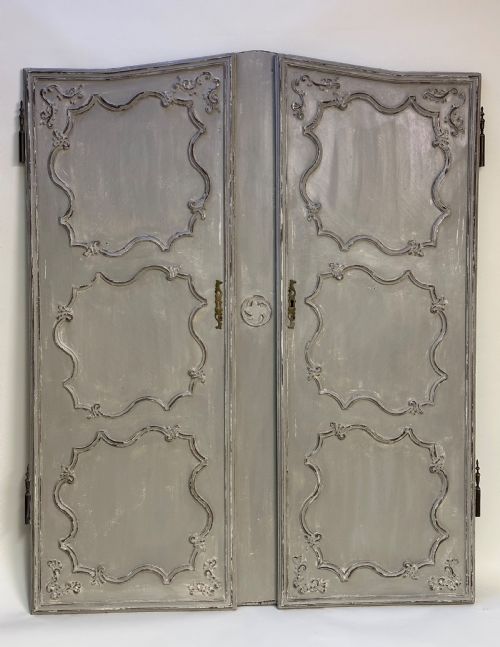


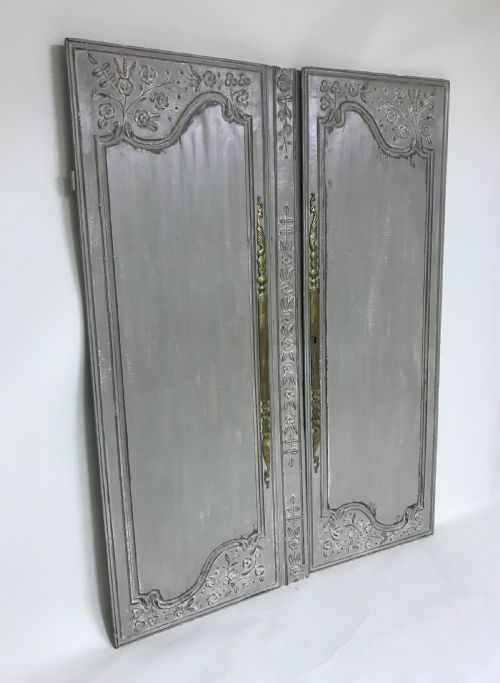
Grey Painted Armoire
A grey painted armoire brings calm proportion to a room, offering generous storage wrapped in muted, weathered colour.
Grey Painted Armoire
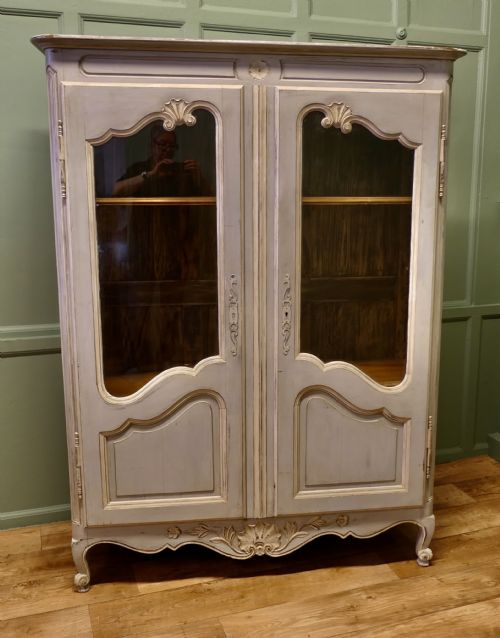
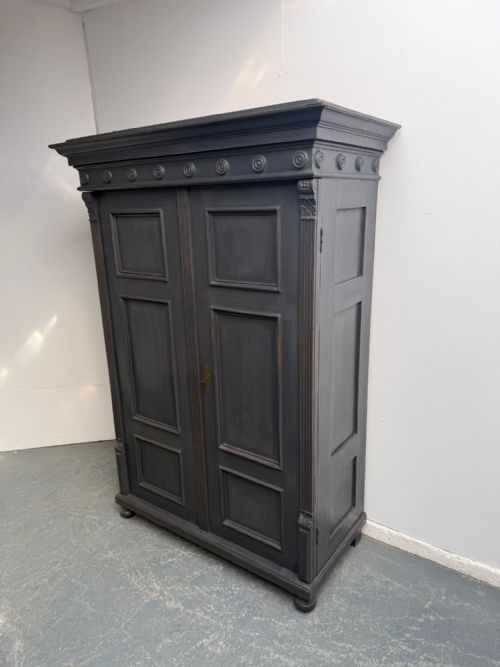
A grey painted armoire provides substantial storage through large double doors, often standing tall in pine, timber, or steel across various historical periods. When you search for a grey painted armoire, you encounter substantial furniture designed to anchor a bedroom, hallway, or living space with architectural presence.
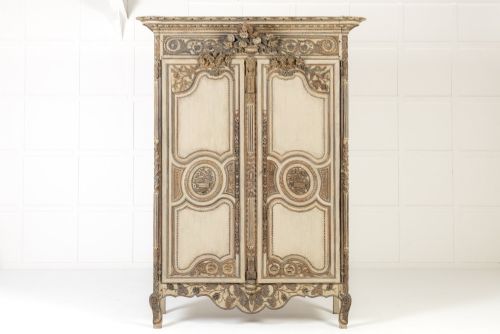
The pieces on this page span French Provincial, Georgian, and Italian Provincial styles, alongside rustic European country variants. Most examples emerge from the nineteenth and eighteenth centuries, reflecting long domestic service in provincial homes and country houses.
Forms range from traditional linen cupboards and tall wardrobes to vitrines and broad storage chests. Pine and painted wood dominate the construction, carrying layers of historic paint finished in light or mid grey tones.
How they were made
Cabinetmakers built these pieces primarily from solid pine and timber using traditional joinery methods such as mortise and tenon frames. Iron hinges, brass handles, and glass panels were integrated to secure heavy doors and display contents within.
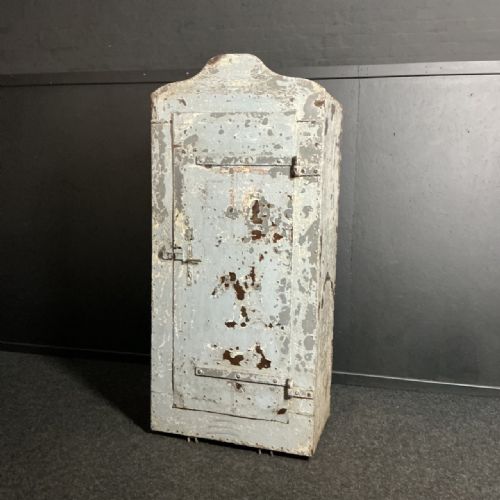
Surface treatments rely on layered paint over wood, sometimes complemented by hand carving or applied mouldings. Iron and steel elements appear in industrial and utilitarian storage cupboards, showing robust metalworking techniques of the nineteenth century.
Grey Painted Armoire Retail Price Guide 2026
Typical asking prices for grey painted armoire among the pieces listed under this phrase on Sellingantiques today, from the lower quarter to the upper quarter. They describe what is for sale here now, not the wider market.
Hungarian storage cupboards occasionally retain the faint scent of old beeswax and dry herbs from decades spent keeping household linens.
What varies in quality
The distinction between standard and superior pieces lies in the integrity of the timber frame and the subtlety of the painted finish. Well-proportioned cornices, harmonious door panels, and original hardware elevate a piece well above utilitarian storage.
Construction depth matters greatly, separating sturdy eighteenth and nineteenth-century examples from lighter decorative items. The depth of the paint patina, whether aged organically or applied with historical sensitivity, dictates the visual weight of the furniture.
The Grey Painted Armoire Glossary
- Armoire
- A large wardrobe or cupboard, traditionally used for storing clothing and linens, featuring double doors. These pieces often serve as focal points in period interiors.
- Vitrine
- A glass-fronted cabinet or bookcase designed for displaying ceramics, books, or treasured objects. The glazed doors protect contents while maintaining visibility.
- Linen cupboard
- A tall storage unit originally dedicated to domestic textiles and bedding. These interiors typically feature fixed or adjustable wooden shelving.
- Cornice
- The decorative mouldings that crown the top of a cabinet or armoire. This architectural detail defines the upper proportion of the piece.
- Provincial
- A descriptor for furniture made outside major capital cities, reflecting regional craftsmanship and local materials. French and Italian provincial pieces show distinct rustic charm.
Grey Painted Armoire: Frequently Asked Questions
How do I style a grey painted armoire at home?
Position the piece against a neutral wall to let the muted grey paintwork provide a subtle focal point in a bedroom or hallway. Balance its substantial height by placing simpler low furniture nearby.
Utilise the interior shelving or hanging space for practical storage while keeping decorative items minimal on top. Allow the natural wear of the painted wood to introduce texture to the room.
Are these armoires easy to dismantle for moving?
Many older wooden armoires and wardrobes were constructed to be taken apart, featuring pegged joints or knock-down frames. However, construction methods vary significantly across different periods and regional workshops.
Inspect the internal fixings and door hinges before attempting any movement to understand how the particular piece is joined. Solid pine and steel cupboards from certain eras may remain as single fixed units.
How can I tell an older painted finish from a modern one?
Historic painted surfaces typically show gradual wear, fine craquelure, and subtle variations in tone where handling occurred over decades. Under close inspection, older layers often reveal underlying timber or preparatory priming.
Modern applications tend to appear more uniform and lack the accumulated micro-abrasions found on nineteenth-century pieces. Look for natural softening around the edges and handles where daily use touched the surface.
What is the difference between an armoire and a linen cupboard?
An armoire generally provides deeper hanging space or larger cavity storage behind full-length doors for garments. A linen cupboard is traditionally designed with internal shelving specifically proportioned for folded textiles.
While both share vertical proportions and double doors, their internal configurations reflect distinct domestic chores. Examining the interior fittings clarifies the original intended use of the storage.