




Freestanding Wooden Armoire
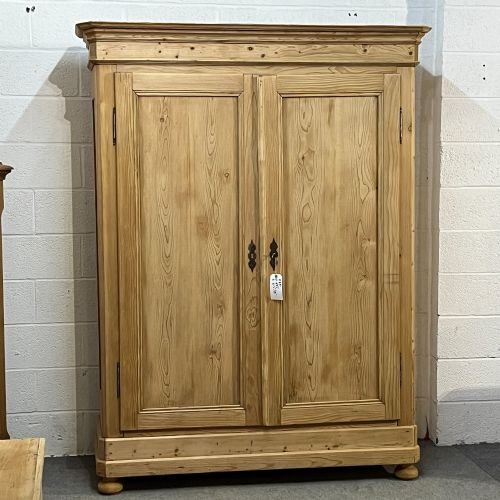
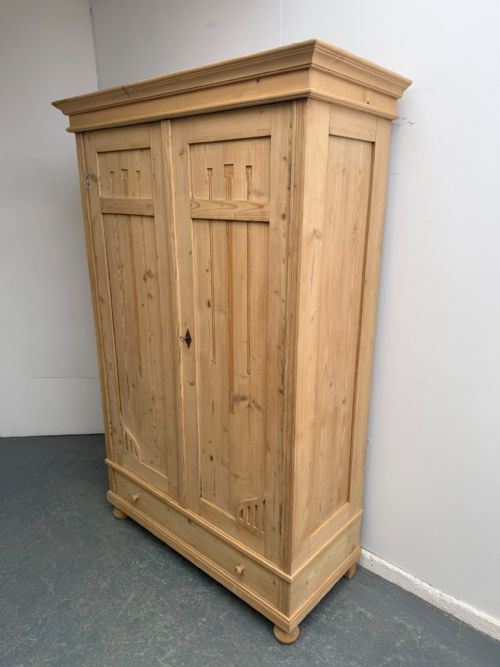
These freestanding wooden armoire pieces offer large-scale storage, spanning pine wardrobes and painted cupboards from the Georgian era to the twentieth century.
Freestanding Wooden Armoire
When you search for a freestanding wooden armoire, you find a diverse range of large storage furniture designed to hold clothes and household goods without built-in wall fitting.
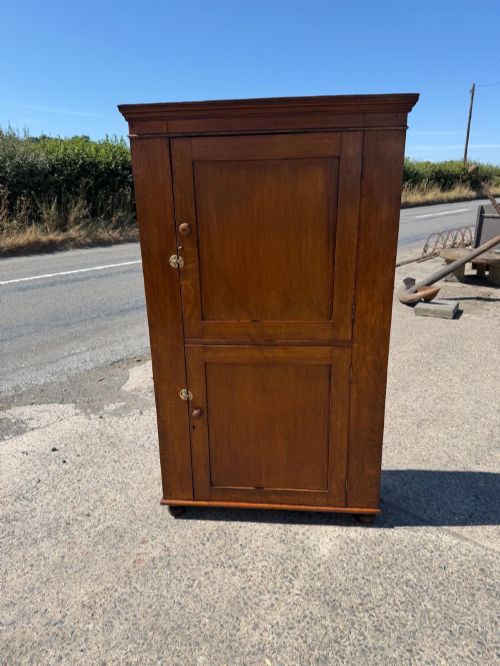
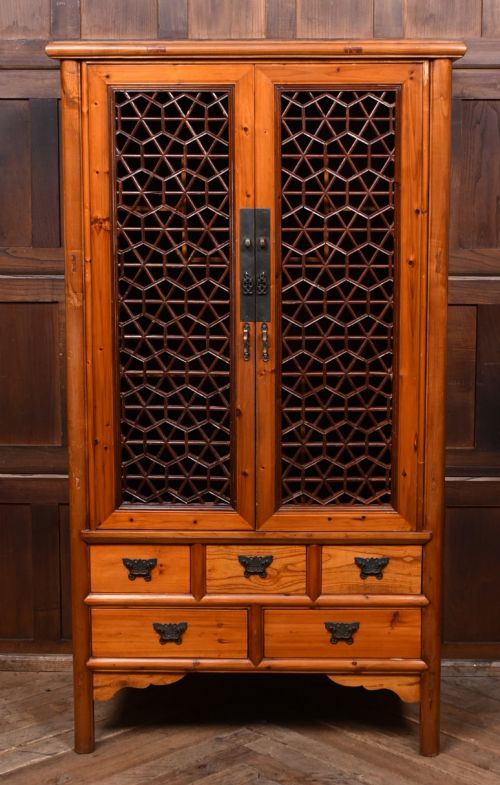
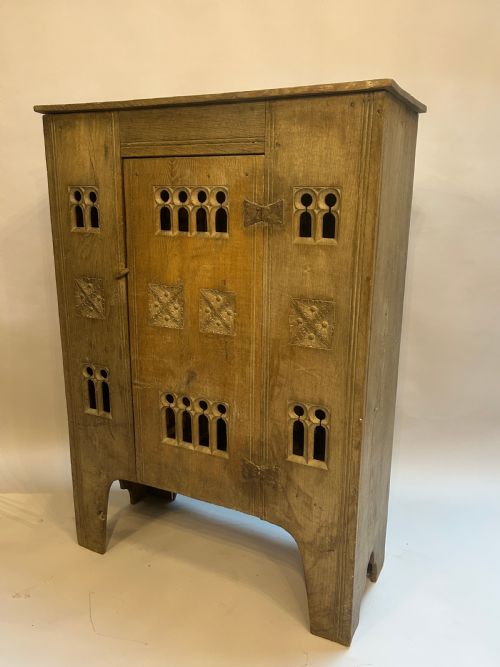
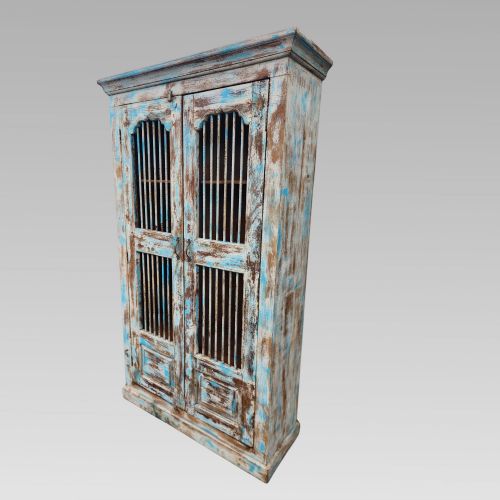
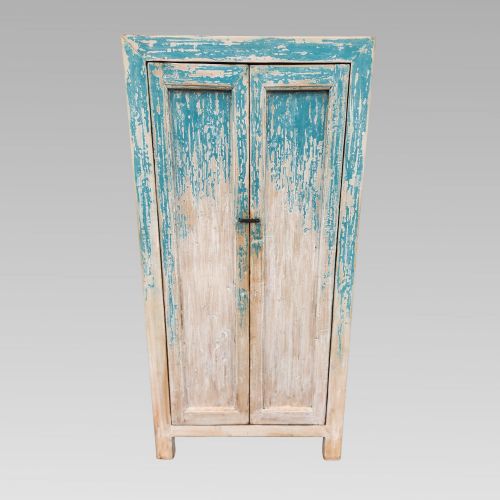
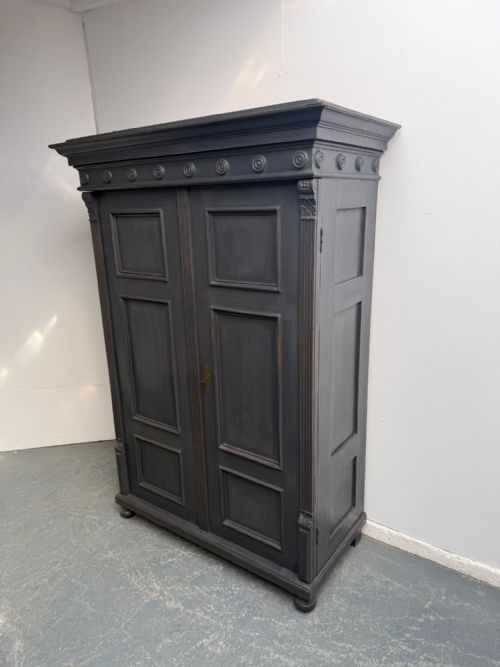
The pieces appearing here include traditional pine wardrobes, tall kitchen cupboards, and painted storage cabinets originating from English, French, Swedish, and Indian workshops.
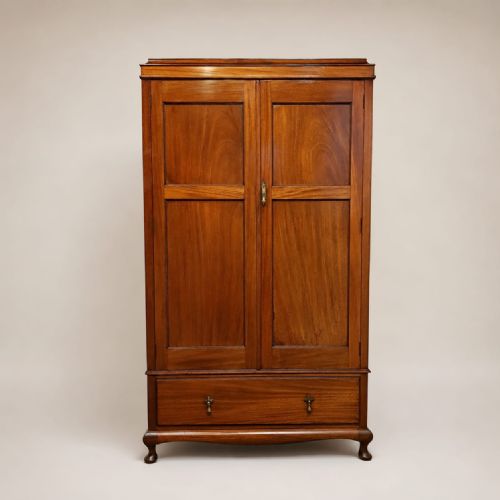
You are most likely to meet Victorian and Edwardian pine or mahogany double wardrobes alongside rustic painted cupboards dating from the nineteenth and early twentieth centuries.
How they were made
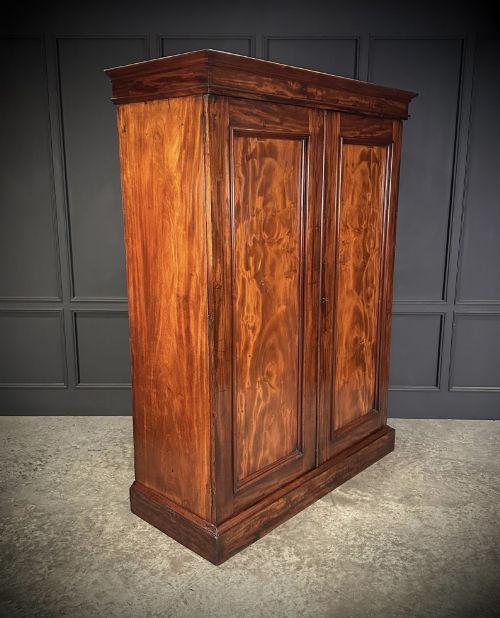
Carpenters constructed these large storage items using solid timbers such as pine, oak, mahogany, and teak, often finished with flame mahogany veneer or protective layers of paint.
Iron and brass hardware, including hinges, drop handles, and lock escutcheons, secure the heavy timber doors on large wardrobes and linen cupboards.
Many country and regional examples were hand-painted or waxed to preserve the softwood boards, while finer formal pieces displayed polished hardwood grains.
One scullery cupboard retains the faint aroma of old kitchen spices after decades of domestic service.
What varies in quality
The distinction between standard storage pieces and finer examples rests on timber selection, structural integrity, and the sophistication of period joinery.
Heavier wardrobes feature substantial panelled doors, well-fitted internal drawers, and robust plinths or bun feet that support the bulk of the timber.
Original painted surfaces or carefully patinated wax finishes differentiate genuine antique vernacular furniture from later utility items.
The Freestanding Wooden Armoire Glossary
- Armoire
- A large wardrobe or cupboard, traditionally used for storing garments. French regional examples often feature deep proportions and double doors.
- Linen cupboard
- A tall storage piece dedicated to holding household textiles and bedding. These frequently incorporate internal shelving rather than clothes hanging rails.
- Bun feet
- Rounded, flattened spherical feet supporting the base of a cabinet or wardrobe. They lift the heavy timber frame slightly off the floor.
- Flame mahogany veneer
- A decorative sheet of timber sliced from mahogany to create a swirling, flame-like grain pattern. It adorns formal nineteenth-century pieces.
- Housekeepers cupboard
- A large utility cabinet used in domestic service for storing provisions, linen, or china. They typically combine cupboards and drawers.
Freestanding Wooden Armoire: Frequently Asked Questions
What is a freestanding wooden armoire?
A freestanding wooden armoire is a movable storage cabinet designed for clothing or household goods. Unlike modern fitted closets, these pieces stand independently in a room.
The category encompasses everything from grand mahogany wardrobes to rustic painted pine cupboards. They provide versatile storage while serving as substantial decorative furniture.
How do I date a wooden cupboard?
Dating relies on observing construction methods, timber types, and stylistic details. Georgian and Victorian pieces often show hand-cut joinery and heavy solid timber boards.
Later Edwardian and early twentieth-century examples introduce machine-sawn elements alongside different hardware. Secondary woods inside drawers also help determine the period.
Where were these armoires made?
The pieces originate from domestic English workshops as well as international regions including France, Sweden, India, and Japan. Each area utilised local timber supplies.
English makers favoured oak, mahogany, and pine, while continental and global workshops utilised teak, cedar, rosewood, and regional softwoods.
Are these cupboards easy to move?
Many larger wardrobes and armoires were constructed to dismantle into sections for transport and installation. Sectional designs help maneuver heavy timber up stairs.
Single-piece cupboards require careful measurement of doorways and hallways before delivery. Checking the construction reveals whether the carcass separates into manageable parts.
How do I care for antique pine?
Antique pine benefits from regular dusting with a dry cloth and occasional application of traditional beeswax. Avoid placing wooden furniture near direct heat sources.
Maintaining stable room humidity prevents the timber boards from splitting or warping. Wax finishes can be gently buffed to maintain a soft sheen.