
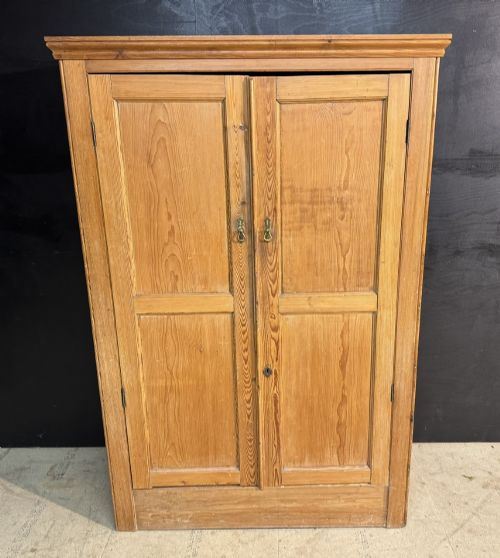
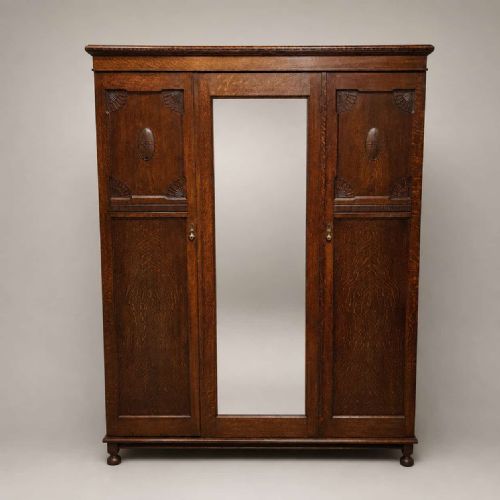
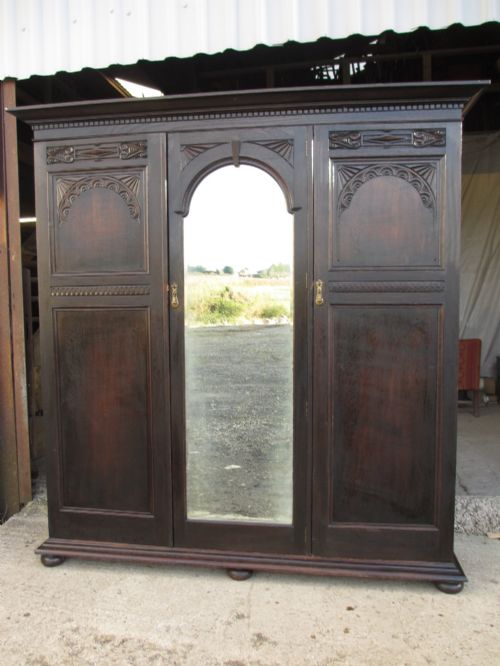
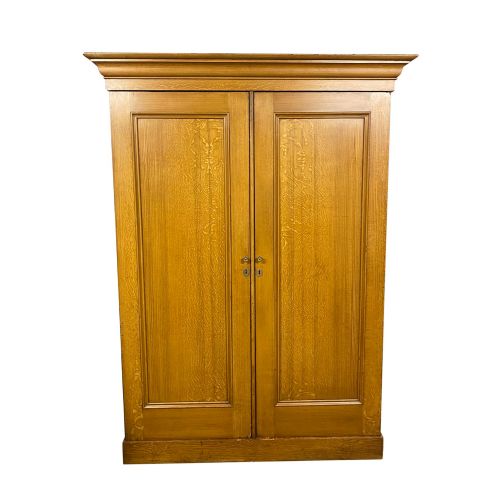


Vintage Panelled Wardrobe
A vintage panelled wardrobe brings traditional storage and solid timber construction into a modern bedroom, offering deep hanging space and shelved compartments.
Vintage Panelled Wardrobe
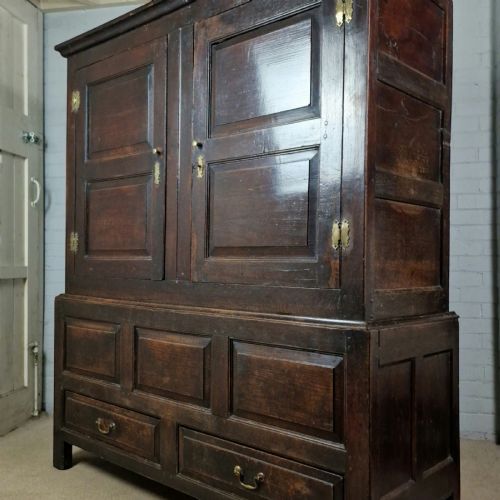
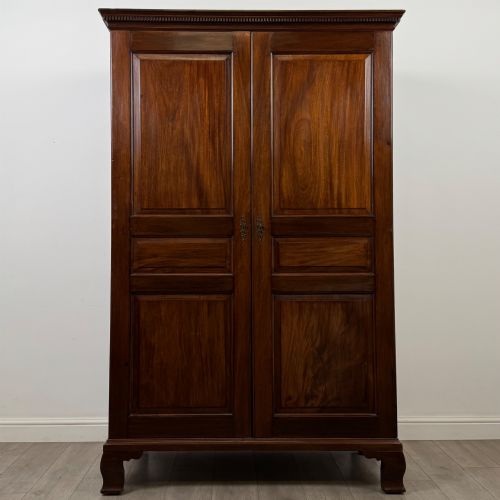
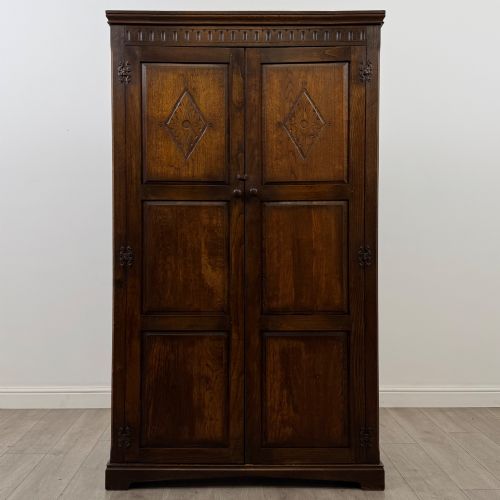
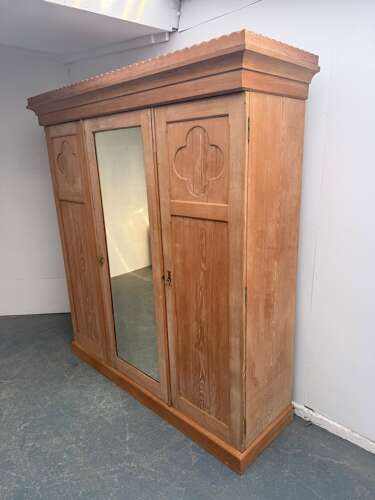
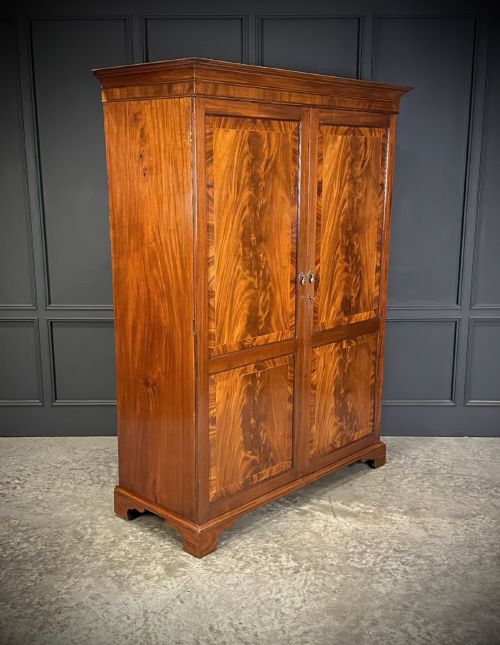
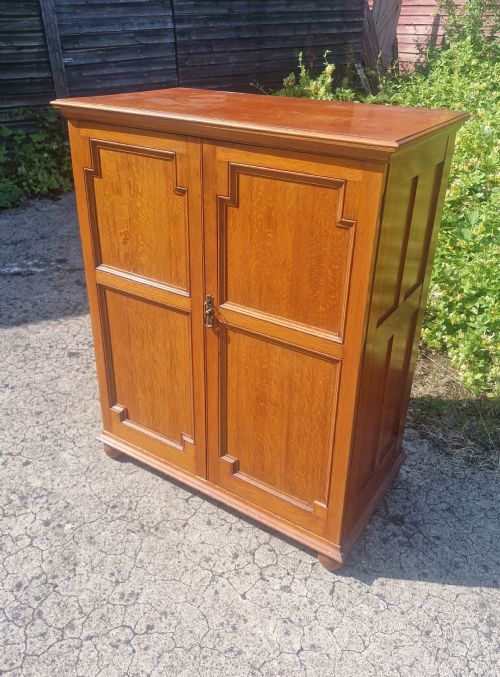
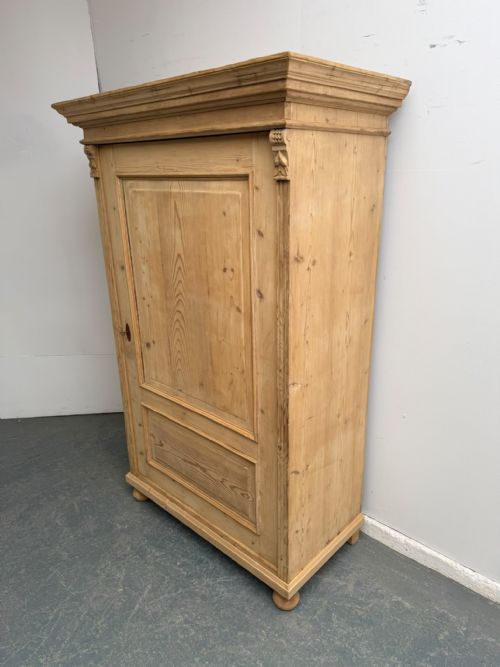
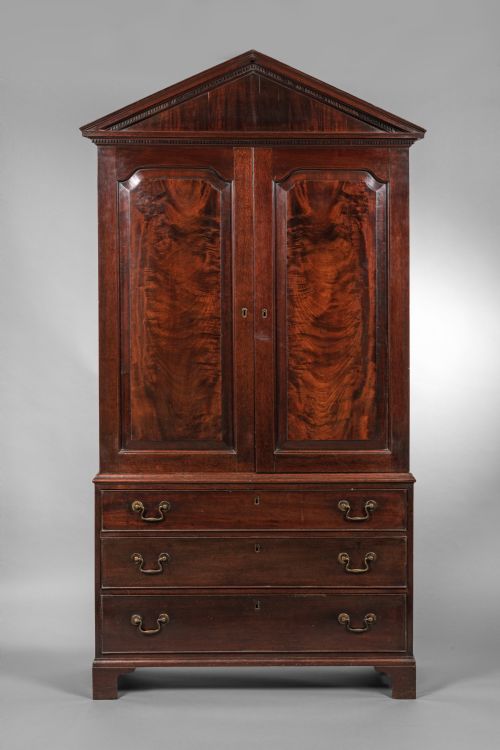
When you search for a vintage panelled wardrobe, you encounter substantial timber furniture designed for storing garments and household linens. These pieces span centuries of cabinet making, reflecting changing domestic needs from Georgian linen presses to twentieth century oak triple wardrobes.
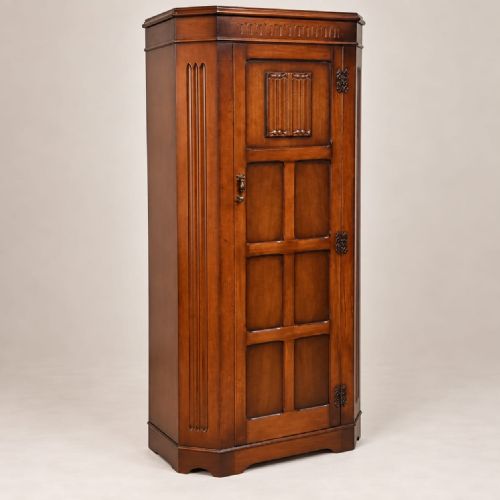
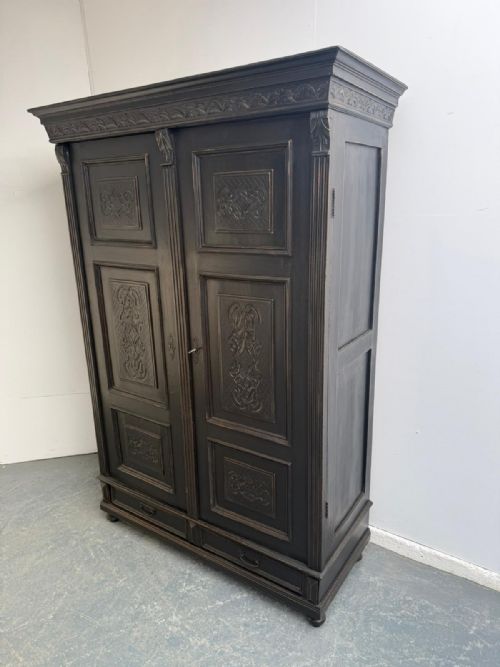
The selection on this page leans heavily towards sturdy oak and pine examples from the Georgian, Victorian, and Edwardian periods. You find robust country pieces alongside formal mahogany designs and twentieth century knockdown formats built for practical disassembly.
Many items function as general storage cupboards, linen presses, or compactums rather than hanging wardrobes alone. This variety reflects how previous generations stored clothes folded on shelves or suspended from internal hooks before modern full length hanging rails became standard.
Materials and Construction
Makers built these pieces primarily using solid oak, pine, and mahogany, often combining timbers with ash, walnut, teak, or elm. Construction relied on traditional joinery techniques, using pegged mortise and tenon joints for structural frames and inset timber panels that allowed wood to expand and contract naturally.
Surface finishes range from polished mahogany and waxed oak to original scumble paintwork and painted pine finishes. Iron and brass hardware, including strap hinges, escutcheons, and sliding mechanisms, secure the doors and drawers while adding functional detail.
Children's wardrobes from the Edwardian period appear alongside massive housekeepers' cupboards built for country estates.
Evaluating Quality and Craftsmanship
Quality rests in the selection of timber and the integrity of the joinery rather than mere decorative flourish. Superior examples feature thick solid panels, well fitted doors that hang square without dropping, and cleanly cut mouldings that show careful hand planing.
The sophistication of the internal configuration also distinguishes standard cupboards from finer pieces. Wardrobes with fitted drawers, original linen slides, or combination compartments demonstrate higher levels of initial craftsmanship and utility.
Whytock & Reid of Edinburgh
The Vintage Panelled Wardrobe Glossary
- Compactum
- A large wardrobe combining hanging space, shelving, and internal drawers within a single carcass. This multi-purpose format originated to maximise bedroom storage efficiency.
- Linen Press
- A tall storage piece featuring upper sliding shelves for textiles above a chest of lower drawers. Early examples often used panelled doors to conceal the stacked linen inside.
- Scumble
- A decorative painting technique used to imitate the grain of more expensive hardwoods like oak on cheaper pine surfaces. Artisans applied translucent tinted glazes over a base coat and worked them with combs or brushes.
- Knockdown
- Furniture designed to be easily dismantled into panels, cornices, and bases for transport and repositioning. This modular construction proved essential for moving large wardrobes through narrow historic doorways.
- Breakfront
- A cabinet design where the central section projects forward from the flanking outer sections. This configuration creates visual depth and breaks up the flat facade of large wardrobes.
Vintage Panelled Wardrobe: Frequently Asked Questions
Will a vintage wardrobe fit through my door?
Many period wardrobes, particularly pine knockdown versions and modular designs, were constructed to be dismantled into separate panels and sections. This makes them significantly easier to transport and assemble in rooms with restricted access.
Solid oak or mahogany pieces built as a single rigid carcass require careful measurement of hallways, staircases, and ceiling heights before delivery.
How do I store clothes in a shallow wardrobe?
Older wardrobes often feature shallower depths or internal configurations designed for folded garments rather than modern clothes hangers. Many period pieces utilise internal wooden pegs, fixed shelving, or sliding linen trays instead of full length rails.
Adapting these interiors may involve installing modern telescopic hanging rails or utilising baskets and boxes to organise garments within the historical framework.
What is the difference between a press and a wardrobe?
A traditional press, often called a linen press, contains sliding wooden trays or shelves in the upper section for storing folded textiles. Wardrobes are specifically designed with vertical hanging space for garments.
Many antique pieces combine both functions, featuring hanging compartments alongside internal drawers or linen slides.
How do I care for waxed or painted pine?
Pine furniture finished with wax benefits from occasional applications of beeswax to nourish the timber and maintain a soft lustre. Avoid placing these pieces near direct heat sources or in damp environments to prevent wood movement.
Original painted or scumble surfaces require gentle cleaning with a dry or barely damp cloth, avoiding chemical solvents that could lift historical finishes.
How do I date an antique wardrobe?
Dating relies on observing construction methods, timber choices, and stylistic details such as mouldings, hardware, and foot designs. Georgian pieces often display fine mahogany veneers and bracket feet, while Victorian and Edwardian examples frequently utilise heavier oak framing and mirrored doors.
Tool marks left by hand planes or circular saws also provide clues to the manufacturing era before mass production standardisation.