


Grey Oil Painting
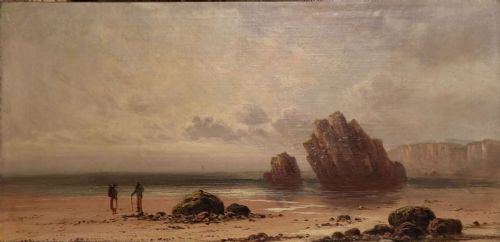
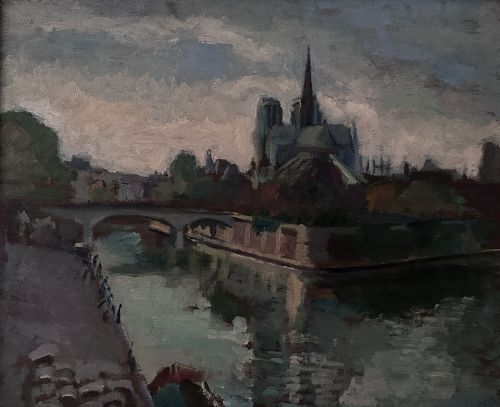
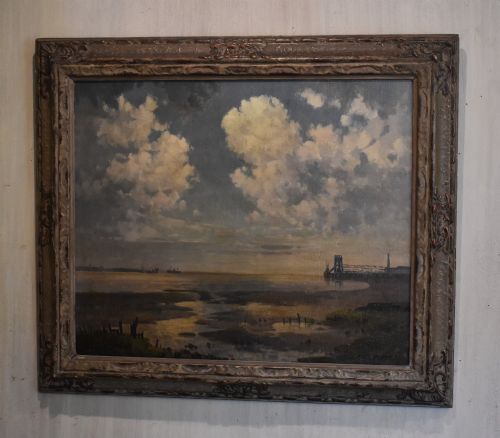
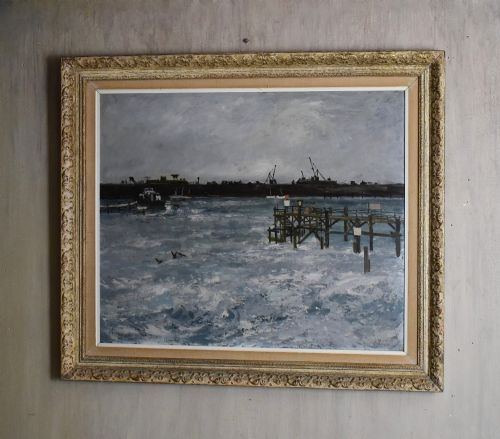
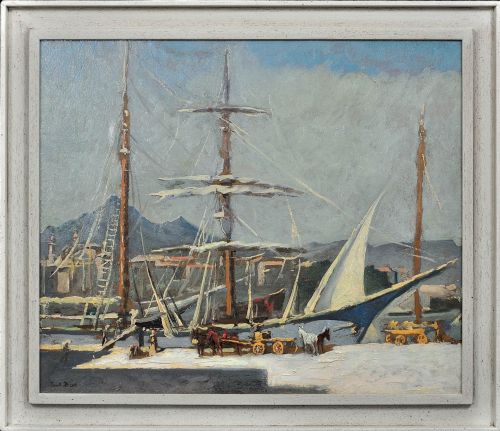
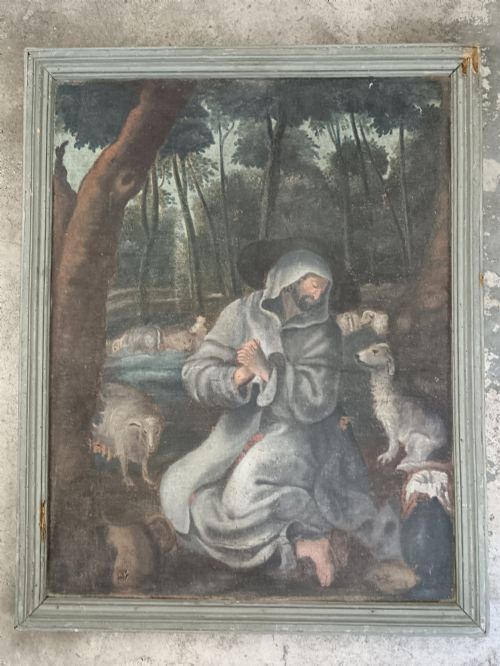
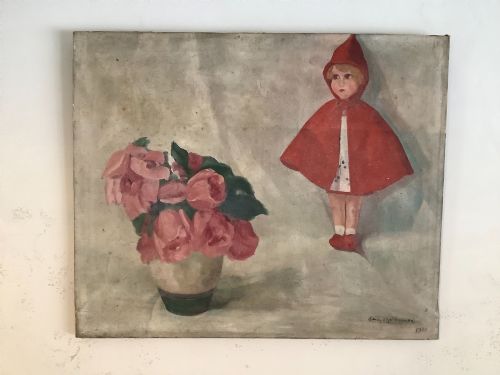
When you search for a grey oil painting, you encounter works spanning centuries, from moody seascapes and industrial townscapes to equine portraits.
Grey Oil Painting
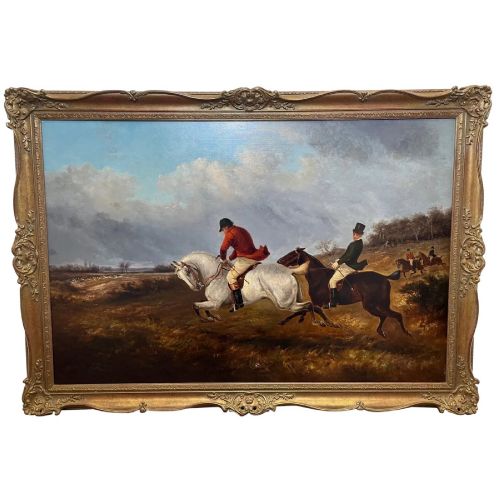
A grey oil painting encompasses diverse subjects rendered in oil paint on canvas, board, or wood panel, often shaped by mid-century modern, post-impressionist, or traditional country styles. The selection ranges from maritime landscapes and urban scenes to equestrian studies of grey horses and greyhounds.
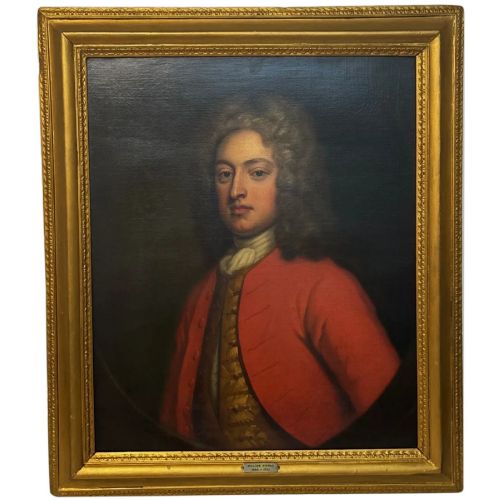
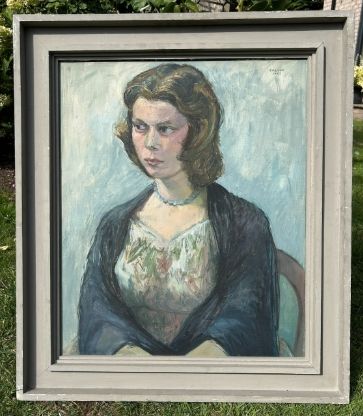
The most common examples on this page date from the nineteenth and twentieth centuries, reflecting movements such as mid-century expressionism and modern British art. These works utilise muted palettes to capture atmospheric coastal views, industrial townscapes, and intimate portraits.
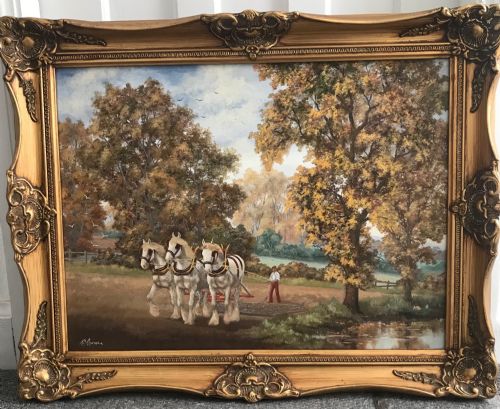
Collectors encounter pieces originating from British, European, and American schools, demonstrating how different eras approached the tonal qualities of grey. Whether depicting a stormy sea or a quiet pastoral scene, these paintings rely on the depth and texture inherent in oil mediums.
How they were made
Artists built these works using oil paint applied to stretched canvas, wooden panels, or rigid board supports, sometimes integrating heavy impasto to create tactile surface texture. The foundational layers often receive a wood frame for structural support and presentation.
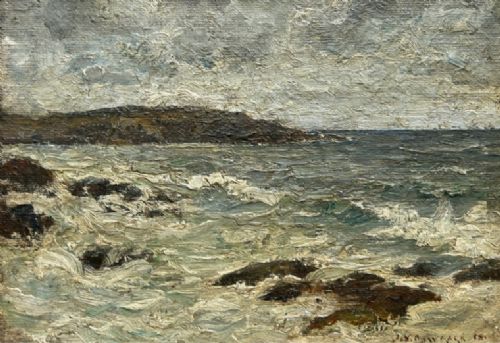
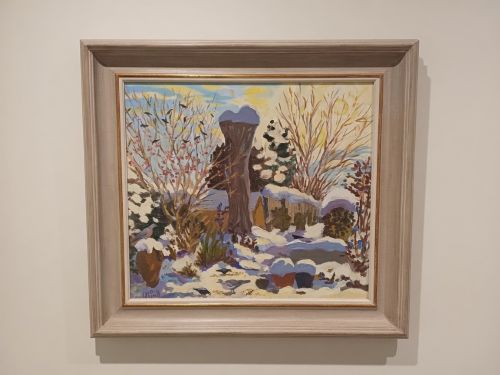
Techniques range from smooth, controlled brushwork seen in traditional portraits to expressive, textured applications characteristic of mid-century expressionism and impasto coastal scenes.
Grey Oil Painting Retail Price Guide 2026
Typical asking prices for grey oil painting among the pieces listed under this phrase on Sellingantiques today, from the lower quarter to the upper quarter. They describe what is for sale here now, not the wider market.
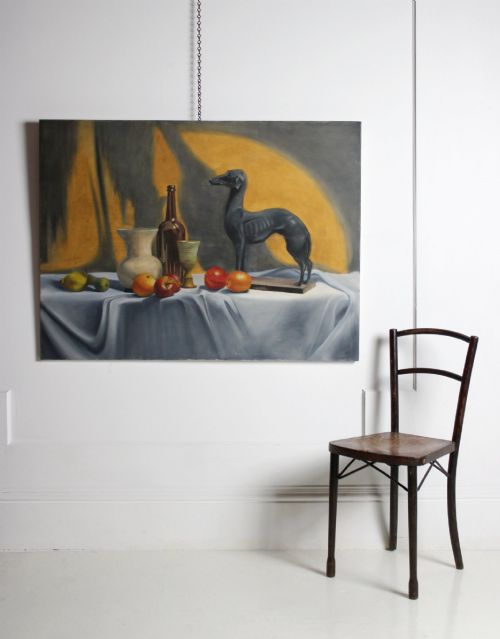
Several artists clearly held a deep fondness for greyhounds, capturing the hounds standing stoically in verdant landscapes and racing.
What varies in quality
Quality rests in the handling of tone and brushwork, where masterly application creates atmospheric depth rather than flat fields of colour. Superior examples demonstrate confident draftsmanship and purposeful texture, particularly in impasto or detailed figurative work.
The integrity of the support material, whether canvas, board, or panel, alongside the preservation of the original paint layer, distinguishes finer works from secondary pieces.
Kenneth Cozens·Thomas Smythe·Clive Browne·Peter Brannan·Paul Bret·John Michael Wright·Alfred Wolmark·Samuel Rabin·Christine Nesbit·Brian Shields Braaq·William Albert Clarke·Lilian Colbourn·Florence Adelina Hess·Fred Yates·Hans Hysing·Stanley Berkeley·Reginald Mills·James Clark·John Rattenbury Skeaping·George Armfield Jnr
The Grey Oil Painting Glossary
- Impasto
- Paint laid thickly on an area of the surface, so that it stands out from it. This technique adds tactile dimension and visible brush texture to the composition.
- Board
- A rigid flat piece of material used as a support for painting instead of stretched canvas. Artists frequently utilised wood or composite board for smaller or sketch-like works.
- Panel
- A flat piece of wood or other rigid material used as a painting surface. Panels were common in earlier centuries before canvas became the dominant support.
- Pentimento
- An alteration in a painting, evidenced by previous strokes or shapes that have been painted over and become visible. This phenomenon often reveals the artist's changing composition during the creative process.
- Canvas
- Closely woven fabric used as a surface for oil painting. It is typically stretched across a wooden frame before application.
Grey Oil Painting: Frequently Asked Questions
What subjects appear in these paintings?
The subjects range widely across maritime views, industrial townscapes, and pastoral scenes. Many works also focus on animals, including grey horses, hunting dogs, and greyhounds.
Portraits of individuals in historical attire or modern dress frequently appear alongside these landscapes and animal studies. Each period brought its own preferred focus, from eighteenth-century portraits to twentieth-century coastal views.
How do I care for an oil painting?
Keep paintings away from direct sunlight and fluctuating temperatures to protect the canvas and wooden frames. Dust the surface gently with a soft, dry brush without applying pressure.
Avoid using liquid cleaners or water on the paint layer. Professional conservation is recommended if the paint surface requires cleaning or stabilization.
How can I tell the period of a painting?
Dating relies on stylistic clues, framing techniques, and the type of support material used. Eighteenth-century works often feature distinct portrait conventions and panel supports, whereas twentieth-century pieces display modernist or impasto techniques.
Signatures, exhibition labels, and biographical dates of the artists provide further confirmation of the era. Examining the back of the canvas or board often reveals historical inscriptions.
Where were these artworks created?
The selection includes pieces originating from British, European, and American schools of art. Many capture specific regional locations, such as Parisian streets, Italian harbours, or British coastal bays.
Local landscapes and townscapes reflect the immediate surroundings where the artists lived and worked. This geographic variety contributes to the wide range of styles found across the collection.