
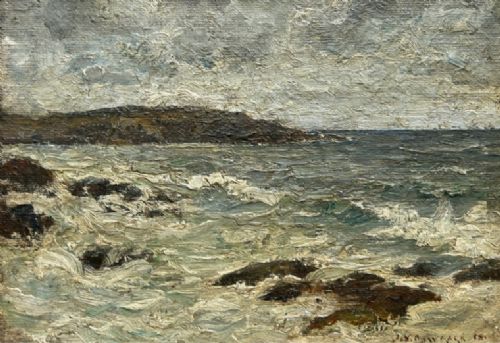
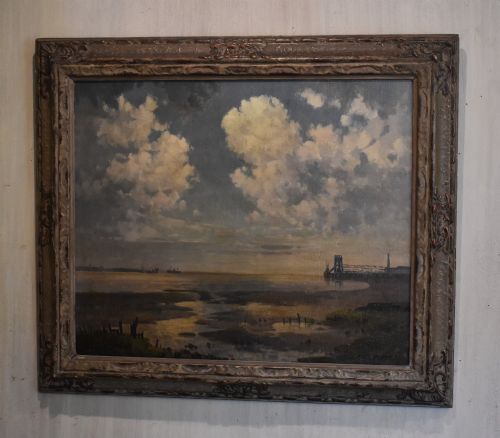


Grey Impressionist Seascape Canvas
A grey impressionist seascape canvas captures the shifting moods of the coast through brisk brushwork and muted maritime tones.
Grey Impressionist Seascape Canvas
A grey impressionist seascape canvas focuses on coastal scenes, harbours, and maritime views rendered through the lens of impressionism and post-impressionism.
The selections on this page span from the late nineteenth century through to the mid-twentieth century, capturing ports and fishing boats in British and French locations.
Works range from intimate coastal landscapes to detailed harbour views, showcasing how artists interpreted the sea using atmospheric grey palettes.
What varies in quality
The strength of the composition and the confidence of the brushwork distinguish finer examples from simpler student or amateur efforts.
The handling of light and atmospheric grey tones determines the visual impact of each coastal scene.
Listings feature works executed in oil paint on canvas and board, dating from the late nineteenth century to the mid-twentieth century.
Clive Browne·Raymond Picque·William Greaves·Owen Bowen·Herbert Royle·Edward T Jones·Frank Myers Boggs·Bertram Priestman·John W Gilroy
The Grey Impressionist Seascape Canvas Glossary
- Impressionism
- A nineteenth-century art movement characterised by relatively small, thin yet visible brush strokes and an emphasis on accurate depiction of light.
- Impasto
- The process or technique of laying on paint or pigment so that it stands out in relief from a canvas.
- Post-Impressionism
- A predominant style of modern art in France that extended impressionism while rejecting its limitations.
- Seascape
- A photograph, painting, or other work of art which depicts the sea, in style similar to that of a landscape on land.
Grey Impressionist Seascape Canvas: Frequently Asked Questions
How do I date a grey impressionist seascape canvas?
Dating relies on stylistic evidence, artist signatures, and framing methods typical of the period from the late nineteenth to the mid-twentieth century.
Examine the back of the canvas or board for old exhibition labels, inscriptions, or stamps that often record specific dates or locations.
Where were these maritime paintings created?
These works originate from various coastal locations across Britain, France, and Belgium, depicting working ports, fishing boats, and rocky bays.
Artists frequently travelled to maritime hubs like Concarneau, Ostend, and various British fishing villages to paint en plein air.
What is the difference between impressionism and post-impressionism?
Impressionism focuses primarily on the fleeting effects of light and natural colour in an immediate outdoor setting.
Post-impressionism extends these techniques while placing a greater emphasis on geometric forms and expressive, symbolic use of paint.