

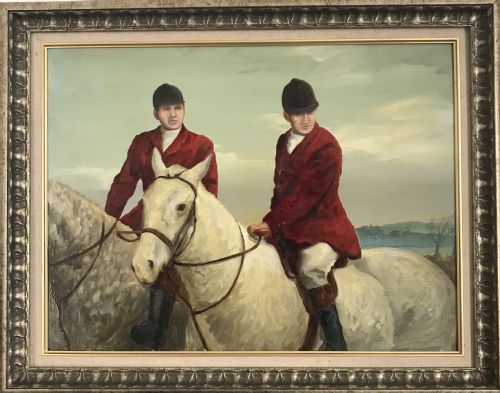
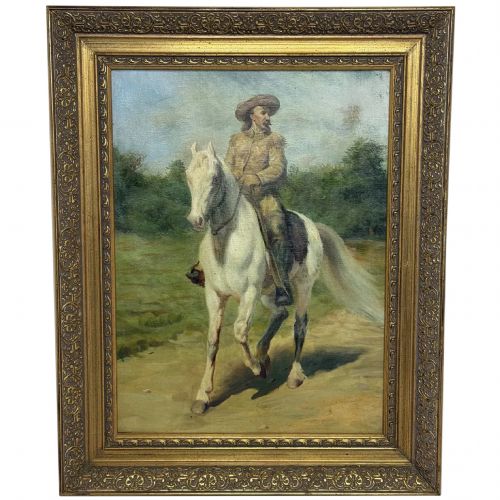


Grey Horse Oil Painting
A grey horse oil painting brings strong equestrian character into a room, capturing powerful working animals or prized hunters in traditional brushwork.
Grey Horse Oil Painting
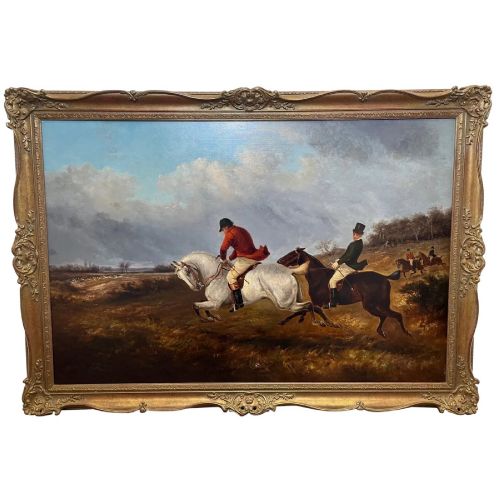
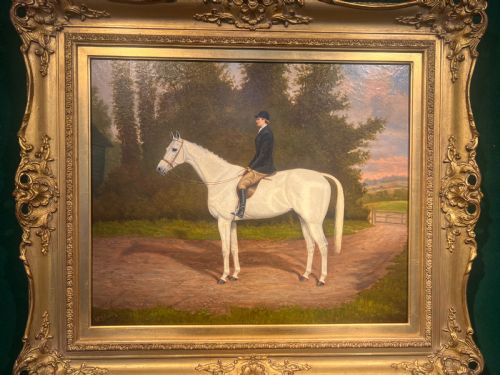
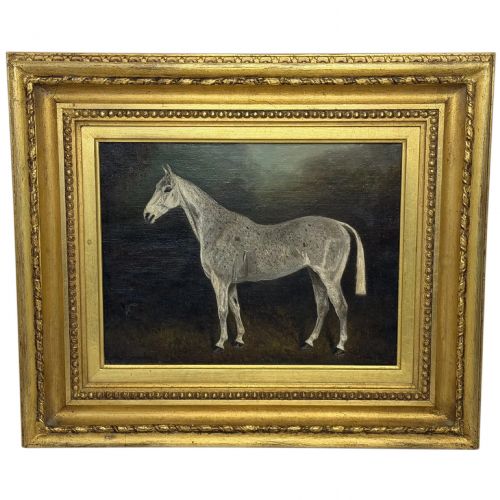
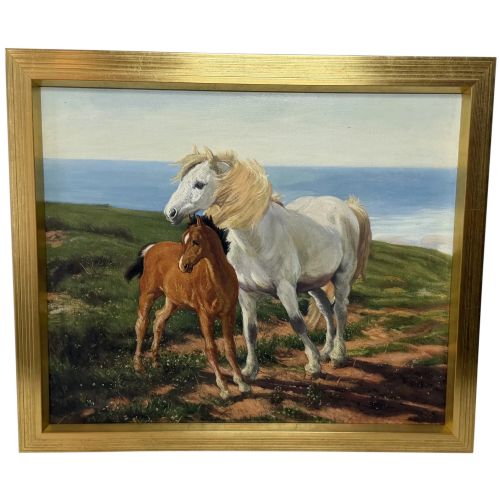
A grey horse oil painting captures the striking coat of these animals, ranging from working shire horses to agile hunters and mares in pastoral landscapes. You will encounter various portrayals on this page, from formal Victorian sporting art to mid-century rustic scenes and traditional British equestrian portraits.
The selection includes specific regional views, such as a Cheshire sporting work depicting a grey mare at Nantwich, alongside intimate studies of ponies, heavy draft horses, and stable scenes. Many pieces place the animals within agricultural settings, hunting fields, or quiet rural landscapes.
Dating spans from the Regency era through the Victorian period into the twentieth century, reflecting shifting approaches to animal portraiture. Whether you seek a grand fox hunting composition or a simple study of a dapple grey working horse, the works demonstrate enduring attention to equine form.
Materials and technique
These works rely primarily on oil paint applied to canvas or wood panels, allowing artists to build rich textures and subtle tonal shifts across the animal's coat. Painters layer pigments to capture the complex interplay of light and shadow on grey, white, and roan hair.
Many canvases are housed within period frames, including ornate giltwood surrounds that complement the traditional subjects. The physical construction combines traditional stretcher frames with fine linen or canvas grounds.
Grey Horse Oil Painting Retail Price Guide 2026
Typical asking prices for grey horse oil painting among the pieces listed under this phrase on Sellingantiques today, from the lower quarter to the upper quarter. They describe what is for sale here now, not the wider market.
Several canvases squeeze an inquisitive terrier into the composition, keeping a watchful eye on the hunter from the grass.
Factors that distinguish quality
Quality rests heavily on the artist's anatomical precision and ability to render the muscle structure, movement, and distinct personality of the animal. Superior works display confident brushwork that conveys the texture of the coat and the vitality of the subject within its landscape.
The sophistication of the background composition also marks the distinction between standard decorative pieces and accomplished fine art. Stronger paintings integrate the horse seamlessly into the surrounding countryside, stable interior, or sporting scene with balanced light and perspective.
Thomas Smythe·Clifton Tomson·Stanley Berkeley·Reginald Mills RBA·Albert Ferdinand Le Dru
The Grey Horse Oil Painting Glossary
- Equestrian art
- Artwork depicting horses, riders, and related sporting or agricultural subjects. This genre encompasses formal portraits of prized animals as well as action scenes from hunting and racing.
- Giltwood
- Wood carved and covered with a thin layer of gold leaf or gold paint. This material is frequently found on the traditional frames enclosing antique oil paintings.
- Dapple grey
- A coat colour featuring darker circular spots or rings distributed over a lighter grey base. It is a favoured subject for painters due to the intricate pattern it creates.
- Sporting art
- A category of visual art dedicated to rural sports, including horse racing, fox hunting, and shooting. These works often document specific animals, owners, and notable estates.
- Oil on canvas
- A traditional painting medium where oil-based pigments are applied to a stretched woven fabric support. This combination provides durability and a flexible surface for blending colours.
Grey Horse Oil Painting: Frequently Asked Questions
How do I date an antique horse painting?
Dating relies on examining the canvas preparation, stretcher construction, and framing style alongside any visible signatures or inscriptions. Costume details on riders or grooms also offer reliable clues to the exact decade of creation.
Historical records and artist signatures further anchor the piece within a specific nineteenth or twentieth-century period. Comparing the artistic style to known works helps narrow down the probable year of origin.
What subjects appear besides hunting horses?
The selection includes working draft horses engaged in ploughing fields, hauling carts, or drinking from troughs. Rural harvest scenes and quiet pasture portraits also feature prominently among the available works.
Artists frequently recorded everyday agricultural life alongside grand sporting events. This provides a diverse record of how equines served communities in past centuries.
How should I care for an oil on canvas?
Keep the painting away from direct sunlight and fluctuating humidity to prevent the canvas from warping and the oil paint from cracking. Gentle dusting with a soft, dry brush is sufficient for routine maintenance.
Avoid using water or chemical cleaners on the paint surface. Professional conservation is recommended if the canvas requires deep cleaning or structural repair.
Where were these equine paintings produced?
Most works originate from British studios and regional art communities, reflecting the strong tradition of domestic sporting and agricultural painting. Continental European pieces also appear, demonstrating similar academic approaches to animal portraiture.
Regional scenes often tie the artwork to specific local landscapes, such as Welsh valleys or Yorkshire countryside. This geographical context enriches the historical value of each piece.