


Grey Distressed Wood Mirror
When choosing a grey distressed wood mirror, you examine 19th-century French and English overmantel and wall pieces shaped by time.
Grey Distressed Wood Mirror
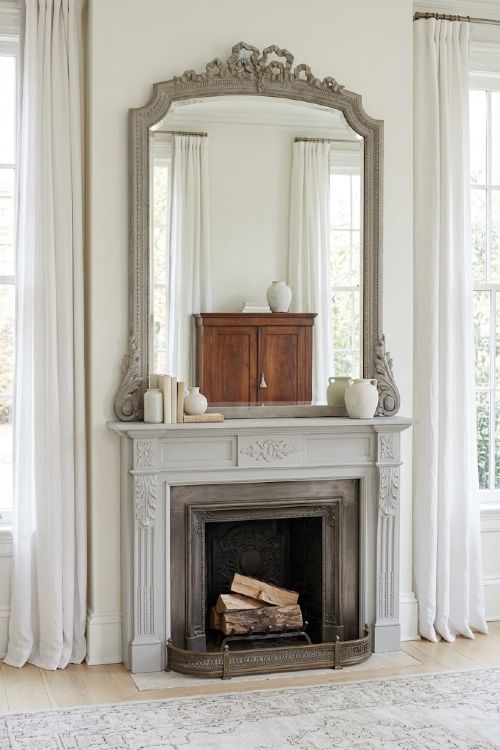
A grey distressed wood mirror combines utilitarian reflection with decorative presence, largely originating from nineteenth-century French and English workshops. These items frequently take the form of substantial overmantel or wall mirrors designed to anchor a room.
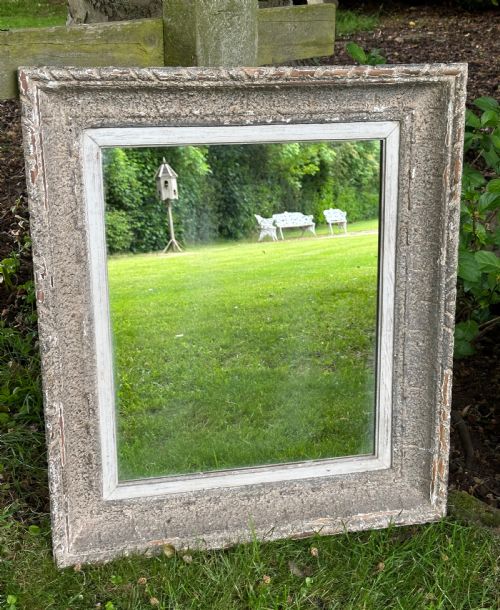
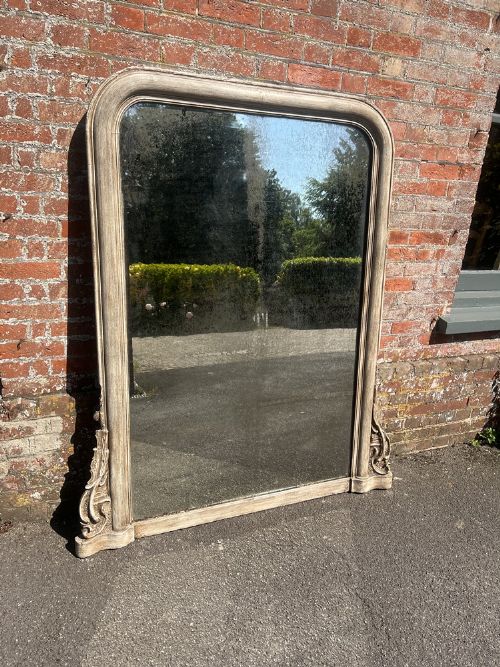
The objects seen here span periods from the mid-nineteenth century to the early twentieth century, showing influences such as Louis Philippe, Louis XV, and Rococo styles. You encounter arched tops, shaped frames, and rectangular formats intended for domestic interiors.
Most selections on this page reflect European provenance, particularly French provincial and chateau aesthetics, characterised by painted wooden surfaces that have aged naturally over decades.
Materials and technique
Constructed from carved timber, these frames rely on wooden foundations shaped by hand before receiving layers of gesso to smooth the contours. Artisans applied paint over the plaster layers, creating the textured surfaces that later weather into distressed patinas.
Glass panels, comprising mirror glass and mirrored glass, sit within the carved and paintedrebates, secured behind wooden backs. Gilt details occasionally emerge beneath or alongside the paint, reflecting traditional nineteenth-century finishing methods.
Listings span the nineteenth and early twentieth centuries, featuring carved wood, gesso, paint, and glass configured as wall and overmantel mirrors.
Factors of quality
Quality rests in the crispness of the hand carving beneath the paint layers and the structural integrity of the wooden frame joints. Superior pieces retain deep, intentional moulding profiles rather than flat, machine-cut edges.
The character of the painted surface matters significantly, distinguishing purposeful artistic ageing from accidental modern damage. Original glass panels displaying soft oxidation add depth that replacement mirror glass simply lacks.
The Grey Distressed Wood Mirror Glossary
- Gesso
- A plaster mixture applied to wood frames to provide a smooth base for painting and gilding. This material allows intricate relief decoration to be moulded onto the timber.
- Overmantel Mirror
- A large mirror specifically designed to hang above a fireplace mantelpiece. These pieces often feature wide proportions to reflect light across the room.
- Louis Philippe
- A mid-nineteenth-century French style defined by understated elegance, simple arched tops, and restrained classical ornamentation. It avoids excessive rococo flourishes in favour of clean lines.
- Cushion Mirror
- A frame with a convex or outward-sloping profile that resembles a soft cushion. This style directs visual focus inward towards the central glass plate.
- Bistro Mirror
- A functional, simply framed mirror historically utilised in French commercial interiors and cafes. They offer robust construction with straightforward rectangular or arched silhouettes.
Grey Distressed Wood Mirror: Frequently Asked Questions
Where should I hang an overmantel mirror?
These mirrors traditionally sit directly above a fireplace mantel, anchoring the main wall of a principal room. Their generous proportions also suit placement above large sideboards or console tables in high-ceilinged spaces.
Ensure the wall fixings match the considerable weight of carved wood and gesso frames. Professional installation is often advisable for larger nineteenth-century examples.
How do I clean a distressed painted frame?
Dust the carved wooden surfaces gently with a dry, soft brush to protect the aged paint layers. Avoid modern chemical solvents or abrasive cloths that might strip away the historic patina.
For the glass plate, apply standard glass cleaner to a cloth rather than spraying directly onto the mirror. This prevents moisture from seeping behind the glass edges and damaging the backing.
Are these mirrors genuinely from the nineteenth century?
The pieces listed originate predominantly from the mid-nineteenth century through to the early twentieth century. Construction methods such as hand-carved timber, traditional gesso application, and aged mirror plates confirm their period authenticity.
Stylistic markers like Louis Philippe arches and French provincial proportions further align with documented nineteenth-century workshop practices.
What causes the grey distressed finish?
The distressed appearance results from decades of natural wear, handling, and environmental exposure acting upon layered paint over gesso. Original decorative schemes have thinned over time, revealing the underlying wood and plaster beneath.
This gradual ageing process creates the characteristic weathered texture valued by collectors of nineteenth-century European furnishings.