

Grey Coastal Artwork
Grey coastal artwork captures the atmospheric tones and maritime scenes of shores from the nineteenth and twentieth centuries.
Grey Coastal Artwork
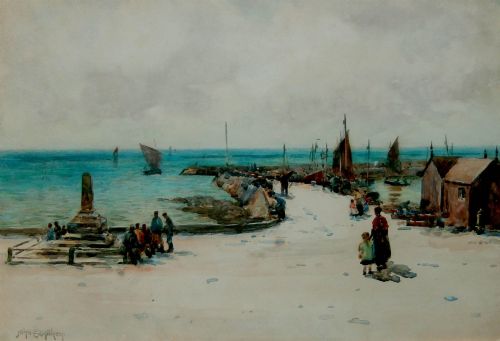
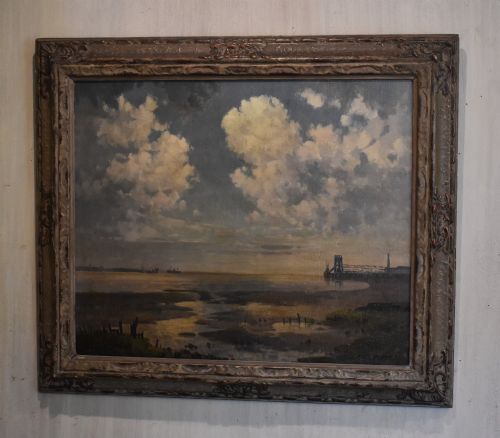
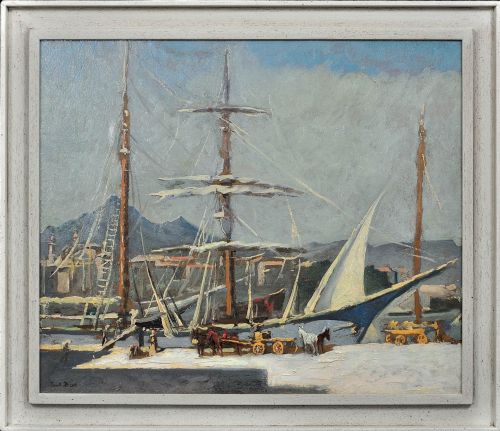
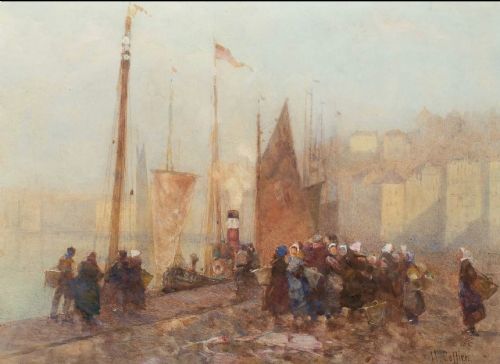
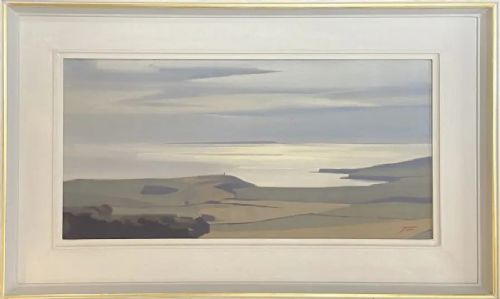
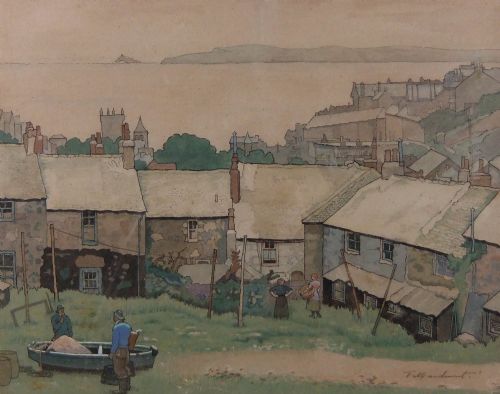
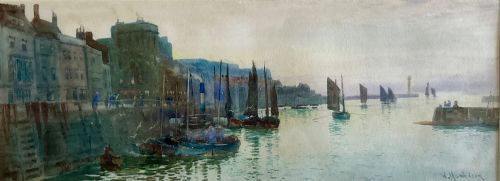
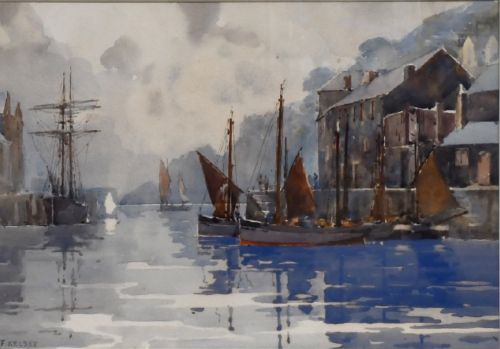
Grey coastal artwork encompasses paintings and watercolours depicting shorelines, harbours, and maritime activities under muted skies. The works frequently document specific locations such as Whitby, St Ives, and various northern or Scottish havens.
Buyers meet pieces stretching from the Victorian period through to the mid-twentieth century, including works associated with British Impressionism and Modern British movements. These range from intimate watercolours on paper to large oil paintings on canvas or board.
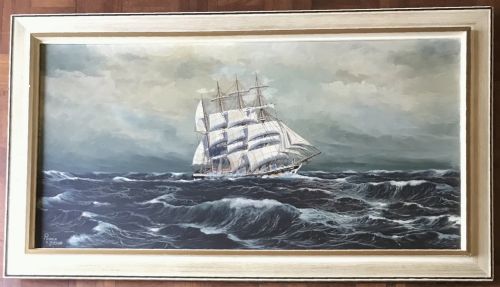
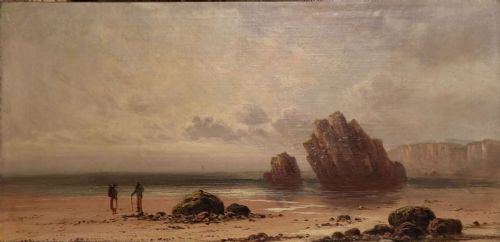
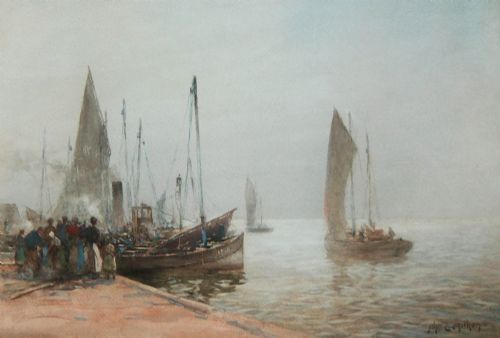
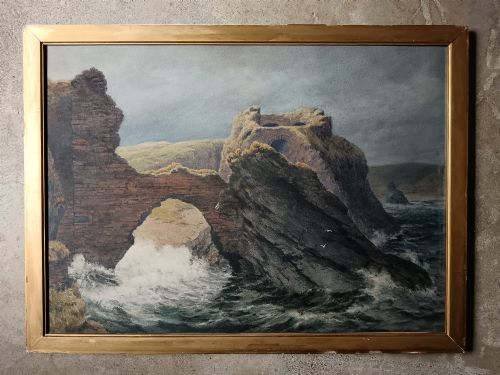
The visual focus rests on maritime subjects like barges, fishing cobles, and coastal figures working against a backdrop of sea and rock. Such grey coastal artwork reflects a deep historical engagement with Britain's shores and harbours.
Materials and Construction
Artists employed watercolour pigment on paper for transparent, luminous effects suited to damp coastal air and overcast skies. Others utilised oil paint on canvas, wood, or board to build heavier textures.
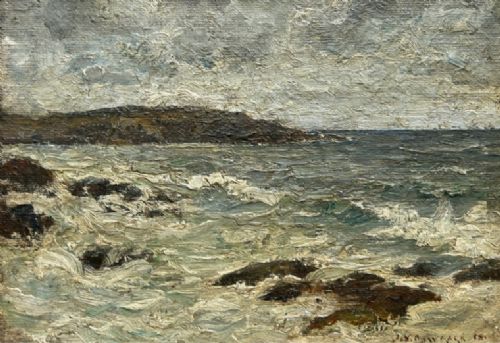
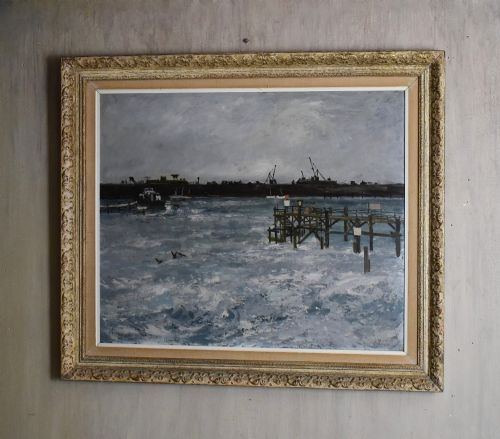
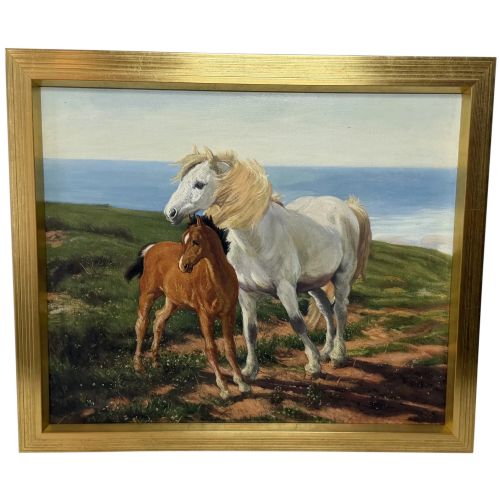
Impasto techniques appear in oil works, applying thick pigment to convey the physical weight of rocky shores and turbulent water. Framing typically involves wood and glass for works on paper, or traditional wooden frames for canvases.
The listings feature works executed in oil and watercolour across the Victorian, Edwardian, and mid-twentieth-century periods.
Assessing Quality and Execution
Quality rests in the handling of light and atmosphere, distinguishing evocative depictions of sea and sky from mechanical topographical illustration. The surety of brushwork in capturing moving water or anchored shipping defines the stronger examples.
Provenance and documentation elevate certain pieces, particularly when signed by known practitioners of maritime and landscape painting. The integration of paper, pigment, and framing within period styles contributes to the overall cohesion of the work.
Thomas Bush Hardy·Edward Seago·Hector Caffieri·William Matthison·Frank Kelsey
The Grey Coastal Artwork Glossary
- Impasto
- Paint applied thickly to a canvas or board, standing out from the surface to create texture. This technique gives physical presence to waves, rocks, and clouds.
- Coble
- A traditional type of open fishing boat with a flat bottom and high bow, common on the North East coast of England. Artists frequently recorded these vessels hauled up on sandy or rocky shores.
- Watercolour
- A painting method in which the pigments are suspended in a water-based solution, typically applied to paper. It allows for translucent washes that suit atmospheric marine scenes.
- Sea Stack
- A geological landform consisting of a steep and often vertical column or columns of rock in the sea. These formations appear frequently in nineteenth-century coastal views.
- Provenance
- The chronology of the ownership, custody, or location of a historical artwork. Clear provenance assists in confirming attribution to specific painters.
Grey Coastal Artwork: Frequently Asked Questions
What periods do these coastal paintings span?
The selection includes works originating from the nineteenth century through to the mid-twentieth century. Victorian examples sit alongside Edwardian and mid-century modern pieces.
Artists across these eras recorded British and European coastlines using traditional painting methods. Each period brought distinct stylistic approaches to maritime subjects.
What is the difference between oil and watercolour works?
Watercolours utilise pigment on paper, generally protected behind glass, offering luminous and delicate tonal gradations. Oils employ thicker paint on canvas, wood, or board, allowing for rich textures and deep colour layering.
Both mediums were widely used by marine artists to capture the shifting moods of the sea.
How should I care for antique marine art?
Keep works away from direct sunlight to prevent fading in both watercolours and oil paintings. Maintaining stable room humidity protects the paper, canvas, and wooden frames from warping.
Ensure watercolours remain sealed behind glass to guard against airborne pollutants and moisture.