
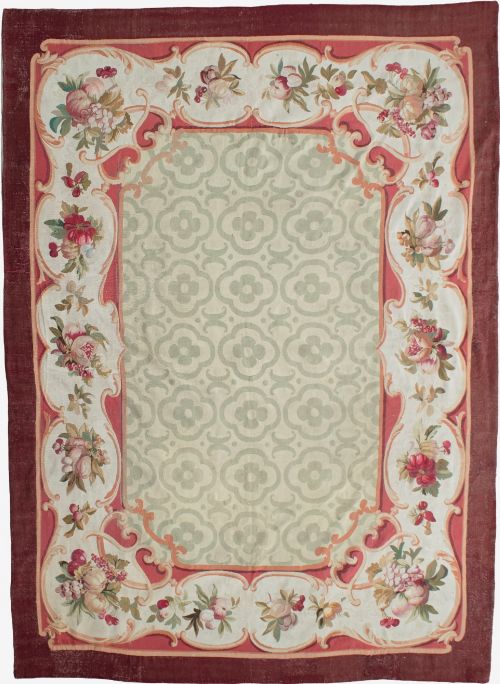


Green Wool Carpet
A green wool carpet brings rich botanical depth and traditional craftsmanship directly onto the floor, offering lasting character for your interior.

Green Wool Carpet
A green wool carpet encompasses hand-knotted and flatwoven floor coverings originating from diverse regions including Turkey, the Caucasus, Persia, and Europe. These pieces date from the eighteenth century through the early twentieth century, reflecting varied regional weaving traditions and distinct design motifs.
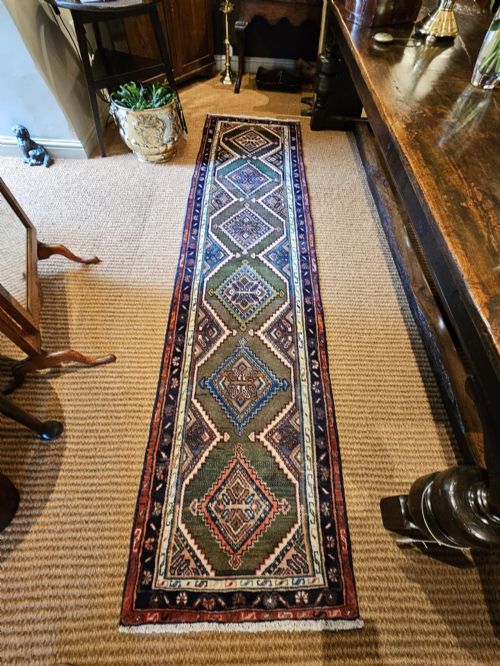
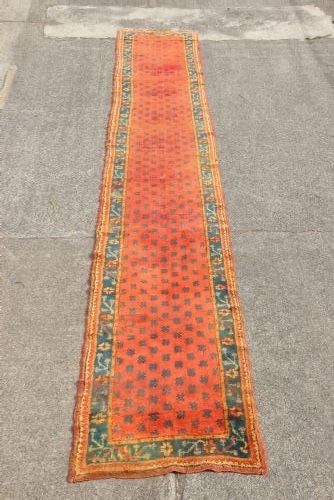
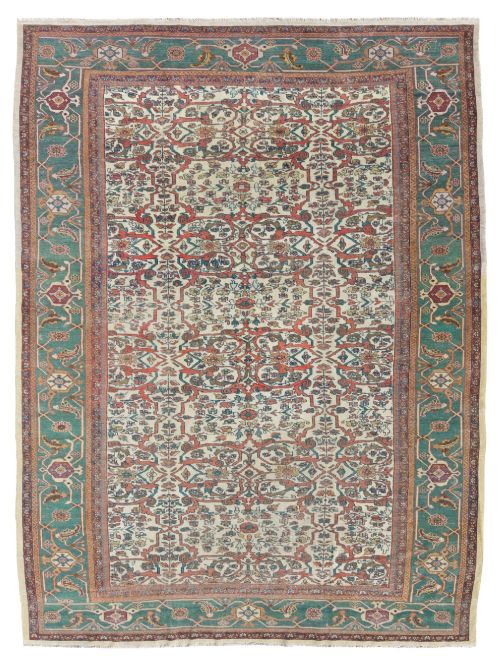
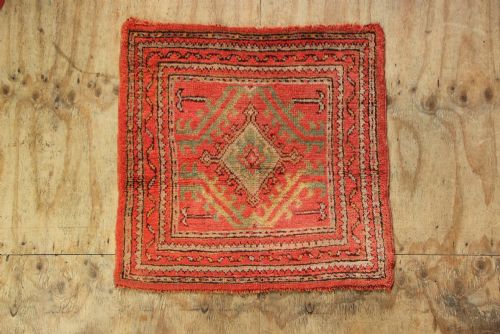
The green wool carpet you will most frequently encounter on this page is a nineteenth-century or early twentieth-century Anatolian or Ushak rug, often featuring a runner or gallery format alongside square and large carpet dimensions.

How they were made
These floor coverings utilise natural wool for the pile and foundation, frequently combined with cotton, linen, canvas, silk, or angora wool for structural stability and detail. Artisans knotted or stitched these fibres by hand onto woven foundations, employing traditional regional techniques handed down across generations.
Dyes derived from natural sources imparted deep shades to the wool, creating the characteristic green fields, olive tones, and pistachio or aquamarine central grounds seen across the inventory.
Green Wool Carpet Retail Price Guide 2026
Typical asking prices for green wool carpet among the pieces listed under this phrase on Sellingantiques today, from the lower quarter to the upper quarter. They describe what is for sale here now, not the wider market.
One extraordinary carpet captures the likeness of Kaiser Wilhelm II in wool.
What varies in quality
The fineness of the knotting and the complexity of the design define the upper tier of these textiles, where weavers executed intricate geometric or floral patterns with precision. Superior examples display balanced proportions, harmonious colour retention, and skilful integration of secondary hues within the wool pile.
Variations in the handling of the wool and the sophistication of regional dyeing techniques distinguish standard village productions from master workshop carpets, affecting the overall visual impact on the floor.
The Green Wool Carpet Glossary
- Kilim
- A flatwoven carpet or rug produced without a pile, traditionally utilised across Anatolia and Eastern Europe. These pieces rely on interlocking weave techniques to form sharp geometric patterns.
- Prayer rug
- A small carpet featuring a mihrab or niche design at one end, traditionally oriented toward Mecca during daily prayers. These formats often display specific regional motifs associated with weaving centres like Konya or Ghiordes.
- Runner
- A long, narrow carpet format designed primarily for hallways, corridors, or alongside furniture. These pieces require specific proportions to balance length and width effectively.
- Pile
- The raised, soft surface of a carpet formed by the cut ends of knotted yarn. The density and material of this layer determine the tactile quality underfoot.
- Ground
- The main background field of a carpet behind the central medallions and border patterns. This area showcases the primary colour, such as olive, pistacchio, or blue-green.
Green Wool Carpet: Frequently Asked Questions
Where should I place a green wool carpet?
These textiles suit high-traffic hallways, living rooms, and studies where their natural wool construction provides durability and comfort underfoot. Runners fit narrow corridors, while larger formats anchor seating arrangements in principal rooms.
Selecting the appropriate scale ensures the patterns remain visible and complement the surrounding floorboards or stone surfaces without overwhelming the space.
How do I clean a green wool carpet?
Regular gentle vacuuming without a rotating brush lift removes surface dust from the wool fibres safely. Professional specialist cleaning remains essential for addressing deeper dirt to preserve the natural dyes.
Avoiding harsh chemical treatments prevents damage to the delicate silk, cotton, or wool components that constitute the fabric of these antique textiles.
How do I date an antique green wool carpet?
Dating relies on examining the specific weave structure, the characteristics of the wool and cotton materials, and the style of the regional motifs. Stylistic influences often align with nineteenth-century or earlier traditions from centres like Ushak or the Caucasus.
Comparing structural details against documented examples from known production periods helps establish a reliable timeframe for each individual piece.