

Green Victorian Oil Painting
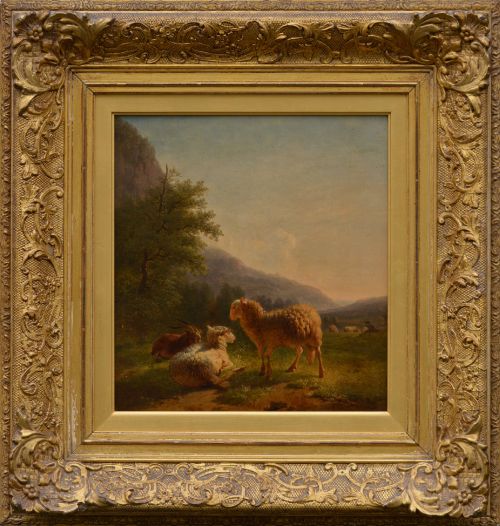
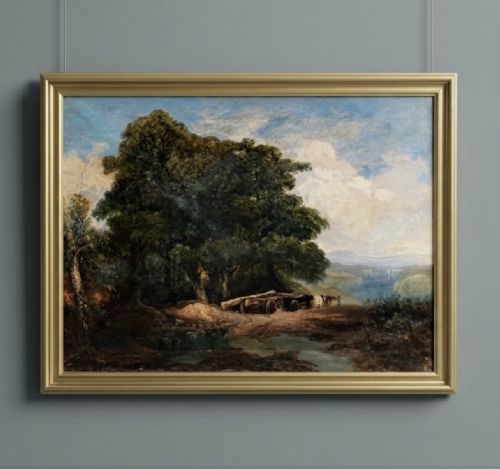
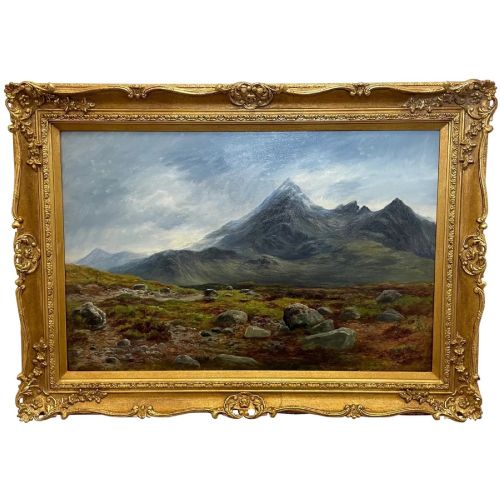
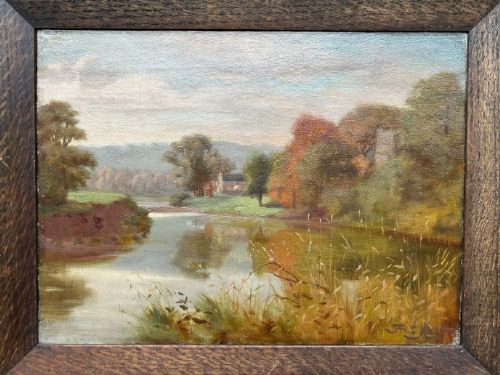
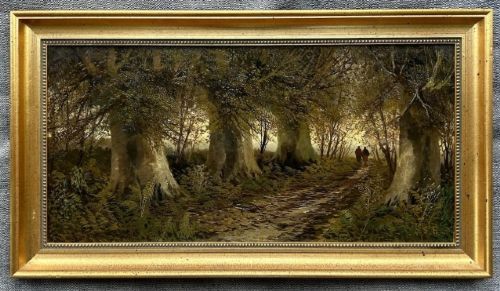
When you search for green victorian oil painting, you find nineteenth-century canvas and board works dominated by pastoral landscapes and forest scenes.
Green Victorian Oil Painting
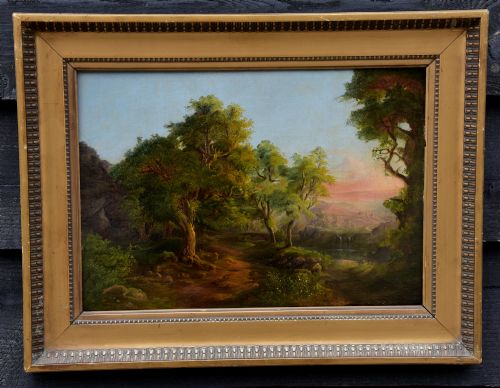
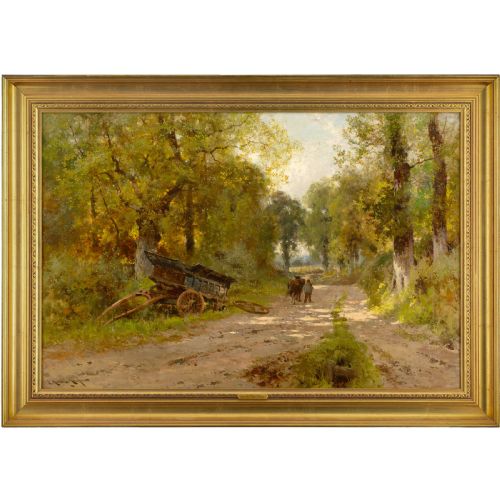
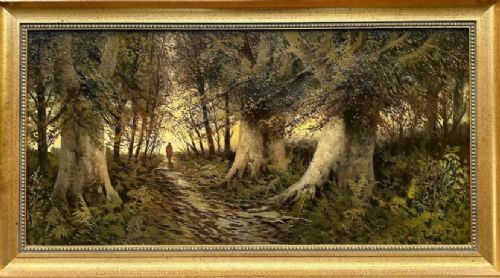
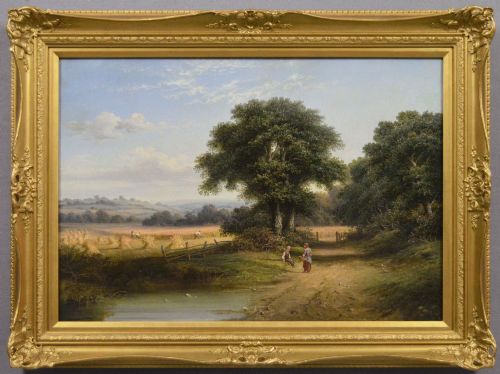
A green victorian oil painting typically depicts pastoral scenes, woodland landscapes, and rural valleys created during the nineteenth century. These works capture the natural world through the lens of Victorian realism, pastoralism, and naturalism.
Most examples found in this selection originate from British and French artists working in oils on canvas or wood panels. Common subjects include rivers, harvest fields, and mountainous terrain rendered in earthy tones and verdant palettes.
How They Were Made
Artists applied oil paint using brushes and palette knives onto stretched canvas or prepared wooden boards. Canvases were frequently housed within ornate frames constructed from wood, gesso, and gilt.
The technique relies on layering oil pigments to build depth in foliage, water, and shadow. Pigments of the period often produced rich greens and browns that define the enduring character of these rural landscapes.
Listings feature works from the 19th Century, Victorian, and Edwardian periods executed in oil on canvas or wood.
What Varies in Quality
The standard of execution separates master compositions from routine studio output. Confident brushwork, anatomical accuracy in figures and animals, and balanced perspective elevate individual canvases.
The preservation of the original paint surface and the integrity of the support material influence the overall standing of a piece. Original frames featuring period gesso and gilding also contribute to the completeness of the work.
Eugène Verboeckhoven·Richard Sebastian Bond·William Beattie Brown·Frederick Marriott·John Horace Hooper·Thomas W Lascelles·David Bates·William Broome·Vincent Clare·Walter Heath Williams·Konstantin Stoitzner·Edward Ladell·Richard Redgrave·Henry H Parker·Robert Watson·Edward Priestley·Johann Friedrich Voltz·Henry Yeen King·Richard B Spencer·William Greaves·Sydney Yates Johnson·James Greenlees
The Green Victorian Oil Painting Glossary
- Oil on Canvas
- Pigment mixed with drying oil applied to woven fabric stretched across a wooden frame. This support became the standard medium for fine art throughout the nineteenth century.
- Giltwood
- Wood that has been coated with a thin layer of gold leaf or gold paint. Frames built this way often accompanied substantial Victorian paintings.
- Gesso
- A plaster-like mixture used as a smooth base for painting on panels or for moulding decorative details on frames. It provides a stable surface for subsequent layers of gilding or pigment.
- Victorian Realism
- An artistic movement focused on depicting everyday subjects and landscapes with truth to nature. Painters in this style avoided idealized abstraction in favour of observable detail.
Green Victorian Oil Painting: Frequently Asked Questions
What subjects appear in these paintings?
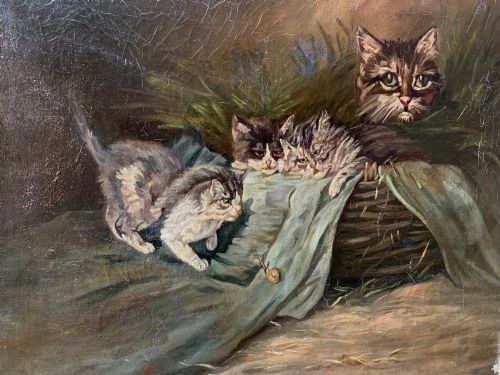
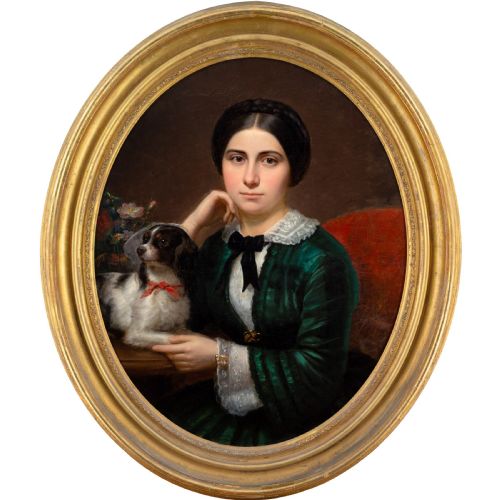
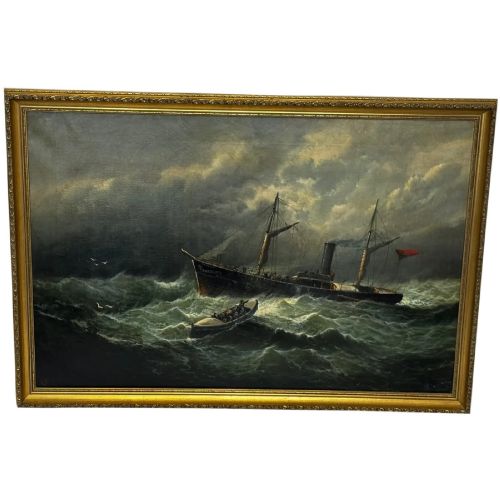
These works primarily feature British and European countryside views, woodlands, rivers, and coastal scenes. Figures, farm animals, and domestic pets frequently animate the pastoral settings.
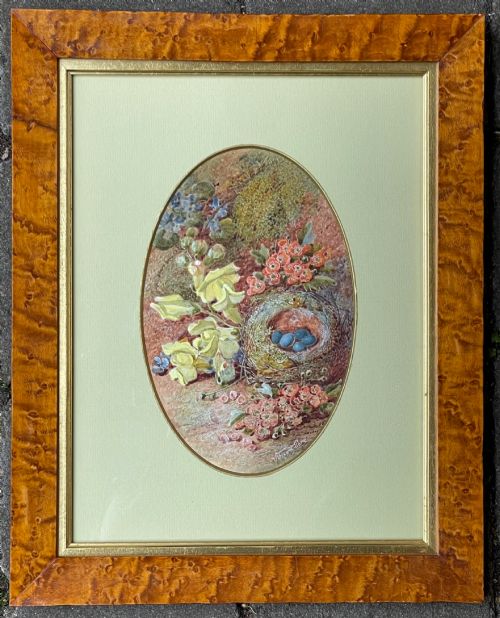
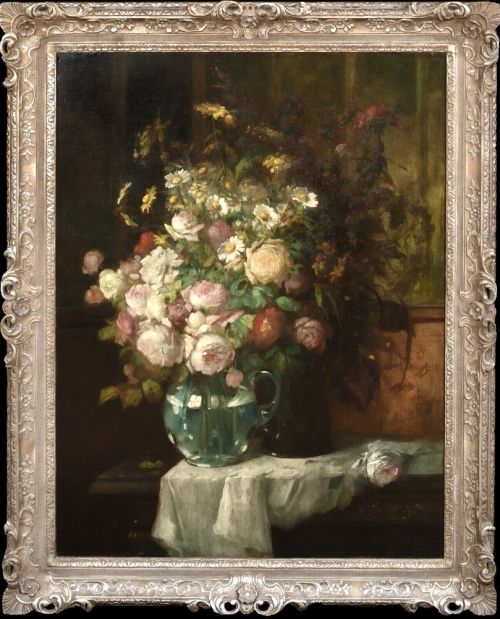
Still life compositions involving flowers and fruit also appear alongside historical and genre scenes from the period.
How should I hang an oil painting?
Hang the artwork on a stable interior wall away from direct sunlight and dramatic temperature fluctuations. Secure picture hooks directly into wall studs or use appropriate masonry fixings.
Ensure the weight of the canvas and its heavy gilt frame is properly supported by robust picture wire.
How do I clean an antique canvas?
Dust the surface and frame gently with a soft, dry brush or a clean microfibre cloth. Avoid using water, liquid cleaners, or domestic solvents on the painted canvas.
Professional conservators should handle deeper cleaning or the removal of aged varnish to prevent damage to the original pigment.
Are these works signed by the artist?
Many pieces carry visible signatures, monograms, or dates applied by the artist, often located in a lower corner. Some canvases remain unsigned or are attributed to specific schools based on style and technique.
Examine the canvas surface and framing margins carefully for inscriptions or gallery labels.