


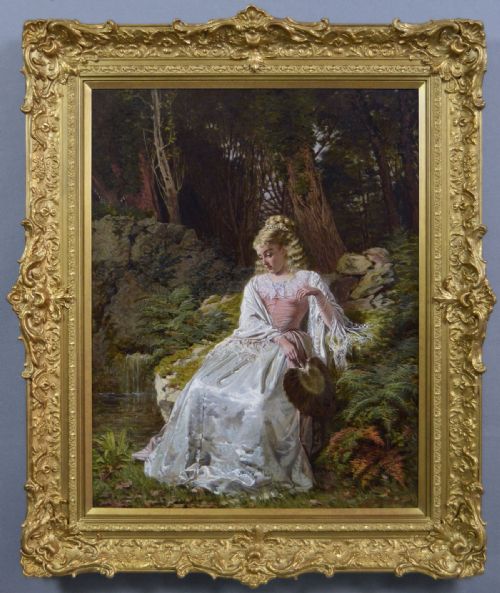

Victorian Landscape and Figure
These pieces capture a vanished world where humanity and geography met on canvas.
Victorian Landscape and Figure
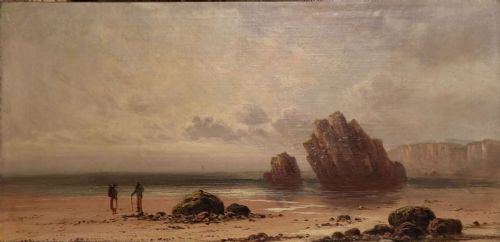
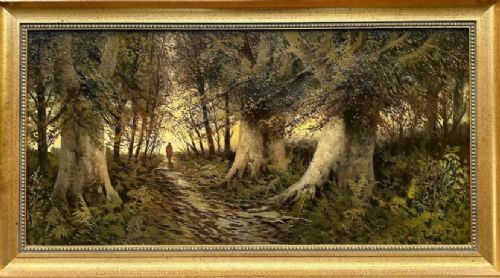
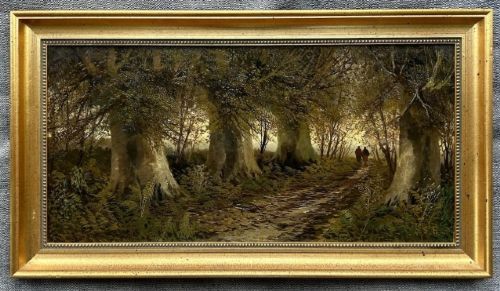
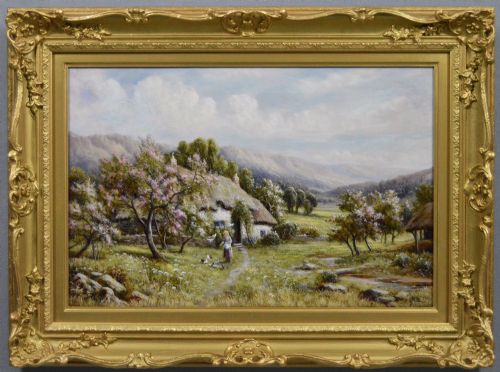
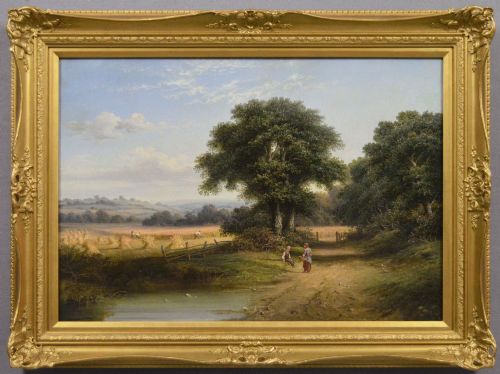
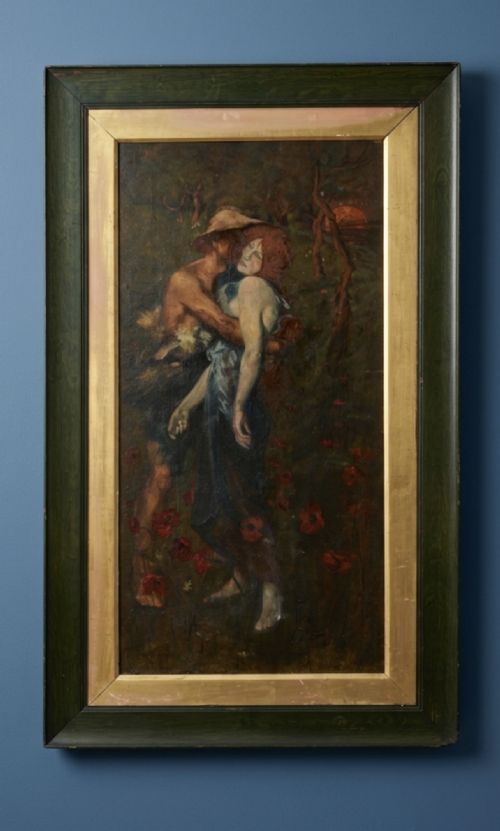
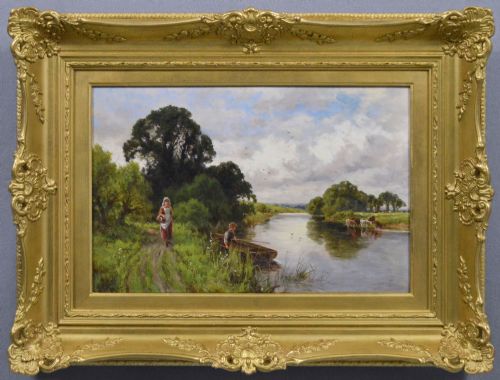
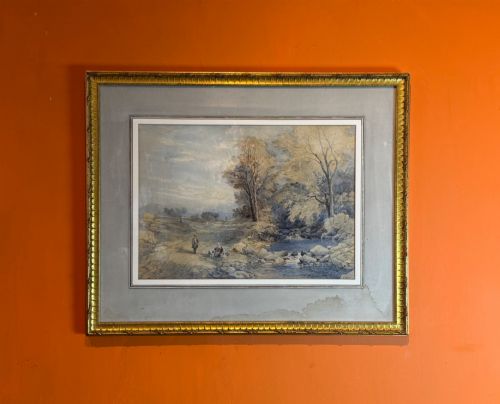
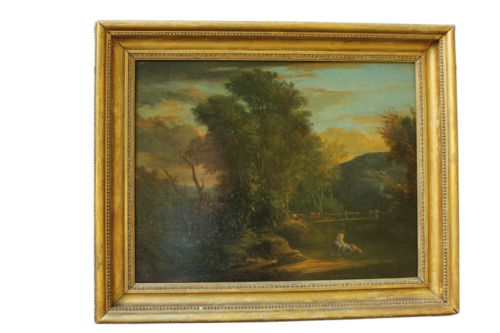
A victorian landscape and figure work places human activity within a broader natural or architectural setting, creating a narrative of daily life during the nineteenth century. These pieces record rural scenes, coastal views, and townscapes where human figures provide scale and focal interest.
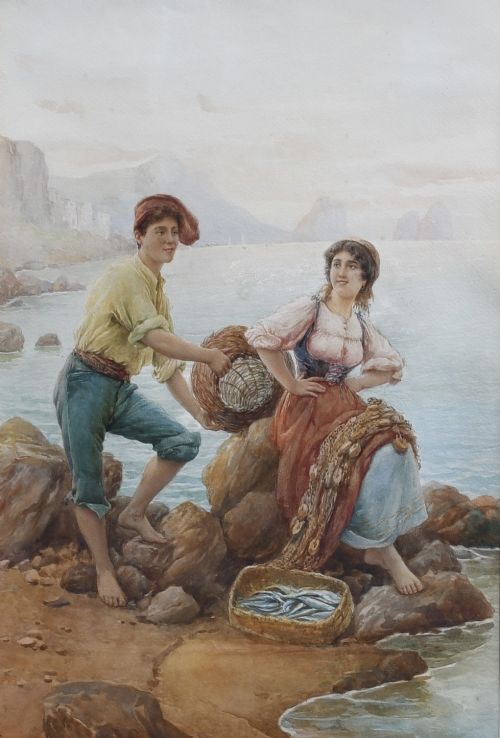
The compositions on this page span the nineteenth century into the early decades of the twentieth century, encompassing pastoral landscapes, coastal stretches, and river scenes. Most examples rely on traditional oil on canvas or delicate watercolour on paper to capture changing light and atmosphere.
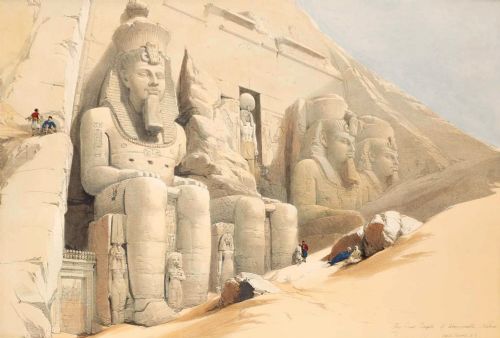
Buyers encounter works produced by regional British schools as well as continental European artists who shared a common interest in narrative realism. These paintings document agrarian toil, quiet rural pastimes, and grand architectural sites viewed through a historical lens.
Materials and technique
Painters of this period typically applied oil paint onto prepared canvas or used watercolour pigments on paper, supported by wooden stretchers and often framed in giltwood. These materials allowed artists to build rich layers of colour and fine detail.
The technique balances careful draughtsmanship with expressive brushwork, capturing the play of light on water, foliage, and human clothing. Works on canvas often exhibit visible texture from the paint layers, while watercolours rely on washes to create luminous atmospheric effects.
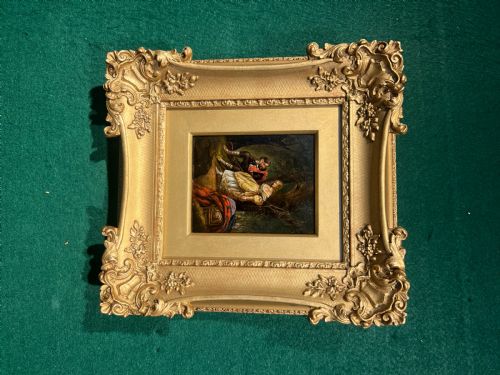
Several canvases record moments of quiet distraction, capturing monks fishing and children picking primroses.
Elements of quality
Quality rests upon the artist's ability to integrate the human subject harmoniously with the surrounding landscape rather than treating the figure as an afterthought. Superior works display confident brushwork, balanced composition, and a careful observation of natural light.
The condition of the canvas, the preservation of the original paint layer, and the quality of the associated giltwood framing significantly influence the overall standard of a piece.
Thomas W Lascelles·Robert John Hammond·Walter Heath Williams·David Roberts·Carlo Ferranti·Henry H Parker·Thomas Baker of Leamington·Thomas Edward Roberts·Henry John Yeend King·Cornelis Christian Dommersen·Robert Thorne Waite·Colin H Greenwood·John A Houston·Frank Hyde·Frederick Waters Watts·Henry Brittan Willis·Alexis De Leeuw·Thomas Rose Miles·Henry Charles Fox·Ebenezer Wake Cook·Edward H Holder·Paul Viry·George Turner·Harold Swanwick·Will Anderson
The Victorian Landscape and Figure Glossary
- Oil on canvas
- A painting medium where pigments suspended in oil are applied to a woven fabric support. This method permits rich blending and durable colour.
- Watercolour
- A paint consisting of water-soluble pigments applied to paper. It creates translucent washes that yield luminous effects.
- Giltwood
- Wood carved and coated with gold leaf or a gold-coloured metallic finish. It provides a traditional decorative border for paintings.
- Genre painting
- Artwork depicting scenes from ordinary life, often featuring people engaged in everyday activities. These subjects offer insight into social history.
Victorian Landscape and Figure: Frequently Asked Questions
What subjects appear most often in these paintings?
These works frequently show people engaged in rural labour, resting by rivers, or walking along country lanes and coastal shores. The human figures provide a narrative focus within detailed natural settings.
Scenes range from agrarian harvests and quiet fishing spots to monumental architectural backdrops and Dutch townscapes.
How should I care for an oil painting on canvas?
Keep the canvas away from direct sunlight and dramatic shifts in temperature and humidity to prevent cracking in the paint layer. Dust the surface gently with a soft, dry brush.
Avoid using liquid cleaners or touching the painted surface directly with bare hands.
How can I distinguish a watercolour from an oil painting?
Watercolours are painted on paper and typically displayed behind glass to protect the delicate medium from moisture and fading. Oil paintings use textured canvas stretched over a wooden frame and do not require glass.
Examining the surface with a magnifier reveals the woven fabric of canvas versus the flat paper support of watercolours.
What defines nineteenth-century realism in these works?
Realism in this context involves depicting everyday subjects and natural scenery with observational accuracy rather than idealized classical motifs. Artists sought to record contemporary life and landscapes with genuine detail.
This approach reflects a growing interest in the authentic appearance of rural workers, coastal communities, and local topography.