


Green Vase Flower Painting
These green vase flower painting pieces capture botanical still life across centuries, offering timeless visual appeal for your collection.
Green Vase Flower Painting
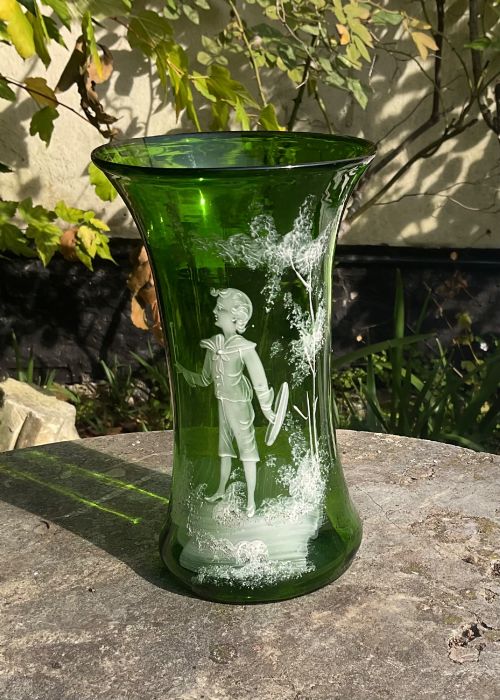
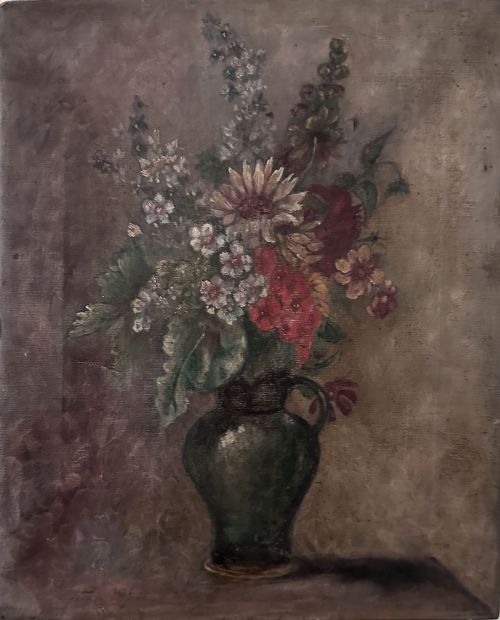
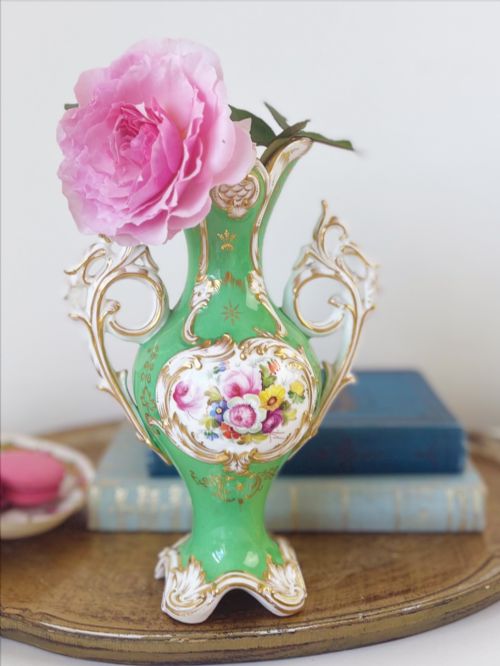
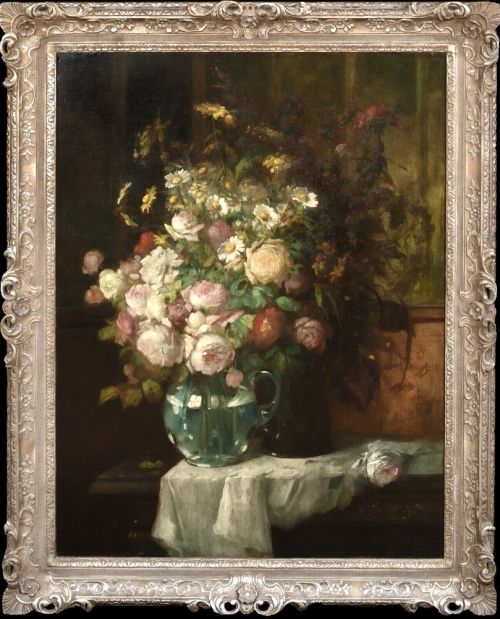
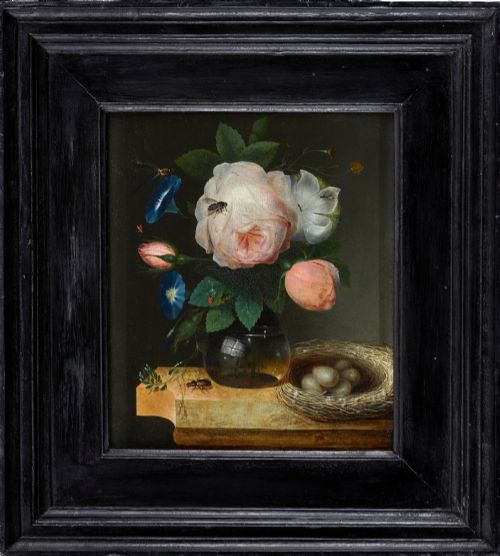
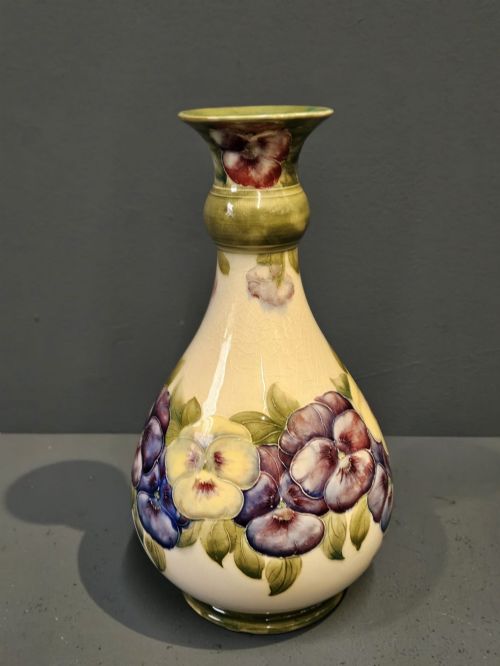
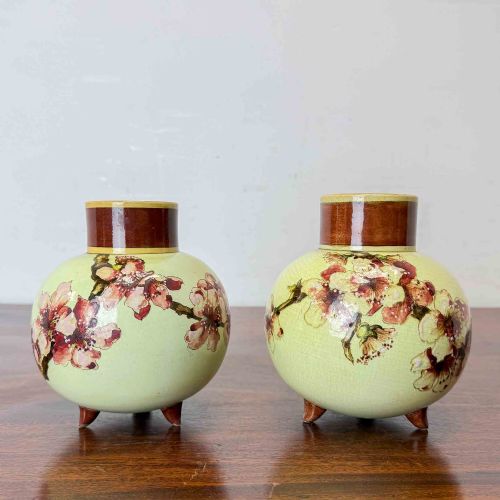
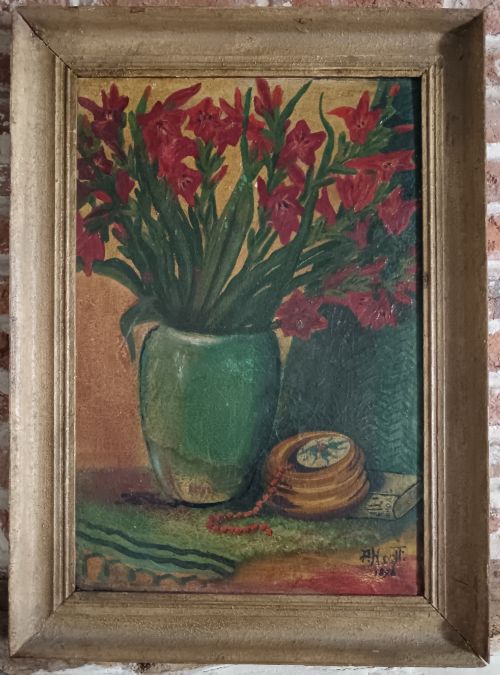
When you search for green vase flower painting, you encounter a diverse selection of oil paintings, watercolours, and ceramic vases featuring floral subjects.
The pieces span various periods including the 17th Century, Victorian era, 19th Century, and mid-20th Century.
You are likely to meet both canvas works and earthenware vessels, reflecting both fine art and decorative craft traditions.
Materials and methods
Makers utilised oil paint and watercolour on canvas or paper to capture detailed floral compositions.
Ceramic pieces involve earthenware glazed and decorated with enamel or gold leaf details on wood frames.
One mid-century canvas explicitly doubles as a lucky charm token of friendship featuring lily of the valley.
Assessing quality
The distinction between tiers rests upon the precision of brushwork and the depth of the botanical rendering.
Execution of background details and the preservation of original materials also influence the character of each piece.
Konstantin Stoitzner·Gaspar Peeter Verbruggen·Moorcroft McIntyre·Doulton Lambeth·Owen Bowen·Henrietta Creswell·Henry Schouten·Emily Selinger·Olive Higginbottom
The Green Vase Flower Painting Glossary
- Canvas
- A heavy woven fabric used as a surface for oil painting. It provides a durable ground for textured brushstrokes.
- Earthenware
- Porous pottery fired at relatively low temperatures. It forms the base for glazed decorative vessels.
- Enamel
- A decorative vitreous composition applied to surfaces. It offers vibrant colour and a glossy finish.
Green Vase Flower Painting: Frequently Asked Questions
What periods do these pieces represent?
The selection spans multiple centuries, reaching from the 17th Century through the Victorian period and into the 20th Century.
Individual works reflect the distinct artistic movements and manufacturing techniques of their respective eras.
What materials are commonly used?
Makers employed canvas, oil paint, watercolour, and wood alongside earthenware ceramics, glazes, and gold leaf.
These materials appear in both two-dimensional paintings and three-dimensional decorative vases.
How were these decorative items used?
Paintings served as interior wall art to decorate domestic spaces with botanical scenes.
Ceramic vases functioned as decorative vessels or display pieces for floral arrangements.
How do I care for these items?
Paintings on canvas or paper require stable indoor environments away from direct sunlight and excessive moisture.
Earthenware ceramic pieces benefit from gentle dusting and careful handling to preserve glazes.