





Green Scottish Landscape Artwork
Green scottish landscape artwork captures rugged hills and quiet lochs through the brush of regional painters.
Green Scottish Landscape Artwork
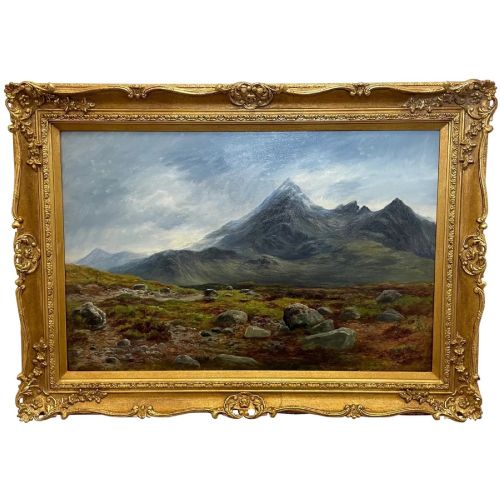
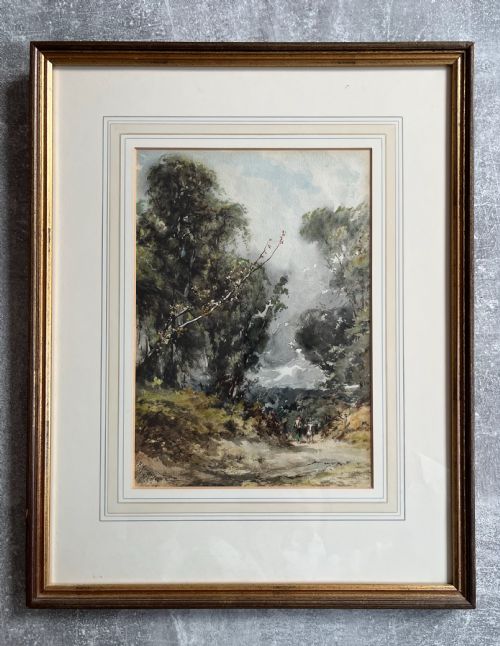
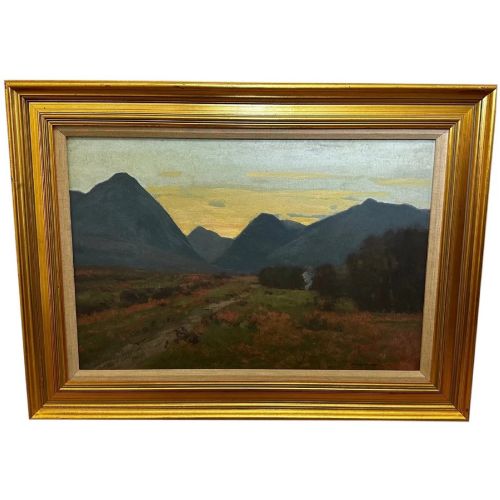
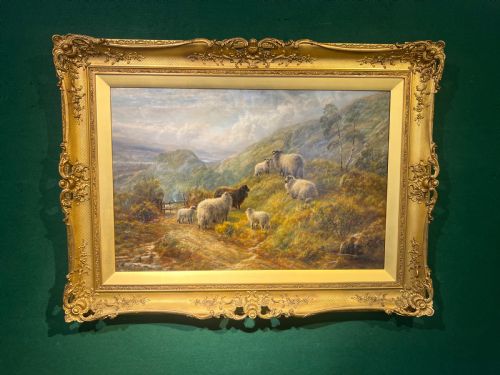
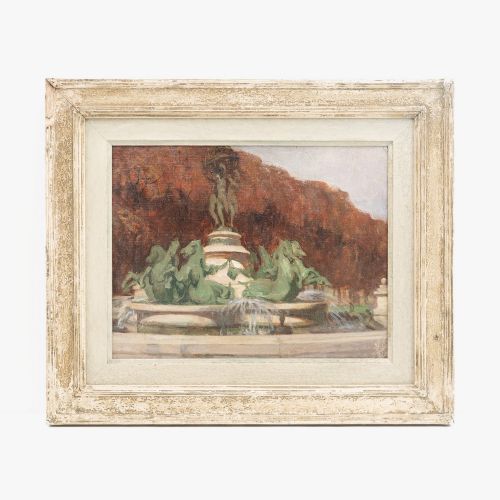
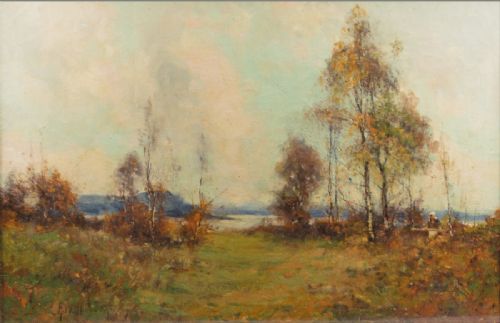
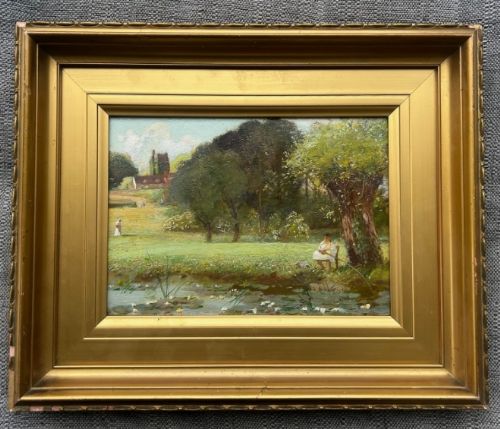
Green scottish landscape artwork gathers paintings that depict the northern terrain, typically rendered in oils on canvas or wood panel. These pieces span from the nineteenth century into the mid-twentieth century, capturing highland valleys and coastal vistas.
The selections available here lean heavily toward Victorian and early twentieth-century interpretations. Painters of the Scottish School and later impressionist movements dominate the selection, portraying scenes from Arran to Skye.
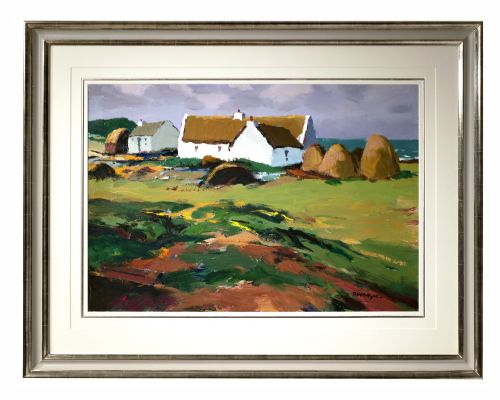
Viewers encounter everything from grand romantic views of glens to intimate depictions of farmyards and crofts. Oil paintings in heavy giltwood frames remain the most common format for these regional depictions.
How they were made
Artists relied primarily on oil paint applied to prepared canvas, wood panel, or board. The medium allowed for rich layering and varied textures, from smooth glazes to thick impasto.
Support materials shifted over time from heavy woven canvas stretched on wooden frames to rigid wood panels and millboards. Frames were typically carved wood finished with gold leaf or gilt gesso.
Listings span the nineteenth century to the mid-twentieth century, employing canvas, wood panel, and oil paint.
What varies in quality
Quality rests in the handling of light and the surety of the brushwork. Master painters capture the changing atmospheric moods of the highlands with distinct economy, while lesser hands produce static, formulaic foliage.
The integration of the frame matters significantly. Original period giltwood frames that suit the scale and palette of the canvas elevate the presentation far above later, mismatched replacements.
William Beattie-Brown·George Fotherly Hargitt·Tom Campbell·George Houston·Donald McIntyre·Robert Watson·Alexander Jamieson·Alexander Wellwood Rattray·William George Tennick·Archibald Kay·Sir David Murray·Thomas Bromley Blacklock·Henry Hillier Parker·Frank Hider·William Grant Murray·T.M Baynes·Stanley Orchart·Robert Russell MacNee·Robert Gemmell Hutchinson·George Melvin Rennie·William Miller Frazer·Robert Cleminson·Daniel Sherrin·Frederick Richard Lee·Thomas Sidney Cooper
The Green Scottish Landscape Artwork Glossary
- Oil on canvas
- A painting technique where pigmented oil paint is applied to a woven fabric stretched across a wooden frame. It is the primary medium for historical landscape painting.
- Impasto
- Paint applied thickly to a canvas, standing out in relief from the surface. This technique adds tactile depth and catches light across the painted landscape.
- Wood panel
- A rigid wooden support used by artists before canvas became standard. Panels provide a stable, smooth surface that preserves fine brushwork.
- Giltwood
- Wood carved and coated with a thin layer of gold leaf or metallic gold powder. It defines the ornate frames typical of Victorian artwork.
- Scottish School
- A collective term for artists working in Scotland who shared regional subject matter and stylistic influences. Their output forms the core of these historic landscape pieces.
Green Scottish Landscape Artwork: Frequently Asked Questions
How do I date a Scottish landscape painting?
Dating relies on stylistic clues, framing methods, and the recorded lifespan of the artist named on the canvas. Victorian pieces often feature heavy ornamentation and romantic gloom, whereas mid-century works show brighter, looser brushwork.
Signatures, exhibition labels on the reverse, and the type of canvas support also help narrow the decade of creation.
Where should I hang a large oil painting?
These works demand solid walls with stable humidity away from direct sunlight and heat sources. Placing them at eye level in a principal room allows the deep greens and browns of the landscape to read clearly.
Ensure the wall structure can support the weight of the canvas and its original wooden frame.
Are these paintings original works?
The selections shown are painted by hand rather than printed reproductions. Artists worked directly on site or in studios from preliminary sketches, applying oil paint to canvas or wood.
Brush textures and pigment layering confirm the unique, hand-painted nature of each piece.
What is Scottish Impressionism?
Scottish Impressionism describes a shift away from rigid academic realism toward looser brushstrokes and an emphasis on natural light. Painters sought to capture the fleeting weather and distinctive atmosphere of the landscape.
This style bridges traditional regional views and twentieth-century modernism.