


Green Rural Canvas Artwork
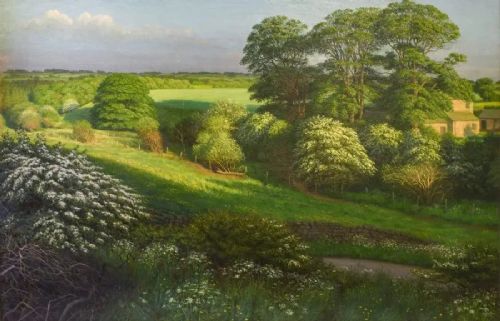
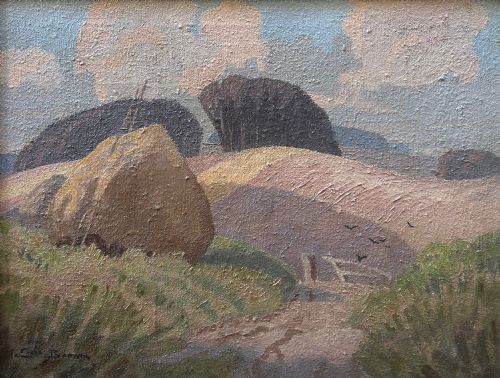
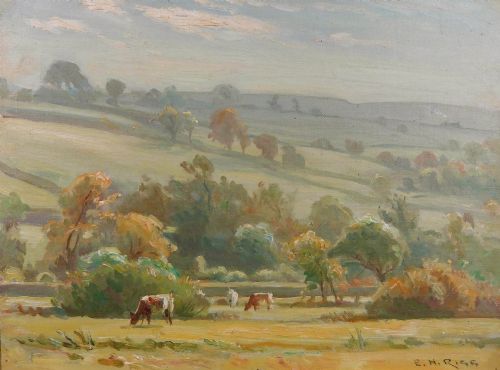
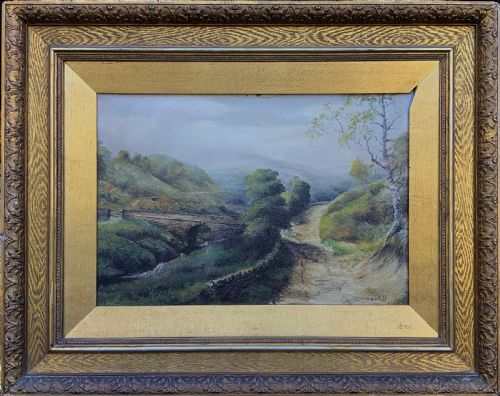
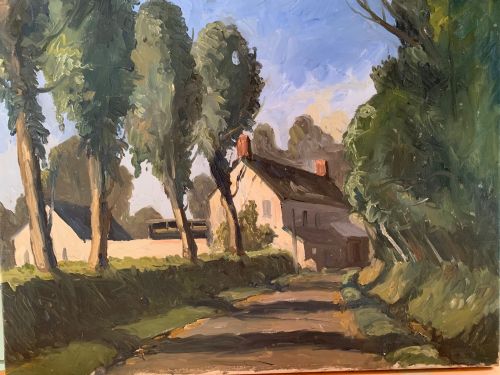
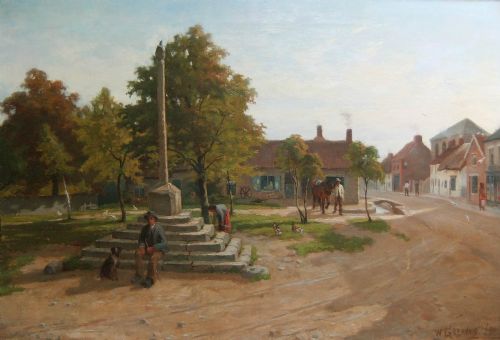
Green rural canvas artwork brings together pastoral landscapes and rustic farming scenes rendered in oil paint.
Green Rural Canvas Artwork
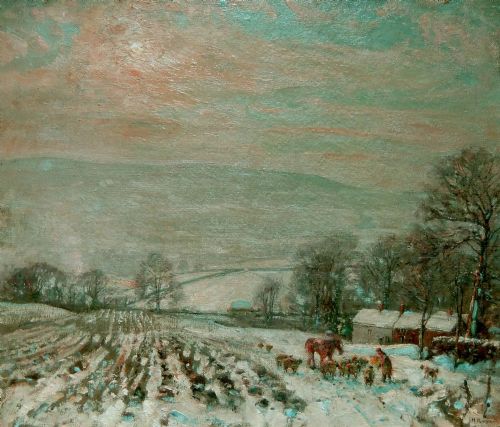
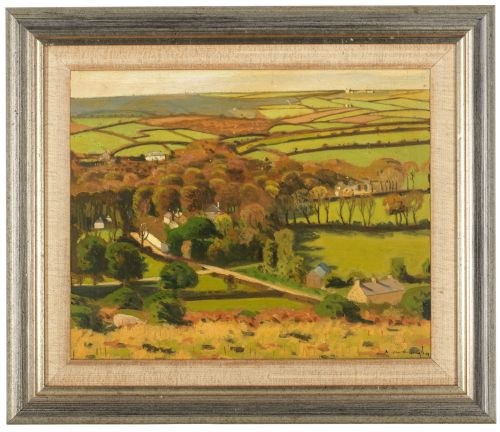
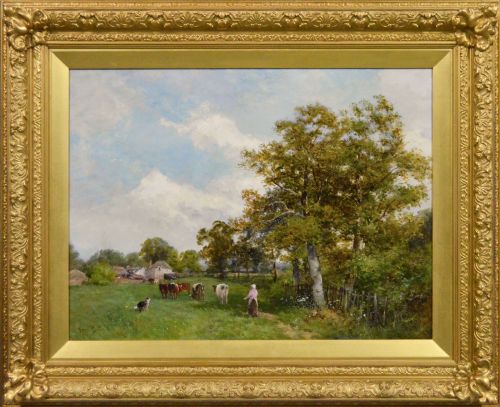
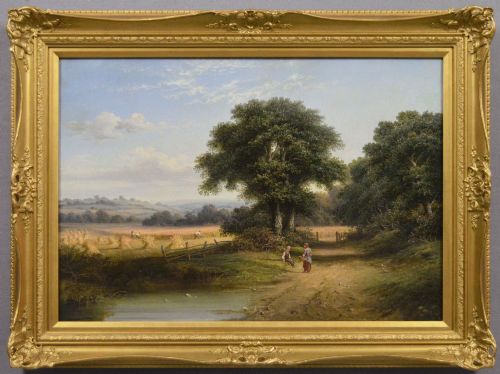
Green rural canvas artwork encompasses oil paintings on canvas depicting countryside scenes, agricultural fields, and pastoral life. These works typically feature natural settings populated by livestock, farmworkers, or rural cottages.
The selections available lean heavily toward late nineteenth-century and early twentieth-century British and French schools. Viewers frequently encounter depictions of haymaking, river valleys, and grazing cattle framed in wood.
Makers recorded in these listings include notable regional painters such as Herbert Royle, Ernest Higgins Rigg, and William Greaves. Their canvases focus on rural topography and agricultural labour across Yorkshire, Wales, and wider European landscapes.
How they were made
These works are executed primarily in oil paint applied to woven canvas supports. Artists built up textures using brushwork to capture natural light, foliage, and the varied tones of pastures.
Many of the canvases are housed in period wooden frames, occasionally finished in gilt or ebonised details. The combination of oil pigments on canvas allowed creators to blend earthy greens and browns typical of pastoral subjects.
Materials recorded across these listings include oil paint, canvas, wood, and giltwood.
What varies in quality
Quality rests upon the artist's ability to handle light and atmosphere within the rural composition. Finer examples display confident brushwork and precise atmospheric conditions rather than formulaic foliage.
The depth of provenance and documented attribution to established painters distinguish superior works from anonymous school pieces. Original frames matching the period of the canvas also elevate the piece.
Herbert Royle·Robert Morson Hughes·David Bates·Walter Heath Williams·Raymond Booth·Eric Brown·Ernest Higgins Rigg·William Greaves·John Horace Hooper·Harry Freckleton·William Henry Mander·Thomas Sidney Cooper·Reginald Grange Brundrit·Owen Bowen·William Sydney Cooper·Samuel Joseph Clark·Frederick James Knowles·Willem Anton Alexander Knip·William Grant Murray·John Linnell·Robert Finley McIntyre·James William Booth·William Langley
The Green Rural Canvas Artwork Glossary
- Canvas
- A heavy woven fabric used as a support surface for oil paintings. It is typically stretched over a wooden frame before being painted.
- Oil paint
- A slow-drying paint made by mixing pigments with oils such as linseed. This medium allows for rich colour blending and textured application.
- Gilt wood
- Wood coated with a thin layer of gold leaf or metallic gilt finish. It is commonly found on traditional picture frames surrounding nineteenth-century artworks.
- Pastoral
- A style of art that idealises rural life and agricultural scenes. These works frequently feature shepherds, cattle, and open fields.
Green Rural Canvas Artwork: Frequently Asked Questions
What periods do these paintings date from?
The works span from the Victorian era through the early twentieth century, with notable representation from the 1900s to the 1930s. Mid-century examples are also present.
Most pieces reflect nineteenth-century realism or early twentieth-century impressionist movements in Britain and France.
How should I clean an oil painting on canvas?
Dust accumulated on the surface should be removed gently with a soft, dry brush. Avoid using water or chemical cleaners.
Professional conservators should handle deeper cleaning or varnish removal to prevent damage to the oil pigments.
Are these artworks signed by the artists?
Many listings feature works bearing the original signatures or attribution to known painters of the period. Some pieces remain indistinctly signed or are attributed to broader regional schools.
Documentation and stylistic analysis help identify makers when signatures are faded or absent.
What subjects appear most frequently in these scenes?
Common subjects include haymaking, river landscapes, harvest fields, and livestock such as sheep and cattle. Rural cottages and woodland paths are also recurrent.
These motifs capture the agricultural routines and countryside views favoured by impressionist and realist painters.