

Green River Landscape Artwork
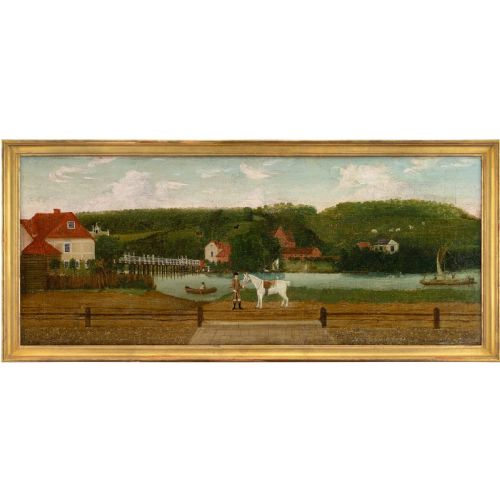
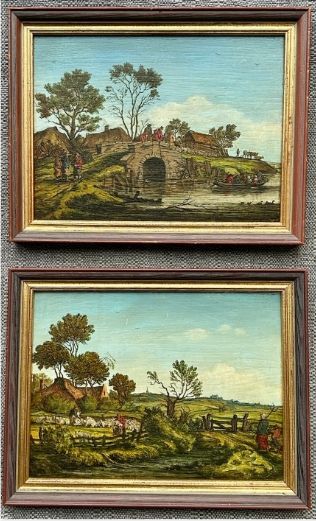
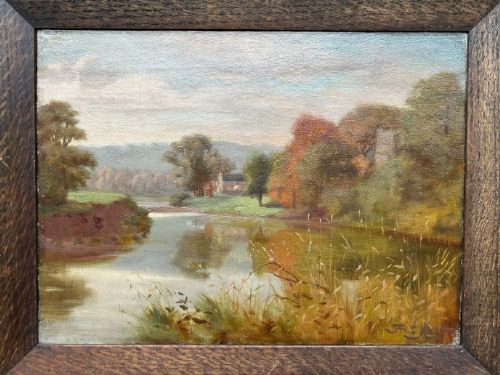
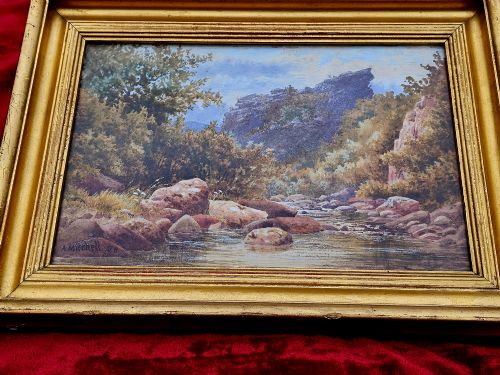
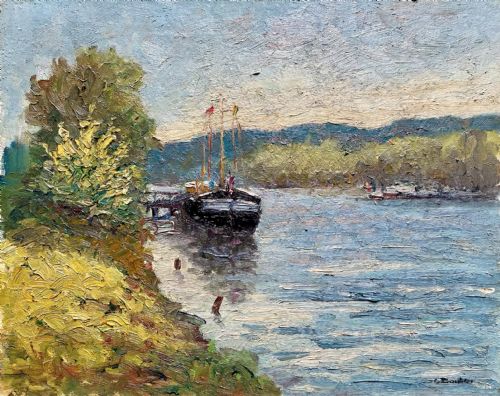
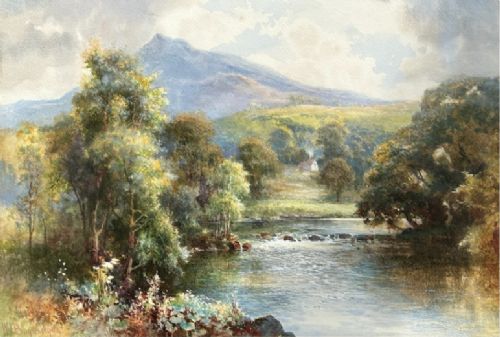
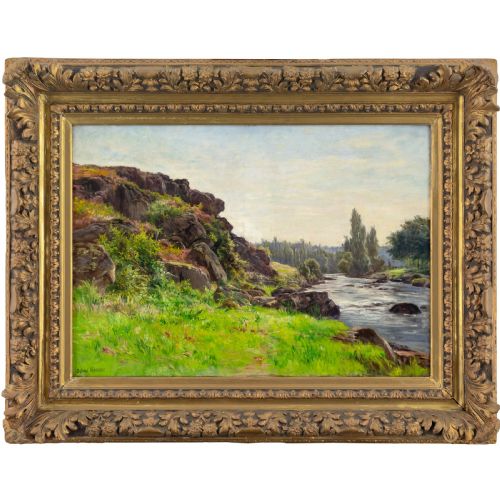
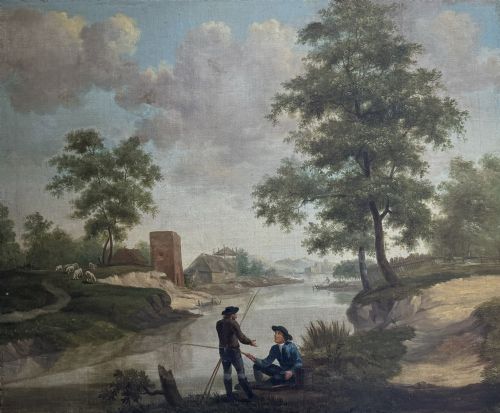
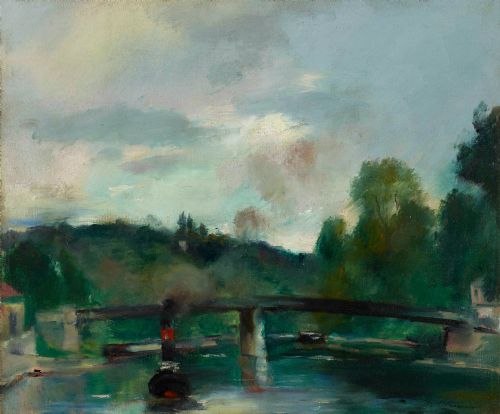
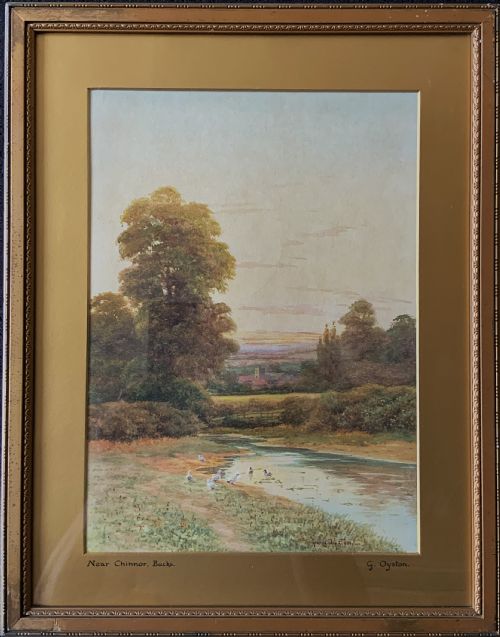
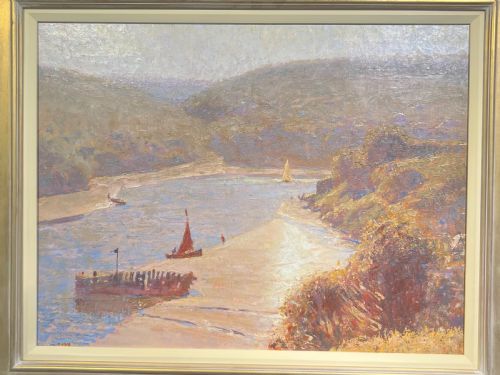
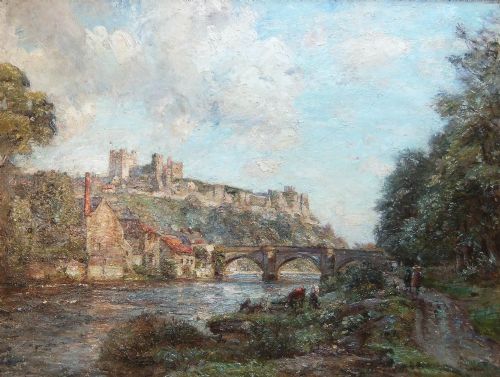
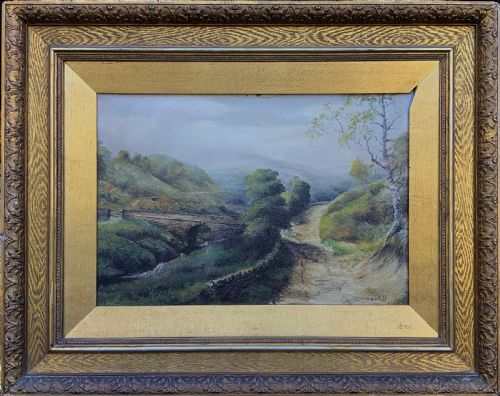
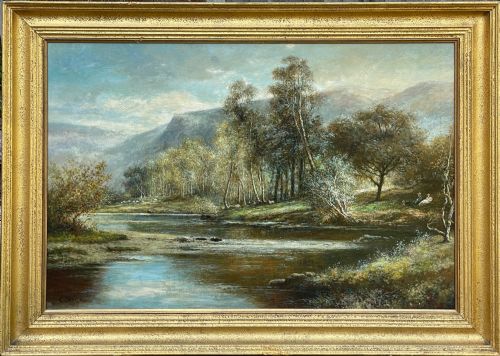
Green river landscape artwork captures flowing waterways and pastoral settings through centuries of oil and watercolour painting.
Green River Landscape Artwork
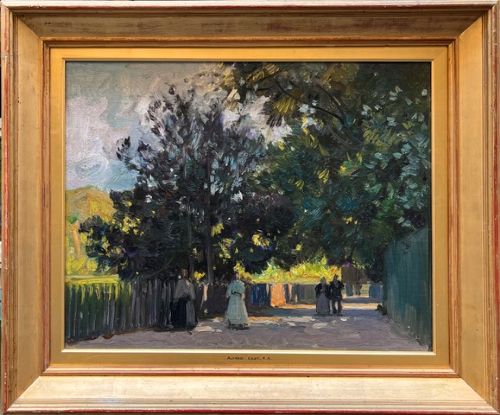
When searching for green river landscape artwork, buyers encounter painted depictions of waterways, riverbanks, and rural valleys created across the eighteenth, nineteenth, and twentieth centuries. These pieces typically take the form of framed oil paintings on canvas or wood panels, alongside detailed watercolours on paper.
The selection here draws heavily upon British, French, and Flemish traditions, ranging from Victorian pastoral scenes to mid-century impressionistic interpretations. Works often feature specific locations such as the Thames, Welsh rivers, or French country streams, rendered by named artists and regional schools alike.
Materials and Techniques
Artists utilised oil paint layered upon stretched canvas or prepared wood panels, frequently employing gesso grounds to seal the wooden surfaces before applying pigment. Watercolours were executed on heavy paper stocks, sometimes enhanced with opaque gouache for highlighted areas.
Framing often involved giltwood mouldings shaped with decorative gesso ornamentation to complement the composition. Brushwork ranges from tight, academic precision in earlier Victorian pieces to looser, impasto application found in later impressionist works.
Listings include oil on canvas, wood panels, and paper supports across Victorian, Edwardian, and mid-century periods.
Assessing Quality and Execution
Quality rests in the handling of light, atmospheric depth, and the naturalism of the water and foliage. Stronger examples display confident brush control and a convincing sense of space, whereas weaker items rely on formulaic repetition without genuine observation.
The preservation of the pigment layer and the integrity of the original canvas or paper support also dictate the standing of a piece. Finer works retain their vibrant colour tones and structural stability within period frames.
Alfred Young Nutt·Frederick Marriott·William Joseph Boyes·George Oyston·Henry H Parker
The Green River Landscape Artwork Glossary
- Impasto
- Paint applied thickly to a canvas or panel so that it stands proud of the surface. This technique creates a tangible texture that catches the light.
- Gesso
- A plaster-like mixture applied to wood panels or canvas to create a smooth, absorbent surface for painting. It provides a stable foundation for oil pigments.
- Watercolour
- A painting method where fine pigment is suspended in a water-soluble binder, traditionally applied to paper. It allows for translucent washes of colour.
- Wood Panel
- A rigid wooden board utilised as a support for oil paintings before stretched canvas became dominant. Artists often prepared these with gesso.
- Giltwood
- Timber carved and coated with a thin layer of gold leaf or metallic powder. It is frequently seen on period picture frames.
Green River Landscape Artwork: Frequently Asked Questions
What periods do these paintings date from?
The pieces span from the eighteenth century through the Victorian era and into the mid-twentieth century.
Most items originate from the nineteenth and early twentieth centuries, reflecting changing landscape painting traditions.
How should I care for an antique oil painting?
Keep paintings away from direct sunlight, excessive moisture, and rapid temperature fluctuations to protect the canvas and paint.
Dust the surface gently with a dry, soft brush and avoid using chemical cleaning agents on the pigment.
Are watercolours framed differently from oils?
Watercolours require framing behind glass with acid-free mounts to prevent paper degradation and moisture damage.
Oil paintings on canvas or wood are typically displayed unglazed to let the textured paint surface breathe.
How can I identify the regional origin?
Signatures, artist registry records, and inscribed titles on the reverse often point to specific rivers, counties, or artistic schools.
Stylistic markers such as the loose brushwork of French impressionism or the tighter detail of the British school provide further clues.