

Green Portrait Painting
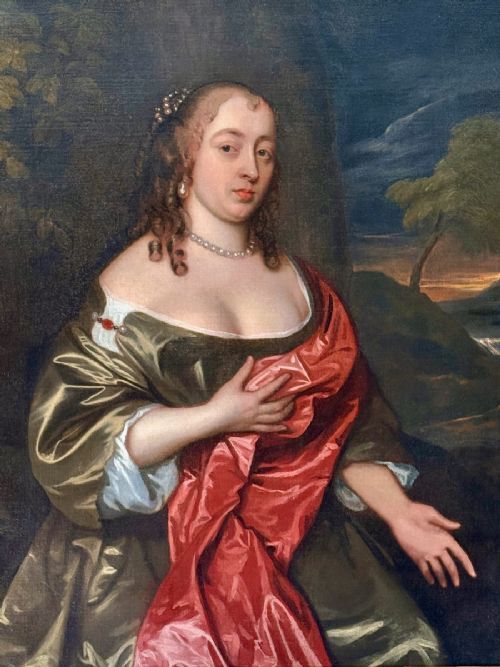
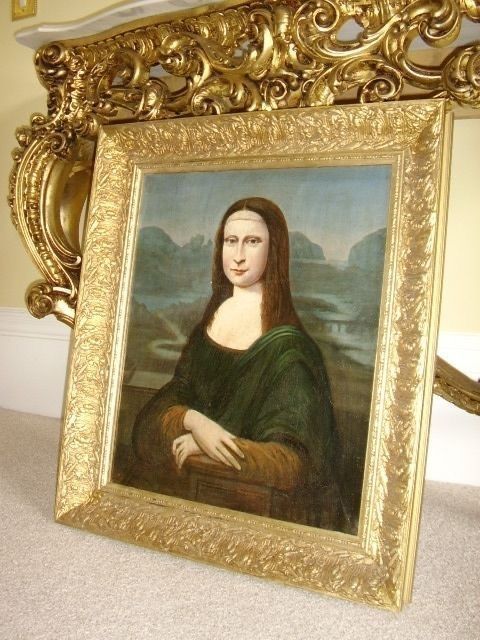
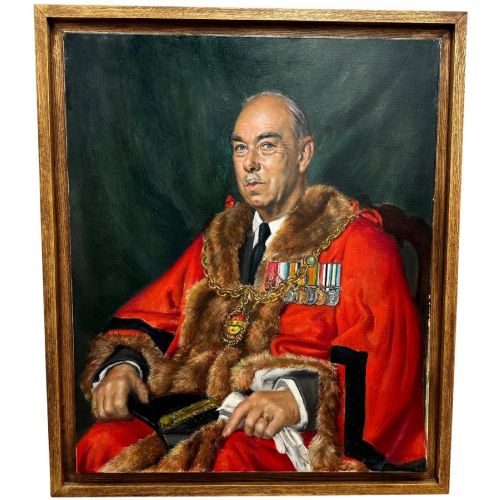
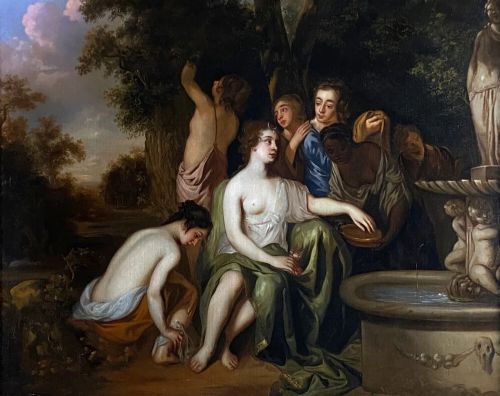
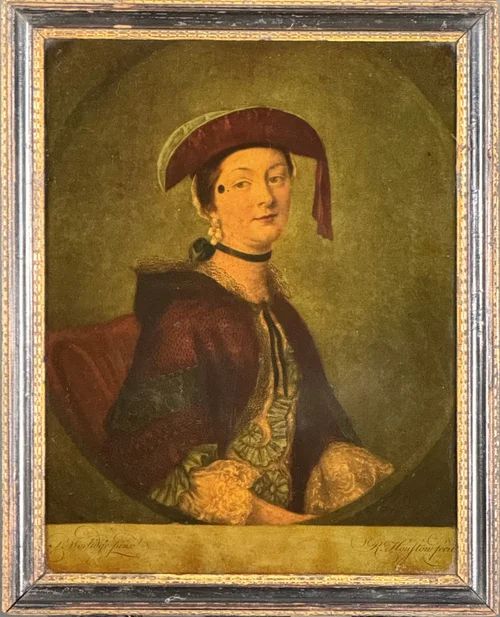
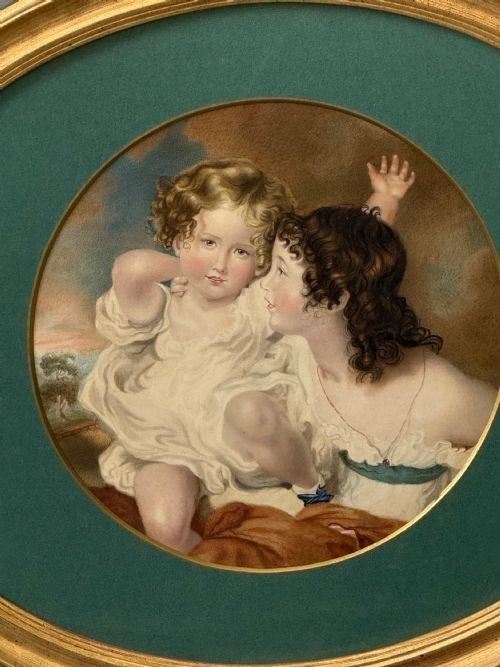
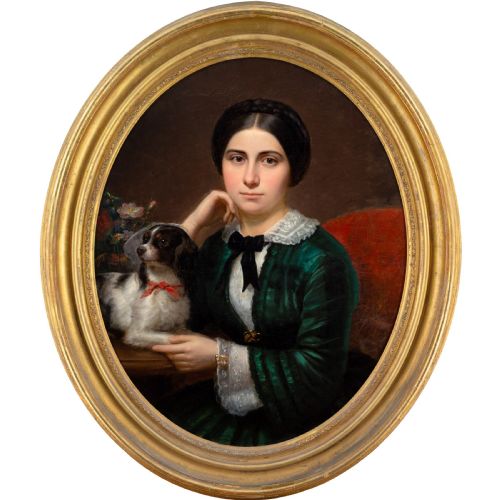
A green portrait painting brings a striking tonal presence to a wall, drawing the eye with rich botanical pigments and historic figures.
Green Portrait Painting
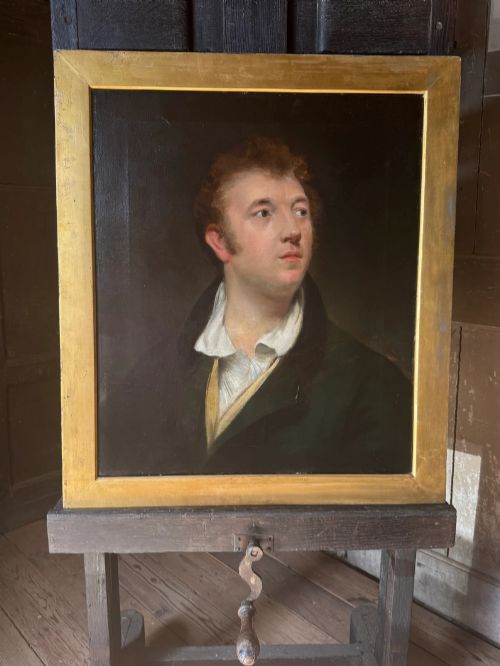
When buyers search for a green portrait painting, they encounter centuries of canvas work, from seventeenth-century oils on panel to mid-twentieth-century studies.
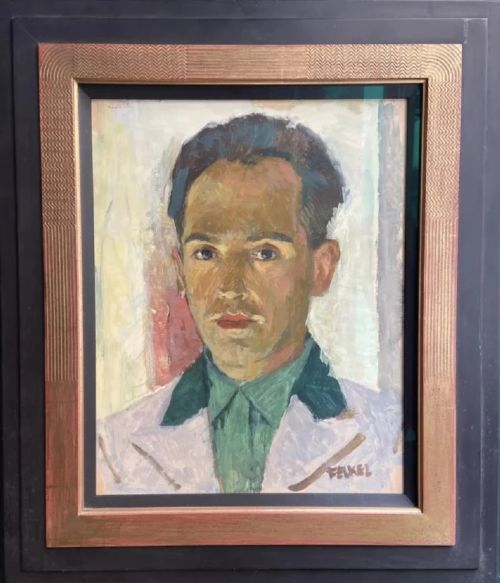
The selections span British, Dutch, Italian, and French schools, capturing subjects ranging from nobility in satin gowns to self-portraits with artists' tools.
Most pieces on this page utilise oil paint on canvas or wood, though pastel on paper and reverse glass paintings also appear within the historic range.
Materials and technique
Artists historically built these works using oil paint applied to stretched canvas or wooden panels, often framed in period gilt or wood mouldings.
Techniques range from classical glazing in seventeenth-century workshops to twentieth-century impressionistic brushwork and reverse painting on glass.
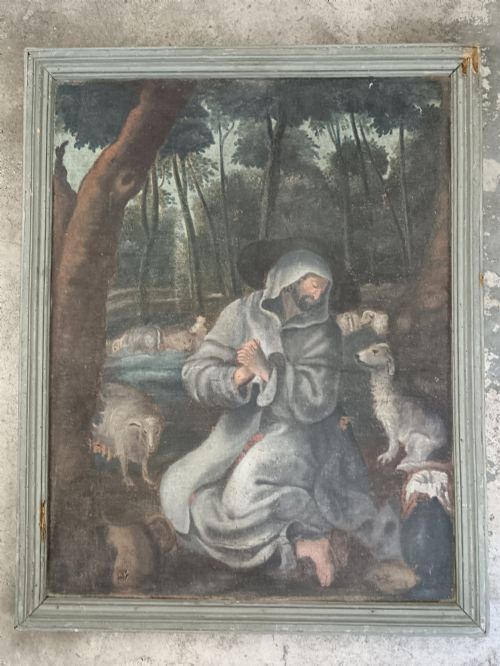
Several portraits feature domestic companions, including dogs, sheep, and goats peering out from the historic canvas alongside their human subjects.
What varies in quality
Quality reveals itself in the handling of facial anatomy, the depth of shadow, and the preservation of the original paint layer over centuries.
The distinction between a master's hand and a provincial copy lies in the subtlety of expression and the confident execution of drapery and background details.
John Hayls·Sir Peter Lely·Charles Spooner·Sir Thomas Lawrence·Jean-Gabriel Domergue·James Howe·Carl Felkel·Joseph Biel·Oilver Messel·Gladys Marguerite Baker·Lena Gurr·Cornelius Johnson·Herbert Gustave Schmaltz·Edward Priestley·Henry Wissen Senior·Richard B. Spencer·Frans Hals·Paolo Veronese·Nicolaes Maes·Philip Richard Morris·John Michael Wright·Michael Dahl·John Greenhill
The Green Portrait Painting Glossary
- Oil on canvas
- Pigments bound in drying oil applied to a woven fabric support. This method became the dominant medium for portraiture from the Renaissance onward.
- Pentimento
- An alteration in a painting that reveals previous work changed by the artist. These subsurface adjustments confirm the authenticity of hand-painted historic canvases.
- Reverse painting on glass
- An image applied directly to the back of a glass panel so the finished picture is viewed through the front. This technique produces a glossy, reflective surface.
- Gilt frame
- A wooden moulding covered with thin gold leaf or metallic powder. Historic frames contribute significantly to the overall presentation of antique art.
Green Portrait Painting: Frequently Asked Questions
How can I tell a seventeenth-century portrait from a later copy?
Examine the preparation of the canvas, the ageing of the oil medium, and the style of costume worn by the sitter. Craquelure patterns in old paint offer clues to the age of the work.
Expert attribution often relies on provenance records and comparison with documented works by the same school or studio.
What is a reverse painting on glass?
This decorative technique involves painting directly onto the reverse side of a glass sheet, starting with the fine details and finishing with the background. When viewed from the front, the layers create a smooth, luminous finish.
Such works require careful handling to protect the delicate paint layer from chipping off the glass substrate.
Where should I hang a historic portrait in my home?
Select an interior wall with stable lighting and minimal exposure to moisture. Grouping portraits together creates a gallery effect that complements period and modern interiors alike.
Ensure the hanging wire and wall fixings match the weight of the framed canvas or panel.