
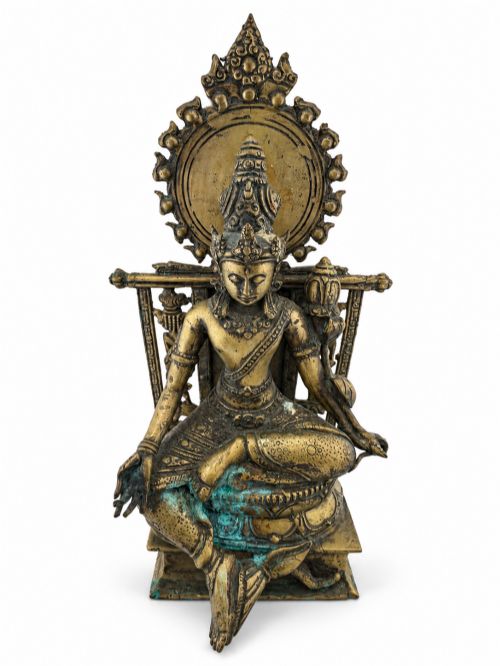
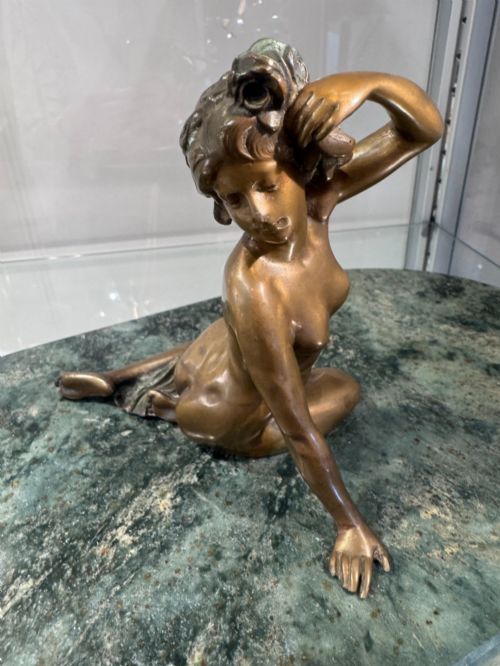

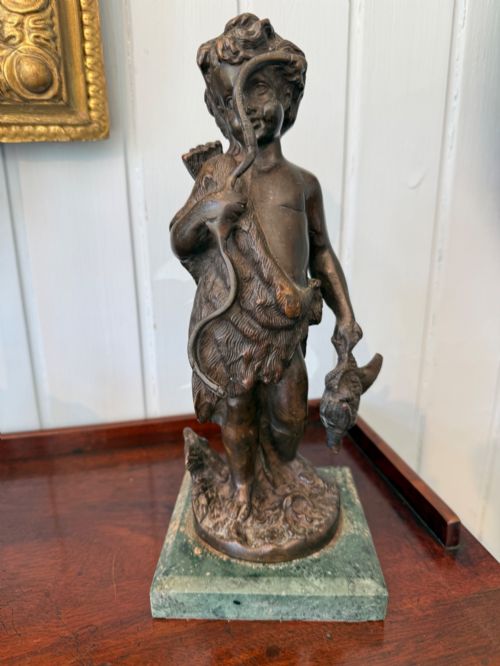
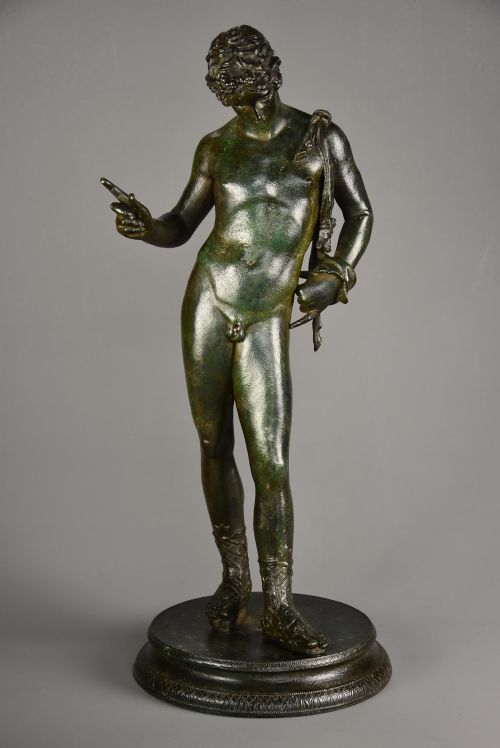


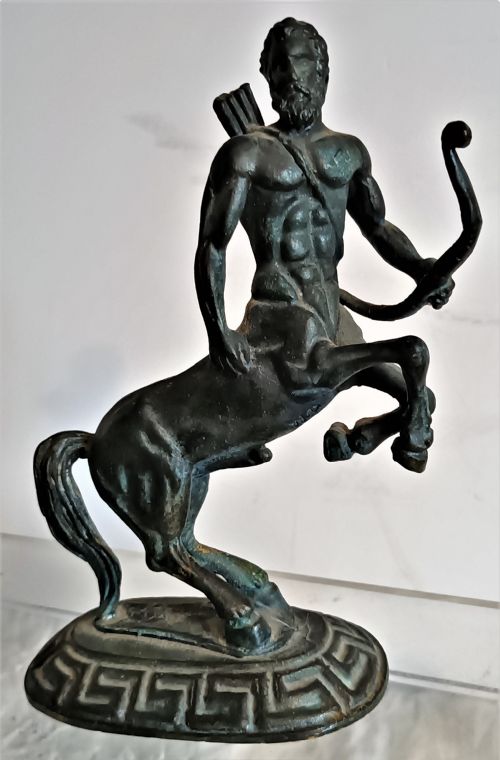


Green Patinated Bronze Sculpture
Green patinated bronze sculpture brings tactile depth to interiors through centuries of classical, animalier, and modernist casting traditions.
Green Patinated Bronze Sculpture
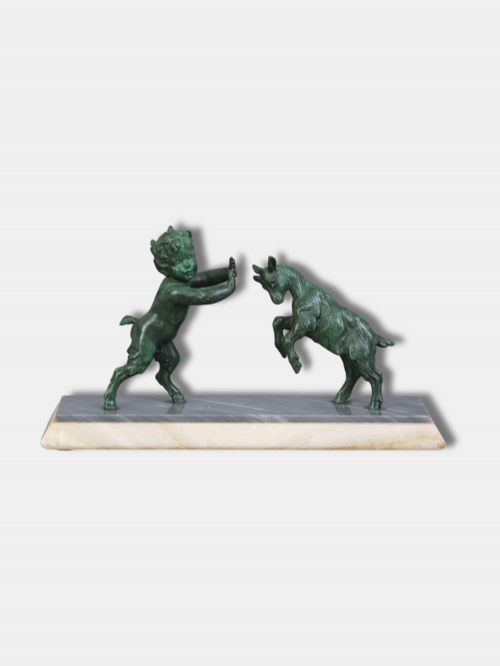
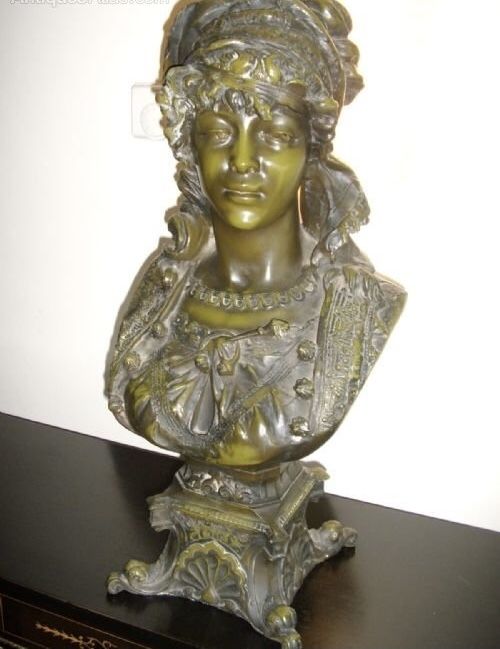
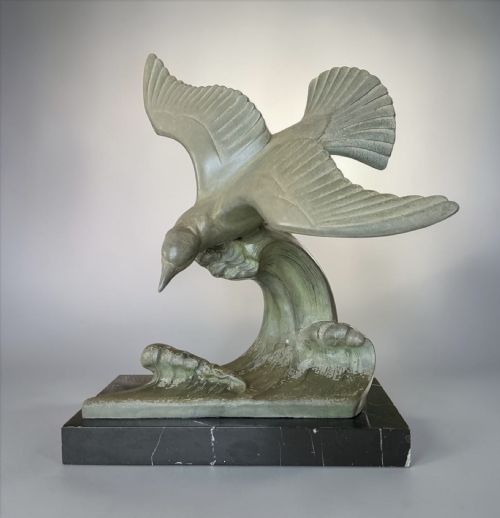
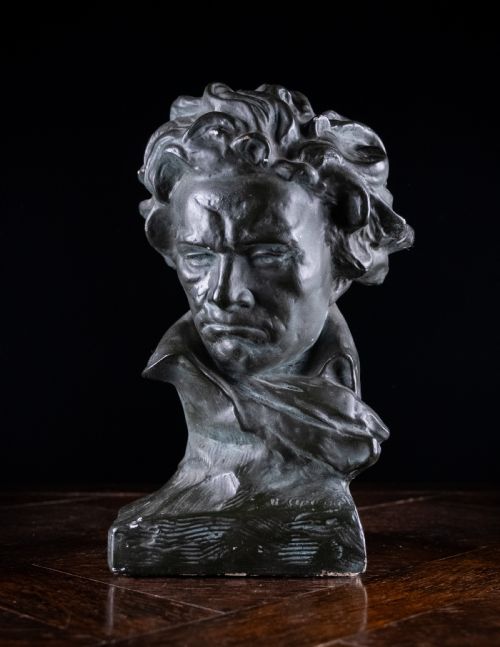
A green patinated bronze sculpture combines cast metal form with an intentional surface coloration ranging from deep verdigris to olive tones. When collectors search for green patinated bronze sculpture, they encounter everything from Grand Tour souvenirs of ancient ruins to dynamic Art Deco dancer figures.
The objects span nineteenth-century French animalier studies, mythological busts, and Tibetan shrines. Pieces frequently integrate additional media such as marble plinths, onyx bases, and painted highlights.
Examples on this page draw from distinct stylistic vocabularies including Neoclassical revivalism, Art Nouveau floral curves, and streamlined early twentieth-century modernism. These works function as tabletop ornaments, mantel centrepieces, and architectural figures.
Casting and surface treatments
Foundries utilised the lost-wax method or sand-casting techniques to capture intricate details in molten metal before applying chemical solutions to induce the characteristic green surface layer. Artisans often chased the cooled bronze with chisels and files to sharpen anatomical lines and texture before sealing the patina.
Alternative compositions involve cast spelter or terracotta finished with bronzed paints and verdigris washes to simulate aged metal. Bases of heavy carved marble or banded onyx provide structural stability and visual contrast to the dark and green-toned figures.
Materials span cast bronze, patinated spelter, carved marble, and banded onyx.
Distinguishing quality in castings
Quality rests upon the crispness of the chisel work after casting, where superior examples retain sharp facial expressions and feather-fine hair rather than softened contours. The depth and stability of the chemical patination indicate the skill applied during the finishing process.
The integrity of the mounting matters significantly, particularly how securely a heavy bronze integrates with its marble or onyx plinth. Well-executed foundry stamps and artist signatures provide tangible evidence of origin and production standard.
Josef Lorenzl·Emile Carlier·Antoine L Barye·Jules Dalou·Bruno Zach
The Green Patinated Bronze Sculpture Glossary
- Patina
- A chemical surface alteration applied to metal, producing distinct colouration like the green verdigris seen on ancient bronzes. This layer protects the underlying metal while adding visual depth.
- Grand Tour
- A nineteenth-century tradition where travellers collected classical miniature bronzes and architectural busts in Italy. These souvenirs replicate famous excavated statues from Pompeii and Rome.
- Animalier
- A genre focusing on realistic depictions of animals, particularly prevalent in nineteenth-century French sculpture. Artists captured beasts in motion or repose with anatomical precision.
- Spelter
- A zinc alloy frequently used as a cheaper alternative to bronze in decorative figures and clock mounts. It accepts bronze-coloured paints and patinas readily.
- Cold painted
- A technique where paint is applied to a bronze object without heat-firing, common in smaller animal and figural studies. The pigment sits on the surface of the metal.
Green Patinated Bronze Sculpture: Frequently Asked Questions
How do I clean a green bronze?
Dust the surface gently with a soft, dry brush to remove particles without disturbing the underlying chemical patination layer. Avoid using water, soap, or abrasive metal polishes which strip away historic finishes.
Apply a microcrystalline wax very sparingly if the metal requires protection against humidity. Buff lightly with a clean cloth to maintain a stable finish.
What is a Grand Tour bronze?
Grand Tour bronzes are miniature replicas of classical antiquities purchased by European travellers during nineteenth-century cultural tours of Italy. They typically depict famous statues, deities, or architectural busts.
These pieces often feature distinctive green verdigris patination designed to mimic ancient excavated artefacts. They served as scholarly cabinet ornaments for educated homes.
Is spelter the same as bronze?
Spelter is a zinc-based alloy that lacks the copper content and structural strength of true bronze. It feels lighter and is softer to the touch than cast bronze.
Victorian and Art Deco makers frequently utilised spelter as an affordable alternative for decorative figures and clock cases. It was typically painted or electroplated to resemble genuine bronze.
How do I date an antique bronze?
Examine the quality of the chasing work, the colour of the patination, and the construction methods used to attach the figure to its base. Maker signatures, foundry marks, and stylistic indicators provide chronological markers.
Materials associated with the base, such as polished nineteenth-century marble or onyx, offer additional clues. Compare the casting style to documented works by known period sculptors.