



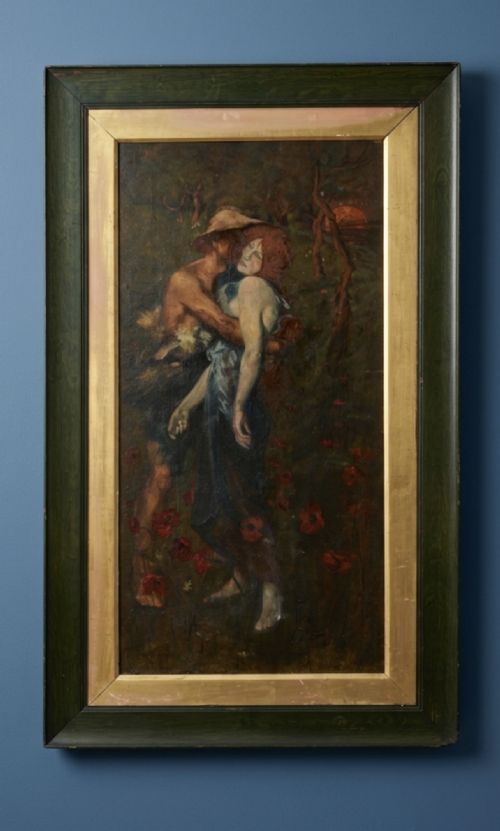
Green Pastoral Wall Art
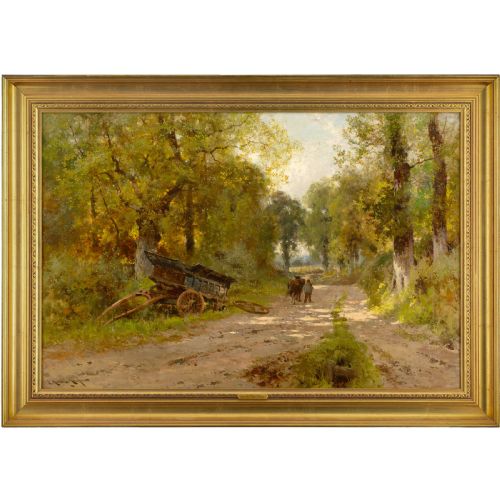
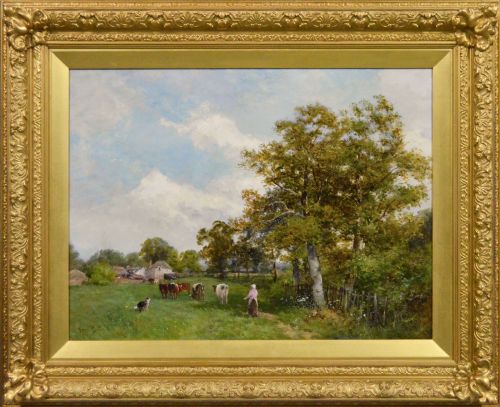
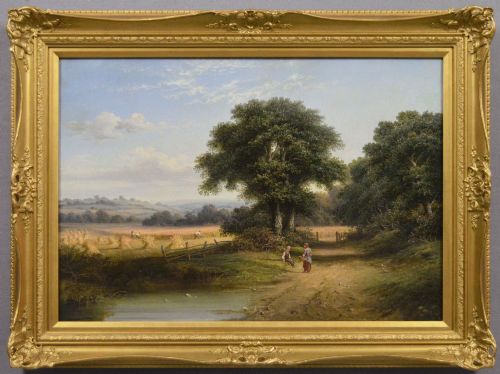
Green pastoral wall art brings the quiet country into the room through rural scenes painted across the nineteenth and early twentieth centuries.
Green Pastoral Wall Art
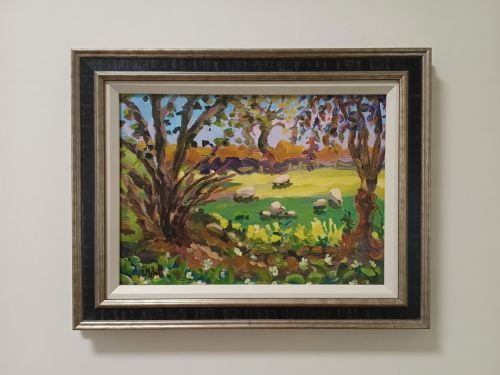
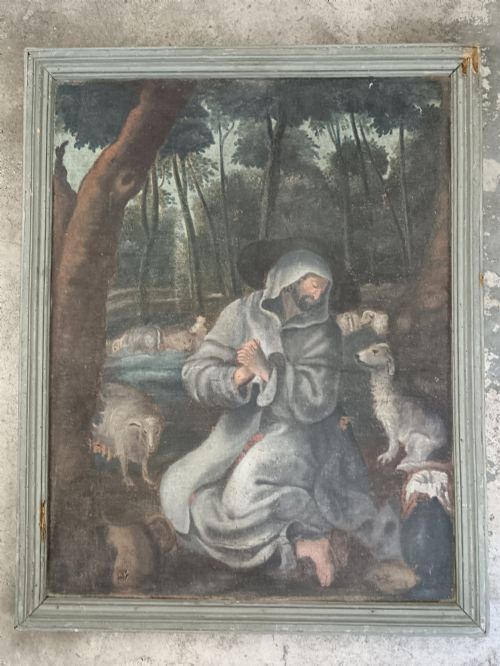
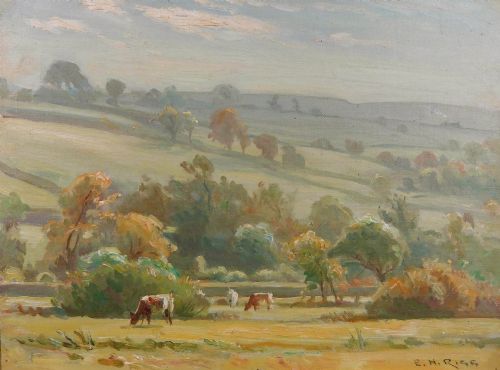
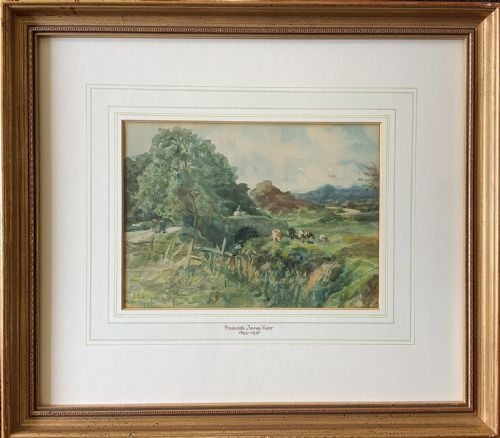
When you search for green pastoral wall art, you encounter oil paintings, watercolours, and tapestries depicting rural life, farmland, and grazing animals. These works capture rolling countryside, river valleys, and agricultural laborers at rest.
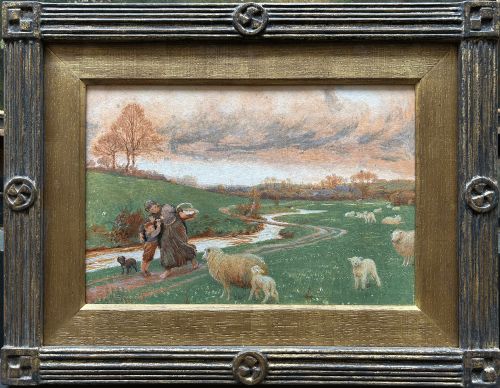
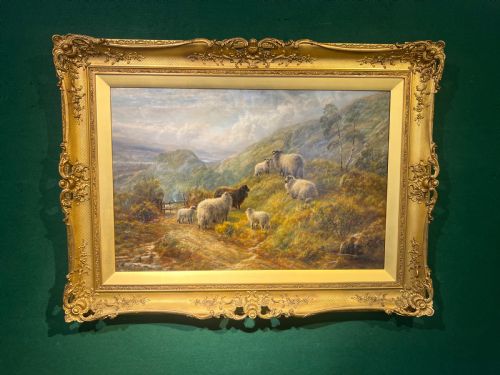
The pieces on this page lean heavily into Victorian and Edwardian aesthetics, alongside earlier eighteenth-century classical landscapes and French tapestries. You see cattle, sheep, and figures moving through wooded lanes and open fields.
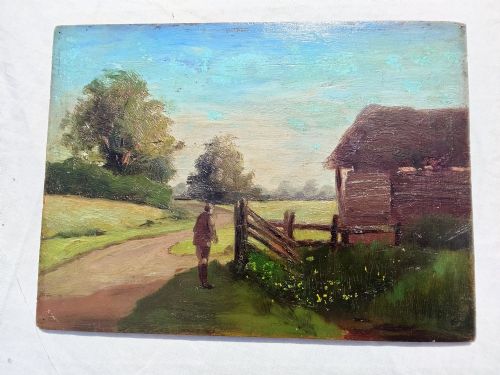
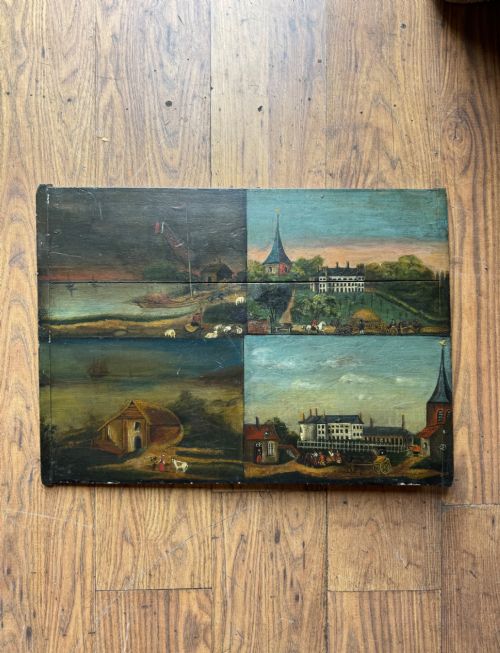
Most examples come from British, Flemish, and Italian schools, framed in wood or giltwood. They range from modest provincial wooden boards to large canvases signed by named artists.
How They Were Made
Painters applied oil and watercolour pigments to prepared canvases, wooden panels, wooden boards, and thick paper. Many works rely on oil on canvas, capturing the natural light of British and European countryside settings.
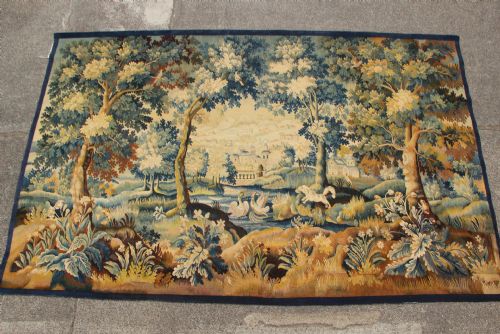
Textile pieces like verdure and pastoral tapestries use woven threads to build lush woodland scenes and agricultural backdrops. Frames employ carved wood, gesso, and gilt finishes to house these works.
Listings span from the 18th century through the Victorian and Edwardian eras into the mid-20th century, utilising oil on canvas, wood panels, and woven wool.
What Varies in Quality
The skill of the brushwork and the precision of anatomical rendering separate standard rural scenes from accomplished academic works. Master artists capture the light on foliage and the movement of livestock with convincing depth.
The integrity of the original support material matters, whether a stable wooden panel or an unlined canvas. Elaborate giltwood frames and fine weave tapestries indicate higher original investment.
Tom Campbell·David Bates·Walter Heath Williams·Frederick Walker·Ernest Higgins Rigg·Robert Watson·Henry H Parker·George Morland·William Henry Mander·Thomas Sidney Cooper·Franz van Severdonck·John Sanderson Wells·Alfred Augustus Glendening Jnr·Owen Bowen·William Sydney Cooper·James Orrock·Robert John Hammond·Sidney Richard Percy·Willem Anton Alexander Knip·Giulio Cecchini·John Linnell·Alfred Grey
The Green Pastoral Wall Art Glossary
- Verdure tapestry
- A type of woven wall hanging dominated by plant forms, foliage, and sometimes animals. These large textiles traditionally filled manor house walls with green woodland imagery.
- Gesso
- A plaster-like mixture applied to wooden frames or panels as a base for paint or gilding. It creates a smooth surface for ornate decorative moulding.
- Giltwood
- Timber covered with a thin layer of gold leaf or gold paint. This material frames many traditional landscape paintings.
- Pentimento
- An alteration in a painting where an earlier layer of paint shows through the upper surface. It reveals changes made by the artist during the creative process.
Green Pastoral Wall Art: Frequently Asked Questions
What subjects appear in these scenes?
These artworks focus on rural life, featuring cattle, sheep, farm labourers, and river landscapes. They depict pastoral British and European countryside settings.
Animals and agricultural workers populate open fields, harvest scenes, and woodland edges under overcast or sunlit skies.
How do I date a landscape painting?
Dating relies on costume details of figures, canvas stamps, stretcher construction, and framing styles. Artist signatures and biographical records also narrow down the creation period.
Victorian and Edwardian works show distinct brushwork techniques compared to earlier eighteenth-century classical compositions.
Where were these tapestries woven?
Large verdure and pastoral wall tapestries often originate from historic European weaving centres such as Aubusson in France. These textile works were designed to insulate stone walls and bring woodland scenery indoors.
They feature large dimensions suited to spacious rooms and grand interiors.
Are these works signed by artists?
Many paintings feature legible signatures, monograms, or attribution to specific regional schools. Some pieces remain provincial or indistinctly signed by anonymous hands.
Both signed academic pieces and Naive folk art examples appear across the collection.