



Green Oushak Rug
A green oushak rug brings distinct Ottoman character and muted natural dye tones to a room.
Green Oushak Rug
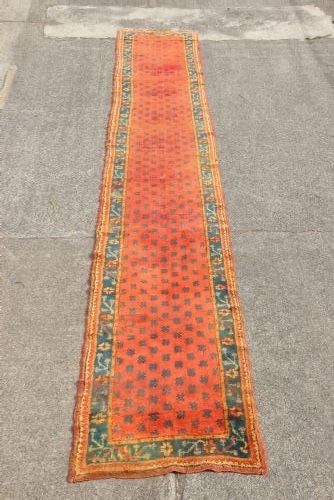
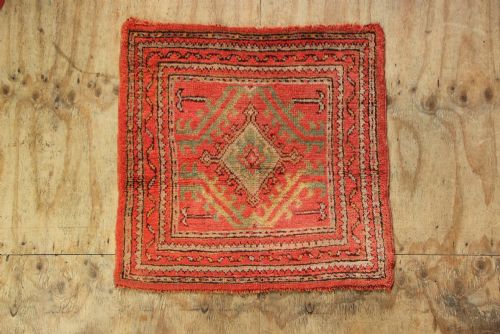
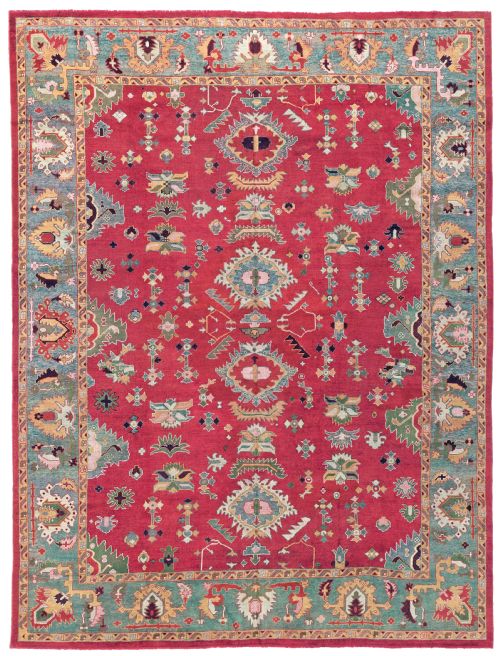
A green oushak rug sits within the broader tradition of Turkish weaving, offering a specific colour field that appears across nineteenth-century and early twentieth-century examples. These textiles range from long narrow runners and square formats to large rugs and carpets.
The pieces available on this page span the late nineteenth century through to the early twentieth century, specifically covering dates from eighteen eighty to nineteen ten. Buyers encounter various regional designations within these listings, including Ottoman, Anatolian, and Ushak origins.
Formats on this page include standard area rugs, accent rugs, and kilims alongside grander carpets. Each piece reflects the traditional weaving practices associated with the Anatolian region during the Ottoman era.
How they were made
These textiles rely on traditional materials, utilising wool, cotton, and angora wool for their construction. The combination of wool pile upon cotton foundations provides the structural integrity found in these antique carpets.
Weavers employed techniques native to the Anatolian and Ottoman traditions, integrating specific fibre choices like angora wool to achieve particular surface textures. These natural materials contribute to the longevity and tactile quality of each rug.
Some carpets feature a scarce green field, a specific colour choice that sets them apart from the more common red and blue palettes.
What varies in quality
The standard of a green oushak rug depends upon the preservation of its wool pile and the distinctness of its green field. Variations in the handling of the Ottoman and Anatolian designs alter the visual impact of each carpet.
Format and scale also differentiate the pieces, from compact square formats to extensive runners and large carpets. The specific blend of materials, such as the inclusion of angora wool, influences the handle and appearance of the textile.
The Green Oushak Rug Glossary
- Oushak
- A style of rug originating from the town of Usak in western Turkey, known for its large-scale floral motifs and soft palette. These carpets have been prized in European and international interiors for centuries.
- Kilim
- A flatwoven carpet or rug produced in countries of the former Ottoman Empire, Persia, and Central Asia. Unlike pile rugs, kilims are made by tightly interweaving warp and weft strands to create a flat surface.
- Angora wool
- A soft fibre harvested from Angora goats, historically used in select Turkish weaving to impart a distinct lustre. This material enhances the tactile depth of the carpet pile.
- Anatolian
- Pertaining to Anatolia, the peninsula of land that constitutes the Asian portion of Turkey. This regional designation encompasses various traditional carpet-weaving centres and distinct tribal styles.
Green Oushak Rug: Frequently Asked Questions
What is an oushak rug?
An oushak rug is a traditional Turkish carpet woven with distinct regional patterns and soft dye palettes. These textiles originated in western Turkey and are recognised for their integration of floral and geometric motifs.
Historically produced during the Ottoman period, they remain popular in traditional and contemporary interiors alike.
How do I date an antique rug?
Dating an antique rug involves examining the materials, knotting style, and dye types used in its construction. Listings from the late nineteenth and early twentieth centuries often reflect specific stylistic traits of their production era.
Consulting recorded dates and structural details helps establish the approximate period of manufacture.
Where should I place a rug runner?
A rug runner works best in high-traffic linear spaces such as hallways, corridors, and entryways. Their elongated proportions allow them to fit narrow passages while adding warmth and texture to the floor.
Long formats also suit placement alongside kitchen islands or beside bedroom furniture.
How do I care for antique wool?
Caring for antique wool requires gentle maintenance, regular vacuuming without a beater bar, and professional cleaning when necessary. Protecting the textile from direct sunlight helps preserve the natural dyes.
Using a suitable underlay prevents sliding and reduces friction between the fibres and the floor.