
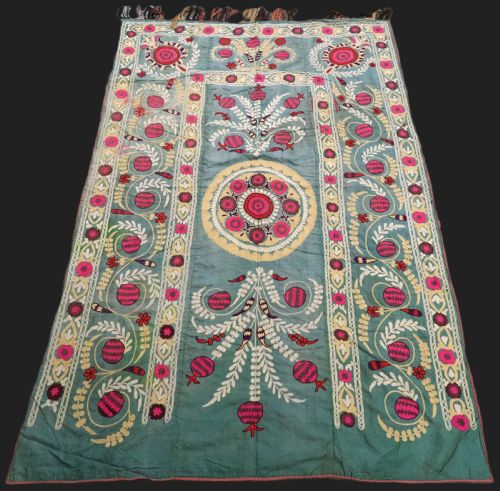


Green Oriental Rug
A green oriental rug brings depth and history to a room through traditional woven wool, silk, and cotton.
Green Oriental Rug
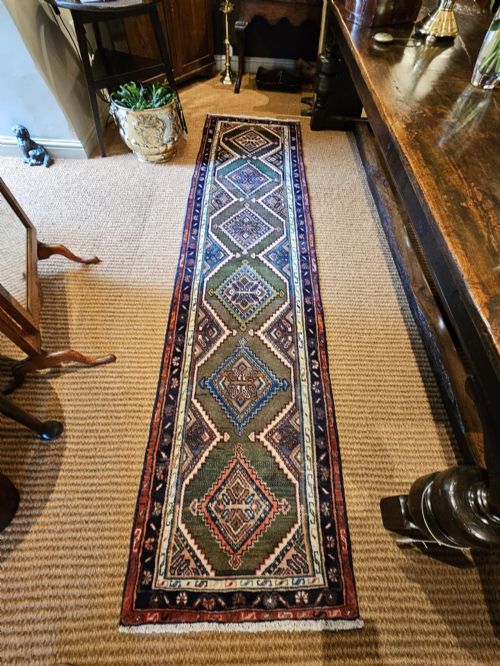
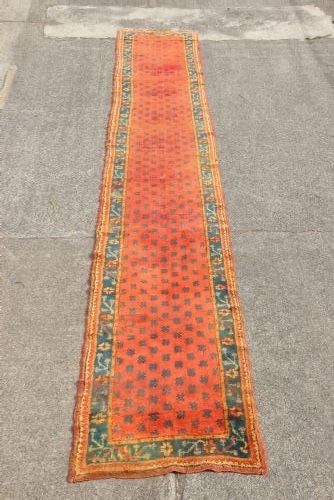
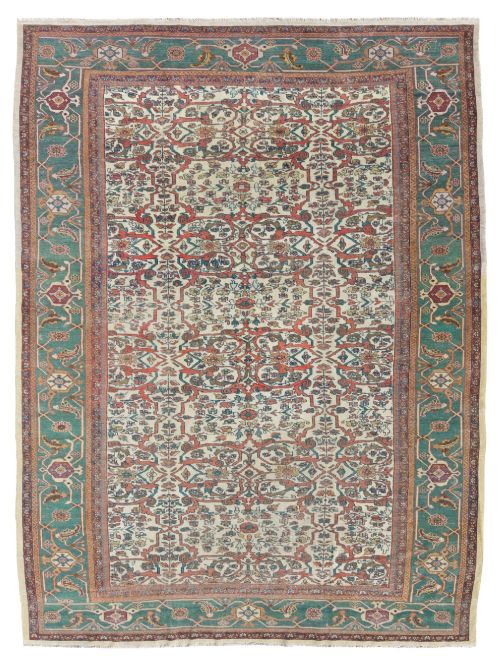
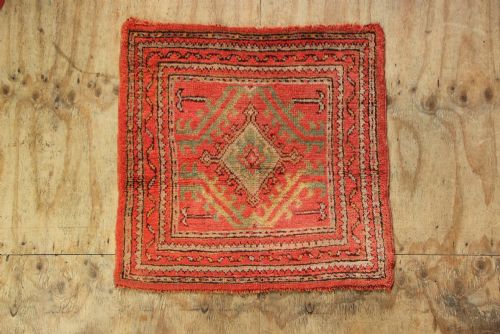
A green oriental rug is a textile originating from regions such as the Caucasus, Anatolia, and Persia, spanning production dates from the eighteenth century through to the early twentieth century. When searching for this phrase, a buyer encounters a diverse range of formats including large carpets, narrow runners, square formats, and prayer rugs.
The pieces appearing on this page encompass traditional weaving styles like Oushak, Ushak, Sultanabad, Kashan, and Caucasian carpet designs. Olive, pistachio, aquamarine, and blue-green fields emerge across village and workshop productions alike.
Alongside woven carpets, related textile items such as embroidered bed cover suzanis also surface, representing the broader spectrum of regional textile craft. Buyers meet examples originating from specific weaving centres like Konya, Kirsehir, and Ghiordes.
How they were made
Materials recorded in the evidence rely primarily on natural fibres, with wool, cotton, and silk utilised for pile foundations and structural warps and wefts. Angora wool also appears among specific regional weaves.
Weavers constructed these pieces using hand-knotted pile techniques for carpets and runners, alongside silk embroidery on silk grounds for specific wall and bed cover textiles.
What varies in quality
Quality variation rests upon the fineness of the knotting, the complexity of the regional design, and the integrity of the surviving materials. Pieces originating from prominent workshops or distinct village traditions display superior precision in pattern execution.
The depth and preservation of the dyed field colour, particularly scarcer green and pistachio tones, influence the visual impact of the textile. Structural survival across the foundation threads and pile integrity determine the longevity of the piece.
The Green Oriental Rug Glossary
- Prayer rug
- A small format textile featuring a mihrab or arch design intended for religious observance. These pieces frequently originate from centres such as Konya, Kirsehir, and Ghiordes.
- Runner
- A long, narrow carpet format designed for hallways, corridors, or galleries. Surviving examples often measure several metres in length.
- Suzani
- An embroidered textile panel originating from Central Asia, traditionally worked in silk thread on a silk or cotton ground. They frequently appear in prayer formats or as bed covers.
- Kilim
- A flat-woven textile produced without a raised pile. These pieces rely on interlocking weft techniques to create geometric patterns.
- Pile
- The upright yarn loops or tufts forming the tactile surface of a carpet. In these listings, pile materials consist predominantly of wool and silk.
Green Oriental Rug: Frequently Asked Questions
Where were these rugs made?
The pieces originate from traditional weaving regions spanning the Caucasus, Anatolia, and Persia. Specific towns and districts like Oushak, Kirsehir, Kashan, and Sultanabad represent distinct local aesthetic traditions.
Production methods varied between nomadic village workshops and established city manufactories, resulting in diverse regional designs and knotting structures.
How do I care for an antique rug?
Protect antique wool and silk textiles by placing them in areas away from direct, prolonged sunlight to prevent dye fading. Gentle, regular vacuuming without a rotating brush roll helps remove embedded dust from the pile.
Professional cleaning tailored to antique vegetable-dyed carpets should be utilised periodically rather than standard domestic washing methods.
What is the difference between a carpet and a runner?
Carpets generally present larger, balanced proportions suited to anchoring central furniture in principal rooms. Runners offer an elongated, narrow format specifically constructed for corridors and passageways.
Both forms share traditional weaving techniques and regional decorative motifs depending on their origin.
How can I tell the age of a piece?
Dating relies on stylistic analysis of the border motifs, field patterns, and structural characteristics such as material preparation and knot density. Pieces span from eighteenth-century examples to early twentieth-century productions.
Natural dye variations and regional weaving signatures provide further indicators of the specific period in which a textile was manufactured.