


Green Oil Landscape Artwork
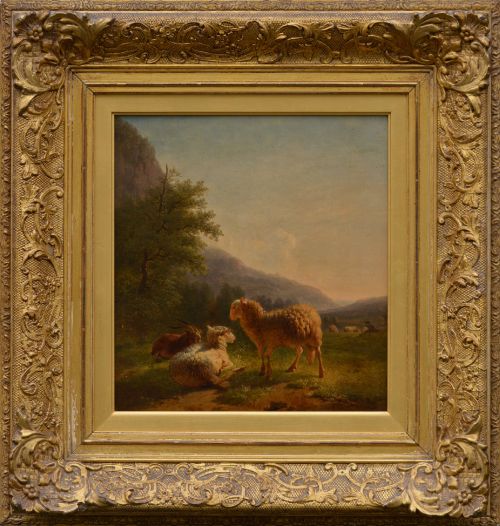
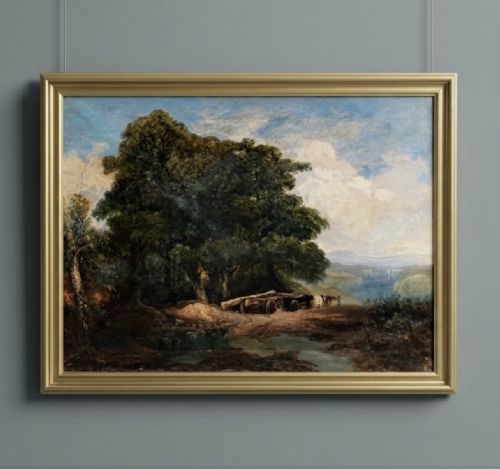
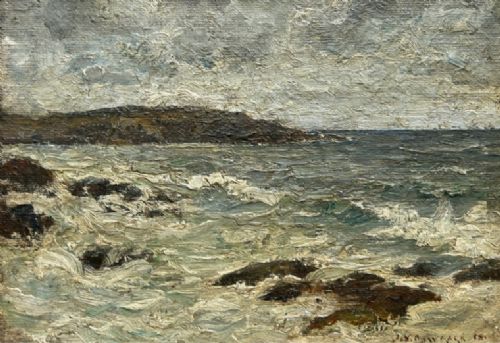
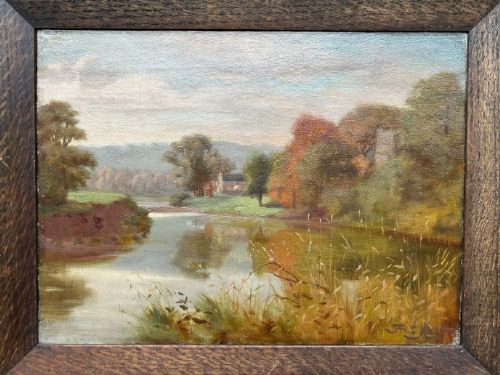
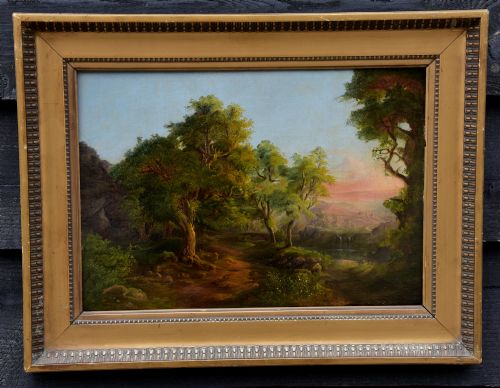
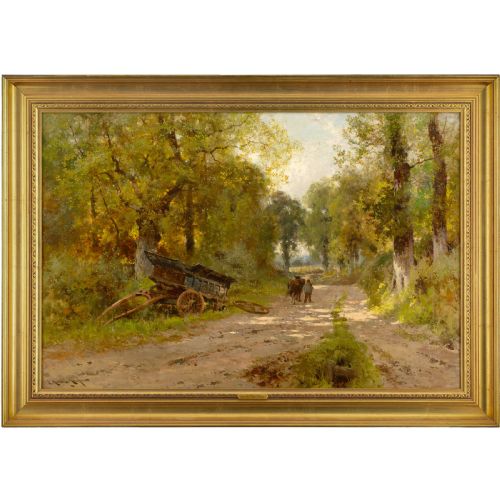
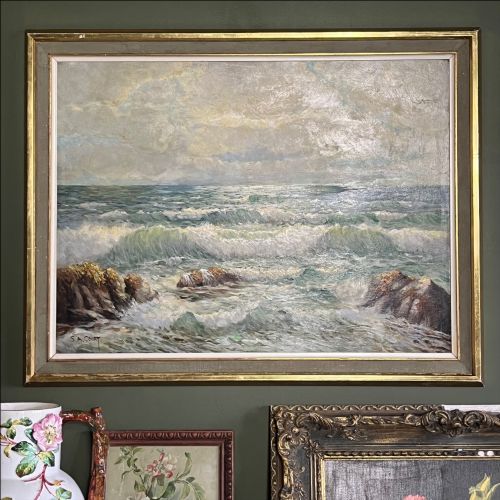
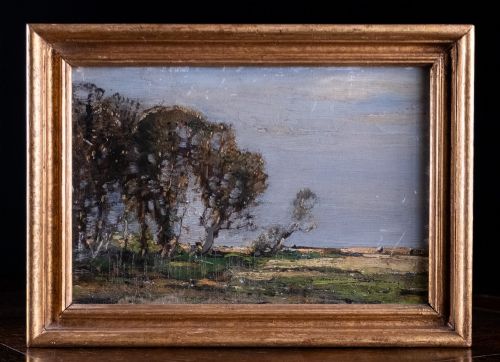
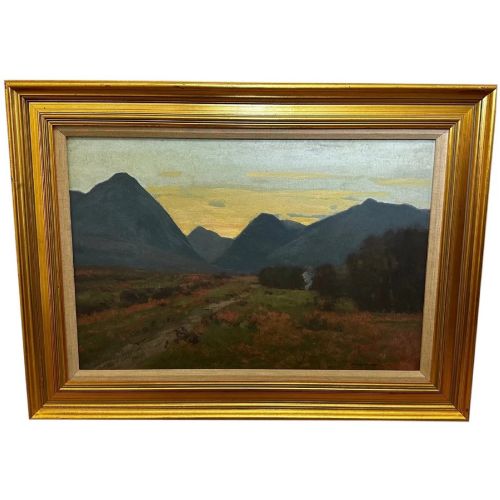
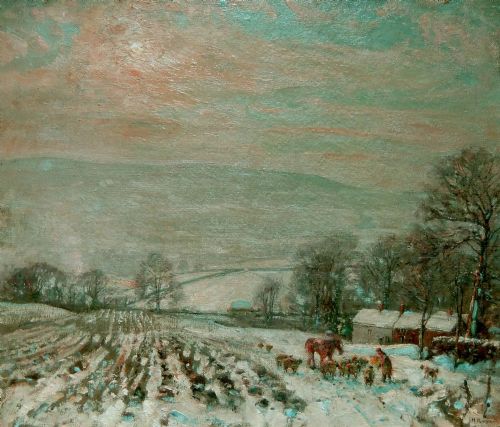
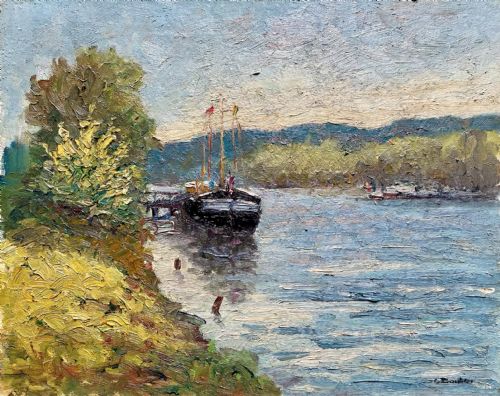
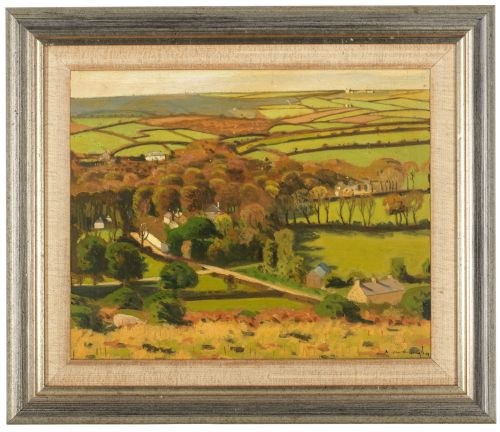
Green oil landscape artwork brings forest canopies, river valleys and rolling hills into rooms through rich pigment and painterly brushwork.
Green Oil Landscape Artwork
A green oil landscape artwork captures natural terrain through tinted oil pigments applied to various supports. These pieces emerge predominantly from the nineteenth and early twentieth centuries, spanning periods like the Victorian, Edwardian and Modern British eras.
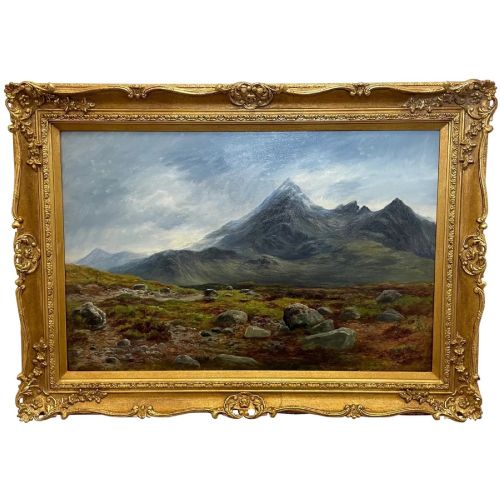
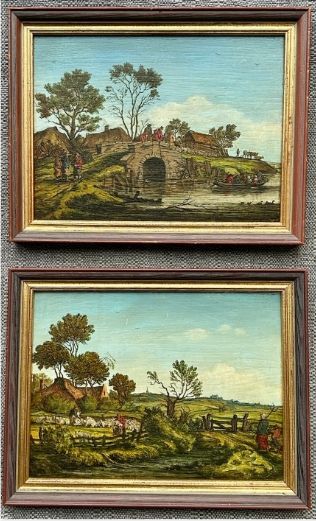
The works take several distinct forms on this page, appearing as oil paintings on canvas, wooden panels, board and card. Subjects range from tranquil woodland scenes and Highland vistas to pastoral riverbanks featuring cattle, sheep and human figures.
Makers work within recognisable traditions such as British Impressionism, Post-Impressionism, and nineteenth-century Romanticism. Buyers encounter both signed originals by established painters and evocative creations by provincial or naive folk artists.
Materials and technique
Artists build these compositions using oil paint mixed with coloured pigments, applied directly to stretched canvas, wooden boards or panels. This medium allows for slow drying times, enabling painters to blend hues carefully or build up textured impasto surfaces.
Frames play a substantial role in the presentation, frequently constructed from wood and finished in gilt or giltwood to complement the verdant tones within the painted scene. Many nineteenth and early twentieth-century works rely on en plein air techniques to capture natural light outdoors.
Green Oil Landscape Artwork Retail Price Guide 2026
Typical asking prices for green oil landscape artwork among the pieces listed under this phrase on Sellingantiques today, from the lower quarter to the upper quarter. They describe what is for sale here now, not the wider market.
Cattle, sheep, dogs and wandering figures populate these green vistas, occasionally pausing to watch cows graze or observe a riverside harvest.
Distinguishing quality
Quality rests in the handling of brushwork and the modulation of green tones, separating dynamic compositions from rigid or flat depictions. Skilled artists employ varied impasto and subtle tonal shifts to convey depth in foliage and light across a meadow.
The stability of the support and the preservation of the original paint layer also define the upper tier. Works executed on well-prepared canvas or seasoned wood panels maintain their structural integrity and visual vibrancy over centuries.
Eugène Verboeckhoven·Richard Sebastian Bond·William Beattie-Brown·William H Myers·Tom Campbell·Frederick Marriott·John Horace Hooper·Sidney A Court·Kershaw Schofield·George Houston·Herbert Royle·Robert Morson Hughes·Thomas W Lascelles·Gabriel Mathieu·David Bates·Benjamin Barker of Bath·Charles Houben·Antonio DeVity·Lucy Pratt·Harald Foss·Alfred Wolmark·Eric Brown·Henri Ottmann·Richard Redgrave
The Green Oil Landscape Artwork Glossary
- Impasto
- Paint applied thickly to a canvas or board, standing out in relief from the surface. This technique adds tactile dimension to foliage and grass within a landscape.
- En plein air
- The practice of painting outdoors directly from nature rather than inside a studio. This approach helps artists capture fleeting changes in natural daylight.
- Giltwood
- Wood carved and covered with a thin layer of gold leaf or metallic gilt powder. Frames made this way surround many period oil paintings.
- Post-Impressionism
- An artistic movement following Impressionism that explores emotional response and symbolic expression through colour. Painters use distinct brushstrokes and non-naturalistic hues.
- Wood panel
- A flat piece of timber utilised as a rigid support for oil paint prior to and alongside stretched canvas. Panels often bear nineteenth-century works.
Green Oil Landscape Artwork: Frequently Asked Questions
How should I clean a vintage oil landscape?
Surface dust can be removed gently with a soft, dry artist's brush, taking care around textured impasto areas.
Professional conservators should handle any deeper cleaning involving solvents or historical varnish removal to prevent damage to the pigment.
What is the difference between canvas and panel supports?
Canvas provides a flexible woven textile surface stretched over a wooden frame, offering slight give under the brush. Wooden boards and panels present a completely rigid base that often survives without the sagging risks associated with old textiles.
Both materials host traditional nineteenth and twentieth-century oil landscapes successfully.
Where should I hang an antique oil landscape?
These works suit dining rooms, studies or hallways where gentle ambient light enhances the varied green pigments.
Direct sunlight and damp environments should be avoided to protect both the oil paint and the gilded wooden frame.