



Green Metal Bedstead
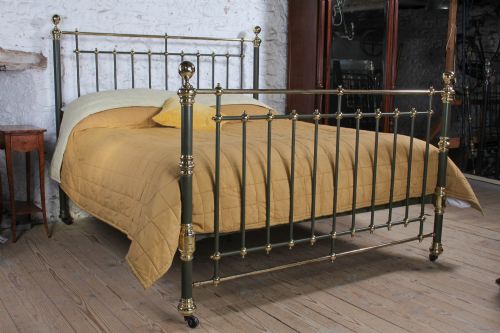
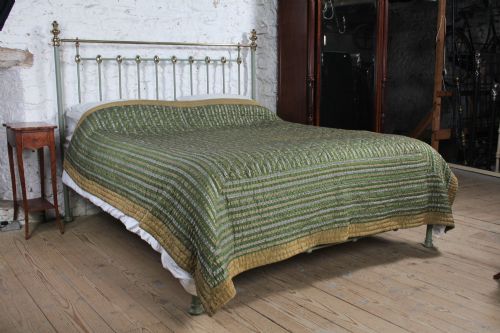
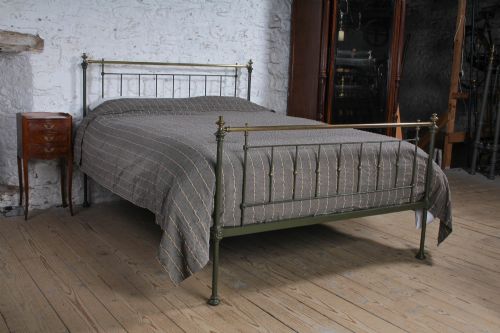
A green metal bedstead brings robust Victorian character and distinctive colour to a bedroom, combining practical iron framing with striking decorative detail.
Green Metal Bedstead
When you search for a green metal bedstead, you encounter substantial furniture pieces built primarily during the nineteenth century, including the decades of 1870, 1880, and 1900. These items encompass double, king-size, and single proportions, alongside platform styles and beds designed without high footboards.
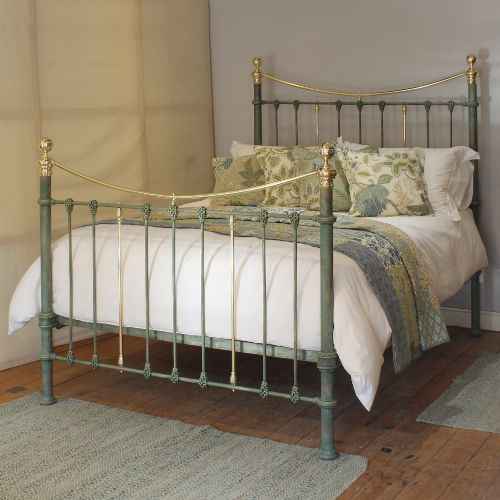
You are most likely to meet Victorian examples fashioned from cast iron and wrought iron, often highlighted with brass components and finished in shades of green, verdigris, or toleware paint.
The regional origins extend beyond standard British workshops to include continental examples from Austria and Portugal, as well as pieces originating in Ireland.
Materials and construction methods
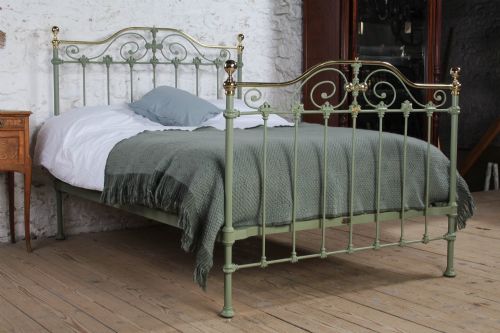
Construction relies heavily on cast iron and wrought iron for the structural framework, frequently combined with polished brass elements, decorative castings, and sheet metal.
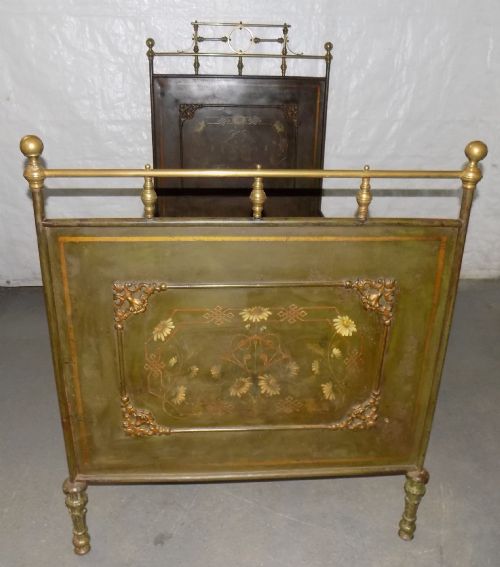
Surfaces are treated with paint finishes, including green verdigris and specialised toleware treatments, which define the distinctive visual identity of the period.
Green Metal Bedstead Retail Price Guide 2026
Typical asking prices for green metal bedstead among the pieces listed under this phrase on Sellingantiques today, from the lower quarter to the upper quarter. They describe what is for sale here now, not the wider market.
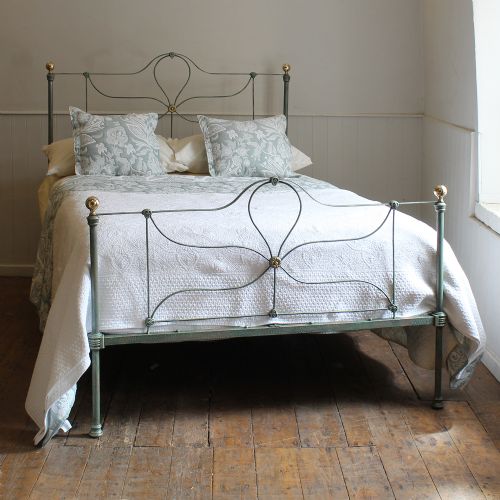
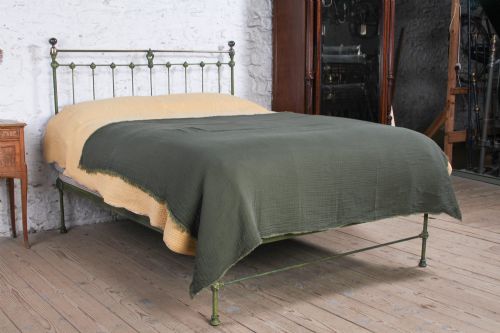
One iron bed dispenses with the footboard entirely, offering a gorgeously shaped no-end design for unobstructed stretching.
Assessing quality and craftsmanship
Quality reveals itself in the intricacy of the castings and the precision of the brass detailing fitted to the iron frame, distinguishing standard utilitarian frames from heavily ornamented pieces.
The sophistication of the shaping and the survival of original painted surfaces, such as verdigris and toleware, separate superior examples from plain or later repainted beds.
R W Winfield
The Green Metal Bedstead Glossary
- Verdigris
- A green patina formed naturally or applied artificially on copper, brass, or iron surfaces. This finish gives antique metalwork its aged character.
- Toleware
- Metalware painted or enamelled, typically in tinplate, often associated with decorative domestic items from the nineteenth century.
- Cast iron
- Iron melted and poured into a mould to create complex shapes and decorative motifs. It provides the heavy structural core for Victorian beds.
- Wrought iron
- Iron beaten and worked into shape by hand or machine, valued for its tensile strength and flexibility in framing.
Green Metal Bedstead: Frequently Asked Questions
What sizes are available?
These beds appear in single, small single, double, and king-size proportions to suit various bedroom layouts.
Dimensions depend entirely on the original nineteenth-century sizing conventions of each workshop.
How do I date a bed?
Dating relies on recorded manufacturing periods such as 1870, 1880, and 1900, alongside distinct Victorian stylistic markers.
Material combinations like brass castings paired with cast iron also indicate specific decades of production.
Are these beds sturdy?
The heavy iron and brass construction provides immense physical strength and structural stability for daily use.
Original frames are built to support modern mattresses when correctly assembled.
Where were they made?
Evidence shows production originating in British workshops, Irish foundries, and continental European regions including Austria and Portugal.
Regional differences appear in the specific shaping of the ironwork and the application of finishes.