


Antique Brass Top Bedstead
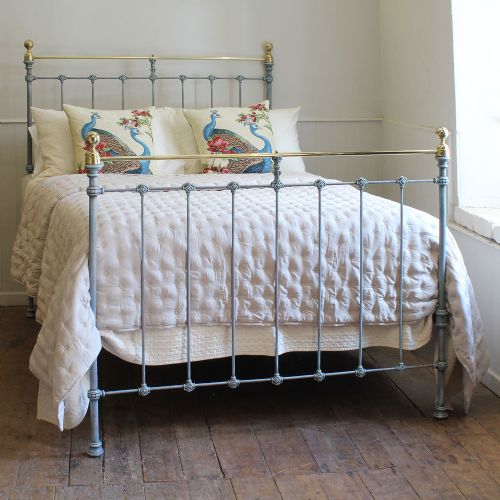
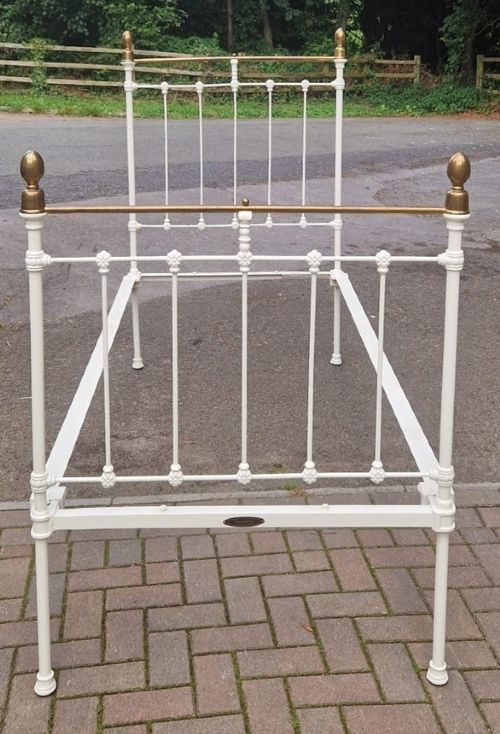
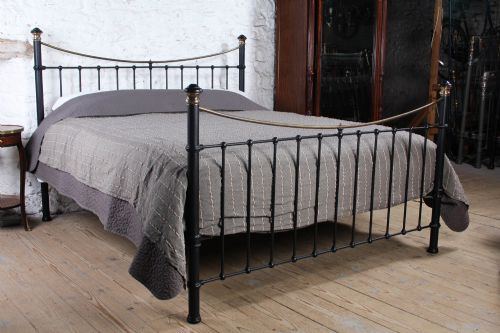
An antique brass top bedstead brings substantial nineteenth-century presence to a bedroom, combining metal frames with polished brass details.
Antique Brass Top Bedstead
Buyers seeking an antique brass top bedstead typically encounter robust nineteenth-century and early twentieth-century metal frames. These pieces merge practical sleeping structures with decorative metalwork across single, double, and king sizes.
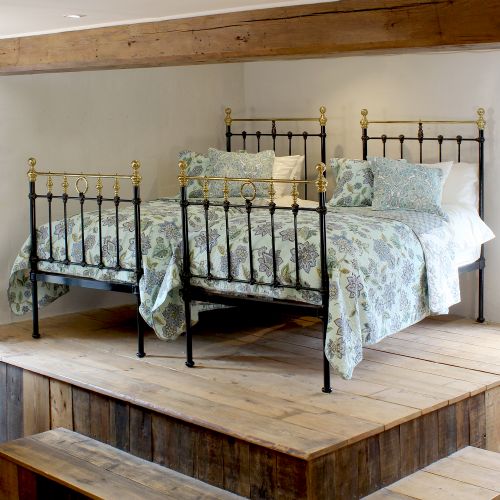
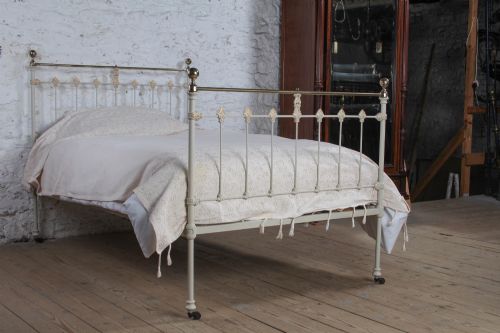
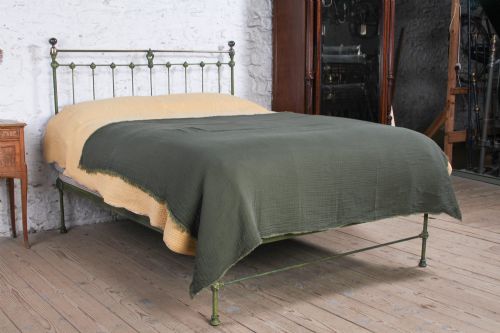
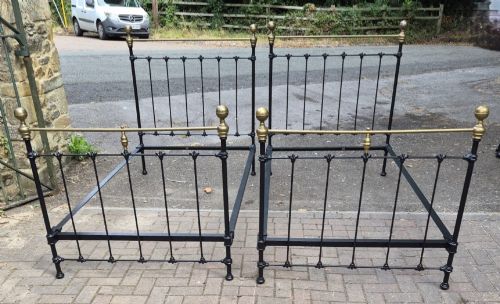
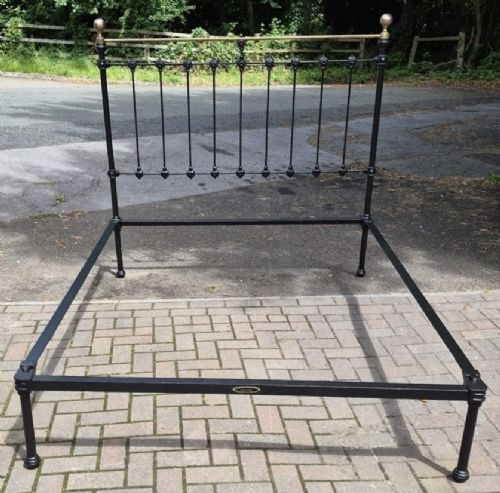
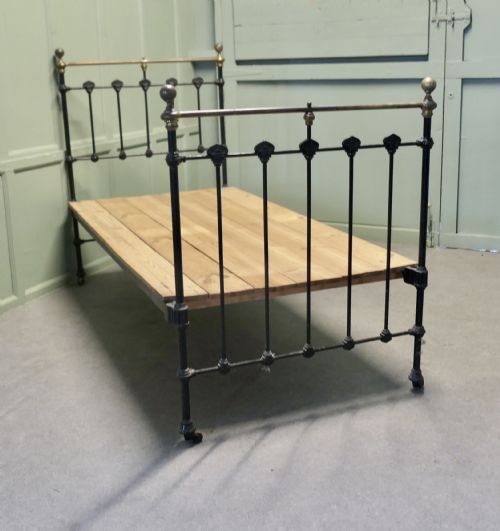
The selections on this page span Victorian and Edwardian periods, featuring combination frames built from cast iron and brass. Many examples utilise straight rails or dip rails, sometimes incorporating castors for mobility.
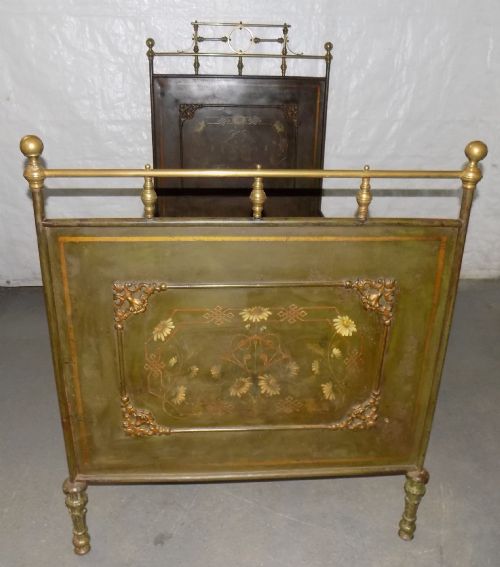
Origin variations include English workshops alongside occasional continental pieces such as Austrian toleware or French mahogany beds. The defining characteristic remains the prominent brass top section crowning the dark or painted iron structure.
Materials and construction methods
Construction relies heavily on durable cast iron and wrought iron for the main structural elements, providing the necessary weight and stability for large bed frames. This metal is frequently finished with black or white paint to contrast against the polished metallic components.
Brass provides the decorative focal points, appearing as top rails, detailed castings, and decorative rings. Wood also appears in specific continental items, utilising mahogany alongside sheet metal elements like toleware.
Several Victorian single beds arrive with the charming capability of being joined together to form a larger sleeping arrangement.
Distinctions in construction and detail
Quality separates through the intricacy of the brass castings and the crispness of the applied decoration. Standard production frames offer simple straight rails, whereas superior examples display elaborate brass detail and distinctive dip rail configurations.
The integrity of the original paint finish and the robustness of the iron structure dictate the standing of a piece. Maker attribution, such as work associated with firms like Heals, elevates the standing of specific iron and brass bedsteads.
The Antique Brass Top Bedstead Glossary
- Dip rail
- A headboard or footboard rail curving downward towards the centre. This shape defines several Edwardian and Victorian designs.
- Cast iron
- Iron poured into a mould to create rigid structural and decorative components. It forms the heavy framework of these metal beds.
- Toleware
- Painted or lacquered sheet metal items. Austrian workshops utilised this technique for specific single bedstead frames.
- Castor
- A small wheel mounted on a swivel attached to the bed legs. These facilitate movement across floor surfaces.
- Bedstead
- A framework supporting a mattress and springs. These historic examples accommodate various standard sleeping sizes from single to super king.
Antique Brass Top Bedstead: Frequently Asked Questions
How do I measure for a bed?
Check the internal dimensions against standard mattress sizes while accounting for the external iron frame width and length.
Take into account the height of the headboard and any projecting brass top rails to ensure clearance within your room.
Are these beds standard sizes?
Historic frames often vary slightly from modern metric or imperial mattress dimensions.
Verify the specific width listed, such as three quarter or king size, before sourcing a mattress.
How do I care for brass?
Clean polished brass components gently with a soft cloth to remove dust and maintain the metallic sheen.
Avoid abrasive cleaners that can damage the historical surface or strip protective layers.
Can modern mattresses fit?
Many nineteenth-century frames accommodate contemporary mattresses provided the length and width match the inner rails.
Some single beds were designed to be joined or used independently depending on modern room layouts.