

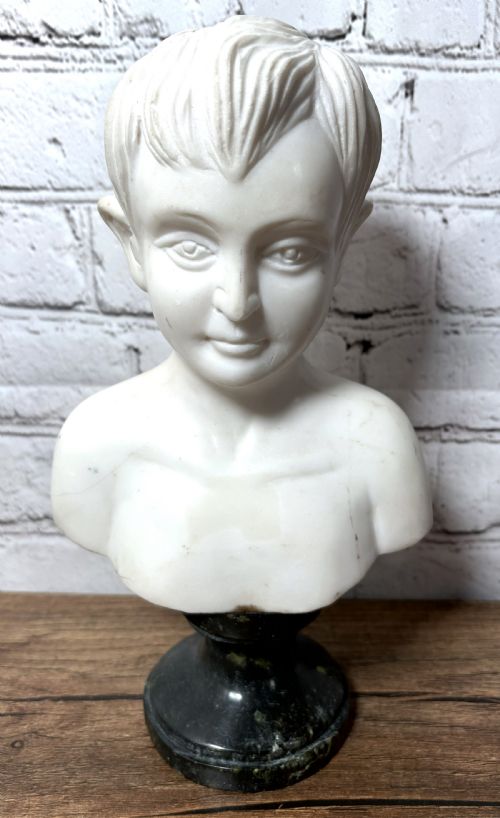


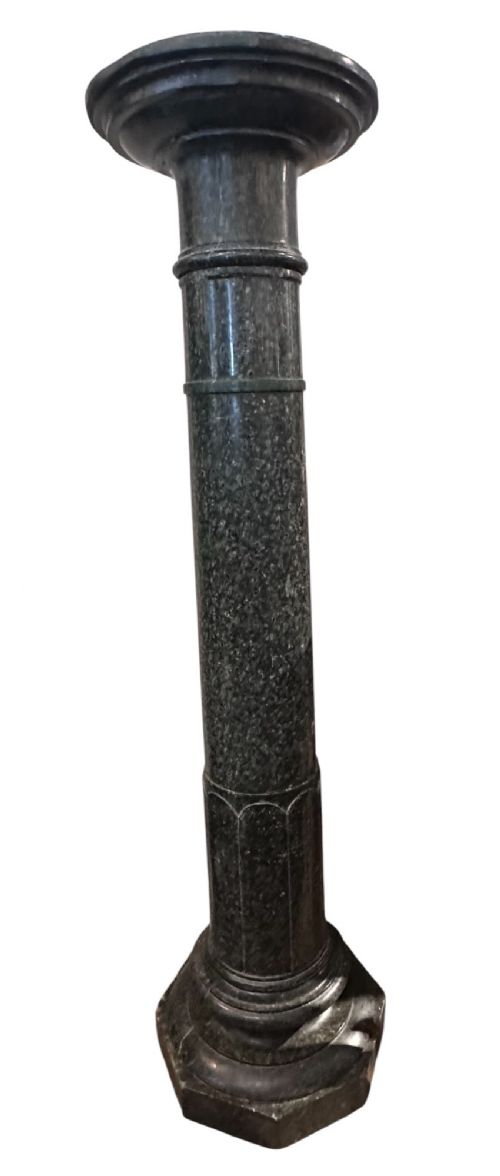



Green Marble Pedestal Sculpture
These green marble pedestal sculpture pieces combine stone and classical form to elevate display spaces with a commanding presence.
Green Marble Pedestal Sculpture
A green marble pedestal sculpture brings together carved stone architecture and classical display pieces, often seen in the form of columns, pedestals, and busts. These items frequently date from the nineteenth century and the early twentieth century, showing influences from French Empire, Victorian, and Neoclassical styles.
The objects appearing on this page range from standalone Verde Antico marble columns to sculptural groups and bronze-mounted pieces. Buyers encounter various shades of green stone, including serpentine and Vert de Patricia, shaped into sturdy supports for decorative arts.
Materials and construction methods
Makers utilised natural quarried stone such as green marble, Verde Antico, and serpentine, shaping them on lathes or working them by hand. These stone columns and pedestals often incorporate bronze or gilt bronze mounts, cast and chased to accent the capitals and bases.
Sculptural elements combine carved marble with other mediums like bronze, brass, and glass, reflecting nineteenth-century and Art Deco techniques. The assembly relies on fitted stone sections and metal fixings to support the weight of the heavier marble and bronze components.
Several pieces involve children and young boys, capturing moments of play through marble busts and carved groups.
Distinctions in quality and execution
The fineness of the stone veining and the depth of the carved details separate standard utility columns from finer sculptural works. Superior examples display precise turning in the marble and finely chased gilt bronze mounts that fit flush against the stone.
The choice of specific stones, such as variegated green serpentine or rich Verde Antico, influences the visual impact of the piece. Craftsmanship in the proportion of the column shaft to the capital and base dictates the overall harmony of the object.
The Green Marble Pedestal Sculpture Glossary
- Verde Antico
- A dark green serpentine marble breccia utilised by Italian and French makers for classical columns and architectural ornaments.
- Neoclassical
- A design style drawing inspiration from the classical art and architecture of ancient Greece and Rome, prominent during the nineteenth century.
- Chryselephantine
- A term describing statues made from a combination of bronze and ivory, frequently seen in Art Deco figures by makers like Ferdinand Preiss.
- Serpentine
- A group of green silicate minerals often polished and used in decorative columns, pedestals, and architectural stonework.
Green Marble Pedestal Sculpture: Frequently Asked Questions
How do I clean green marble?
Dust the surface regularly with a soft, dry cloth to prevent accumulation in the carved details and natural fissures of the stone.
Avoid harsh chemical cleaners or acidic substances, which can etch the polished surface of the marble.
Are these columns structurally sound?
Most heavy stone columns and pedestals are designed to support substantial weight, such as bronze busts or heavy vases, when placed on a flat, level floor.
Check that the joints between the capital, shaft, and base remain secure and properly aligned.
How do I date a marble column?
Examine the turning marks on the stone, the style of the bronze mounts, and the overall aesthetic, which often reflects Victorian or Neoclassical periods.
Records and physical wear on the underside of the base can also provide clues regarding nineteenth-century manufacture.
Where should I place a pedestal?
Position pedestals in corners or alcoves where they can safely display smaller sculptures, clocks, or decorative vessels without obstructing walkways.
Ensure the floor is stable and capable of supporting the considerable combined weight of stone and bronze.